Château de Coat-an-Noz: A Nineteenth-Century Residence in France
Site at a Glance
- Popularity
- Medium
- Country
- France
- Primary era
- Modern
- Eras represented
- Modern
- Civilizations
- French
- Site type
- Domestic
- Remains
- Castle
On this page5 sections
History
Construction and family ownership
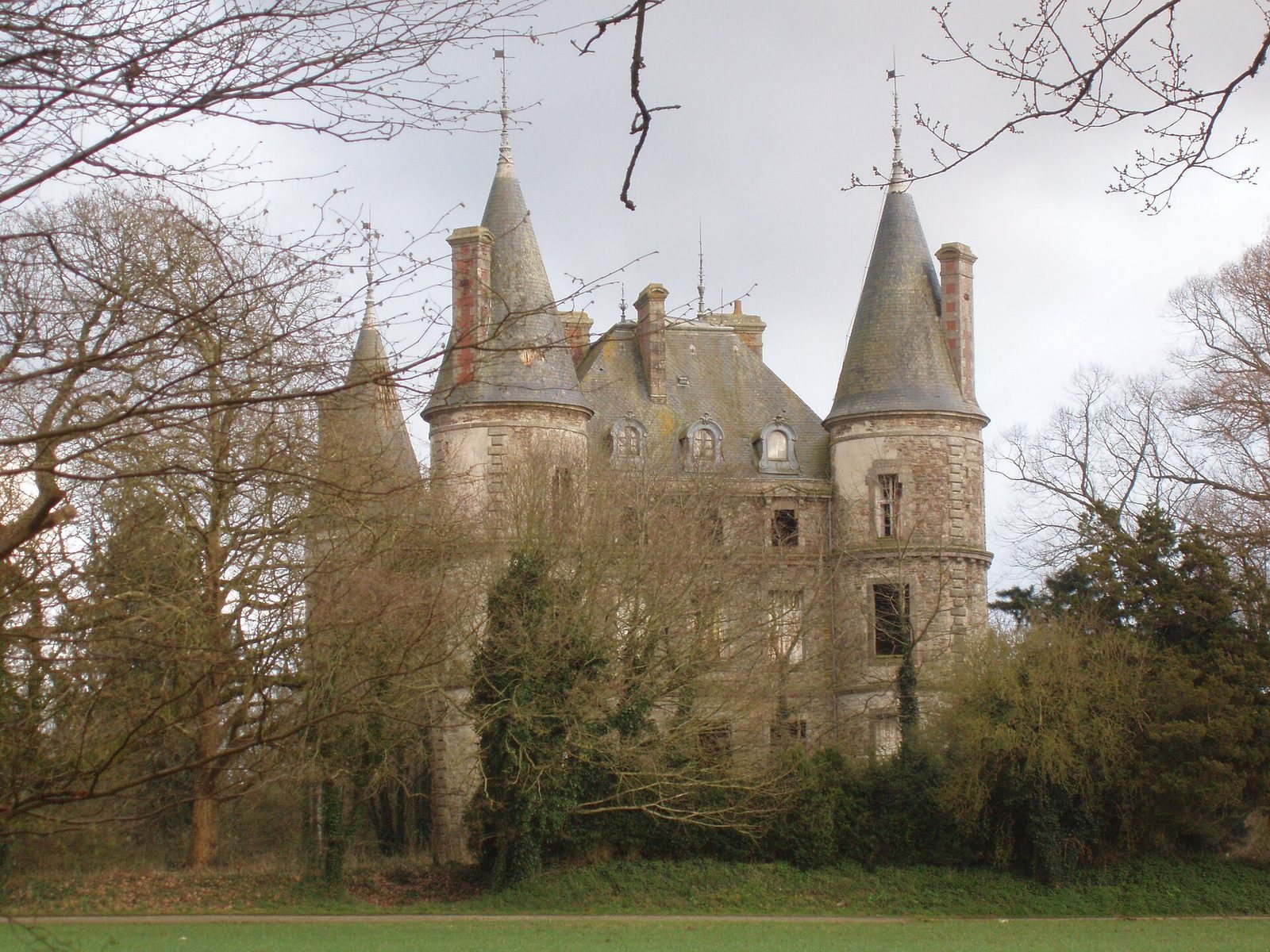
Château de Coat-an-Noz is a nineteenth-century residence in France, south of Belle-Isle-en-Terre and near Loc-Envel. Construction began in 1858, commissioned by Cécile de Kergorlay, wife of Robert de Sesmaisons, for their daughter Françoise. Françoise married Prince Charles de Faucigny-Lucinge in 1859.
The estate included the forests of Coat-an-Noz and Coat-an-Hay. Around 1900, Charles and two of his sons, all princes of Faucigny-Lucinge, served as mayors of Loc-Envel. In 1923, Bertrand de Faucigny-Lucinge, a racing-car driver, sold the château and its extensive forest estate, ending the family’s ownership.
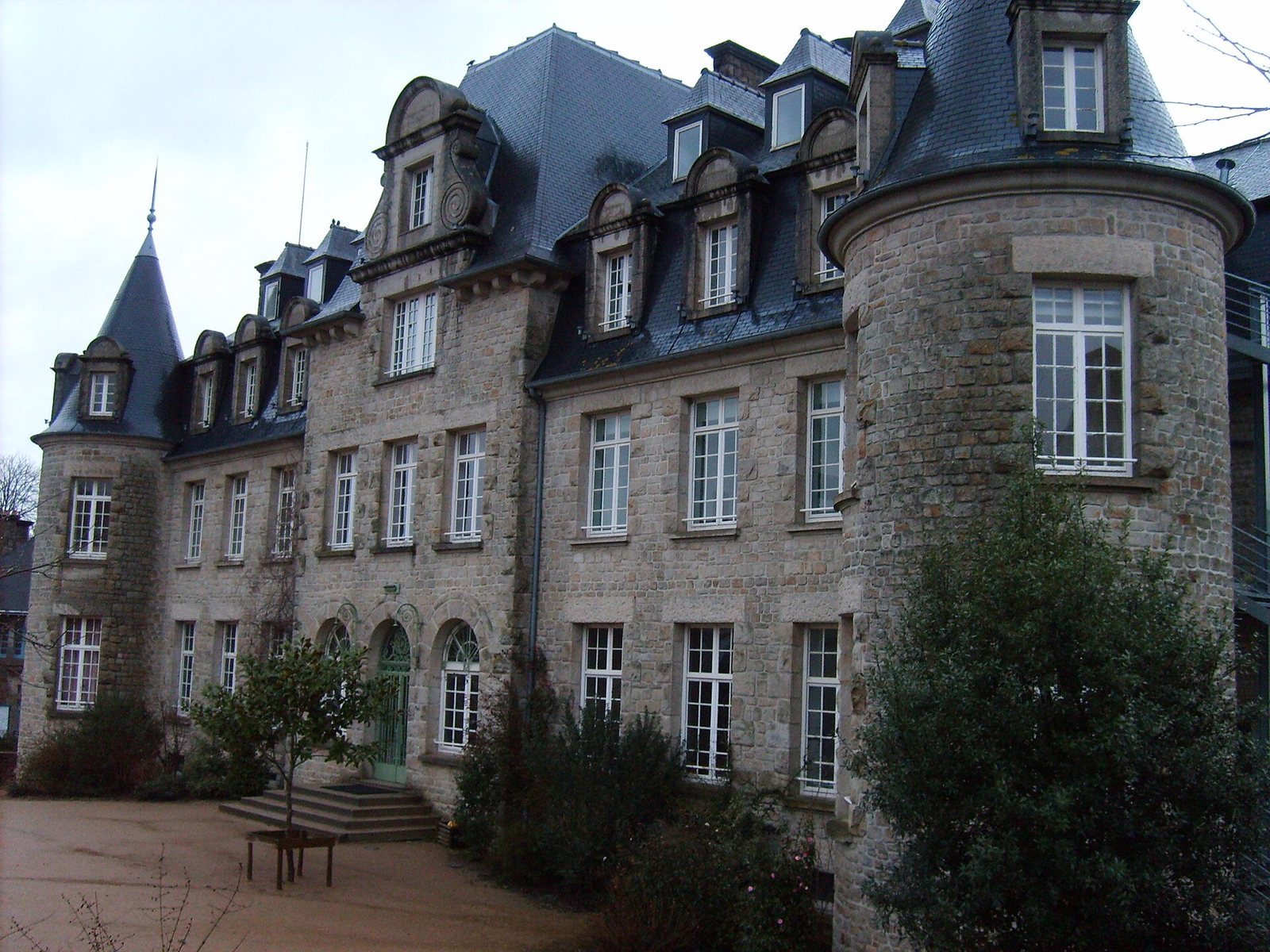
Also in 1923, Lady Mond built a replica of Coat-an-Noz in Belle-Isle-en-Terre, naming it the Château de Lady Mond. Because it stood too close to the road, she had it dismantled and rebuilt several metres farther away. It now houses a freshwater aquarium and a regional river education centre.
The Mond era and later restoration
In 1929, Sir Robert Mond, an industrialist in the nickel industry known by the nickname “nickel king,” bought Coat-an-Noz and its estate for his wife, Lady Mond, born Marie-Louise Le Manac’h, who came from Belle-Isle-en-Terre. After her death in 1949, the château was separated from the forests and passed through several owners. Efforts to restore the large building were not completed. Private individuals acquired it in 2011 and began restoration.
Remains
Residence and setting
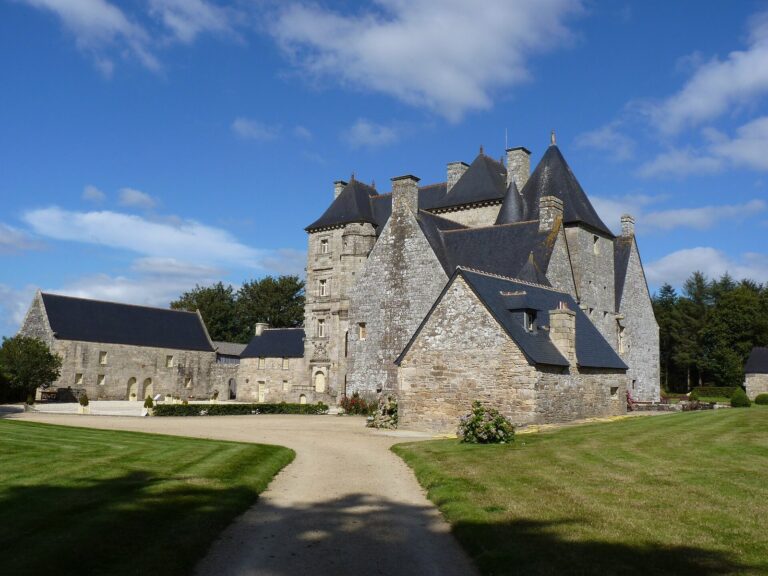
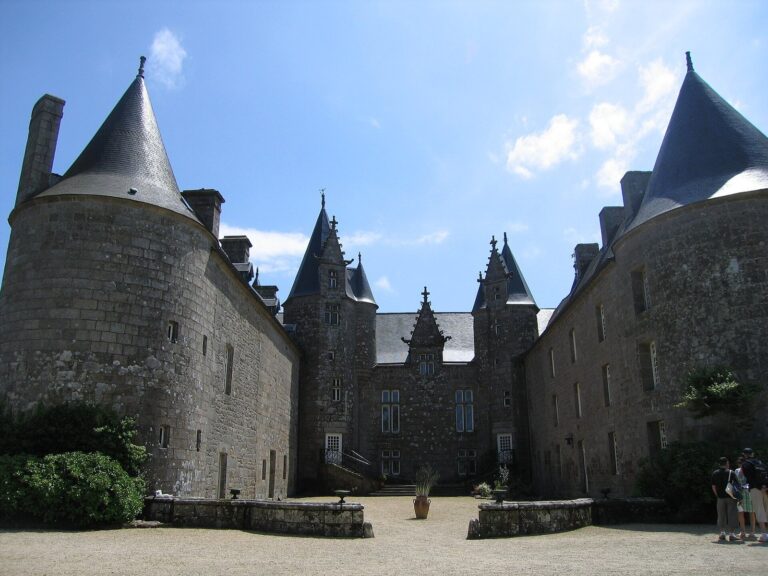
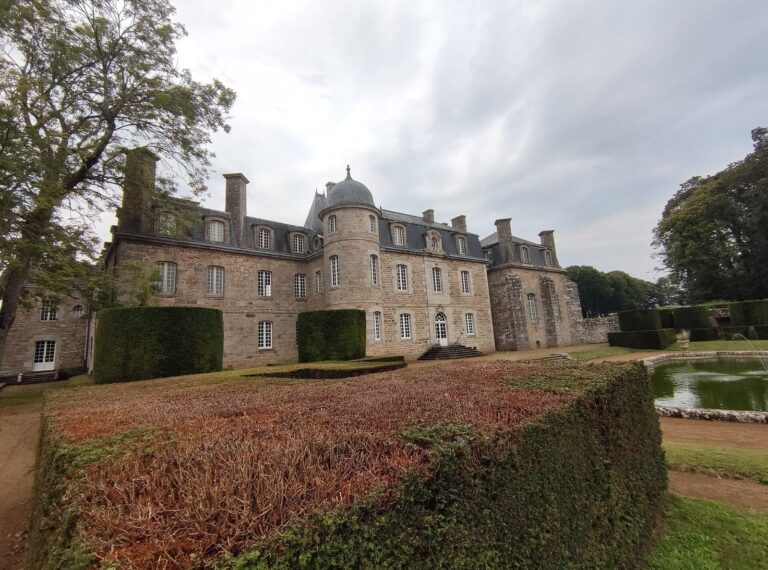
The residence stands in the forest of Coat-an-Noz. Its main block is rectangular, with a small projecting tower at each of its four corners. Granite and schist, a layered metamorphic rock, form the building, which has slate roofs.