Ctěnice Castle: A Renaissance and Classicist Estate near Prague
Site at a Glance
- Popularity
- Medium
- Country
- Czechia
- Primary era
- Early Modern
- Eras represented
- Medieval, Early Modern
- Civilizations
- Habsburg, Habsburg Austria, Holy Roman Empire, Kingdom of Bohemia
- Site type
- Domestic
- Remains
- Castle
On this page5 sections
History
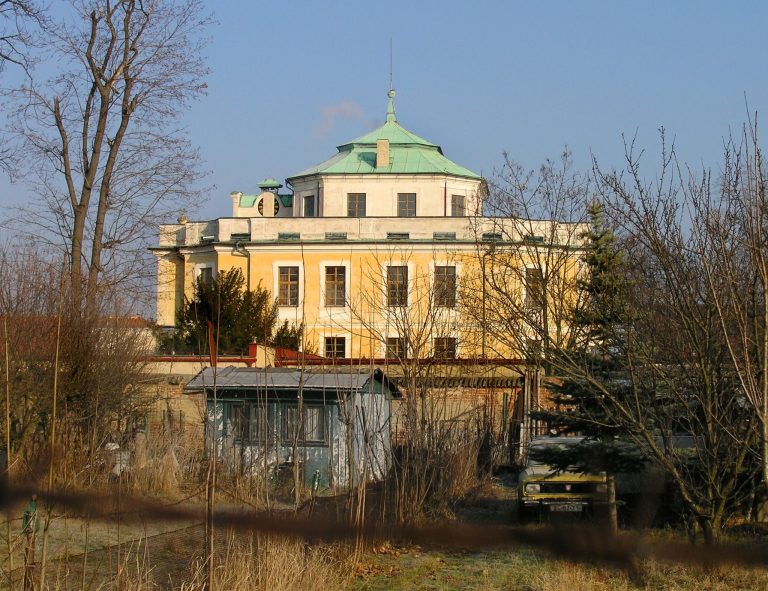
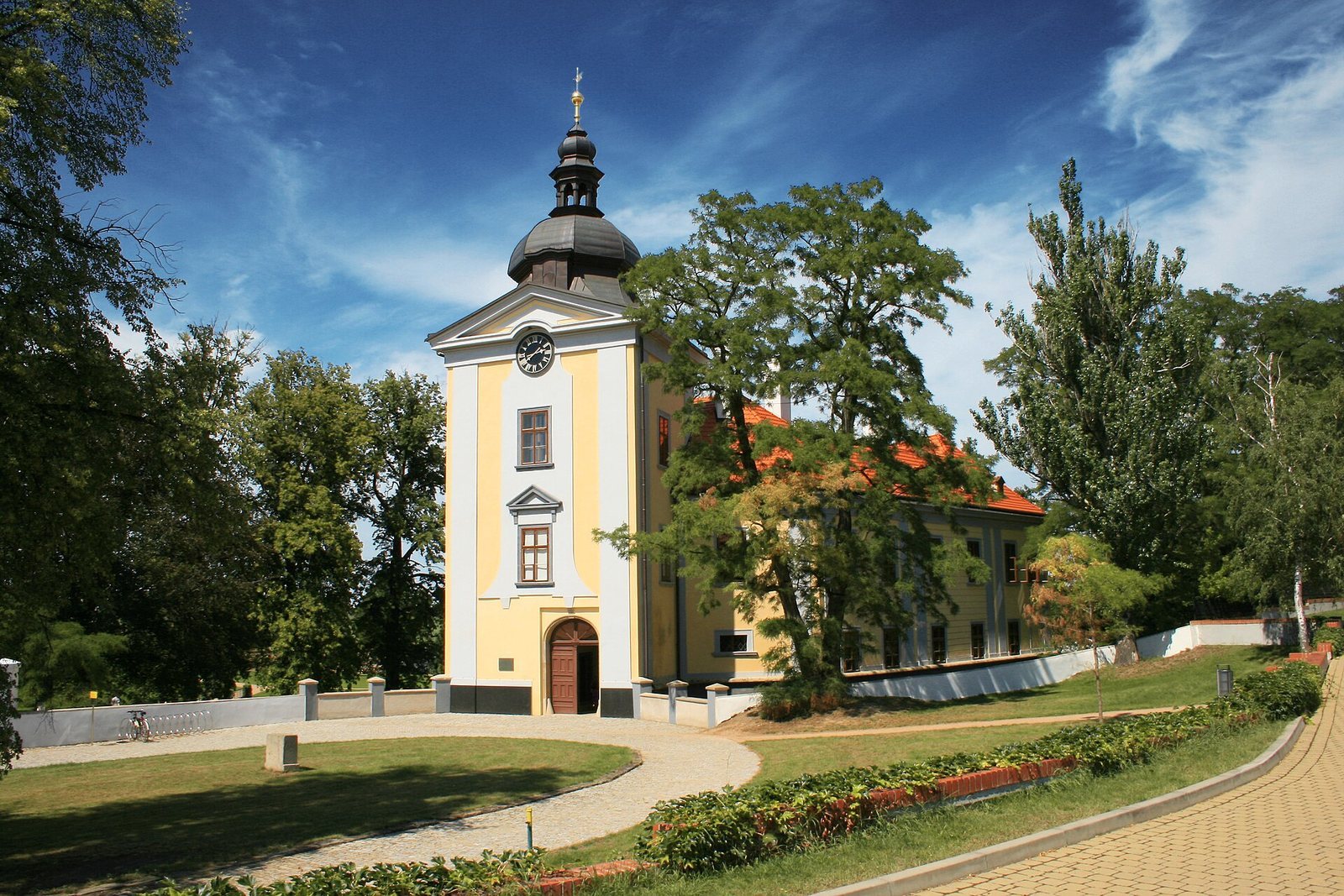
Ctěnice Castle is a historic estate in Ctěnice, within Vinoř in Prague, Czechia. A stronghold is recorded there in 1372; around 1550, Nikolaus Herzan von Harras had it converted into a Renaissance castle, part of a European artistic and architectural movement. It was later remodeled in the Classicist style, which drew on forms and principles from classical antiquity.
Sixteenth- and seventeenth-century ownership
After Herzan’s death, Petr Myšek von Žlunice acquired the castle in 1572. Petr’s descendants sold it in 1601 to Katharina Smiřická von Hasenburg, who died three years later and left it to Johann Zbinco von Hasenburg. Johann sold the estate to Wenzel Boryn von Lhota. In 1626, Wenzel’s son Jan exchanged his inherited share with Adam von Waldstein for Budeničky, in the Kladno district. Adam’s heir, Maximilian von Waldstein, sold Ctěnice in 1652 to Jan Anton Losy von Losinthal, who acquired Sluhy in 1656.
Later estate owners
After the male line of the Losy family ended, Ernestine, widow of Adam Philipp Losy von Losinthal, sold the family estate to Joseph-Niklas zu Windisch-Graetz on 12 May 1781. Windisch-Graetz had the castle remodeled in the Classicist style. After his death, the estate passed by sale to Anton Baron von Hochberg in 1803; Hochberg added the Goldberg estate the following year.
Johann Anton Hartmann von Klarstein bought the properties in 1808, and ownership passed to Franz Anton Graf Desfours in 1820. From 1831, Desfours’s daughters Josefine von Schwarzenberg and Gabriele von Dietrichstein held them. In 1849, Viennese industrialist Alexander von Schoeller acquired Ctěnice from the estate of Aloisia Countess Desfours and also bought the estates of Čakovice and Miškovice. The Schoeller family retained the castle for almost a century, until it was expropriated by a decree of President Edvard Beneš on 24 November 1945. Postwar decrees associated with Beneš included measures for the confiscation of property.
Postwar decline and restoration
The castle fell into disrepair after the Second World War. Ctěnice had belonged to the municipality of Přezletice since 1850 and was transferred to Vinoř in 1950. When Vinoř became part of Prague in 1974, the castle became part of the city. After the Velvet Revolution, the largely peaceful 1989 transition that ended Communist rule in Czechoslovakia, the Prague State Farm stopped using the site, and demolition threatened it. The Prague Information Service acquired the ruin in 1995 and renovated it.
Remains
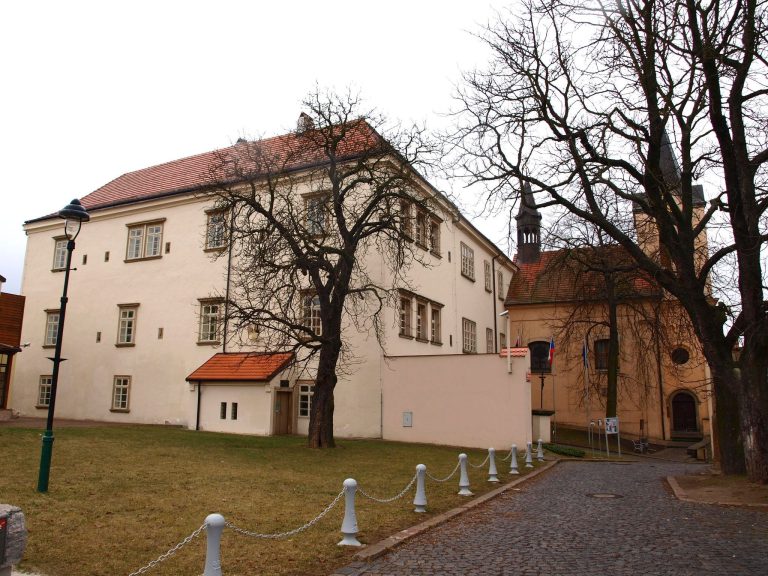
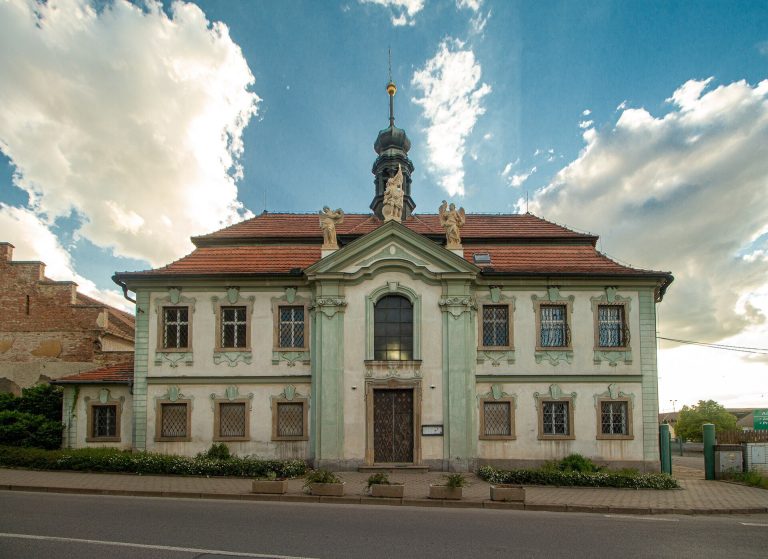
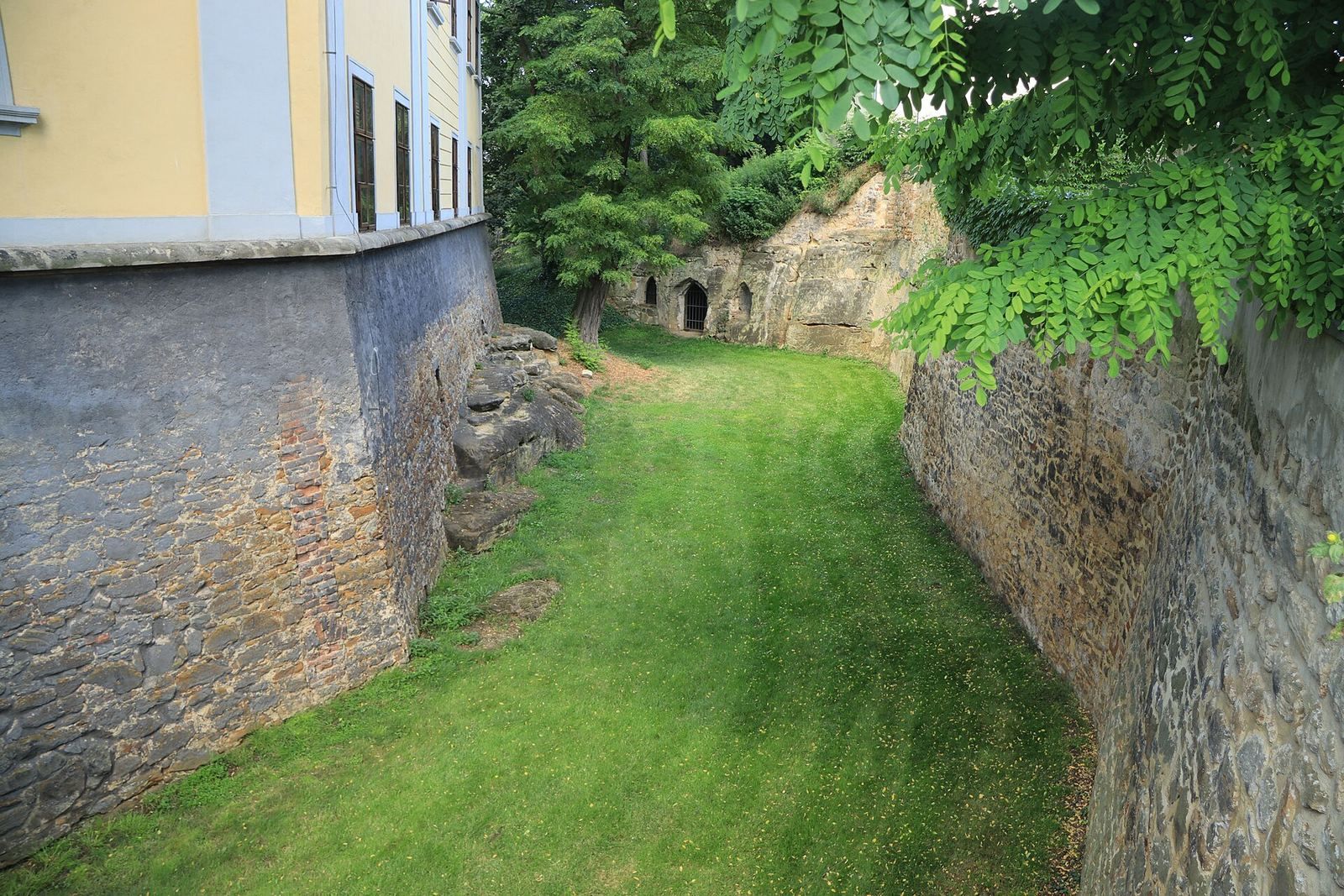
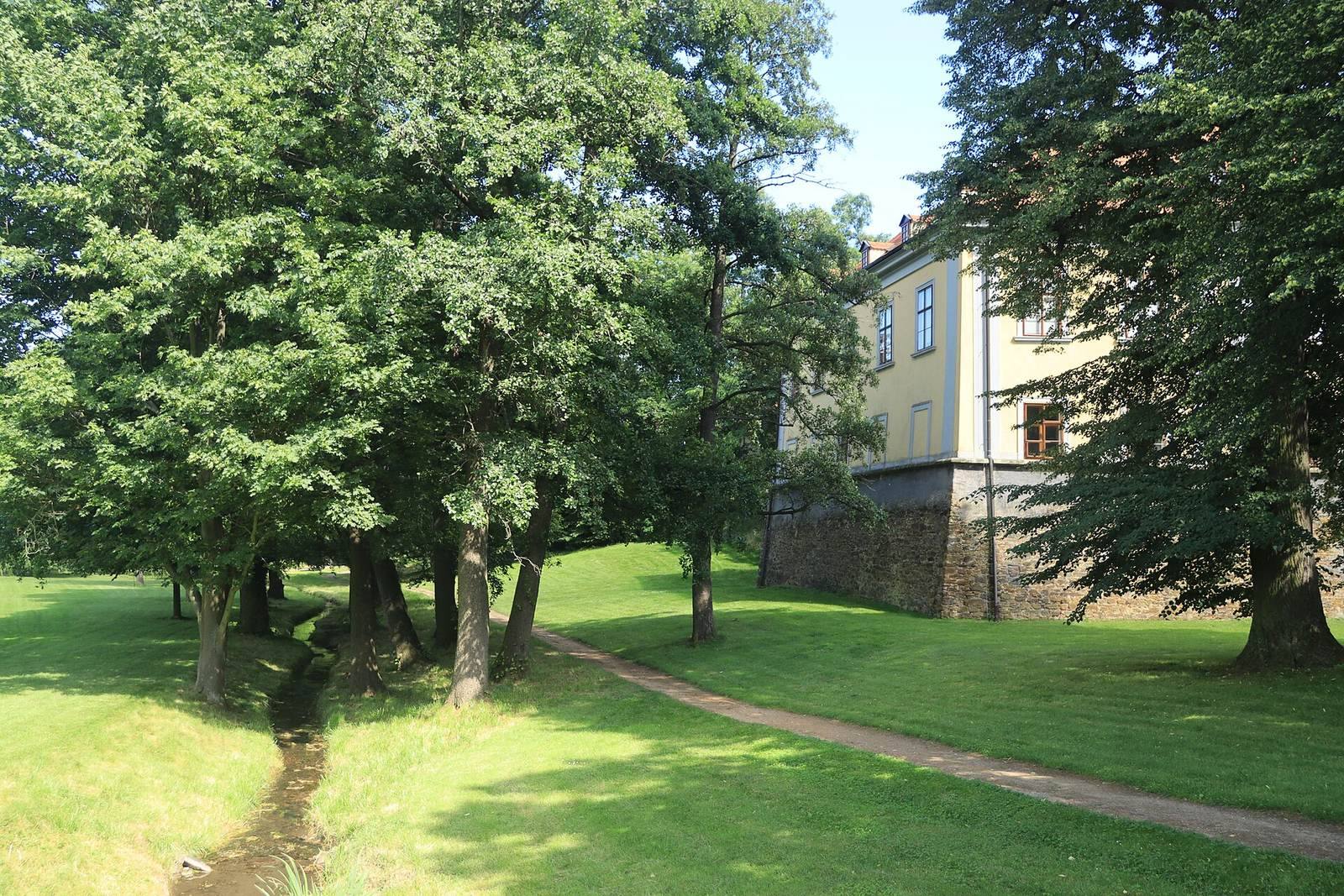
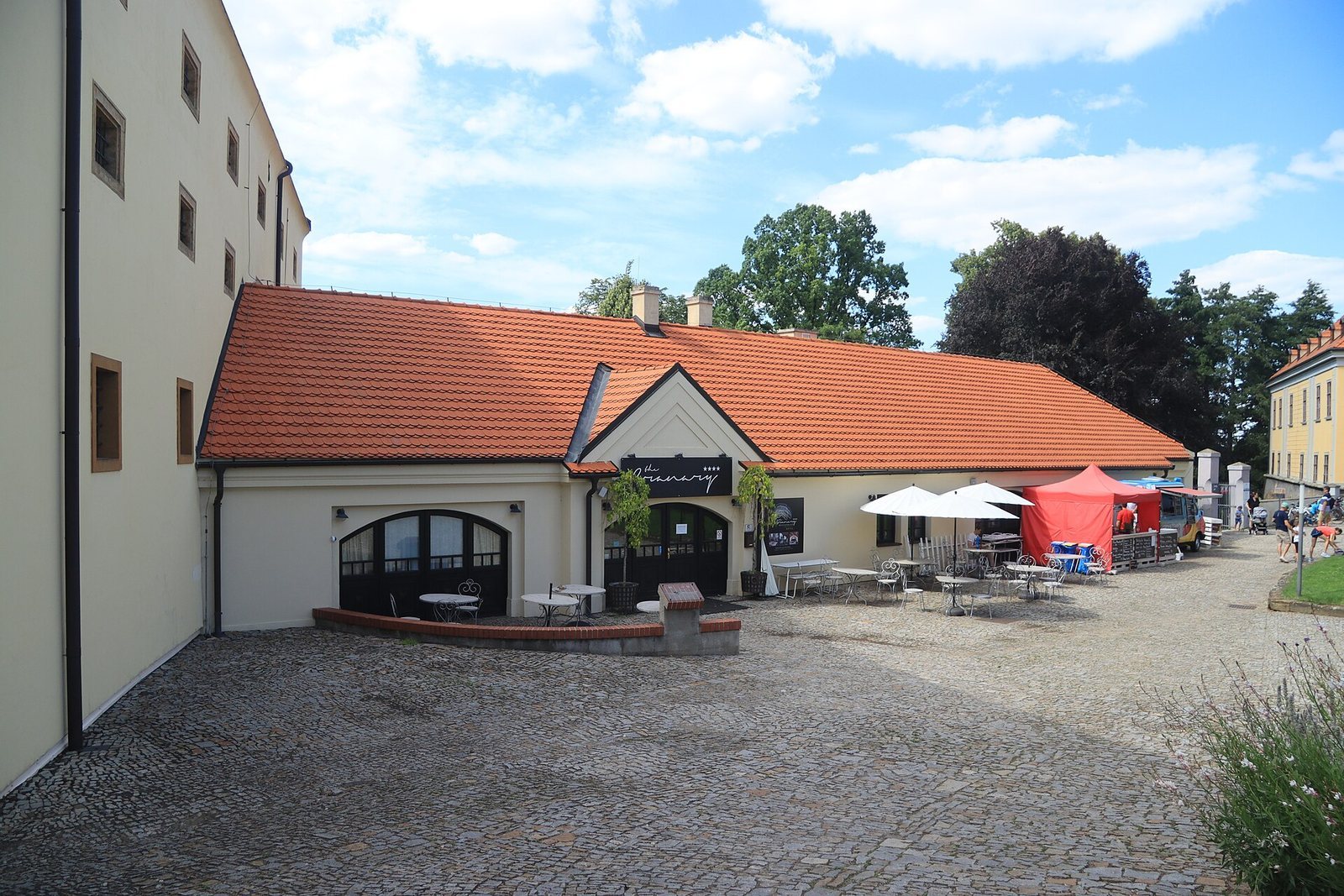
The physical complex includes the main castle building and service buildings within a surrounding castle park. Its form reflects successive architectural phases, including its transformation from a stronghold and later remodeling.
A carriage museum opened in one of the service buildings in June 2000, displaying exhibits from several Prague museums and covering the history and types of carriages. An exhibition about the castle’s history and reconstruction opened on the ground floor of the main building in June 2004. In 2005, another exhibition opened on the Habsburgs in the Bohemian lands from 1791 to 1914.