Bałtów Palace: Neoclassical Residence of the Drucki-Lubecki Family
Site at a Glance
- Popularity
- Medium
- Country
- Poland
- Primary era
- Modern
- Eras represented
- Early Modern, Modern
- Civilizations
- Polish–Lithuanian Commonwealth, Russian
- Site type
- Domestic
- Remains
- Elite Residence
On this page8 sections
History
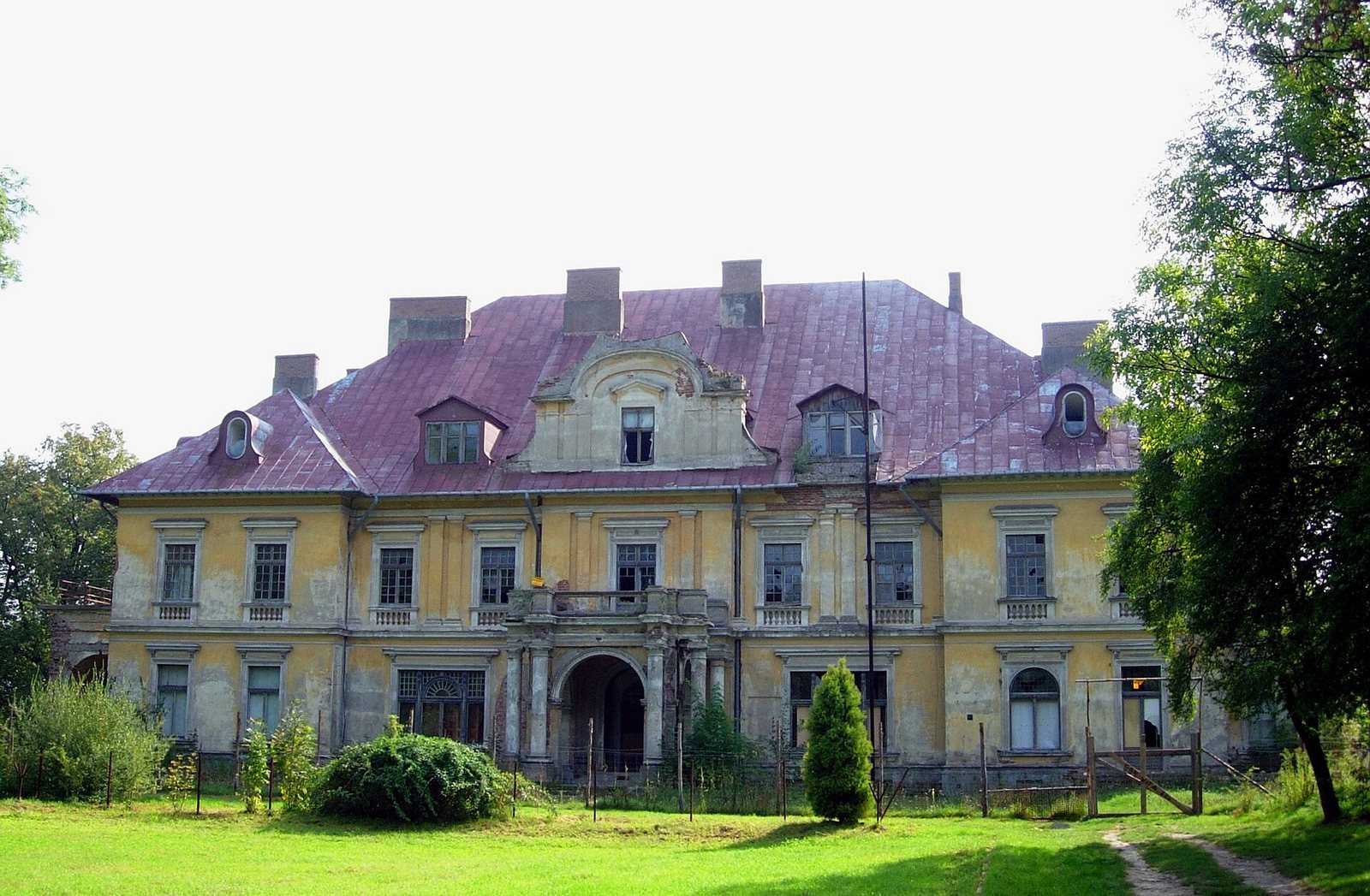
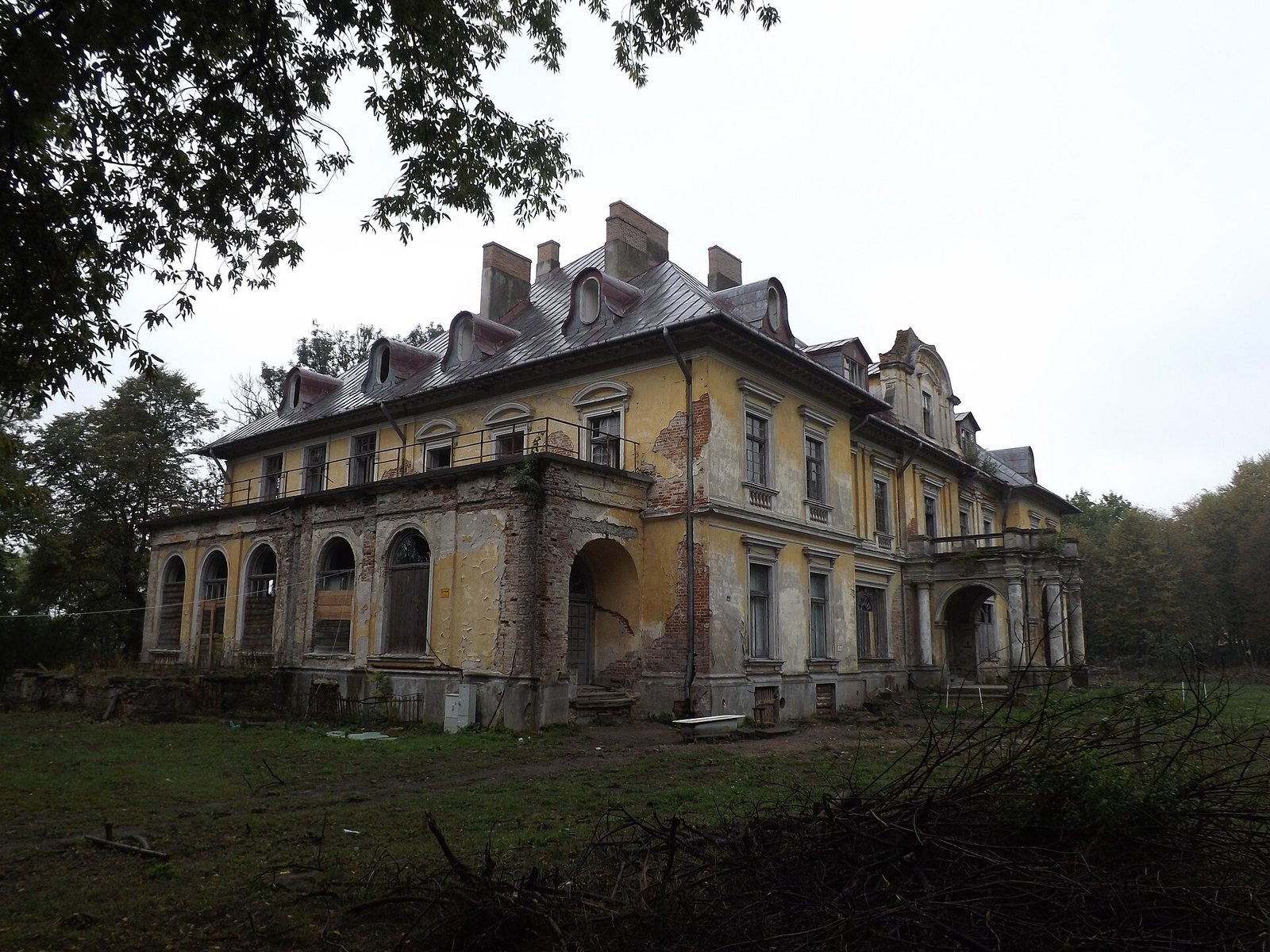
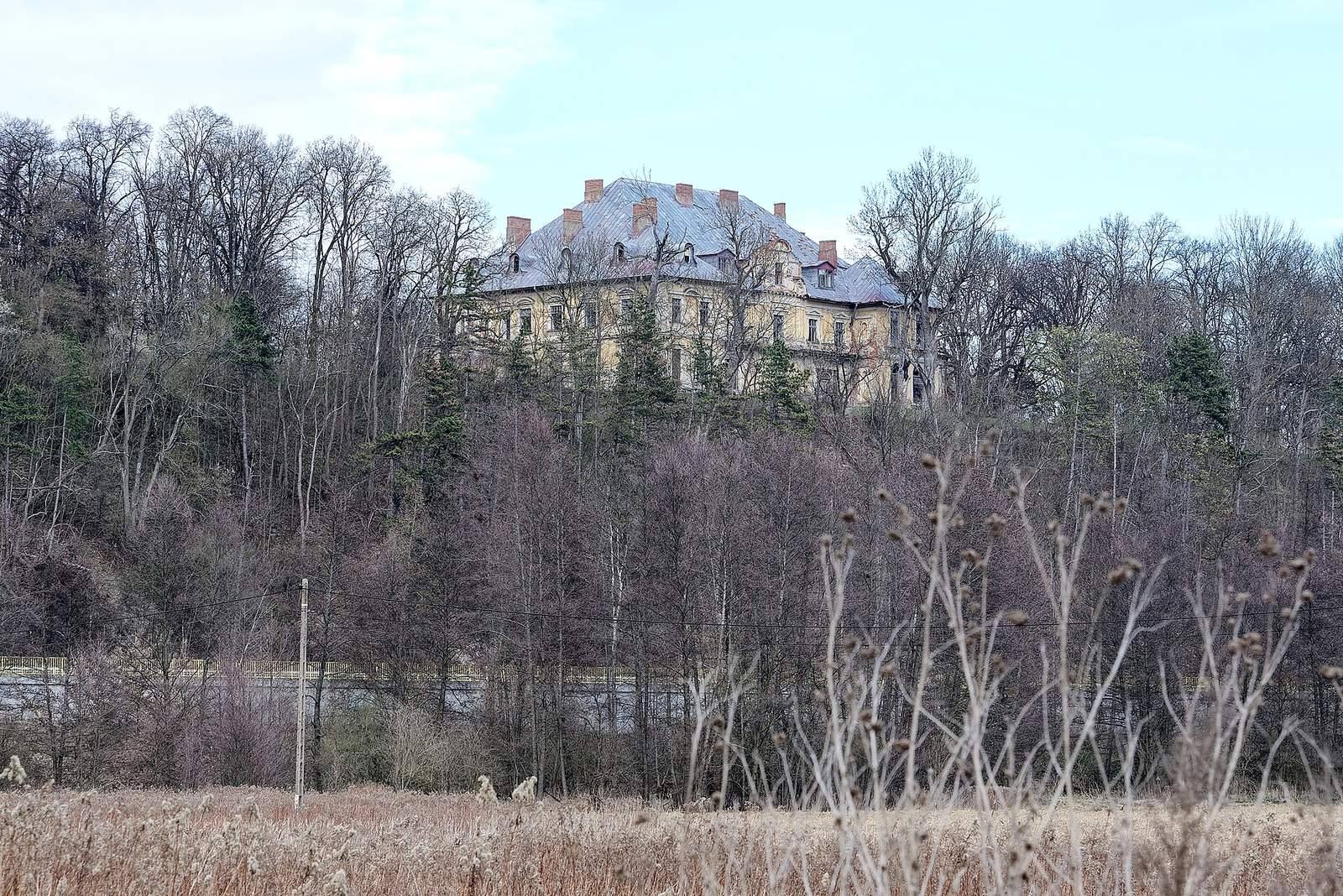
Bałtów Palace is a Neoclassical residence in Bałtów, Poland, built from 1894 to 1899 for the Drucki-Lubecki family by Prince Aleksander Drucki-Lubecki, a Polish aristocrat. Its Neoclassical architecture drew on forms associated with ancient Greek and Roman buildings, as well as Italian-style buildings.
War and postwar occupation
During the Second World War, German forces took many valuable objects from the palace. In August 1944, they drove out the Drucki-Lubecki family and quartered a battalion of 300 men in the building. After the family’s departure, the palace was plundered, and a fire destroyed part of its library, including material from the family archive.
Soviet soldiers occupied the palace in 1945 and used it for shooting practice. For several months that year, it also housed a Citizens’ Militia post. The Citizens’ Militia was Poland’s state police force in the postwar period.
School use and return to the family
An agricultural technical school moved into the palace in 1951. The school could not afford to restore it, and the building continued to deteriorate. The school eventually moved to a dormitory built in 1974. In early July 2014, the palace was returned to the family’s heirs, about 70 years after the family had been expelled.
Remains
The estate includes a rectangular Neoclassical palace, other historic buildings and a landscaped park surrounding the buildings.
Palace
The palace was originally three storeys high. After a fire in 1913, one storey was removed. An inscription above the entrance asks God to grant visitors whatever they wish for the family.
Estate grounds
Estate buildings
Two workers’ houses date to 1900, and a guardhouse was built in 1914. A separate building for a deep well contains a turbine, while the transformer station dates to 1925. These buildings are considerably better preserved than the palace.
Park
The landscaped park dates back to the seventeenth century and was completed in 1900. It covers about 10 hectares and surrounds the historic buildings.