Palazzo Bentivoglio in Gualtieri: A Renaissance Seat of Authority
Site at a Glance
- Popularity
- Medium
- Country
- Italy
- Primary era
- Early Modern
- Eras represented
- Early Modern
- Civilizations
- Unclassified
- Site type
- Civic
- Remains
- Palace
On this page6 sections
History
Palazzo Bentivoglio in Gualtieri is a Renaissance palace in Italy, commissioned as the seat of Cornelio Bentivoglio’s authority in the town. Designed in classical Renaissance forms, its construction began in the late sixteenth century.
From Este Rule to Bentivoglio
Gualtieri was under the influence of the Este, the ruling dynasty associated with the Duchy of Ferrara, from 1479 until 1567. That year, Alfonso II d’Este, duke of Ferrara, granted the territory as a fief, or estate held under a superior’s authority, to Cornelio Bentivoglio, a nobleman with the title of marquis. Bentivoglio commissioned the Italian architect and engineer Giovan Battista Aleotti to design a palace for his seat of authority in the town centre. Construction began using some material recovered when the old castle was demolished.
After Ippolito Bentivoglio came to power in 1594, he ordered the palace completed in classical Renaissance forms. The Bentivoglio family finished the building during the first decade of the seventeenth century.
Alterations and New Uses
The palace was enlarged in 1661. In 1751, part of the building was demolished and its material used to construct embankments against flooding from the Po. Toward the end of the eighteenth century, architect Giovan Battista Fattori designed a theatre for the palace’s left wing.
Remains
Façade and Entrance
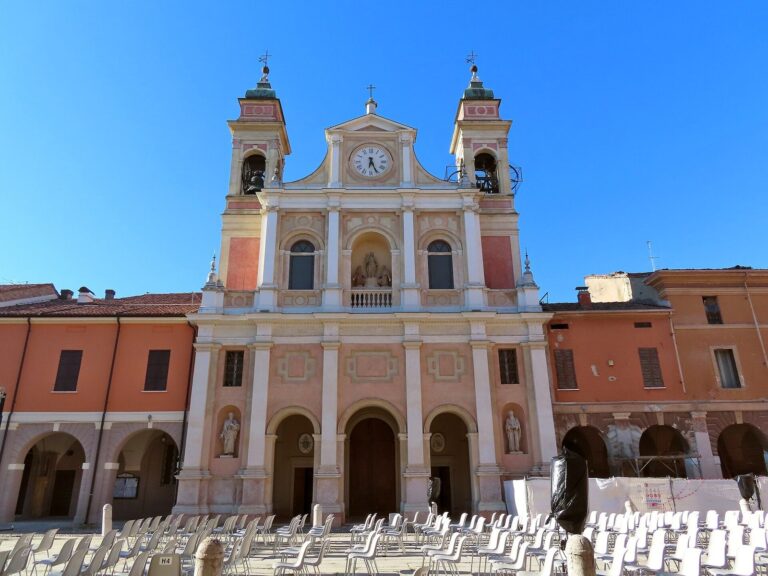
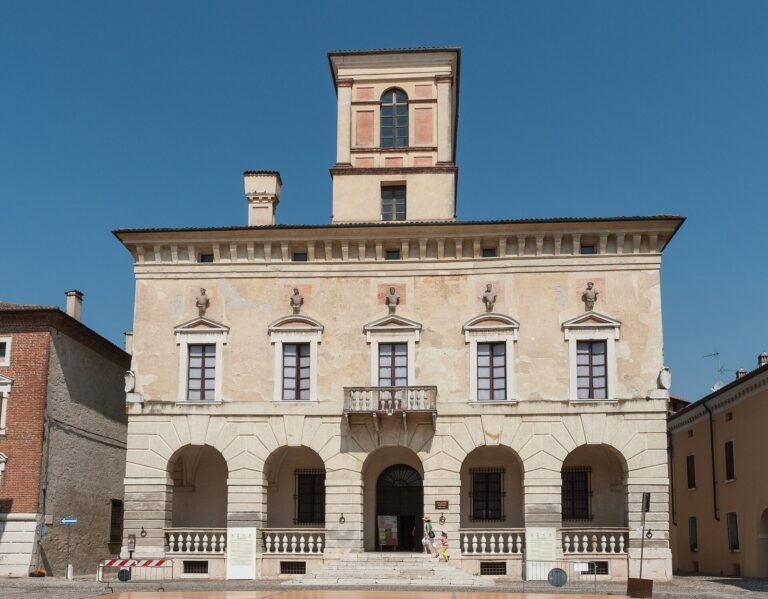
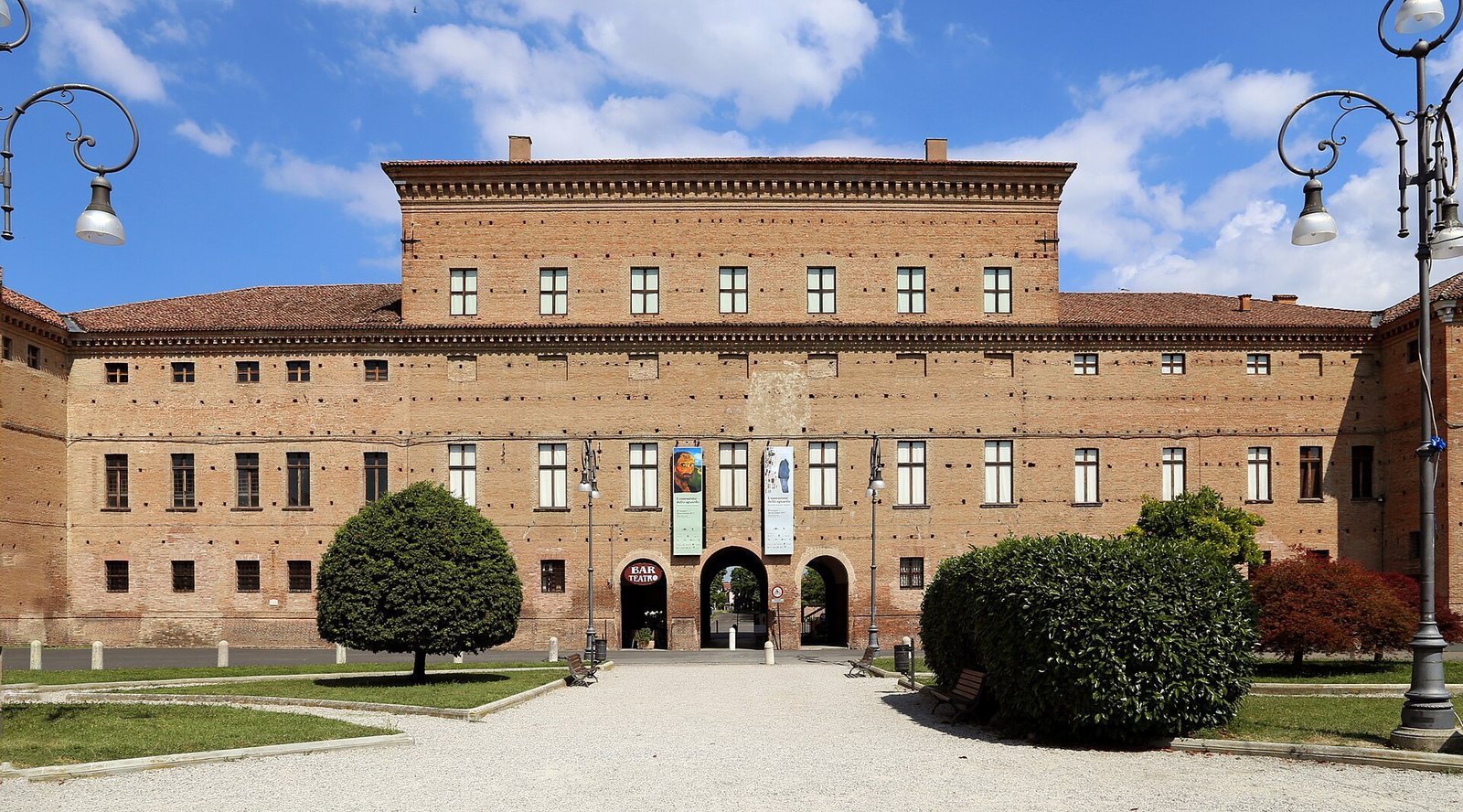
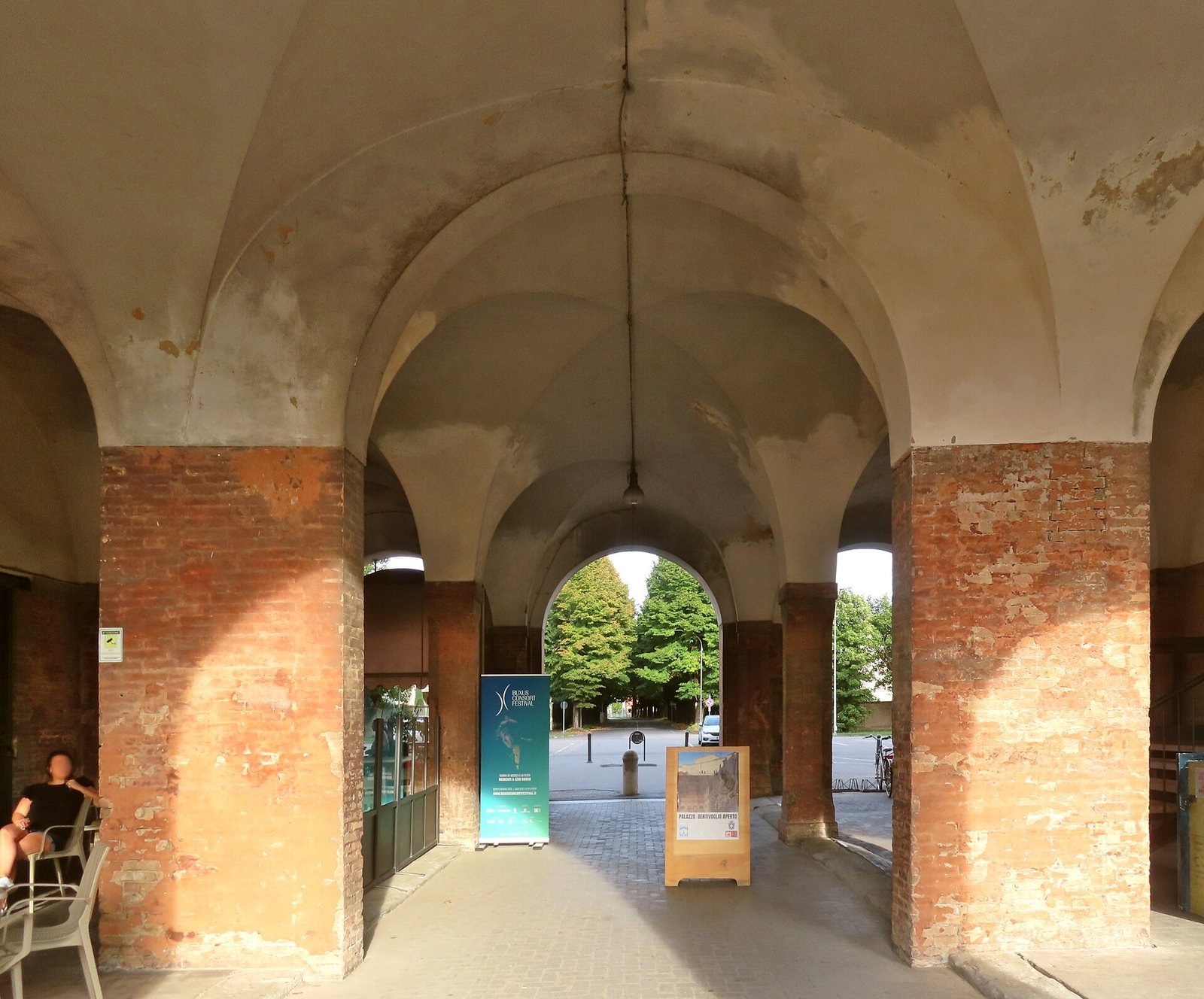
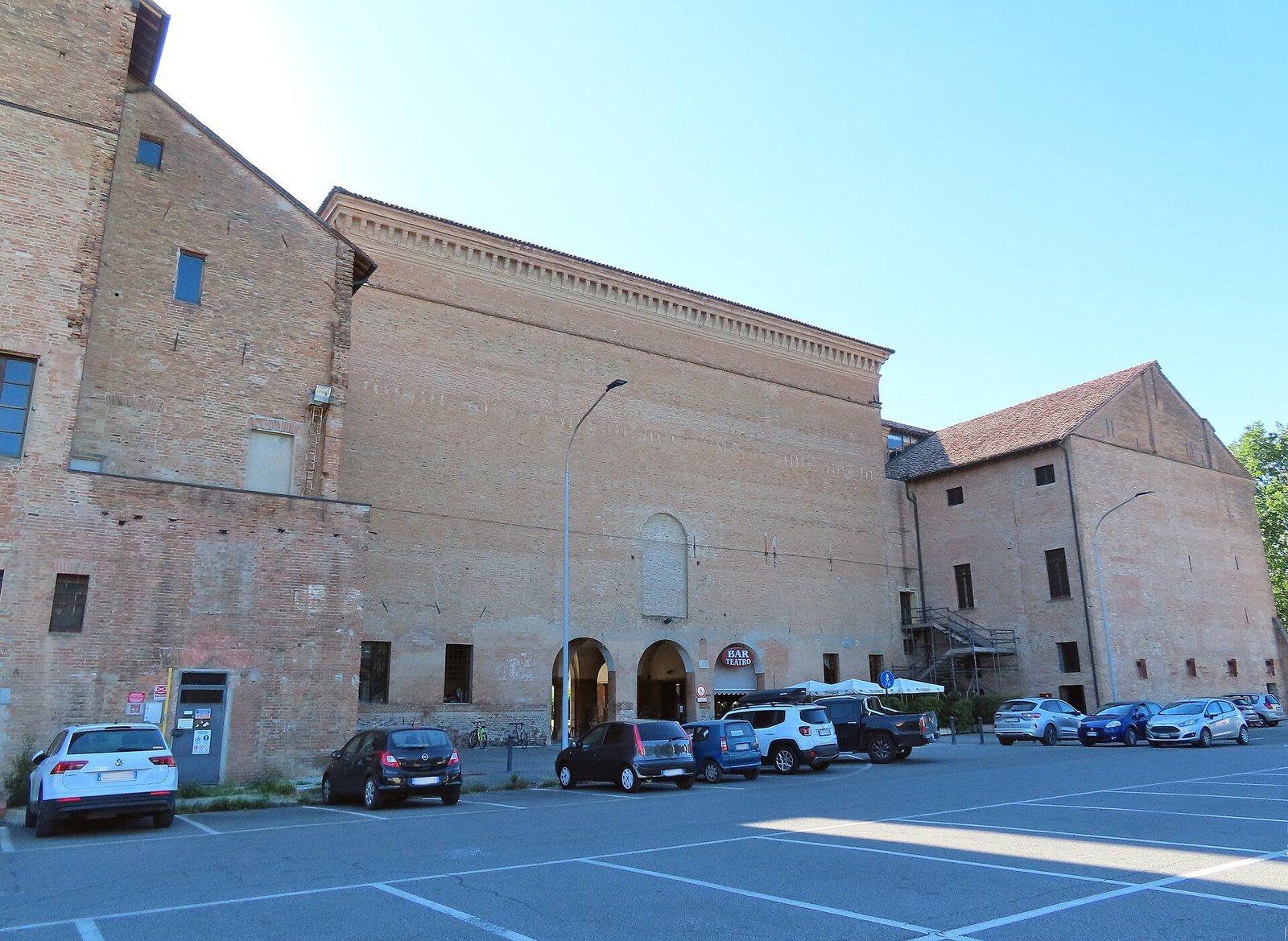
The palace stands on the square that bears its name. Its broad façade has two side sections resembling towers and a central block that rises more than one storey above the three-storey remainder. Three large porticoes form the entrance, with the central portico the largest. The left wing contains the theatre.
Frescoes and Collections
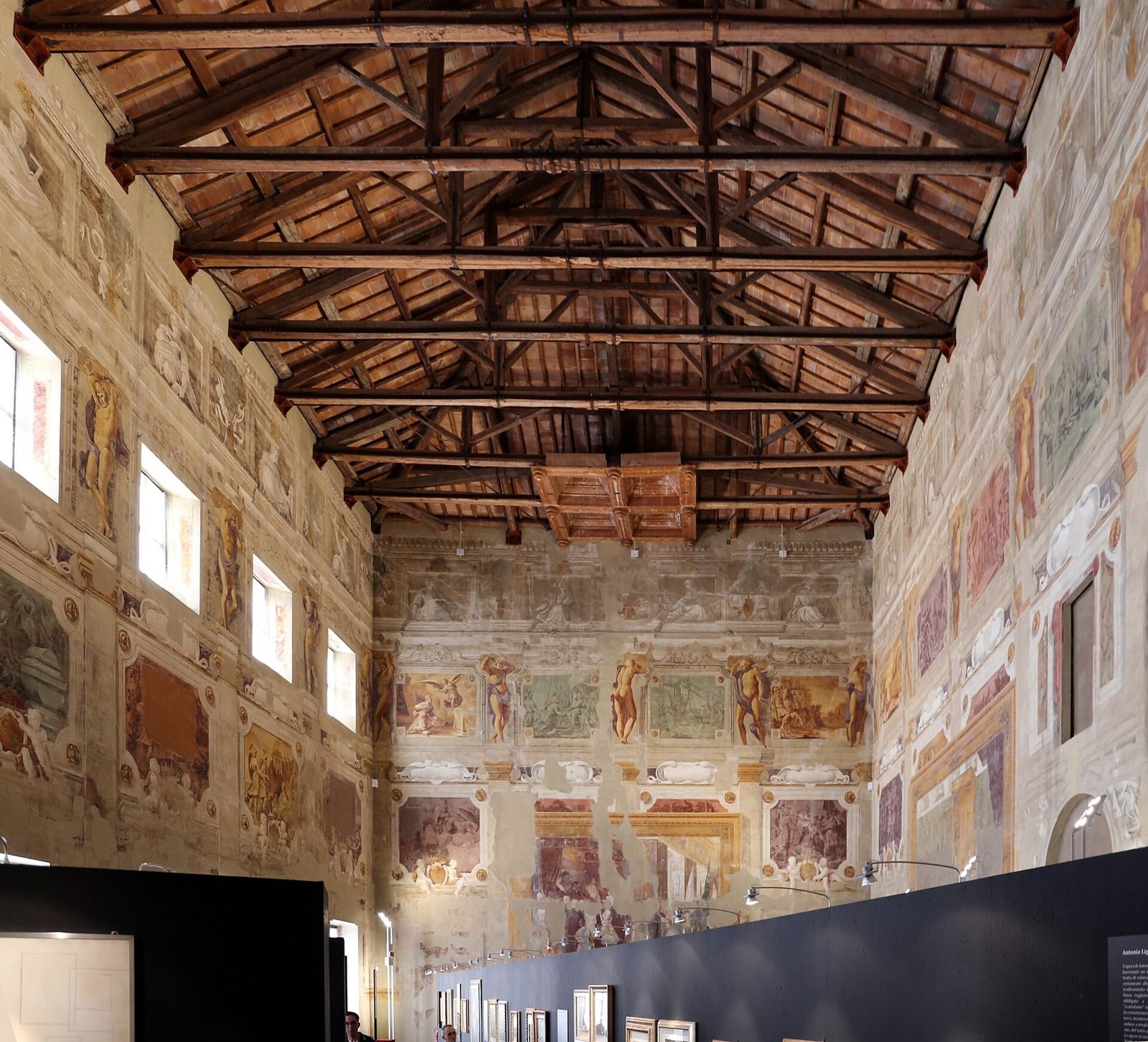
Frescoes depicting classical episodes decorate the interior rooms. The Hall of Giants is entirely covered with painted scenes from Jerusalem Delivered, the epic poem by Italian poet Torquato Tasso. The palace also houses works from the Umberto Tirelli Donation and the Antonio Ligabue Museum.