Bludov Chateau: A Czech Manor House and Family Residence
Site at a Glance
- Popularity
- Medium
- Country
- Czechia
- Primary era
- Early Modern
- Eras represented
- Early Modern
- Civilizations
- Habsburg, Habsburg Austria, Holy Roman Empire, Margraviate of Moravia
- Site type
- Domestic
- Remains
- Manor House
On this page7 sections
History
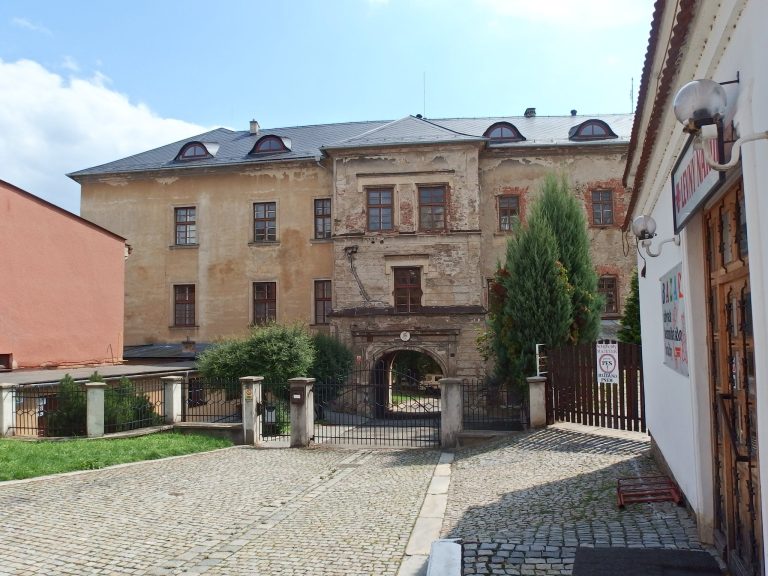
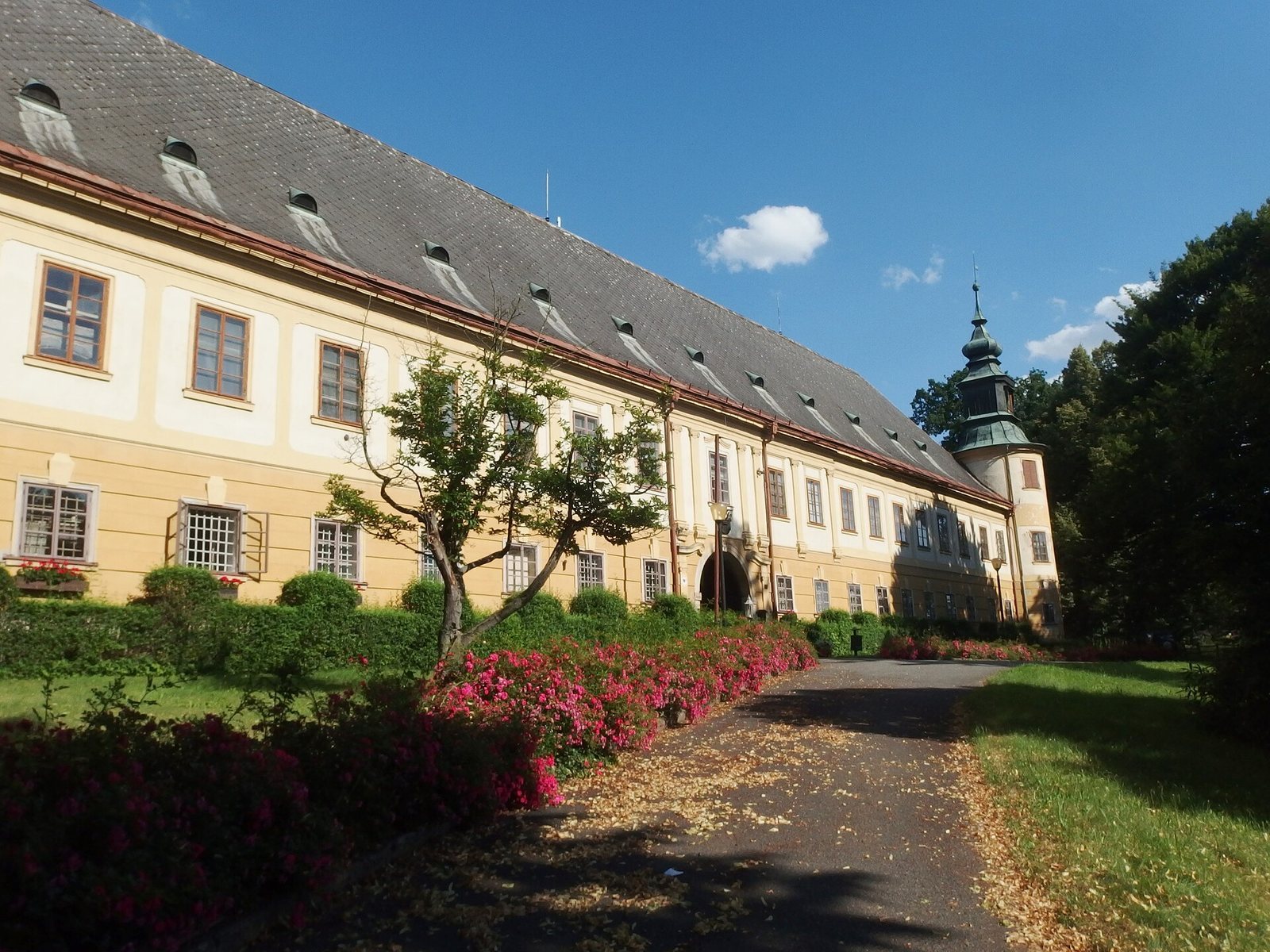
Bludov Chateau is a manor house in Czechia whose development began with a fortified stronghold, probably established around 1570 by Moravian nobleman Jan of Boskovice. Rebuilt over the following centuries, it became a Baroque manor incorporating late Renaissance elements.
From stronghold to manor
After the Battle of White Mountain in 1620, a major clash in the Bohemian Revolt between Habsburg and Bohemian forces, the manor was confiscated from its previous owners and given to Kryštof Pavel of Liechtenstein. He reshaped the stronghold as a late Renaissance residence, reducing its fortress character. Later rebuilding gave the manor Baroque forms.
Zierotin family residence
The Zierotin family acquired the manor in 1710. It became their permanent home in 1802, after Karel Ludvík sold Velké Losiny Castle amid financial difficulties. The family moved its library, picture gallery, archives, and weapon collection to Bludov.
Confiscation and return
During the Nazi occupation of Czech lands in the Second World War, the Czech-origin Zierotin family registered as German. The manor was confiscated from them in 1945. In 1950, the Regional National Committee in Brno restored Helena Žerotínová’s Czech citizenship, accepting that she had acted under pressure during the occupation.
Under the communist regime in Czechoslovakia, the manor housed a post office, library, and municipal office. Rooms were altered for these purposes without regard for the building’s historical character. In the 1990s, the property was returned to the Slovak branch of the family, the Mornstein-Zierotins. It serves as their residence and as the base for managing their estate.
Remains
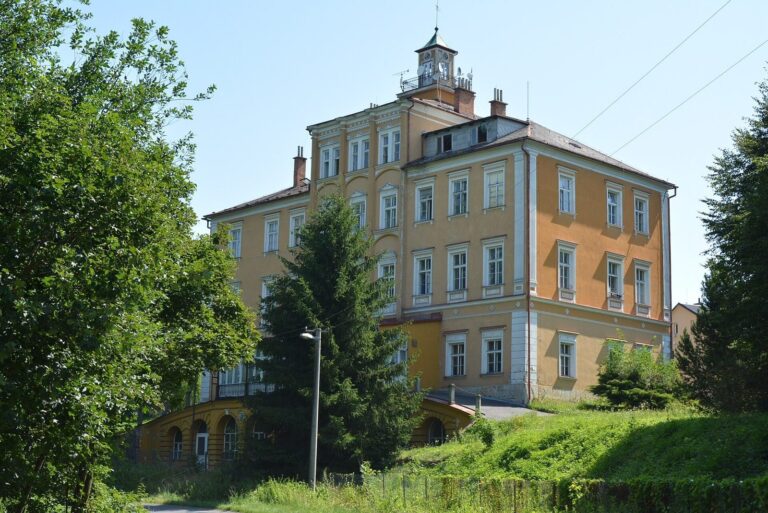
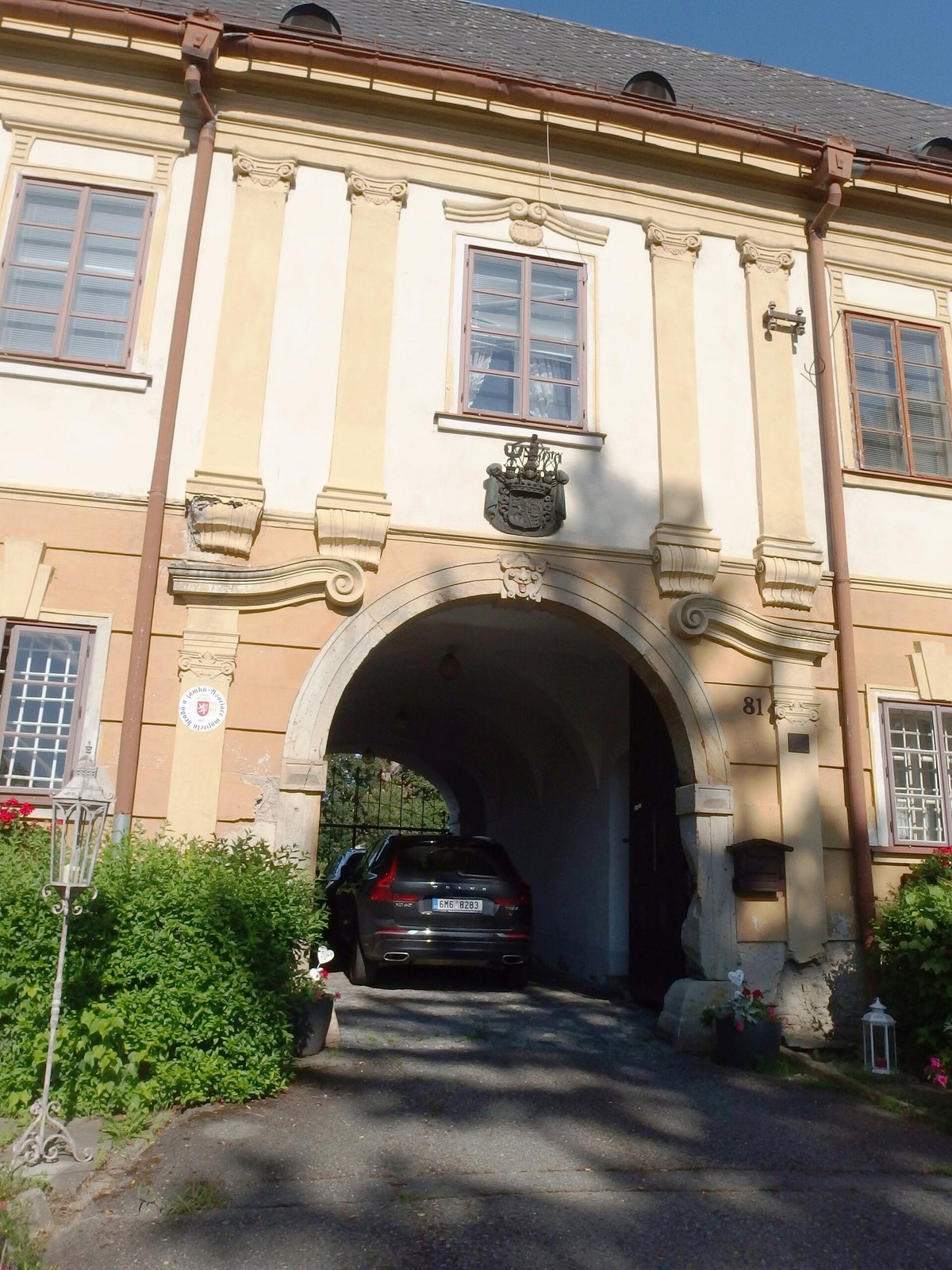
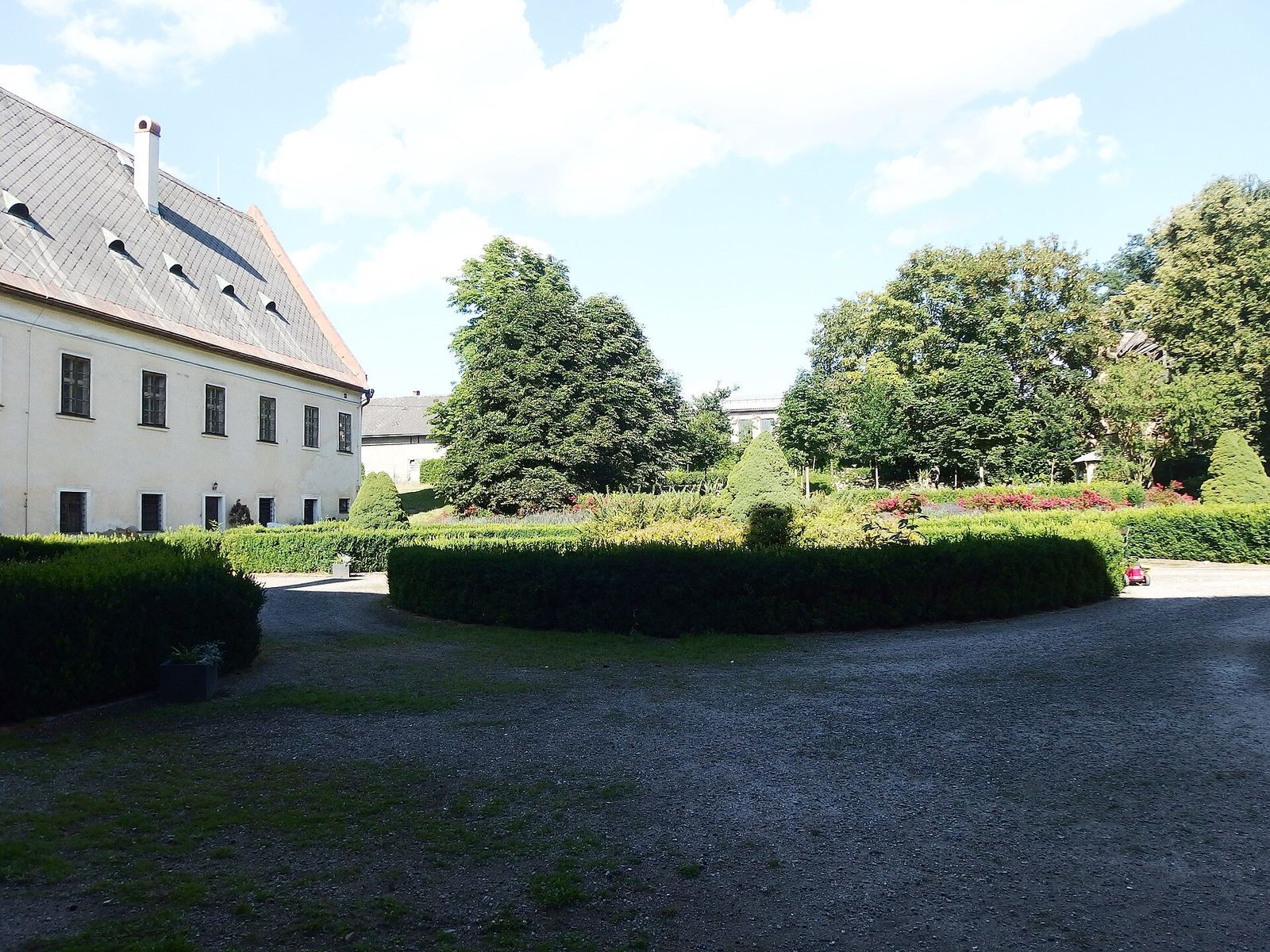
The manor’s architecture combines Baroque forms with late Renaissance elements. Its associated landscape includes a nearby English-style park, designed in a naturalistic rather than geometric manner.
Manor house
A Baroque hall within the manor is used for ceremonial occasions, including weddings and classical music concerts.
Park
The park contains valued exotic and ancient trees. Among them is a linden more than 600 years old.