Saint-Privat Castle: A French Historic Estate
Site at a Glance
- Popularity
- Medium
- Country
- France
- Primary era
- Early Modern
- Eras represented
- Medieval, Early Modern, Modern
- Civilizations
- French
- Site type
- Domestic
- Remains
- Castle
On this page9 sections
History
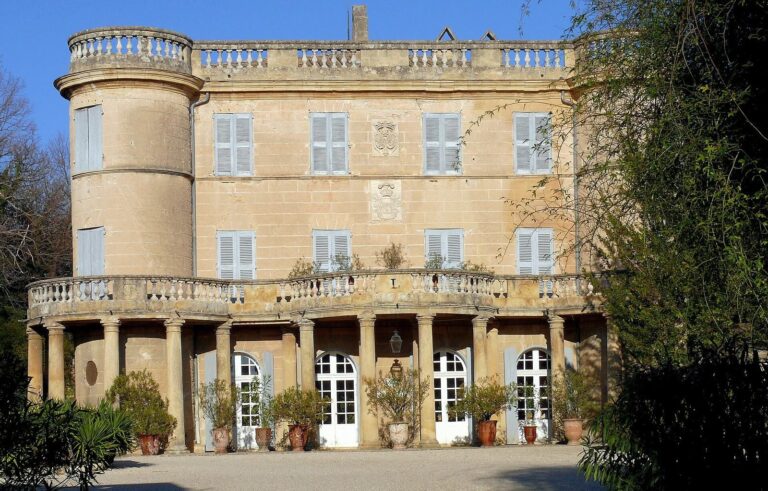
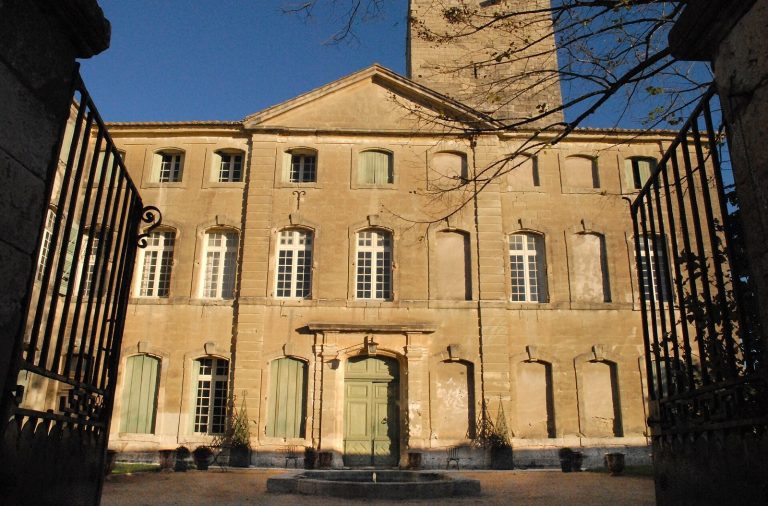
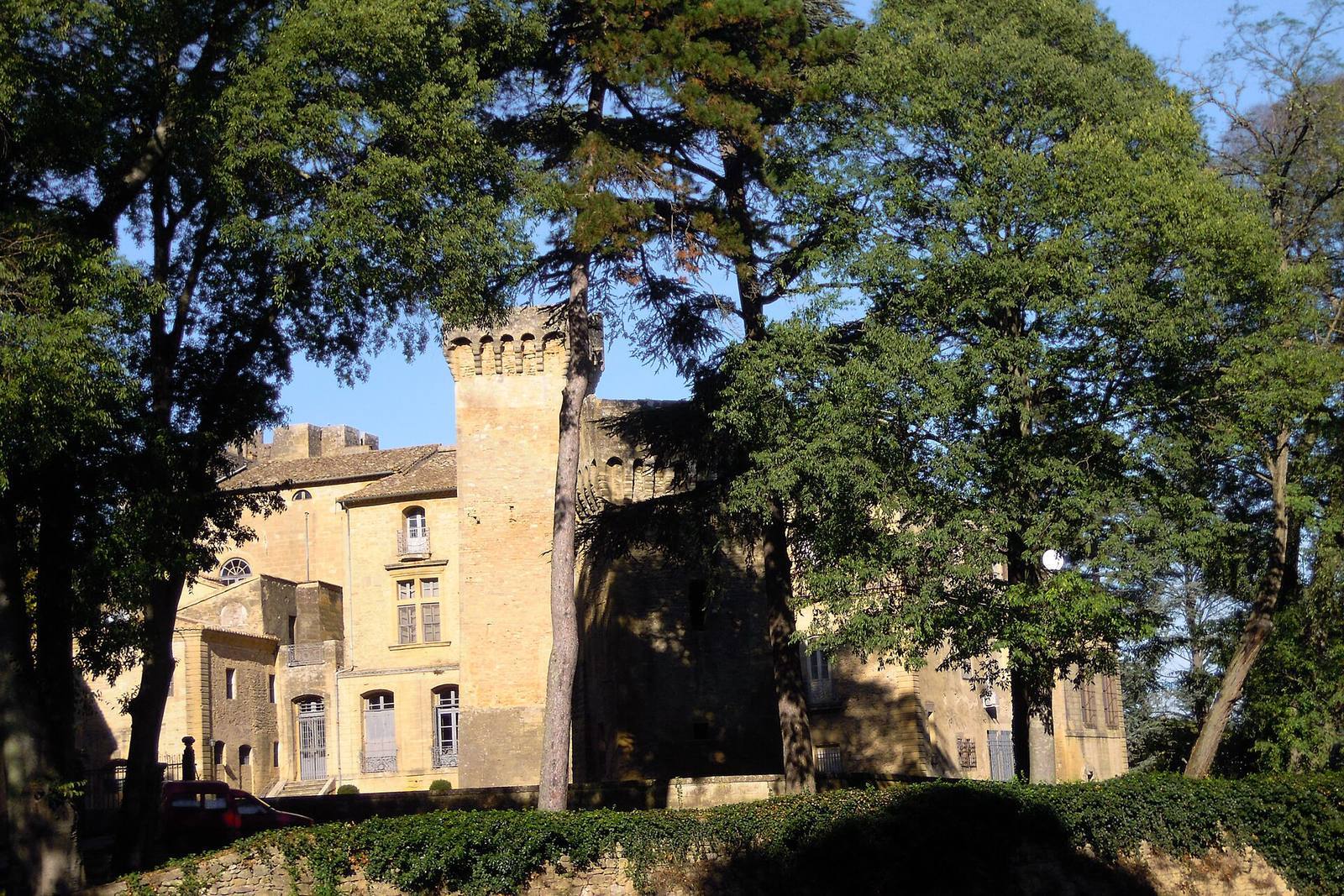
Saint-Privat Castle is a château in France, built on a site where a Gallo-Roman villa once stood and a fort was established in the 12th century. The Gallo-Roman period was shaped by Roman rule and culture in Gaul. The estate later passed through several hands, while the House of Crussol, associated with the dukedom of Uzès, held long-standing superior authority over it.
The Faret and Calderon ownerships
The Faret family owned the estate from 1451 to 1865. Jules-Marie-Henri de Faret de Fournès was among its owners, and substantial changes to the property took place during this long period. Thomas Calderon then held the estate from 1865 to 1916. He was a descendant of the 17th-century Spanish playwright Pedro Calderón de la Barca.
Jacques Rouché and the 20th century
Jacques Rouché acquired the estate in 1916. An arts administrator who had directed the Paris Opera, he later led the Réunion des Musées nationaux, a public institution supporting France’s national museums. Rouché redesigned the gardens and, in 1922, commissioned his friend Georges Desvallières to decorate the chapel.
The château was entered on the historic-monument list in 1992 and classified in 1995.
Remains
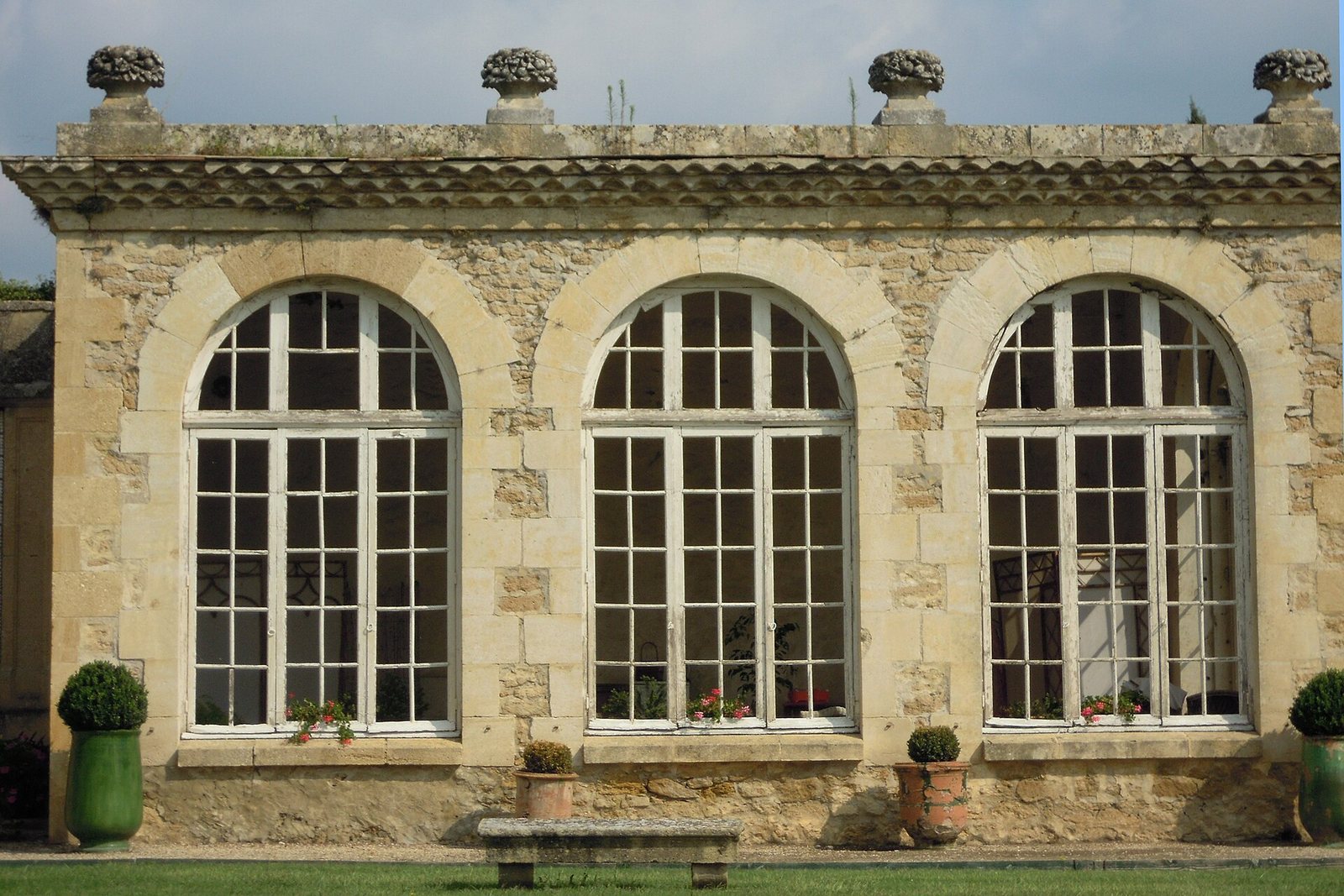
The estate brings together traces of its earlier occupation, a chapel, gardens, greenhouses and the Balauzière grotto. Its surviving features reflect successive periods of development, including changes to the gardens in the 19th and 20th centuries.
Roman and medieval remains
The château stands on the site of a Gallo-Roman villa. A few remains of the 12th-century fort also survive, providing physical evidence of the estate’s medieval phase.
Gardens and grounds
Formal garden and fountain
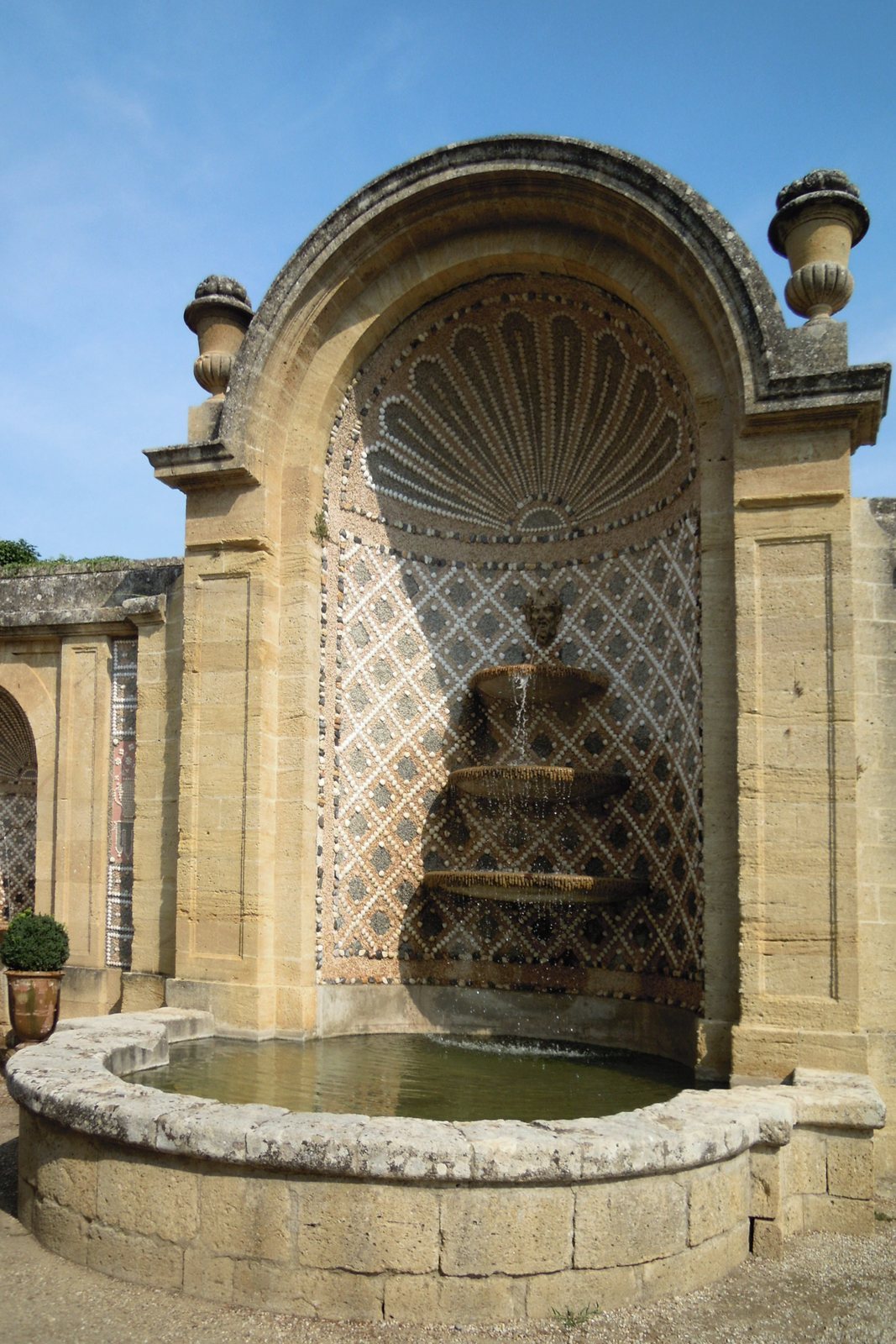
In the 19th century, the gardens were recreated, and the estate’s greenhouses date from that work. Rouché later replaced the kitchen garden with a French formal garden, a planned design based on ordered, often symmetrical arrangements. Its design reflected contemporary tastes and the influence of French landscape architect Achille Duchêne. Rouché also installed an ornamental fountain modeled on one at La Mogère in Montpellier.
Greenhouses and Balauzière grotto
The greenhouses form part of the estate’s garden features, alongside the Balauzière grotto.
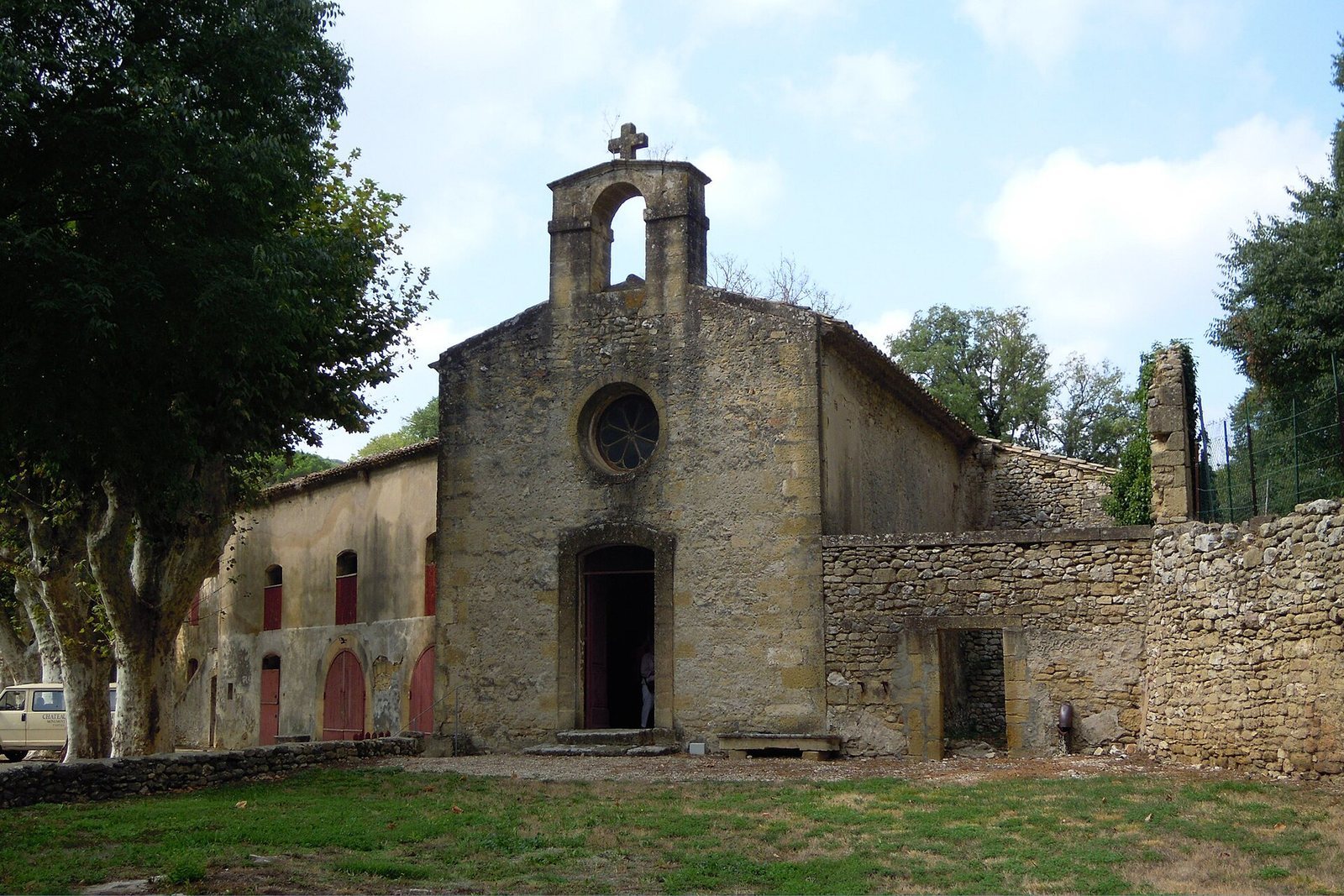
Chapel
The small chapel dates to the 18th century. Its decoration includes Georges Desvallières’s oil paintings on canvas, mounted on a supporting surface. The paintings express his interpretation of sacrifice during the First World War.