Brunicki Palace in Pidhirtsi: A Noble Family Residence
Site at a Glance
- Popularity
- Medium
- Country
- Ukraine
- Primary era
- Early Modern
- Eras represented
- Early Modern, Modern
- Civilizations
- Austrian Empire, Habsburg, Polish–Lithuanian Commonwealth
- Site type
- Domestic
- Remains
- Elite Residence
On this page9 sections
History
Jabłonowski and the palace’s beginnings
Brunicki Palace is a country residence in Pidhirtsi, Ukraine. Józef Aleksander Jabłonowski, a Polish-Lithuanian nobleman, inherited the estate from his father and probably began building a new palace there in 1734. He also laid out the surrounding park.
Brunicki ownership
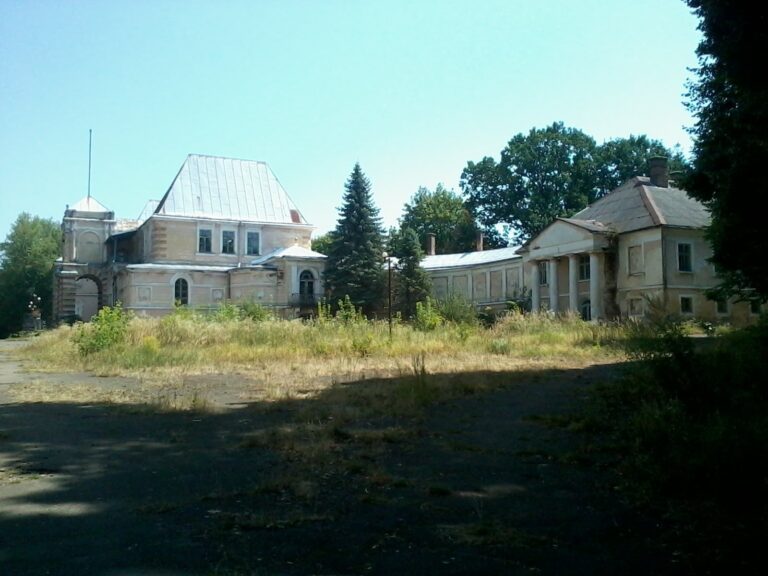
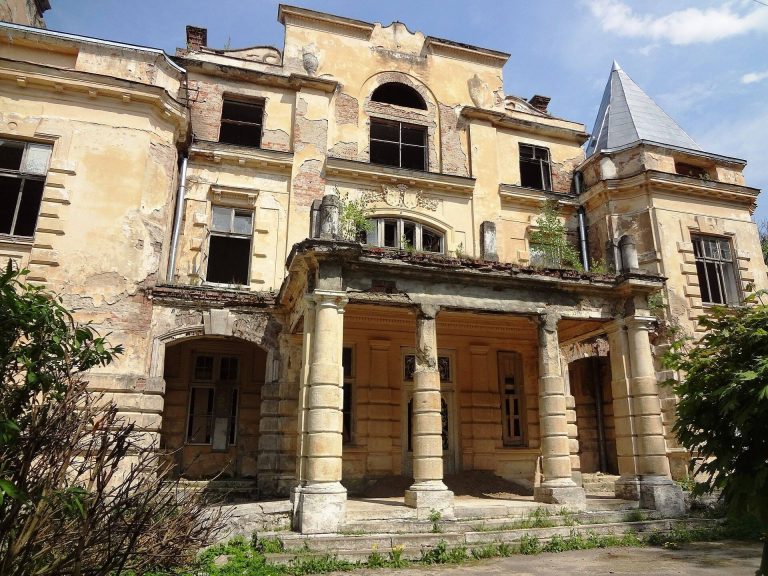
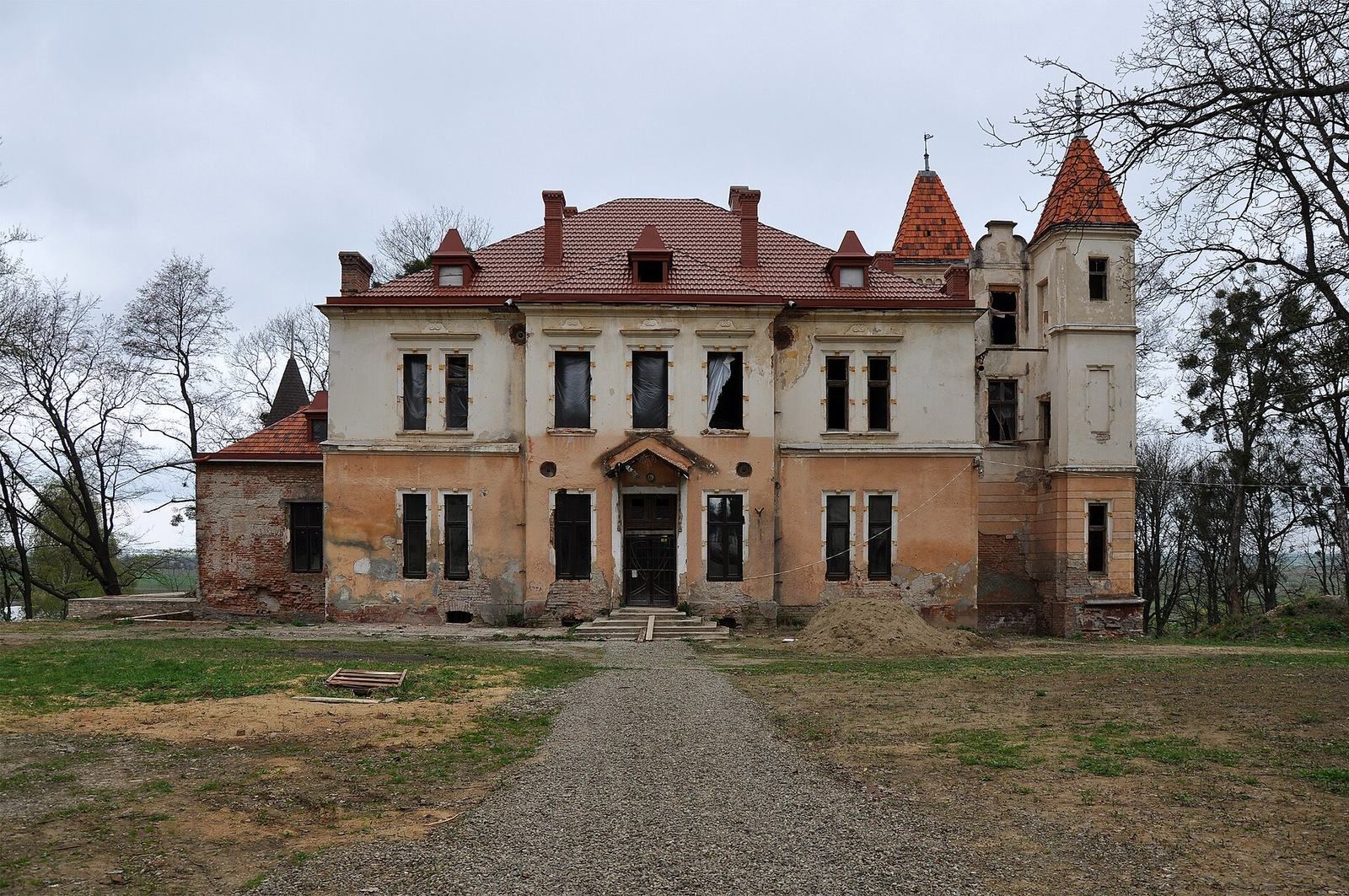
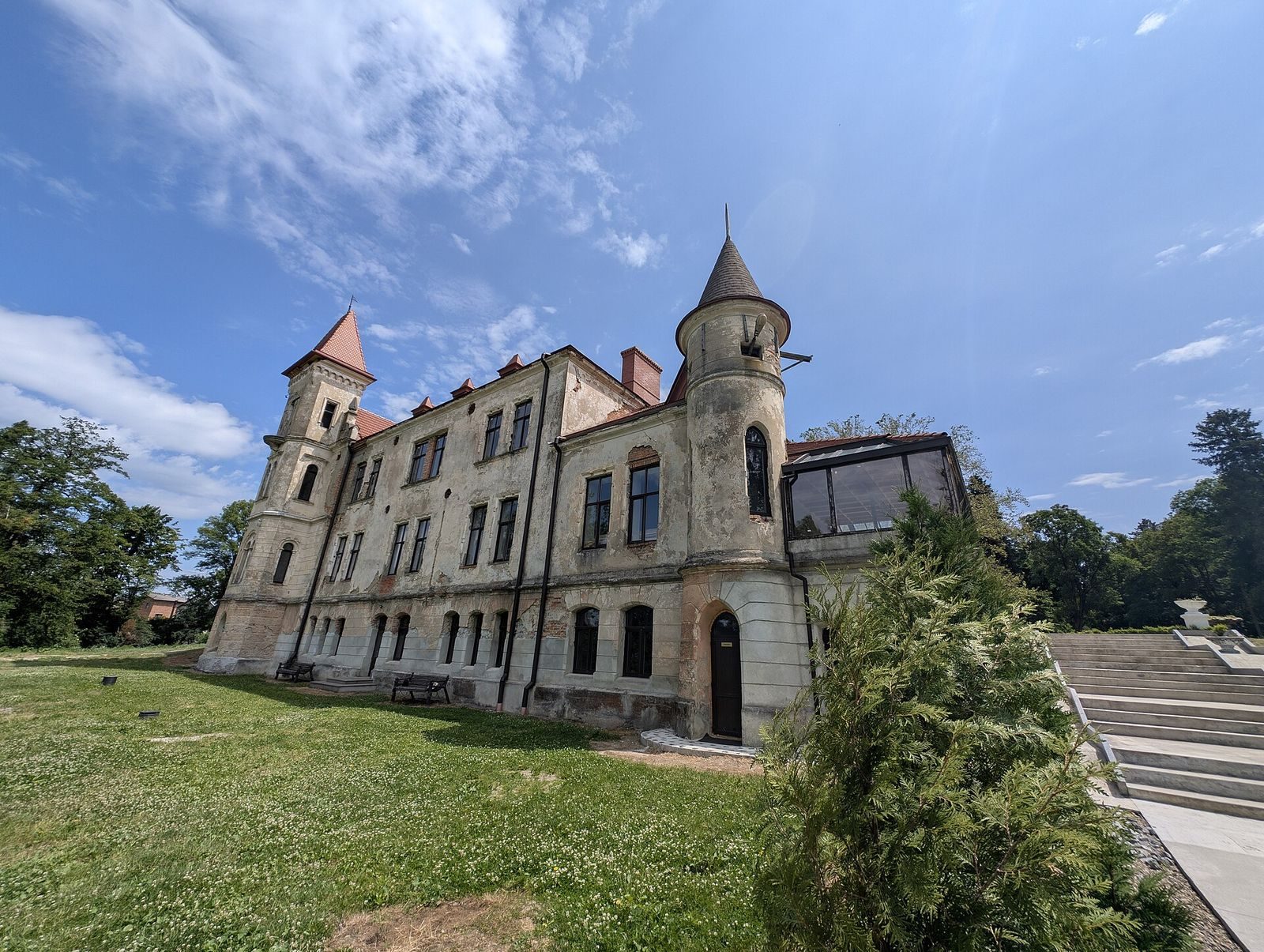
After the estate passed through several owners, Baron Józef Brunicki bought it in 1817. He had the palace reconstructed, retaining parts of the earlier building while adding new wings and three towers, and improved the grounds. The palace became a home for the Brunicki family and their guests, while servants lived on the estate.
Wartime damage and restoration
During the First World War, fire destroyed the palace roof, most of its collections were lost, and Russian artillery units occupied rooms in the building. The palace has since been partly restored but still needs substantial repair. The surrounding park is recognized as an 18th-century landscape-architecture monument.
Remains
Palace
Building and rooms
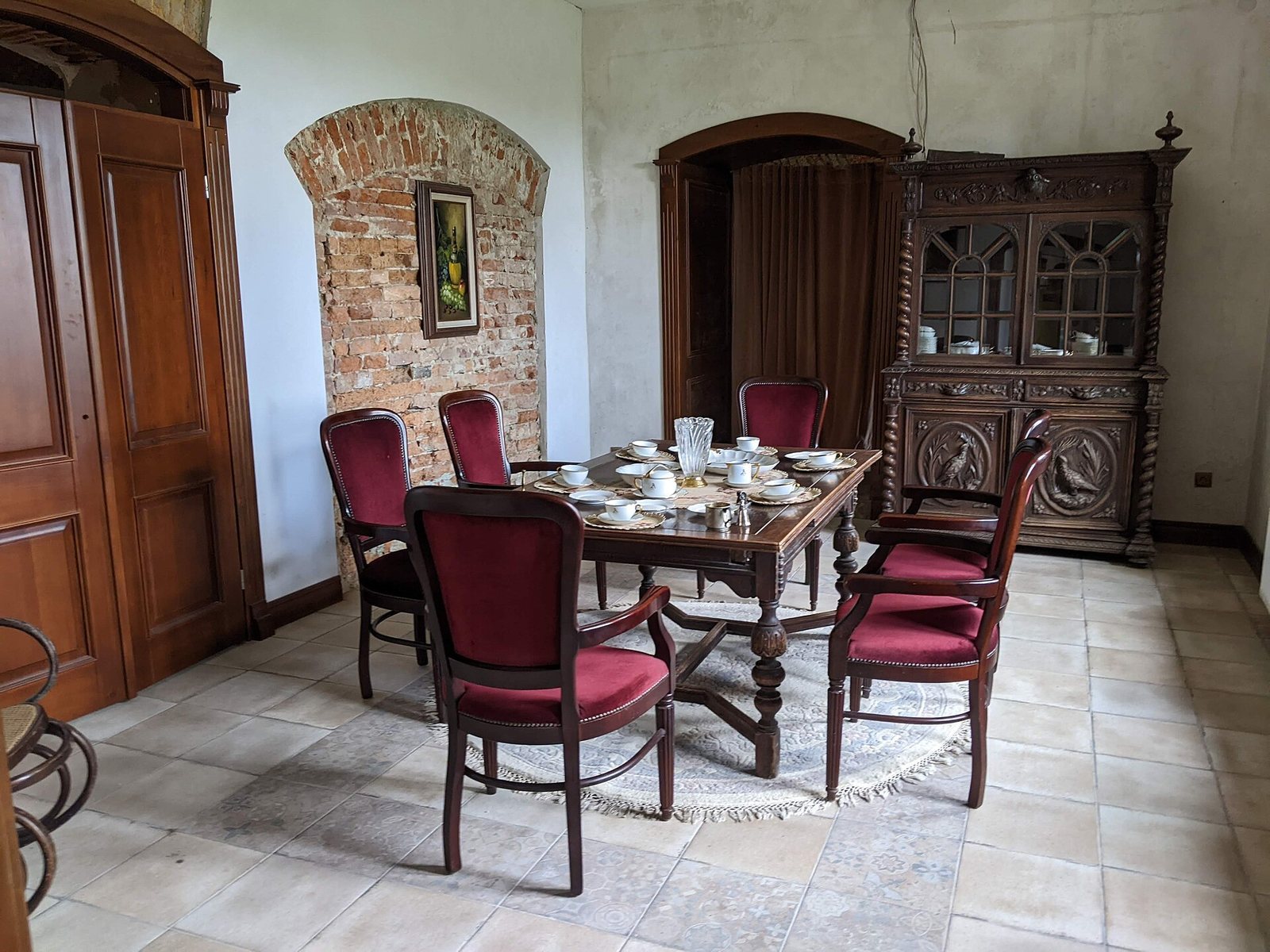
The palace stands on a slope within an arboretum, a park for cultivating and displaying trees, that covers more than eight hectares. Its reconstruction under Brunicki incorporated surviving parts of the earlier building and added wings and three towers. The ground floor held a hall and vestibule, a salon, the baron’s study, a boudoir, rooms for children and games, a bathroom, servants’ quarters, and two additional living rooms. Three rooms on the second floor were for the family and three for guests.
Interior furnishings
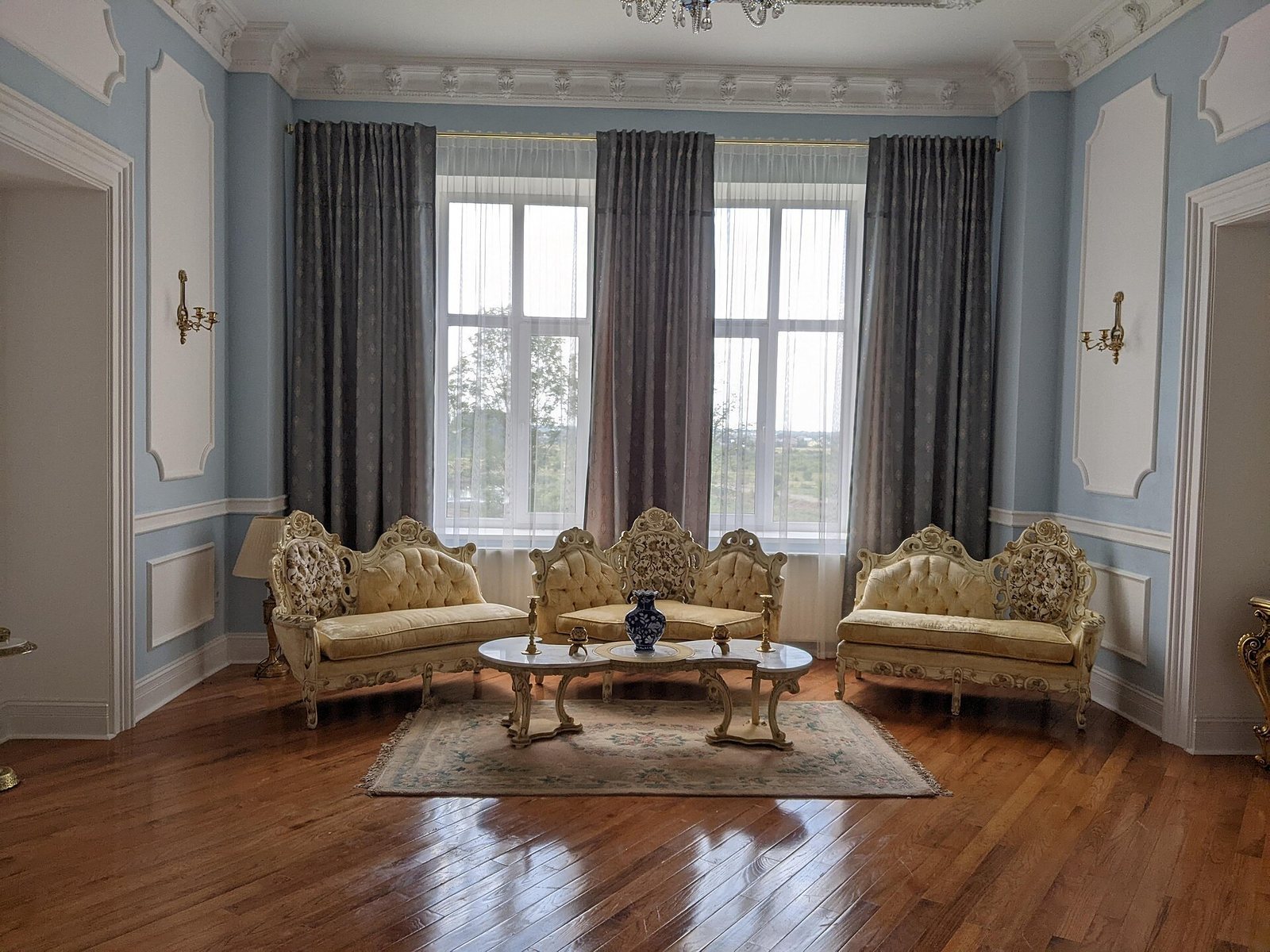
Before 1914, elegant furniture, paintings, and candlesticks furnished and decorated the interiors. Most of the palace’s collections were lost during the First World War.
Park
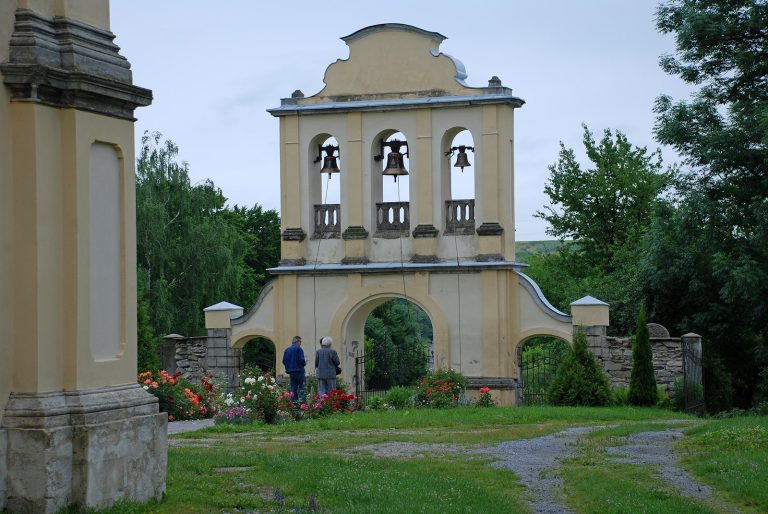
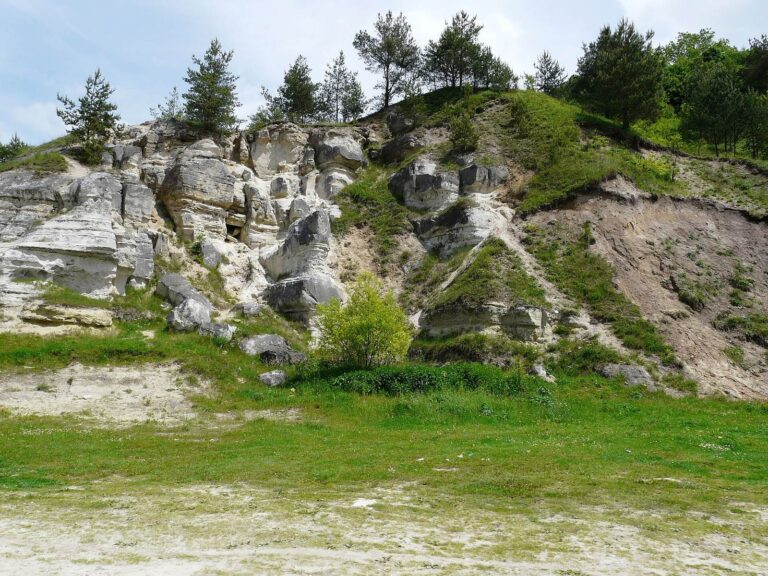
The partly neglected grounds contain almost 300 species of rare trees brought from around the world. Surviving features include a plane tree, a hornbeam avenue, a summer rotunda, and a pond.