Fort de la Repentance: A French Coastal Fort on Porquerolles Island
Site at a Glance
- Popularity
- Medium
- Country
- France
- Primary era
- Modern
- Eras represented
- Modern
- Civilizations
- French
- Site type
- Military
- Remains
- Fort
On this page6 sections
History
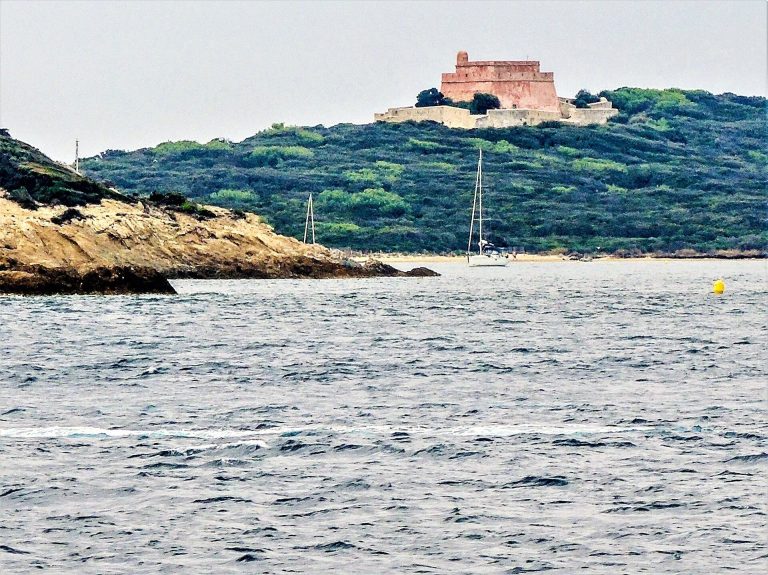
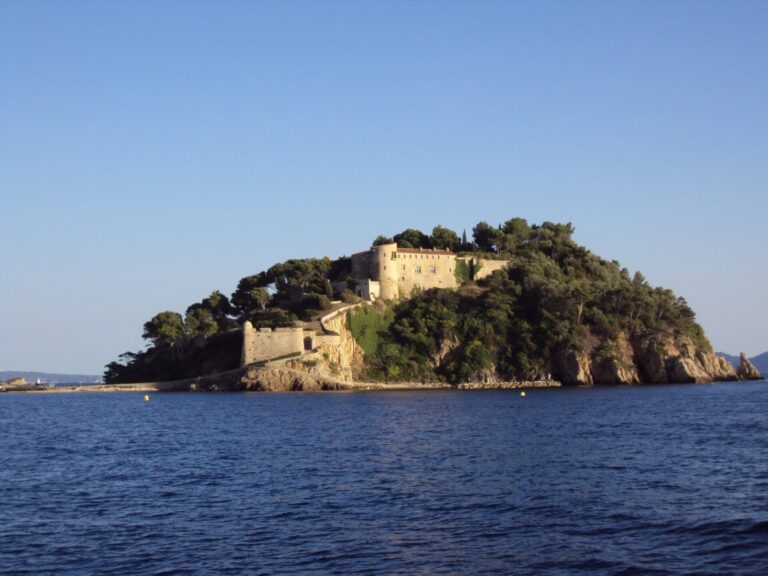
Fort de la Repentance is a French coastal fort on Porquerolles Island, in the commune of Hyères, France. French military engineers began building it in 1882 as part of plans to prevent enemy landings and protect nearby anchorages.
Coastal defense planning and construction
In 1859, Millot, a battalion commander in the engineers, argued that an enemy controlling Porquerolles and Port-Cros could use their roadsteads, sheltered anchorages, to establish depots, stores, and hospitals. He called for defenses to prevent landings on the islands and the peninsula. A coastal-defense committee formed in 1872 under General Séré de Rivières, a French military engineer associated with a wider system of French fortifications, proposed a fort on Porquerolles in 1874. Clearing and surveying at Repentance began in 1880.
The proposal was confirmed in 1881, with approval signed on 24 August. The original plan called for nine 190 mm guns to cover the Porquerolles roadstead and the southern part of the Hyères roadstead. Construction began in 1882 under Captain Marinier and continued in 1883. The plans were revised to provide two semi-underground batteries, one to the north and one in the center.
Changing defenses and later use
The arrival of the torpedo shell in 1885, a steel projectile filled with chemical explosive, raised doubts about the effectiveness of fortifications. A separate battery was built at Repentance in 1888. In 1894, work began on excavating powder magazines beneath the rock in both batteries.
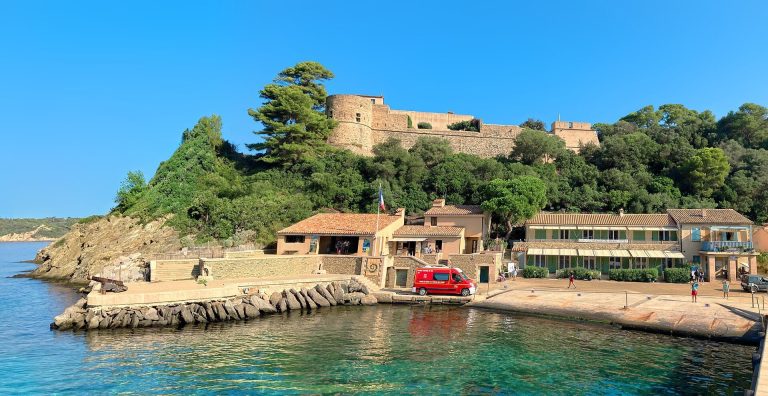
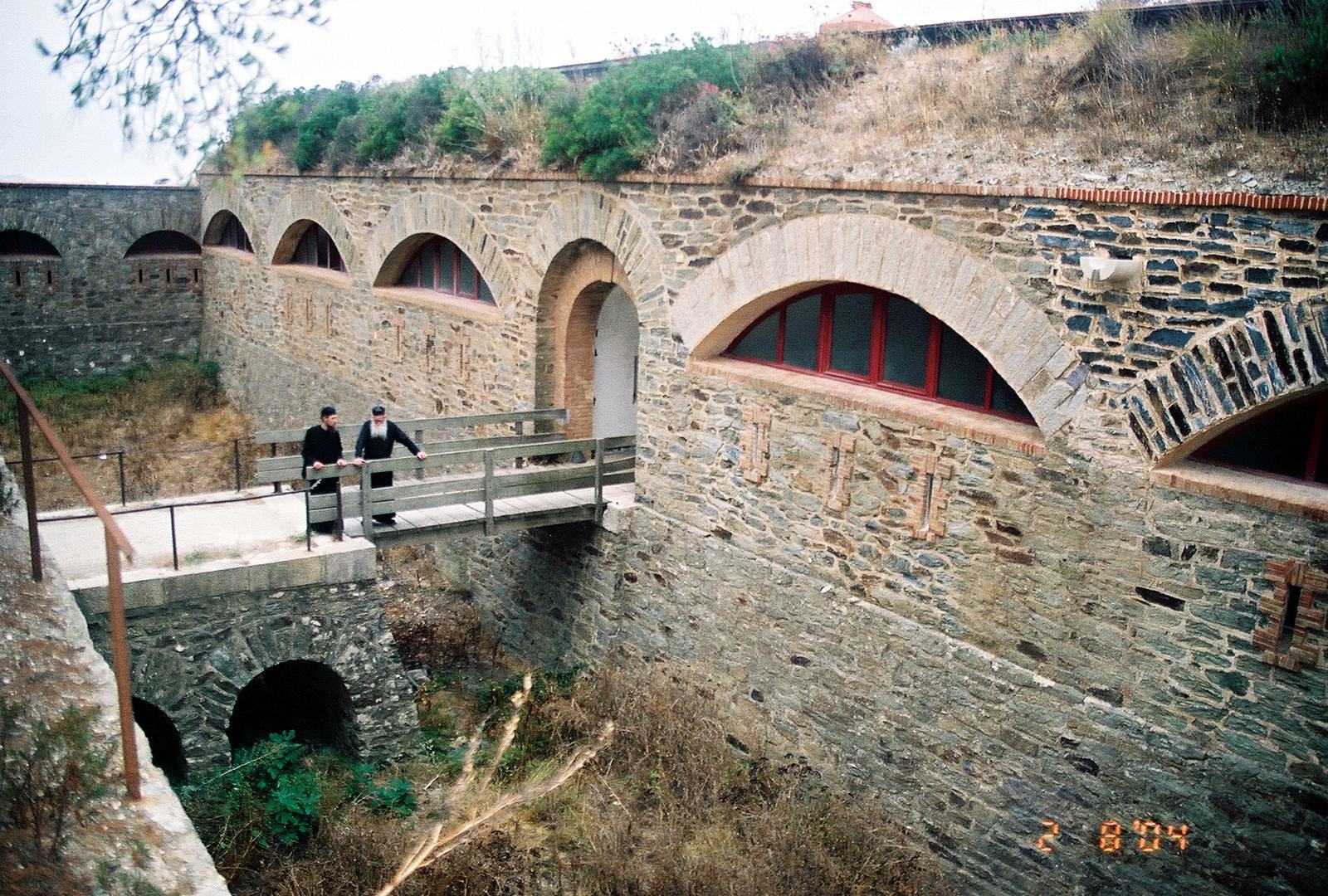
France listed the fort as a historic monument on 20 January 1989, a form of legal heritage protection. The French state owns it, and it lies within the protected area of Port-Cros National Park. A Romanian Orthodox community, part of the Eastern Orthodox Christian tradition and associated with the parish of John Cassian in Aix-en-Provence, took over the fort for monastic use. It became the Monastery of Saint Mary of the Desert, with Saint Mary referring to the Virgin Mary. Father Vasile, successor to Father Séraphin, represented the community as it undertook restoration work.
Remains
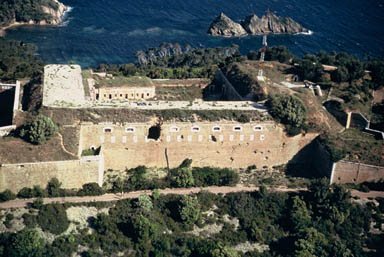
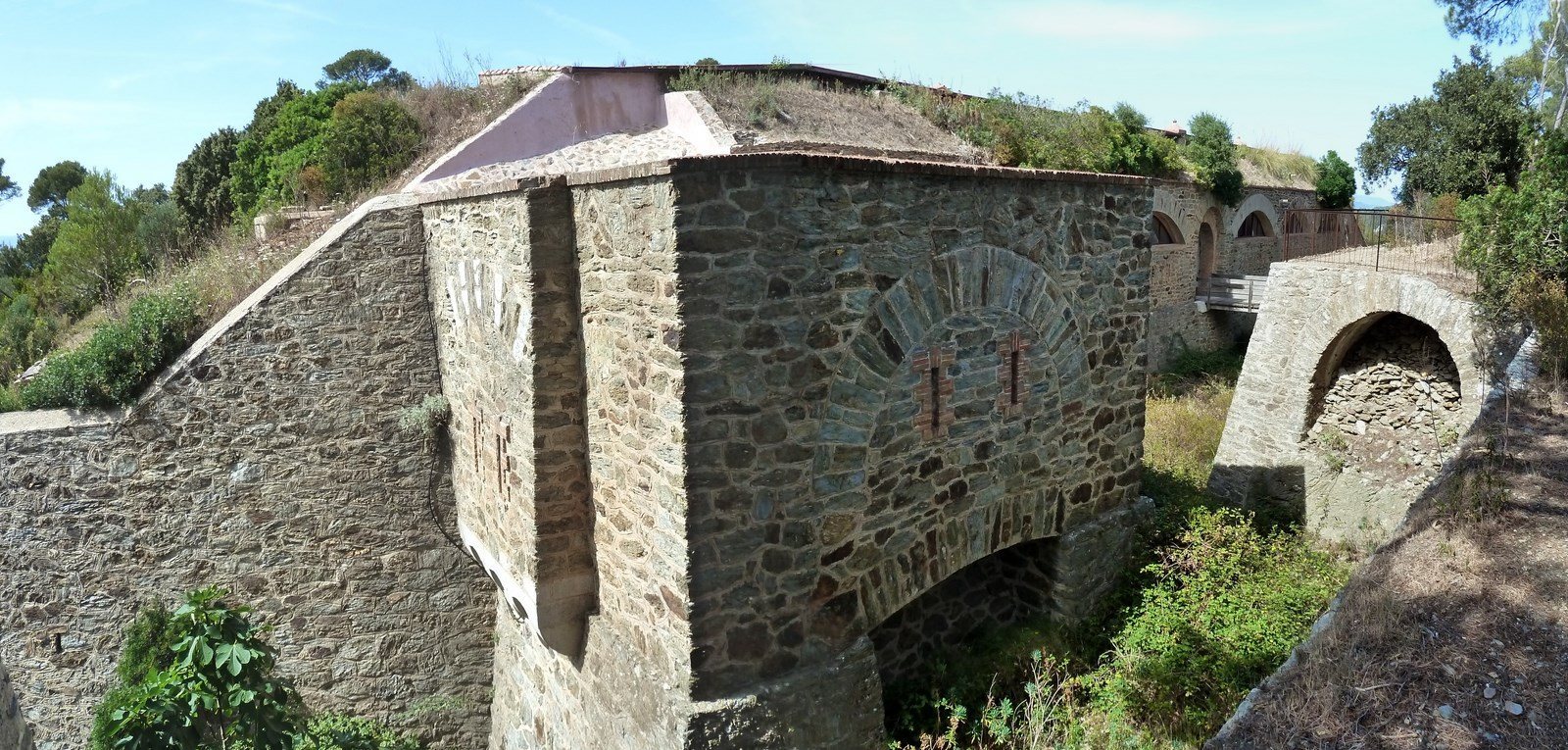
The fort’s principal defenses are two enclosed, semi-underground batteries, one to the north and one centrally placed, with a separate battery added in 1888. Small bastions flank the ditches around each of the two main works, a defensive arrangement intended to address the position’s isolation.
The northern and central batteries
Each of the two principal batteries was designed to hold four 240 mm guns. The central battery contained a traverse shelter, a protective structure within a fortification, and served as the living base for the position. Its facilities included an underground powder magazine, a kitchen-cistern, and a bakery. Excavation of powder magazines beneath the rock in both batteries began in 1894.
The 1888 battery
The separate battery built in 1888 had six positions for 95 mm coastal guns. These positions were constructed using masonry and reinforced concrete.