Olomouc Crownwork: A Baroque Fortification in Czechia
Site at a Glance
- Popularity
- Medium
- Country
- Czechia
- Primary era
- Early Modern
- Eras represented
- Early Modern, Modern
- Civilizations
- Habsburg, Habsburg Austria, Holy Roman Empire, Margraviate of Moravia
- Site type
- Military
- Remains
- Fort
On this page9 sections
History
Construction and military use
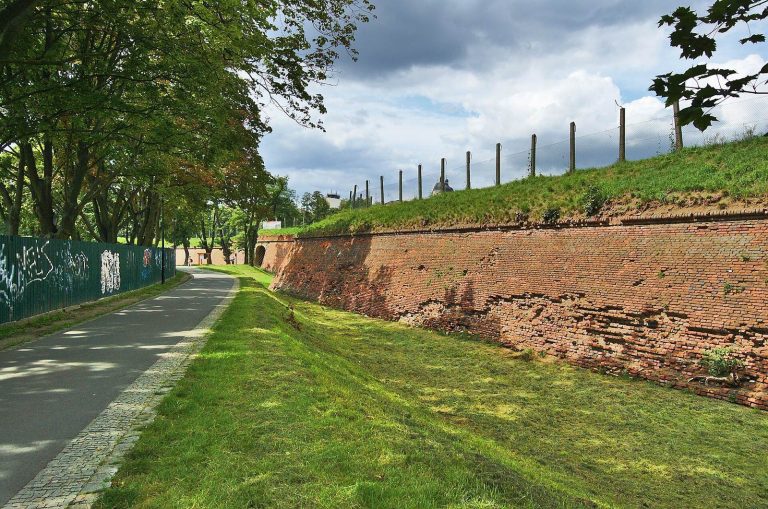
Begun in 1754, the Olomouc Crownwork is a Baroque outwork, an additional fortification beyond a main defensive line, in Olomouc, Czechia. It formed part of the city’s defenses and served as Olomouc’s principal entrance. Construction took two years and occupied the site of the former village of Závodí.
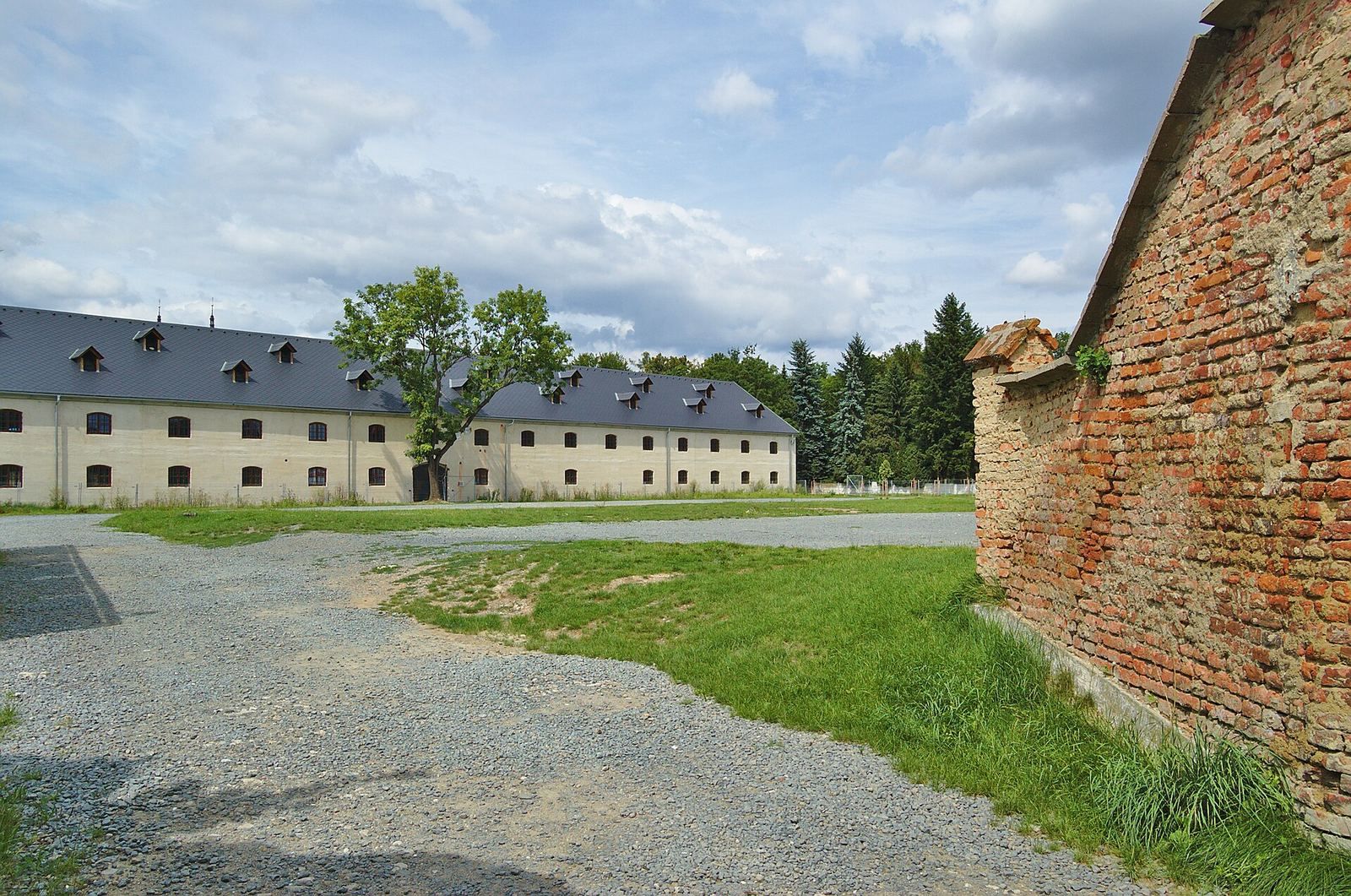
Two military artillery arsenals were added in the second half of the nineteenth century. After Olomouc ceased to be a fortified town, the army retained the crownwork, while local residents also used its grounds to dry laundry.
Army use and later changes
In 1945, the crownwork was closed to civilian use and the army used it for storage. The crownwork and nearby Ravelin No. 27 have been protected as cultural monuments since 1958. In 1967, part of the Olomouc Botanical Garden was established in the northern part of the grounds.
Toward the end of the twentieth century, the army transferred the crownwork to the city. The city leased the site to a construction company from 2002, then sold it in February 2008 to Muzeum Olomoucké pevnosti, which began restoration that year. Today the grounds host cultural activities and include an amphitheatre.
Remains
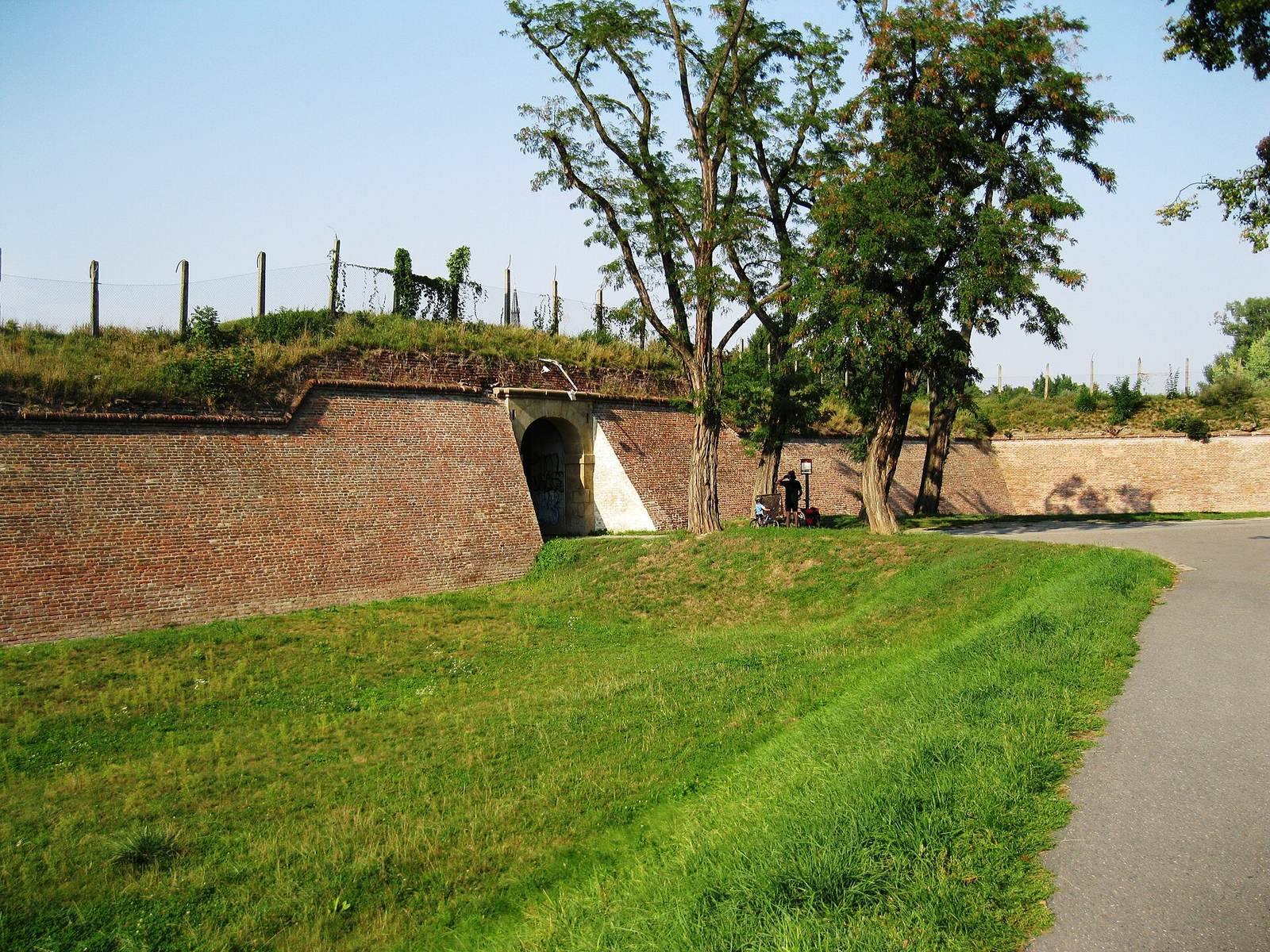
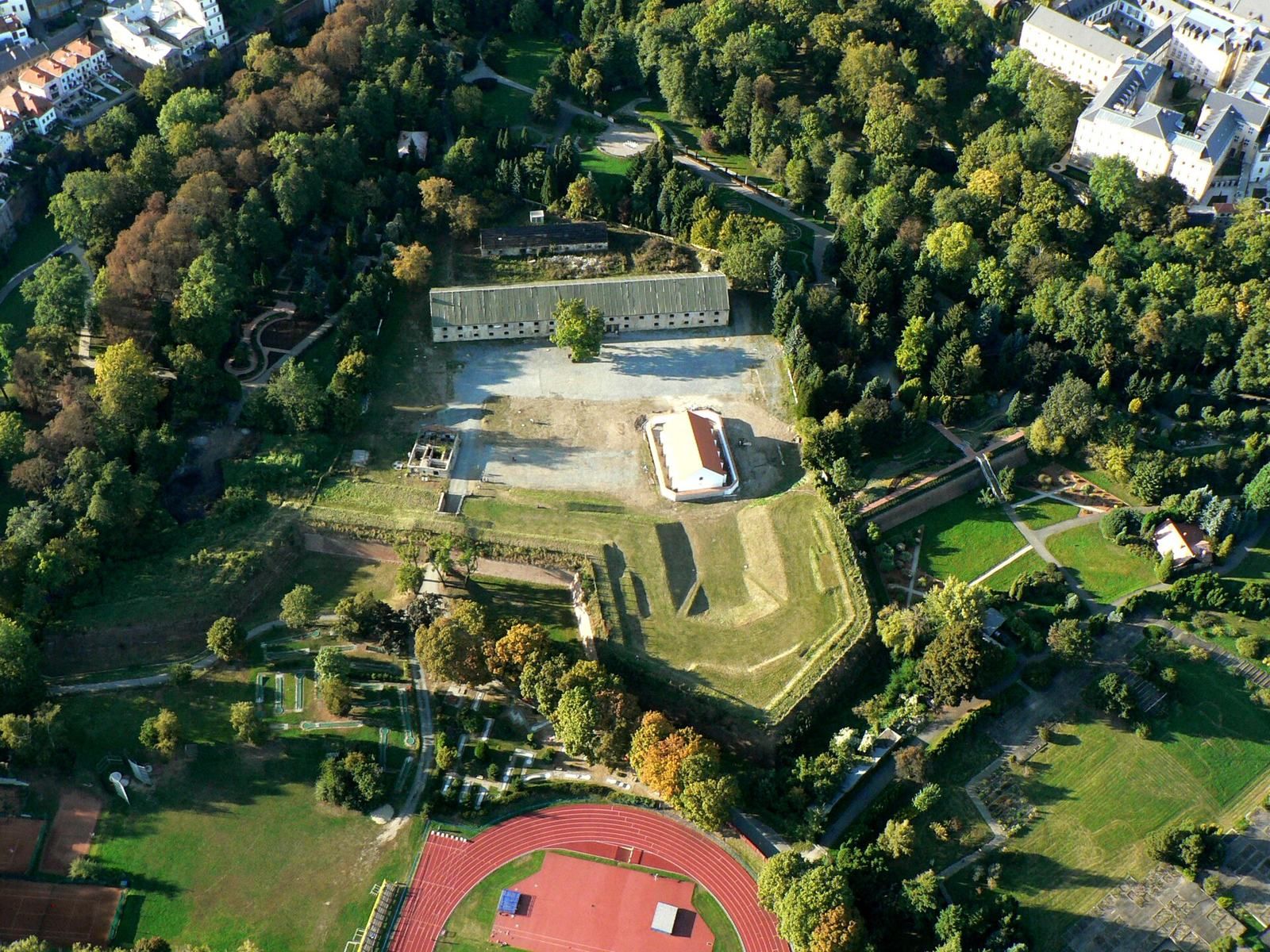
The brick-and-earth fortification is arranged around a central five-pointed bastion, a projecting part of defensive walls, flanked by two half-bastions, smaller defensive sections with one outward-facing side and one side running along the wall. An entrance gate provides access to the crownwork.
Buildings and grounds
Powder magazine
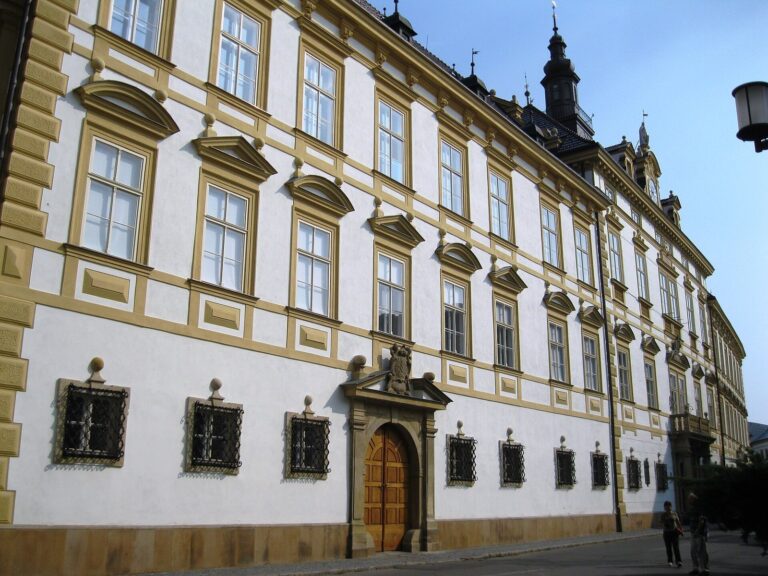
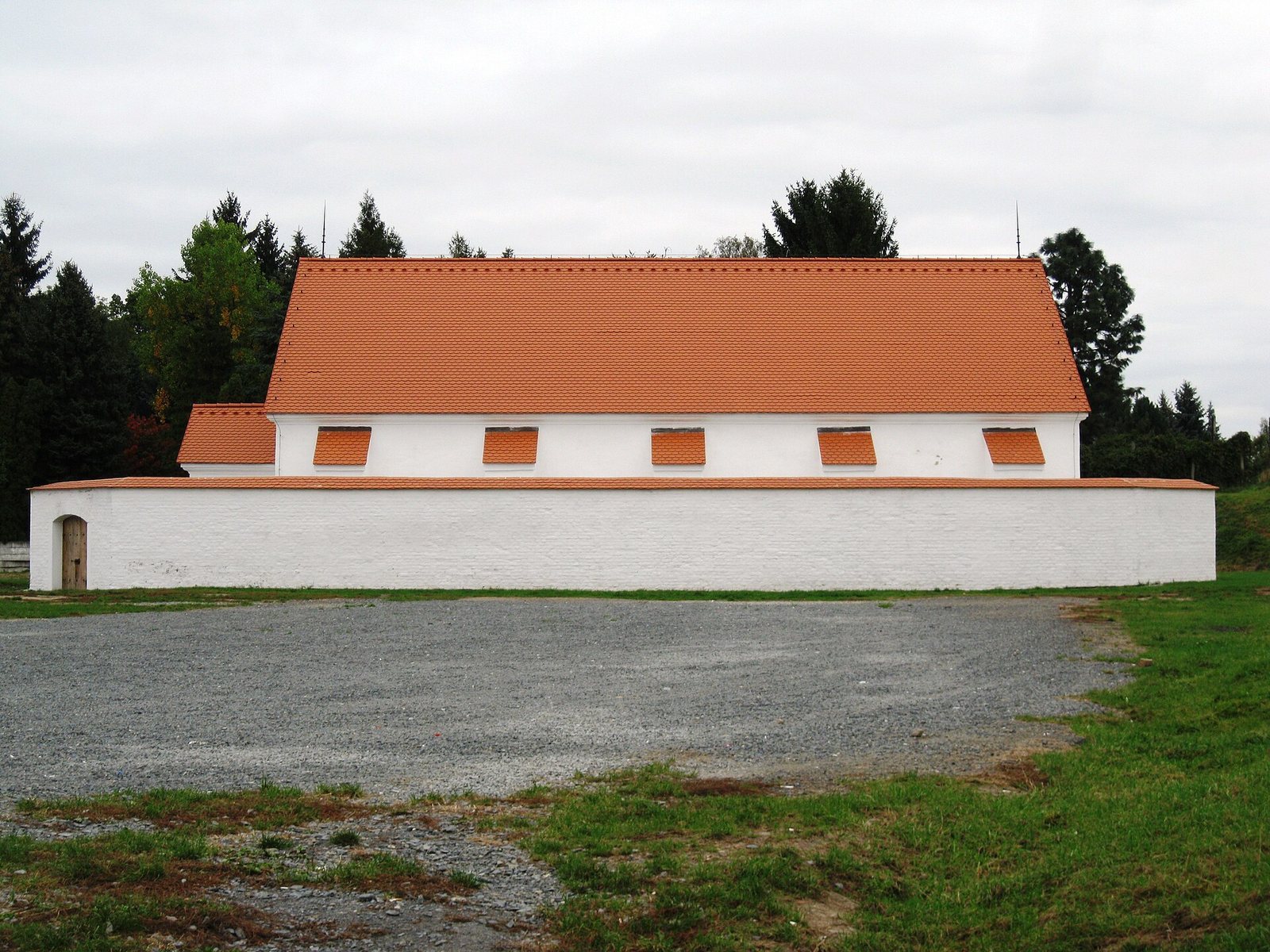
A Baroque powder magazine, a building for storing gunpowder, houses Muzeum Olomoucké pevnosti, a museum focused on Olomouc’s fortifications.
Guard post
The grounds retain the remains of a guard post in the Empire style, a neoclassical style associated with the early nineteenth century.
Artillery arsenals
The two artillery arsenals were built to store artillery and related military equipment. The larger building now houses Pevnost poznání, a science museum and educational center.
Canons’ gardens
The grounds also included gardens associated with canons, members of the church clergy.