Schloss Wendlinghausen: A Weser Renaissance Moated Castle in Germany
Site at a Glance
- Popularity
- Medium
- Country
- Germany
- Primary era
- Early Modern
- Eras represented
- Early Modern
- Civilizations
- Holy Roman Empire
- Site type
- Domestic
- Remains
- Castle
On this page6 sections
History
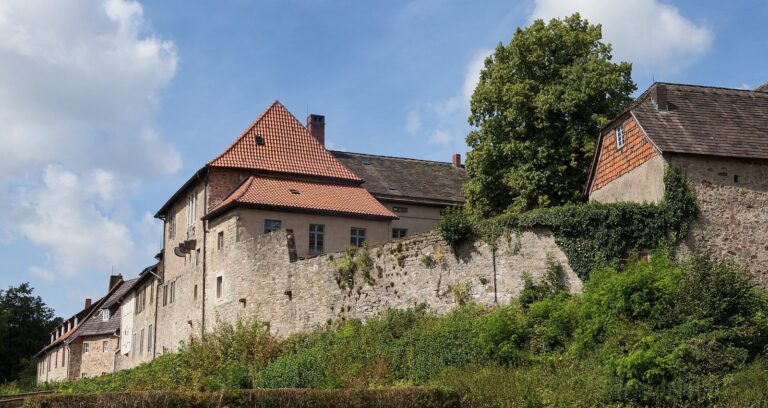
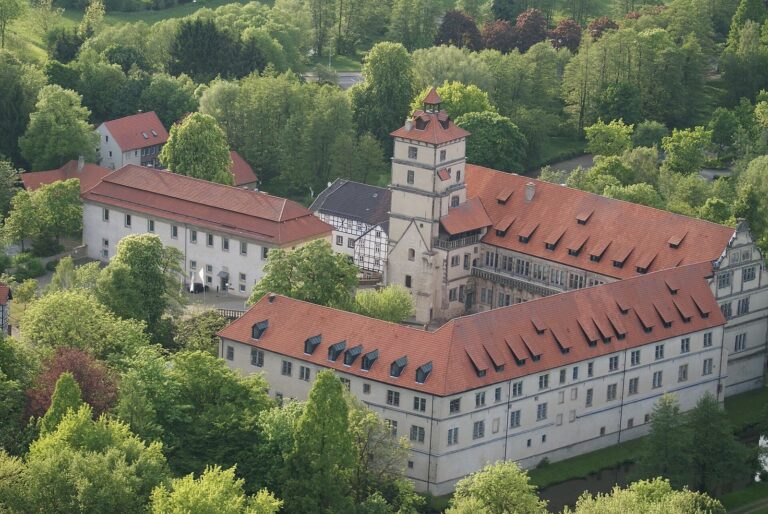
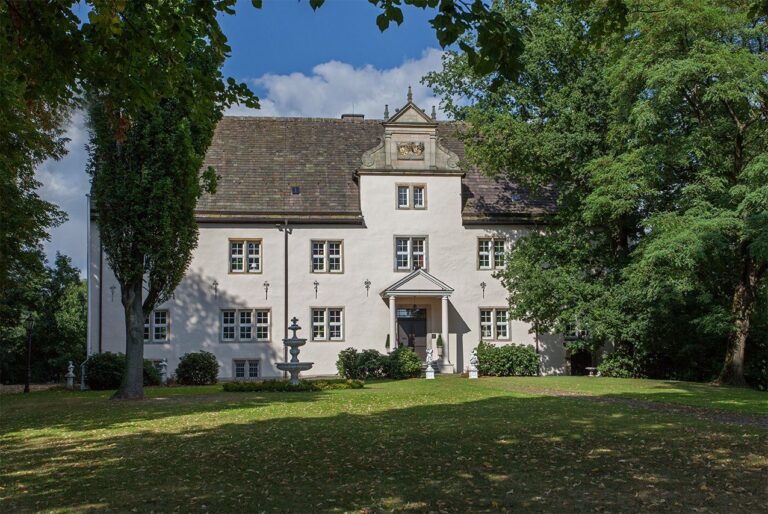
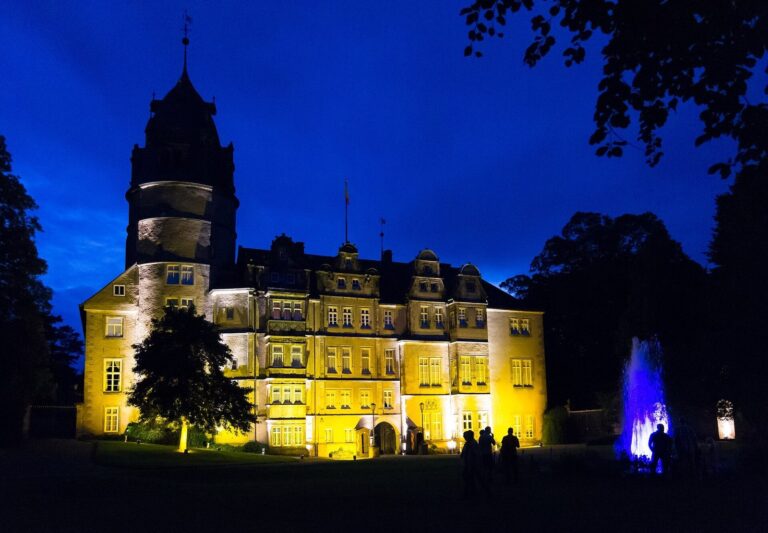
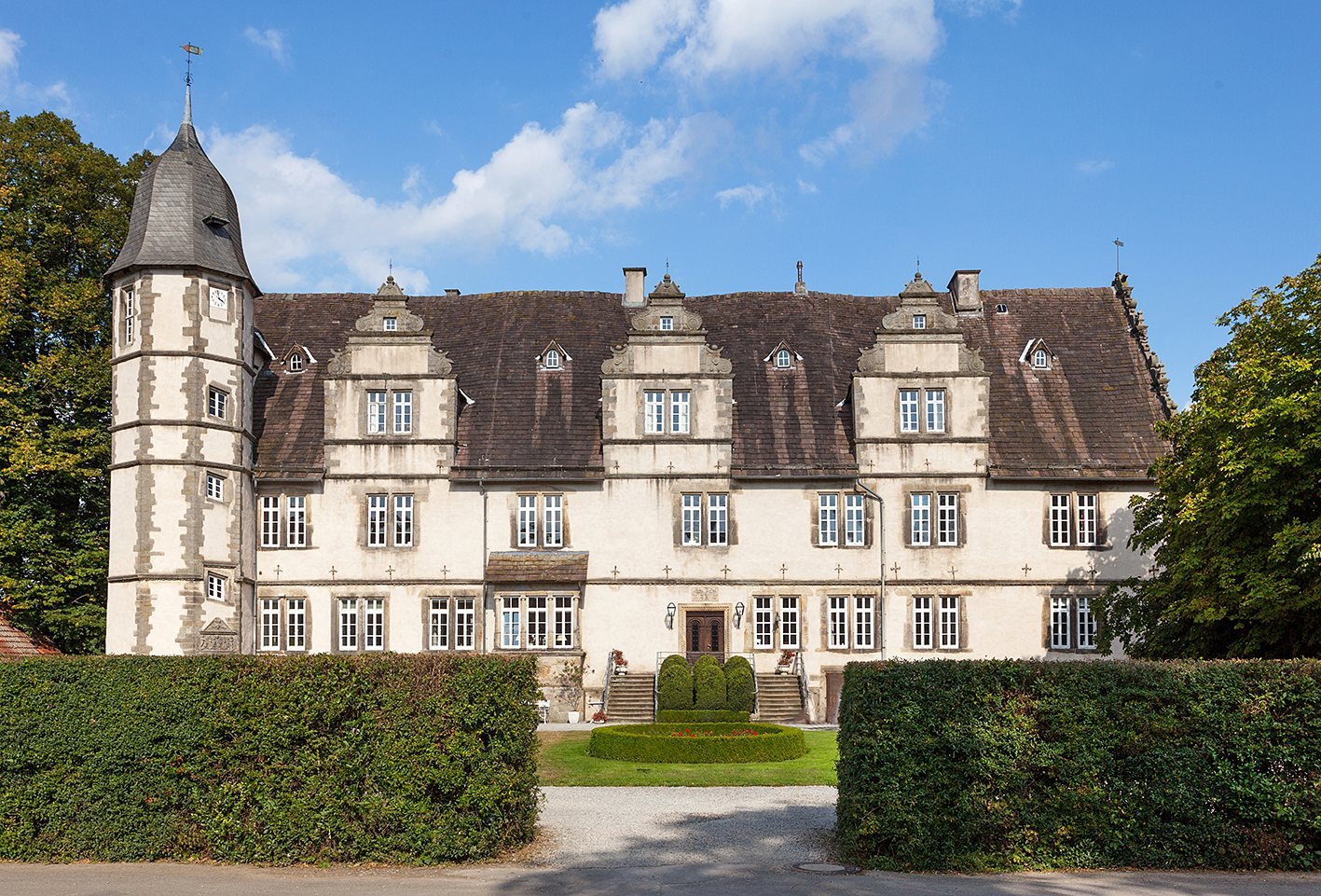
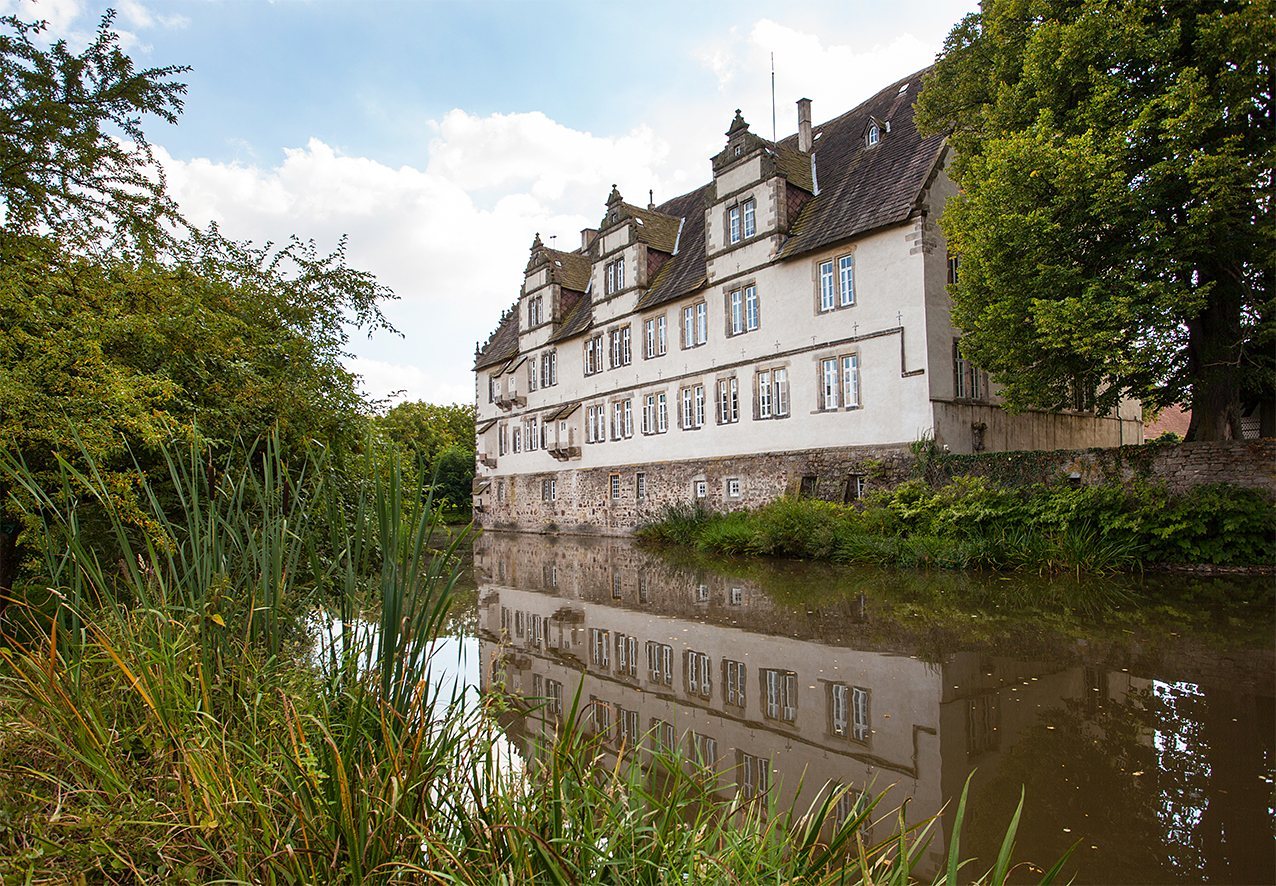
Schloss Wendlinghausen is a moated castle in the locality of Wendlinghausen, within the municipality of Dörentrup in North Rhine-Westphalia, Germany. Its present residence was built from 1613 to 1616 in the Weser Renaissance style, a regional architectural style associated with the Weser area in the 16th and early 17th centuries.
From knight’s seat to Münchhausen estate
The estate began as a knight’s seat, an aristocratic residence, in the 15th century. Anton zur Lippe, son of Bernhard VII, ruler of Lippe, established it on a tenant’s farmstead after expelling the tenant. Ownership later passed first to the von Rebock family and then to the von Post family.
In 1566, the wealthy mercenary commander Hilmar von Münchhausen acquired the estate from the von Posts. He had already secured a prospective right to the fief, a feudal grant of land or income, and its valuable revenues in Lemgo and Hovedissen. The locally established von Rebock family had dwindled to two members.
Construction of the present residence
Hilmar’s son with Lucia von Reden, Hilmar the Younger von Münchhausen (1558–1617), Lord of Schwöbber and Rinteln, had the present moated residence built. Its construction established the castle that gives the estate its present form.
Von Reden ownership and later use
In 1730, Hilmar the Younger’s great-grandson, Ernst Friedemann von Münchhausen (1686–1772), sold Wendlinghausen to his relative Klaus Dietrich von Reden (1692–1736), a district administrator and senior administrative official. In exchange, Ernst acquired the Herrengosserstedt estate in the Duchy of Saxe-Weissenfels, a small German state.
Ernst’s cousin Hieronymus von Münchhausen (1720–1797), later known as the “Lying Baron” for his extravagant adventure stories, was a frequent guest at Wendlinghausen. The estate remains in the hands of von Reden family descendants. Extensive restoration work took place in 2001 and 2003, and the castle is now used commercially for cultural events and weddings.
Remains
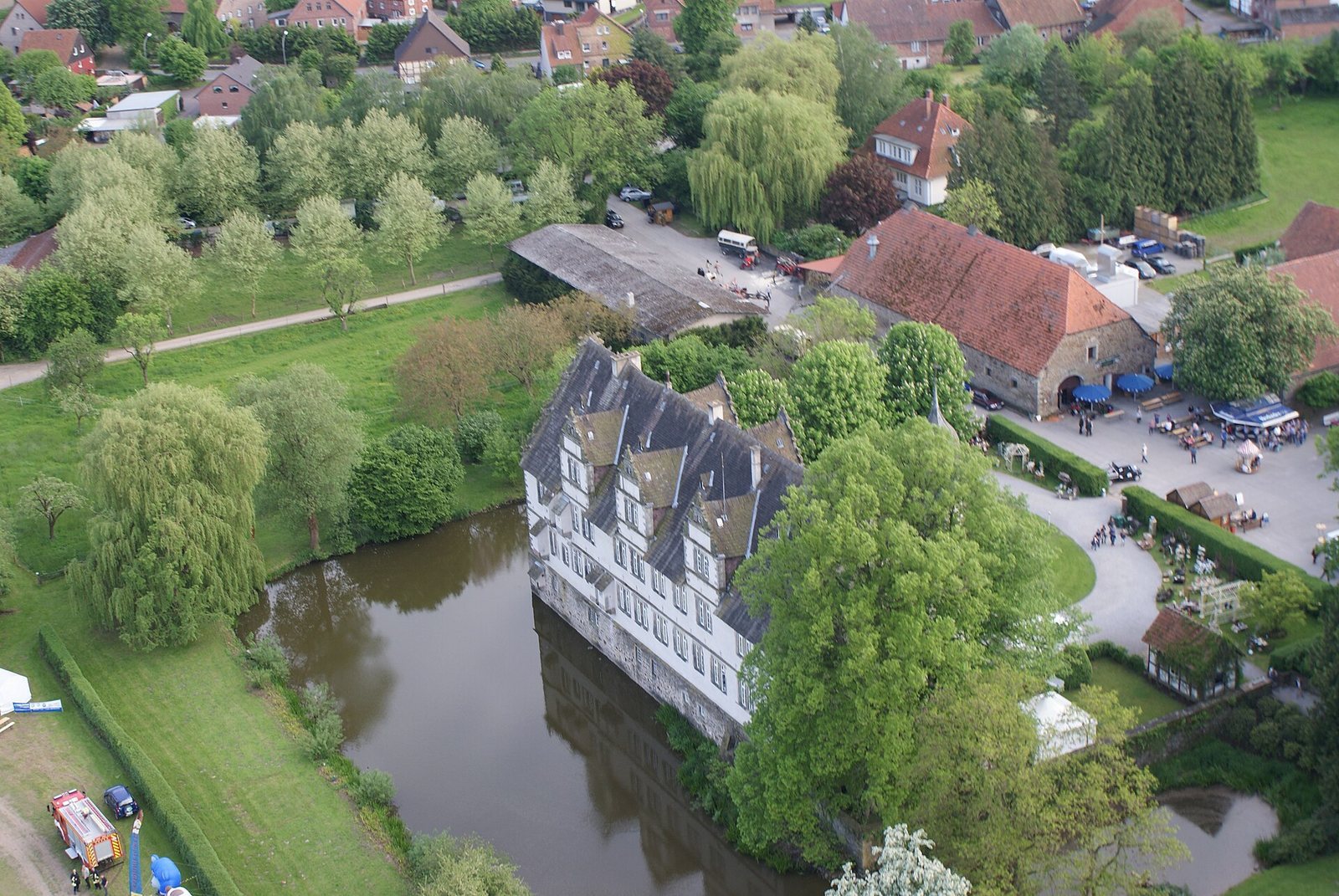
The estate’s layout brings together a manor house within a moat and an English-style landscape park. The residence follows the Weser Renaissance style, and its foundations rest on oak piles.
Landscape park
The English-style park covers more than three hectares and is known for its varied and rare plant life. The European Garden Heritage Network lists it among East Westphalia’s most important garden landscapes. Contemporary artworks also feature in the park. In 2004, it temporarily displayed Maman, a bronze spider sculpture by French artist Louise Bourgeois measuring 10 by 10 by 10 metres.