Marble Palace in Kolkata: A Historic Mansion and Family Museum
Site at a Glance
- Popularity
- Very High
- Country
- India
- Primary era
- Modern
- Eras represented
- Modern
- Civilizations
- British
- Site type
- Domestic
- Remains
- Elite Residence
On this page7 sections
History
Construction and cultural setting
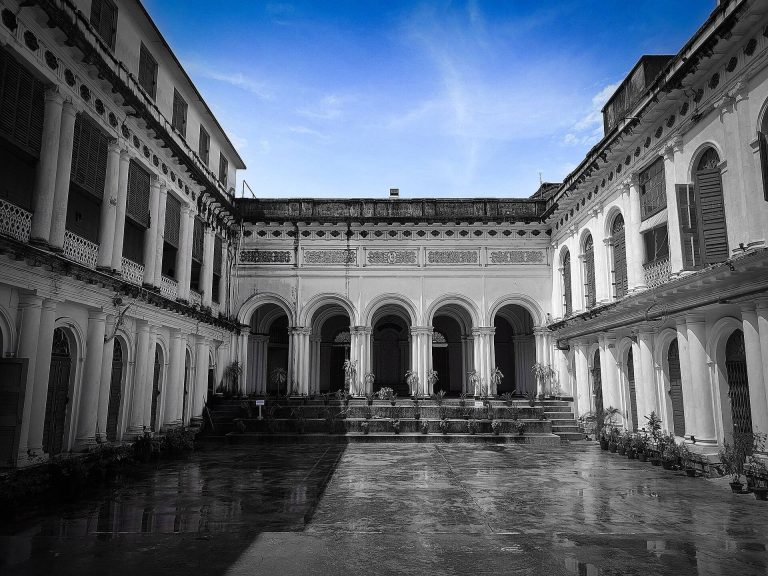
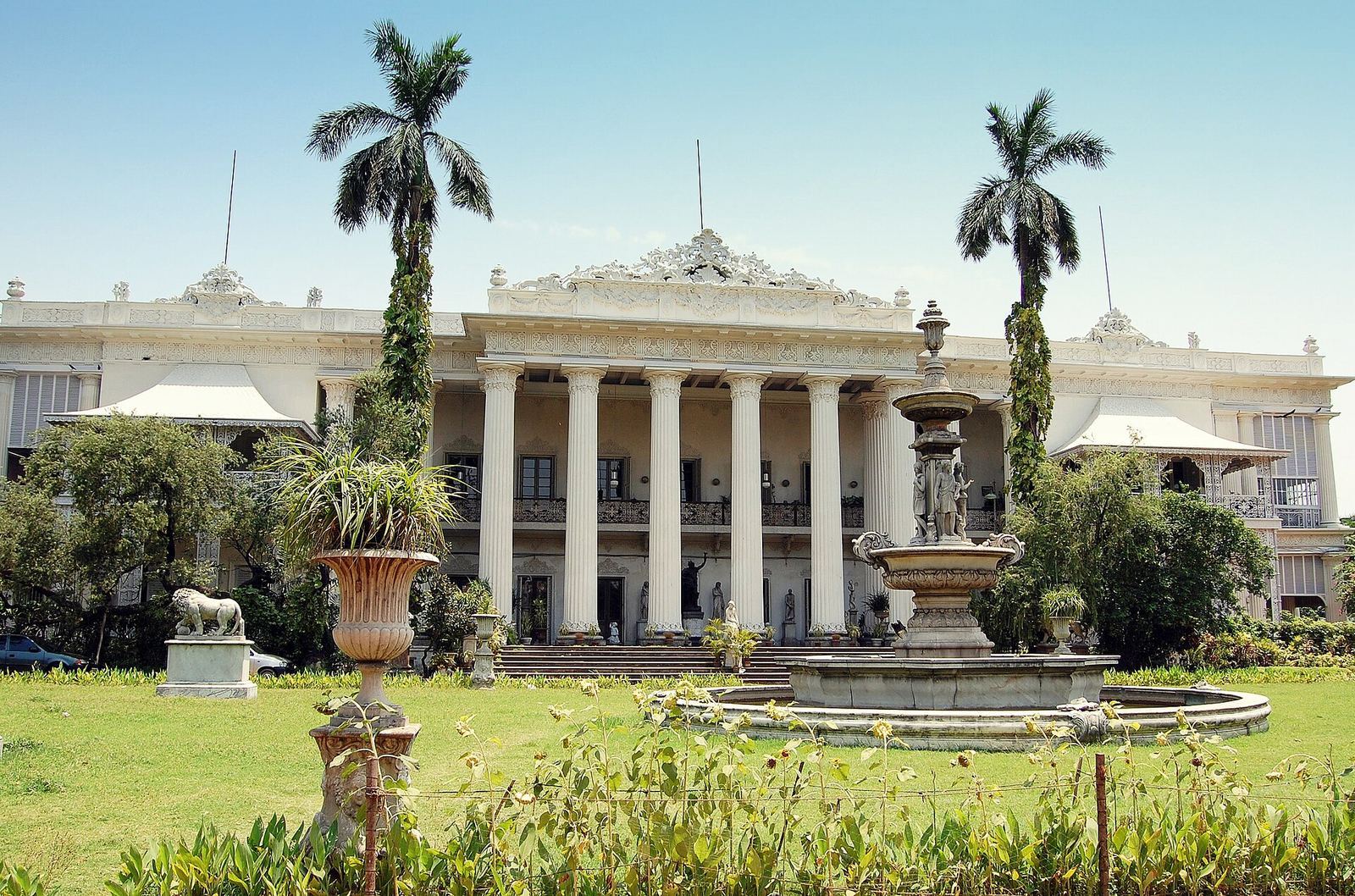
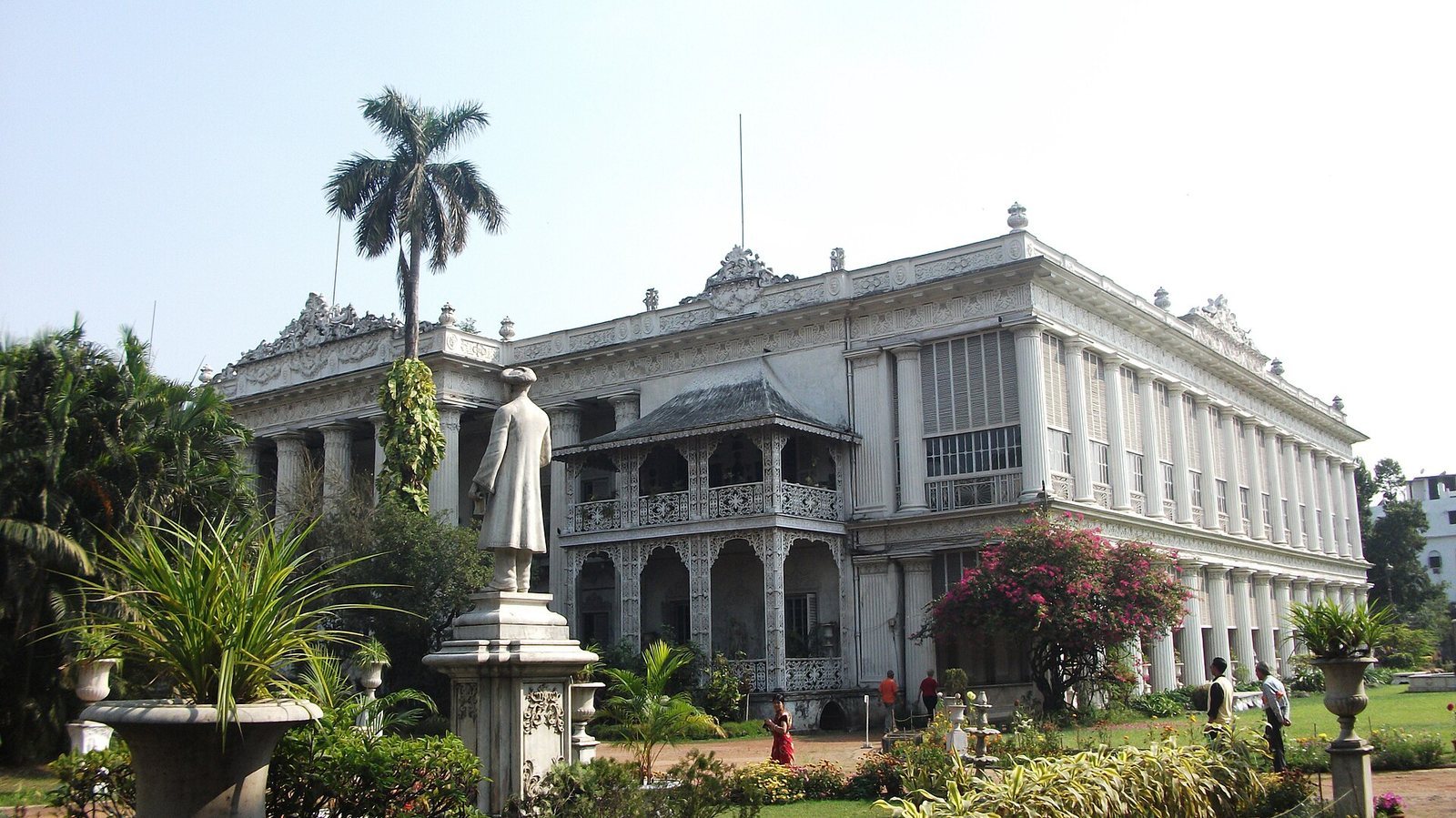
Marble Palace is a mansion in Kolkata, India, begun in 1835 by Raja Rajendra Mullick, a prosperous Bengali merchant and collector of Western art. Mullick was 16 when construction started. The house drew on Neoclassical architecture, a style based on ancient Greek and Roman forms, while its courtyard plan followed Bengali traditions. It arose as a wealthy Bengali middle class was growing in northern Calcutta, at a time when grand colonial-era residences were also expanding in the city’s south.
The Shovabazar–Jorasanko area was a center of Bengali cultural life and Hindu reform, movements that sought changes to religious and social practices. The Tagore and Mullick families both had residences in this setting.
Family, worship, and continued use
Rajendra Mullick was adopted by Nilmoni Mullick, who built a Jagannath temple on the estate before the palace was constructed. Jagannath is a Hindu deity commonly regarded as a form of Vishnu. The temple remains within the grounds and is accessible only to family members.
Rajendra also established India’s first zoological garden. The palace continues to be a home for Mullick family descendants and is partly used as a museum. Many comparable mansions and gardens were later divided or neglected, while Marble Palace remained partly inhabited.
Remains
Mansion and interiors
The three-storey building combines open courtyards in a largely traditional Bengali plan with Neoclassical details. A thakur-dalan, a space for family worship, adjoins one courtyard. Tall, fluted Corinthian columns, with their ornate capitals, rise across two storeys; on one side, they form a continuous span. The mansion also has decorated verandas, curving gables, and sloping roofs that give parts of the building the appearance of a Chinese pavilion. Italian marble covers many floors and walls and appears in numerous statues, giving the palace its name. Its interiors include Western-style sculpture, Victorian furniture, full-height mirrors, chandeliers, Greek-style urns, busts, and antique clocks.
Grounds and zoological garden
The grounds include an ornamental garden with artificial rockeries, lawns, and a lake, alongside the zoological garden established by Rajendra Mullick. The garden has since been reduced to a bird park, where monkeys and deer are also kept.
Art collection
The palace holds two paintings attributed to Peter Paul Rubens, The Marriage of St. Catherine and The Martyrdom of St. Sebastian, as well as two attributed to Joshua Reynolds, The Infant Hercules Strangling the Serpent and Venus and Cupid. The collection also includes works by Titian, Bartolomé Esteban Murillo, and John Opie. It is eclectic, bringing together paintings regarded as valuable with decorative objects often considered kitsch.