Fort William in West Bengal: A Historic Fort and Indian Army Headquarters
Site at a Glance
- Popularity
- Very High
- Country
- India
- Primary era
- Early Modern
- Eras represented
- Early Modern, Modern
- Civilizations
- Unclassified
- Site type
- Military
- Remains
- Fort
On this page10 sections
History
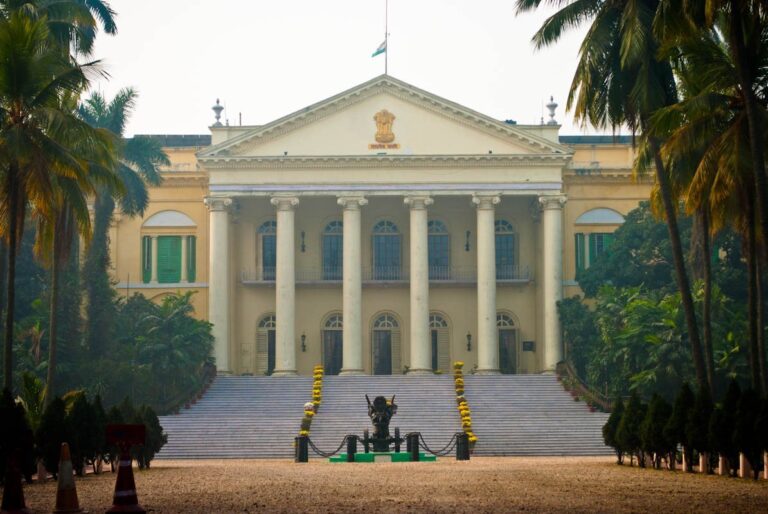
Fort William in West Bengal is a British-built fort in Hastings, Kolkata, India, on the eastern bank of the Hooghly River. The present fort is an eighteenth-century star fort, a defensive design with projecting sections. Its history spans East India Company rule, the British Raj, and the Indian Army.
Foundation of the Original Fort
The East India Company began building the first Fort William in 1696 under orders from Sir John Goldsborough, with permission from Mughal emperor Aurangzeb. The fort took its name from King William III in 1700 and was completed in 1706. Bengal was then a province of the Mughal Empire.
In 1730, Company member Ralph Farrwinter and others opened India’s first Masonic lodge at the fort. Freemasonry is a fraternal organization, and the lodge was established shortly after the Grand Lodge of England.
Capture and Reconstruction
In 1756, Siraj ud-Daulah, Bengal’s Nawab and a regional ruler under Mughal sovereignty, captured the fort and took Calcutta, temporarily renaming the city Alinagar. After the East India Company recovered Calcutta and the fort following the Battle of Plassey in 1757, it chose to build a new fort in the Maidan. Plassey was a conflict between the Company and Bengal’s forces that helped establish Company power in the region.
Robert Clive began work on the replacement fort in 1758. The project was completed in 1781 at a cost of about two million pounds, and the fort has been in use since then. Meanwhile, the original fort was repaired and put to use as a customs office in 1766. The headquarters of the Indian Ordnance Factories, an organization concerned with military equipment production, was established at Fort William in 1775.
From Company Rule to the Indian Army
Control of the fort passed from the Bengal Subah, the Mughal province of Bengal, to the East India Company in 1757. Company rule continued until 1858, when direct rule by the British Crown, known as the British Raj, began. The Indian Army took control in 1947, following independence. Fort William remains army property and serves as the headquarters of Eastern Command, with capacity for 10,000 personnel.
In 2025, the fort was officially renamed Vijay Durg, after the fort of that name on Maharashtra’s Sindhudurg coast.
Remains
Layout and Defenses
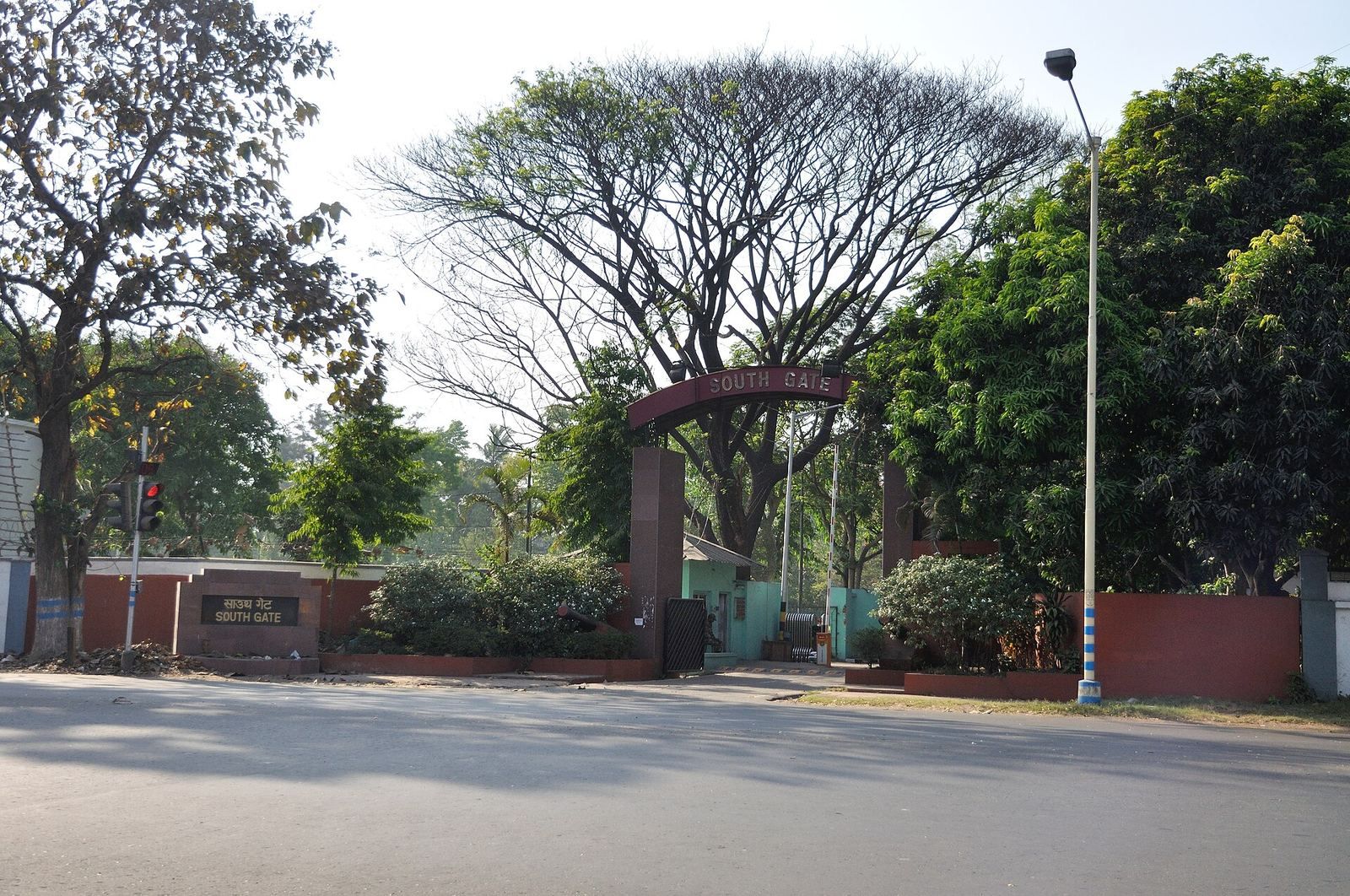
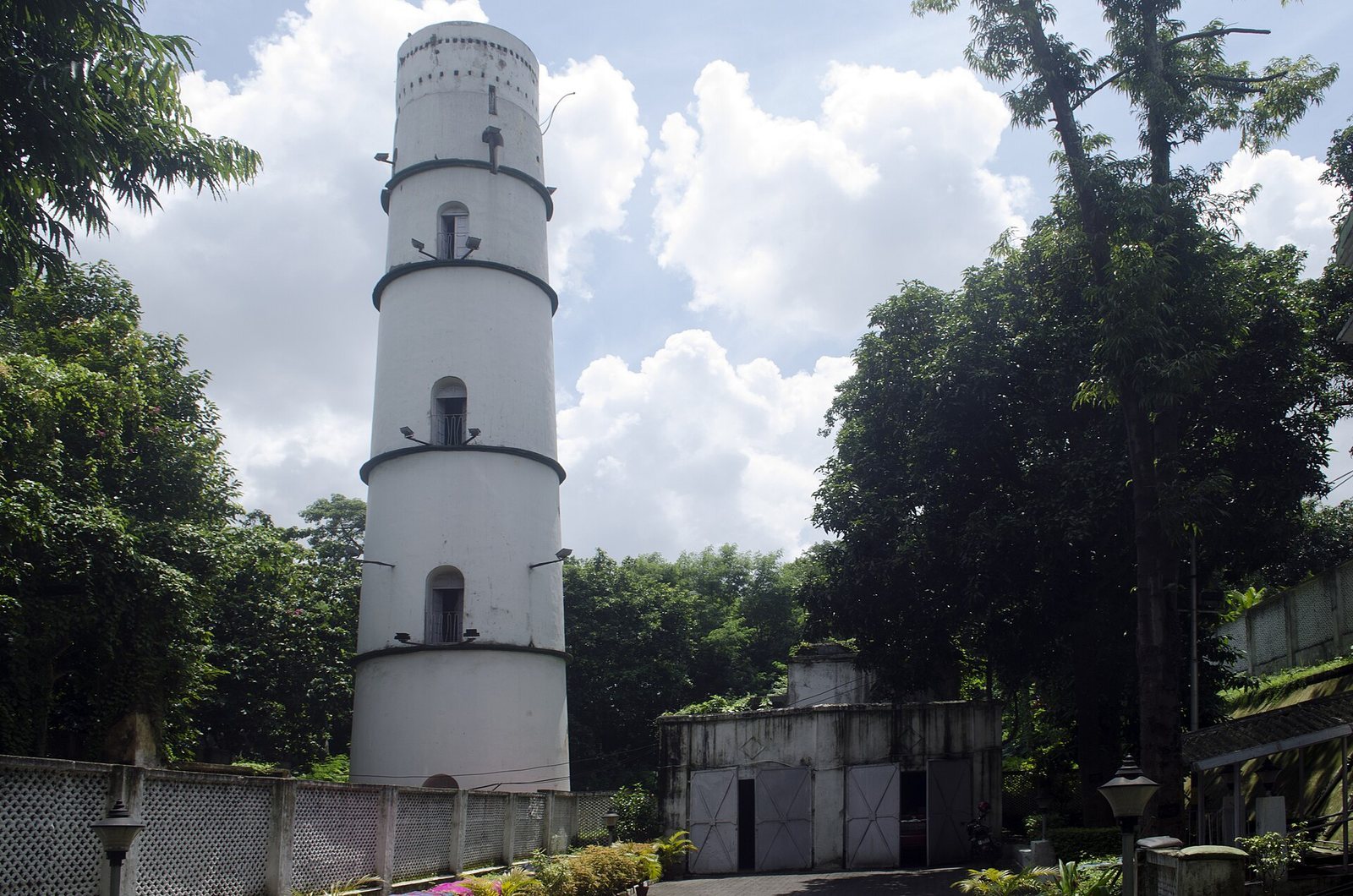
Fort William covers about 70 hectares and has an irregular octagonal plan, with five sides facing land and three toward the Hooghly. It is built of brick and mortar. Its angular, projecting bastions, or outward-extending parts of a fortification, form a star-shaped defense associated with Italian-style fortification. The design was suited to resisting solid cannon shot, before the use of explosive shells. A dry moat, 9 metres deep and 15 metres wide, surrounds the fort. It could be flooded and allowed defenders to fire along approaches reaching the walls. Six gates are named Chowringhee, Plassey, Calcutta, Water Gate, St Georges, and Treasury Gate. The Maidan lies in front of the fort; the surrounding area was cleared, and the open parkland extends about 3 kilometres from north to south and is approximately 1 kilometre wide. Much of the fort remains unchanged.
Buildings and Commemorative Features
Original Fort and Interior
At the original fort, Sir Charles Eyre began work near the Hooghly with a southeastern bastion and adjoining walls. His successor, John Beard, added a northeastern bastion in 1701 and began a central Government House in 1702, also described as a Company factory or trading post. The original building had two storeys and projecting wings. An interior guardroom later served as a prison known as the Black Hole of Calcutta, and the fort’s first chapel was built in 1714.
St Peter’s Church
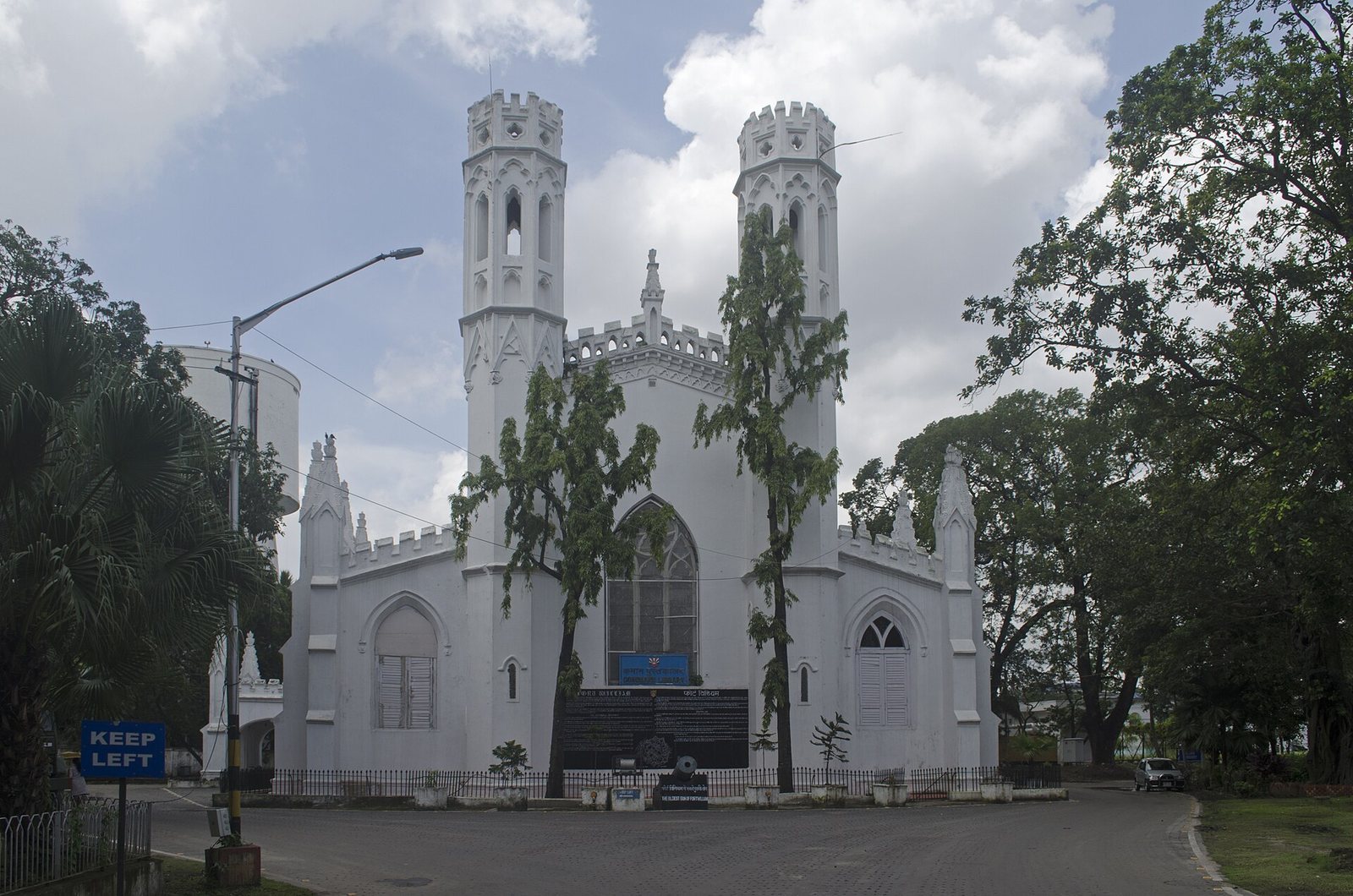
St Peter’s, a building within the fort, first served as a chaplaincy center for British residents of Calcutta. It was later converted into a library for troops at Eastern Command headquarters.
War Memorial and Museum
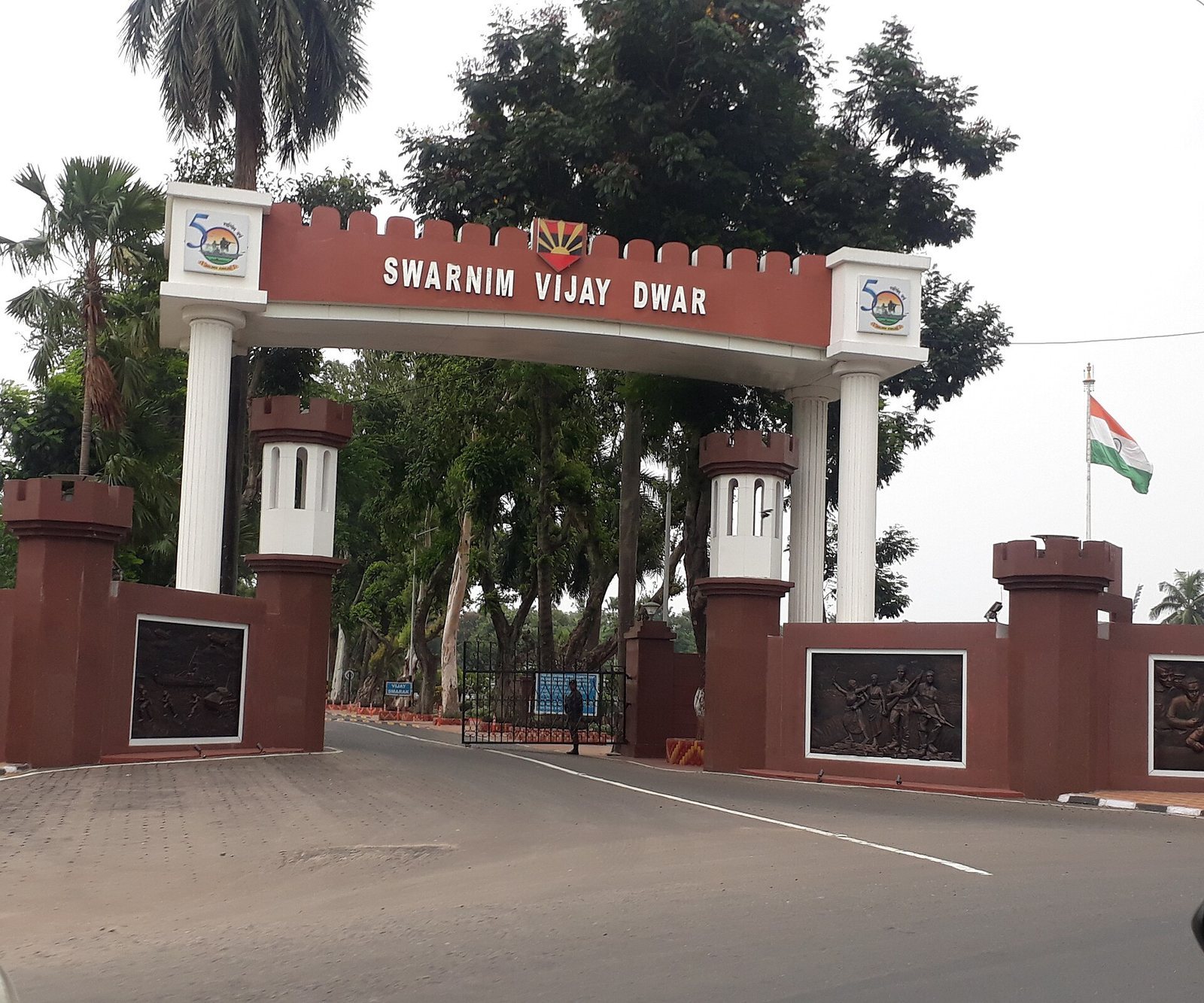
A war memorial at the fort entrance commemorates the 1971 Indo-Pakistani War, which coincided with the struggle that led to Bangladesh’s independence. A museum inside the fort displays artifacts from the war, particularly those connected with fighting in the eastern sector and the Bangladesh Liberation War.