The Old Manor in Goszyce: A Seventeenth-Century Wooden Residence
Site at a Glance
- Popularity
- Medium
- Country
- Poland
- Primary era
- Early Modern
- Eras represented
- Early Modern
- Civilizations
- Polish–Lithuanian Commonwealth
- Site type
- Domestic
- Remains
- Manor House
On this page5 sections
History
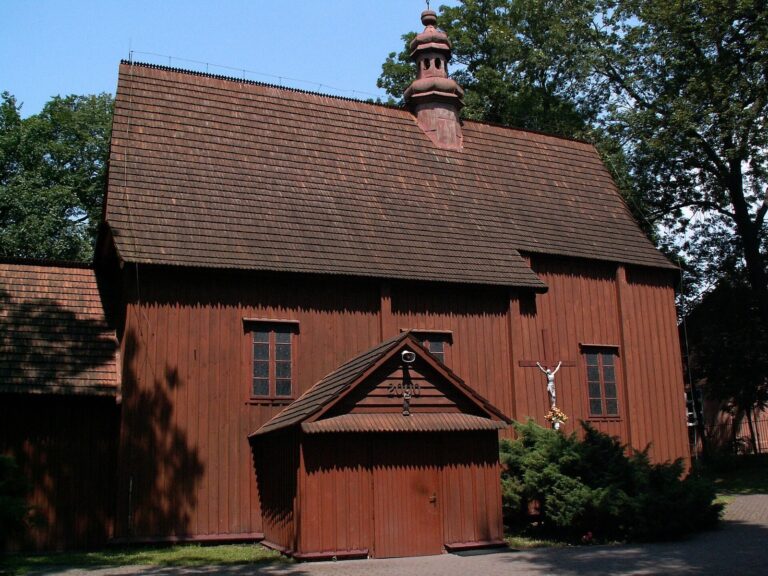
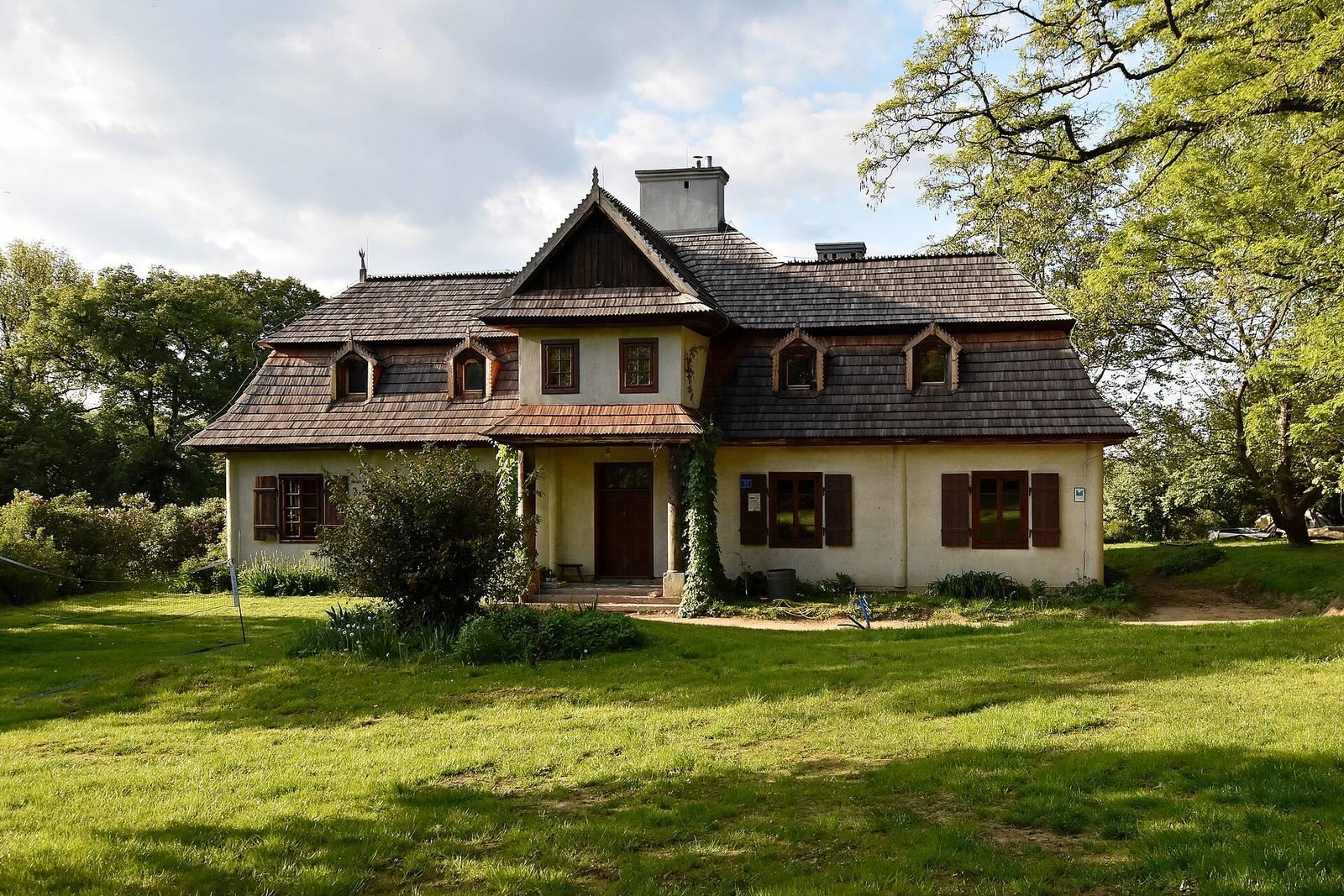
The Old Manor in Goszyce is a timber residence in Poland, probably built in the second half of the seventeenth century. It is regarded as the oldest surviving wooden manor in the country.
Seventeenth-century origins
The manor was first recorded in 1673 and was probably built around that time. A 1693 inventory, likely prepared in connection with an inheritance, supports this dating, although the exact construction date is uncertain.
The identity of the first owner is unknown. The owner was said to have taken part in the Turkish wars, a claim associated with a tradition linking the manor to Jan III Sobieski, king of Poland from 1674 to 1696.
Nineteenth- and early twentieth-century owners
In the early nineteenth century, the Goszyce estate was acquired by Wojciech Boduszyński, a physician and professor at the Jagiellonian University, Kraków’s historic university. The manor passed to the Zawisz family in 1830. Zofia z Zawiszów Kernowa owned the estate until 1945; she was a Polish writer and a soldier in the Polish Legions, Polish military formations organized during World War I.
State use and private ownership
In 1945, the manor and estate were expropriated and became state property. The Academy of Mining and Metallurgy, a Kraków institution for mining and technical education, used the manor for several years as a student training center. The adjoining land served as a surveying training ground. In the 1960s, the Plant Breeding Station at Skrzeszowice administered the manor, and the building fell into disrepair.
A family from Kraków bought the manor and 2.75 hectares of land in 1983. Repairs were carried out during the 1980s, and the manor has remained privately owned since the purchase. It is listed in the Małopolskie Voivodeship register of protected monuments, with registration dates of 24 December 1955 and 8 February 1972.
Remains
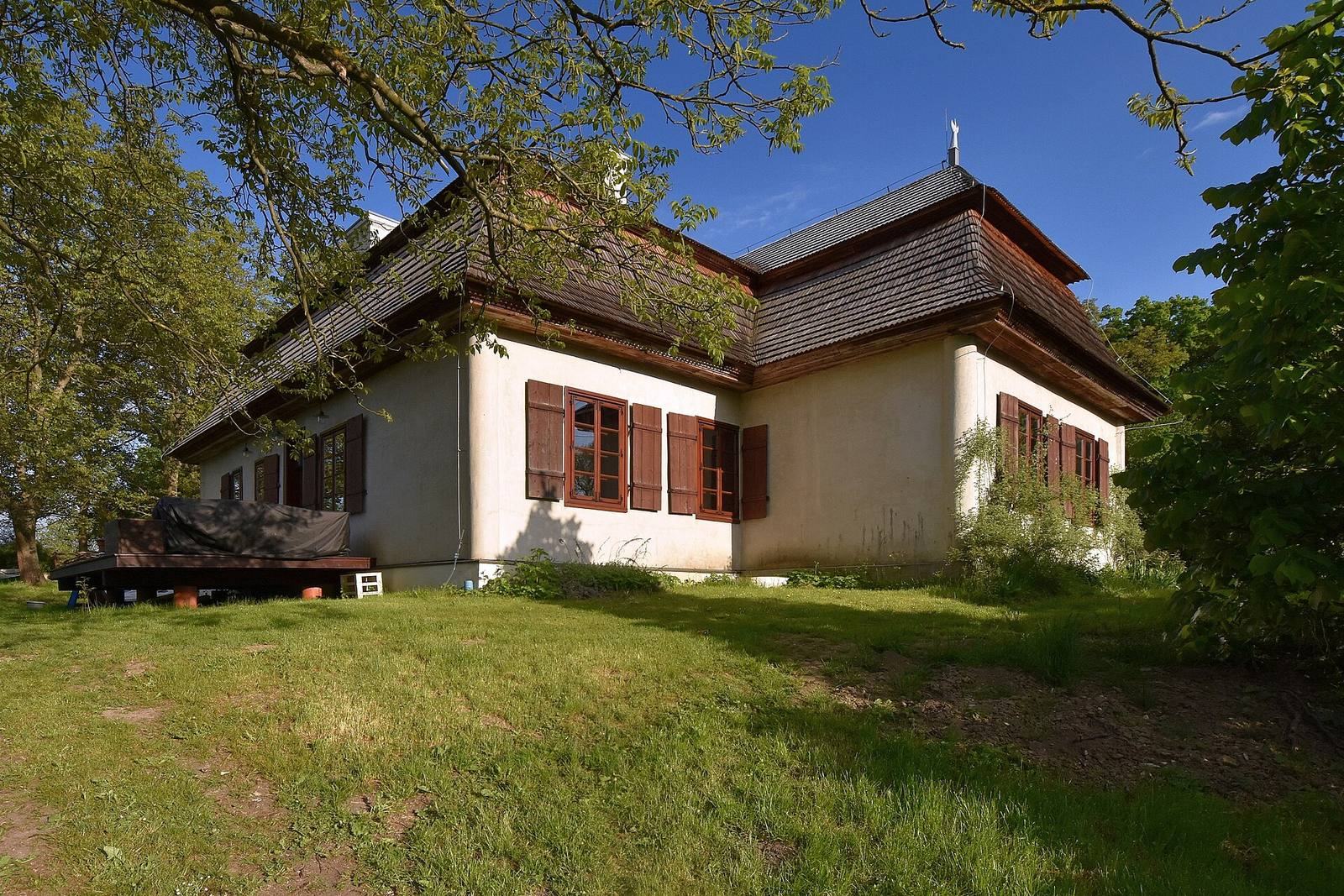
The timber building has a projecting corner room and a kitchen on its north side, both added in the eighteenth century.
The roof’s slope changes angle rather than continuing in a single plane. Crescent-shaped ornaments finish the ends of the ridge and are traditionally associated with the manor’s connection to the era of Jan III Sobieski.