Schaffgotsch Palace in Wrocław: A Renaissance Palace-Villa
Site at a Glance
- Popularity
- Medium
- Country
- Poland
- Primary era
- Modern
- Eras represented
- Modern
- Civilizations
- German, Kingdom of Prussia
- Site type
- Domestic
- Remains
- Elite Residence
On this page4 sections
History
Expansion into a palace
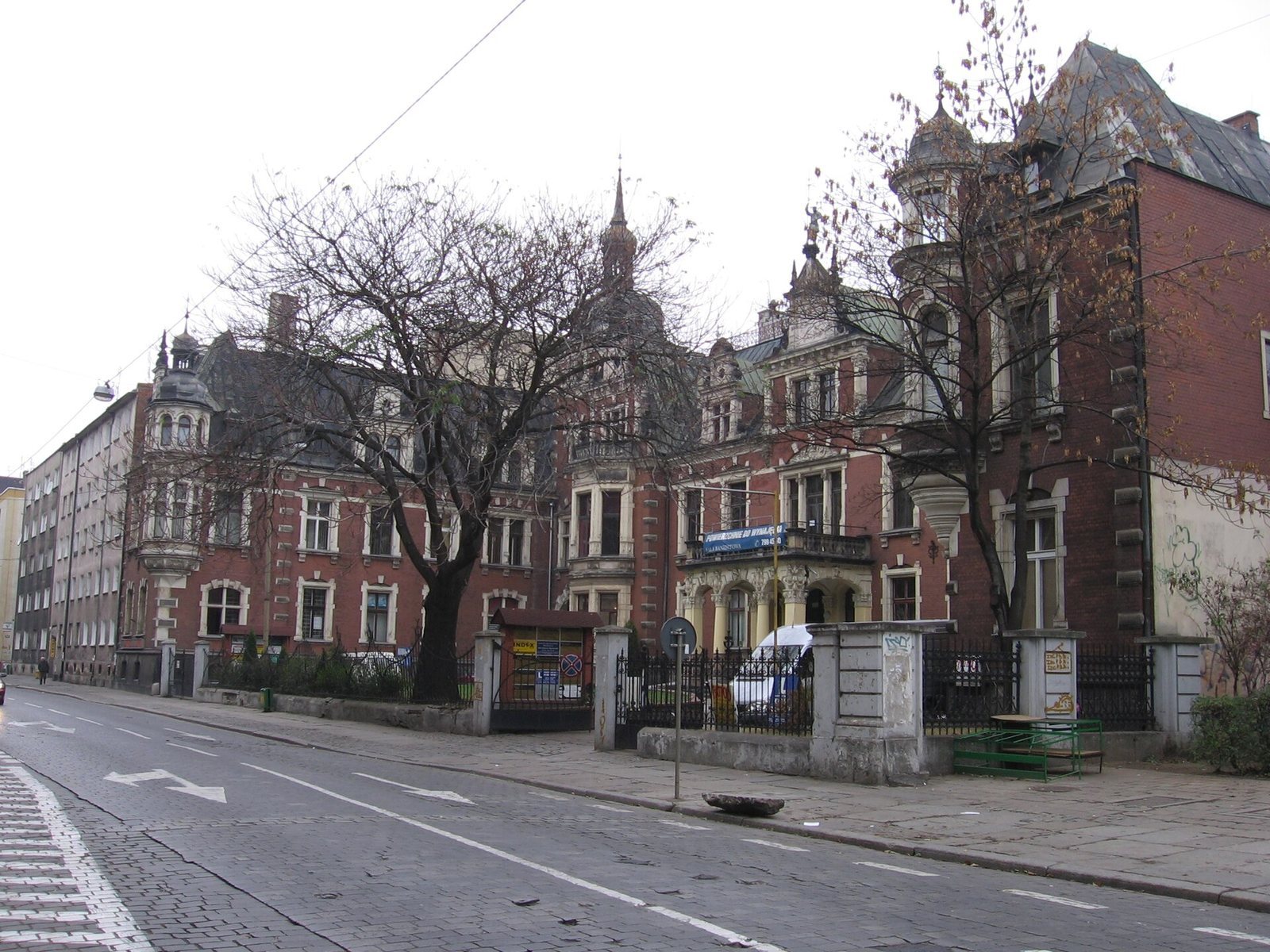
Schaffgotsch Palace in Wrocław is a Renaissance palace-villa in Poland, completed in 1890 for Hans Ulryk von Schaffgotsch, a member of the Silesian noble family. A house owned by G. van Hees had stood on the site since 1862. The Schaffgotsch family bought the property in 1887 and commissioned its expansion into a palace. Designed by K. Heidenreich, the enlarged building became Hans Ulryk’s residence and he was its first owner.
After Hans Ulryk died in 1915, ownership passed to the Evangelical congregation of the parish of St Mary Magdalene, a Protestant church community.
Wartime damage and later uses
The palace was damaged during the 1945 siege of Fortress Breslau, the name for the fortified city during the final phase of World War II. Following reconstruction, it came under city control and was used for housing.
In 1956, the city transferred the building to the Polish Students’ Association, a national student organization, which established the club Pałacyk there. A fire in 1972 led to repairs completed in 1975. The palace subsequently hosted cultural and entertainment venues, including a cinema that closed in 2003, a popular disco in the 1990s, the pub Samo Życie, and a billiards-and-snooker club.
Remains
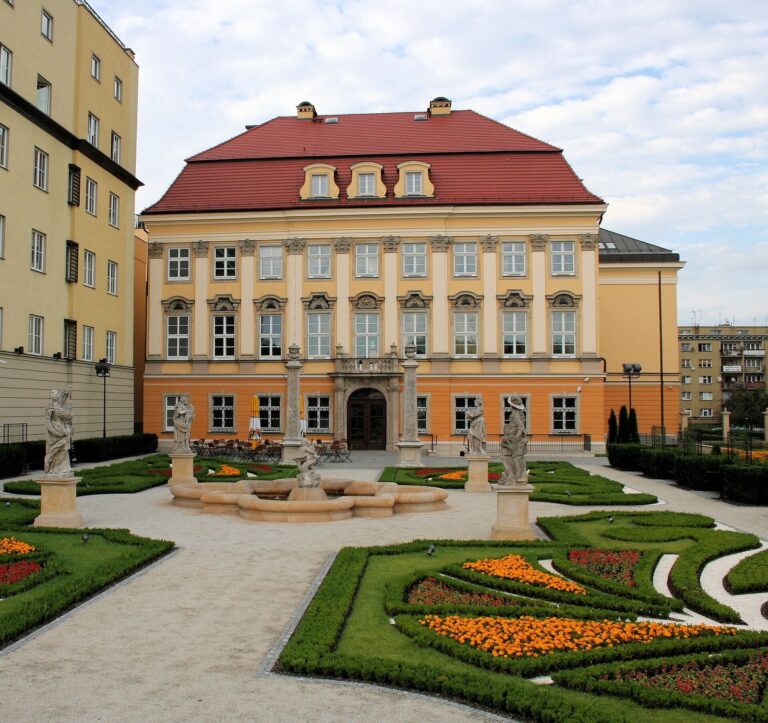
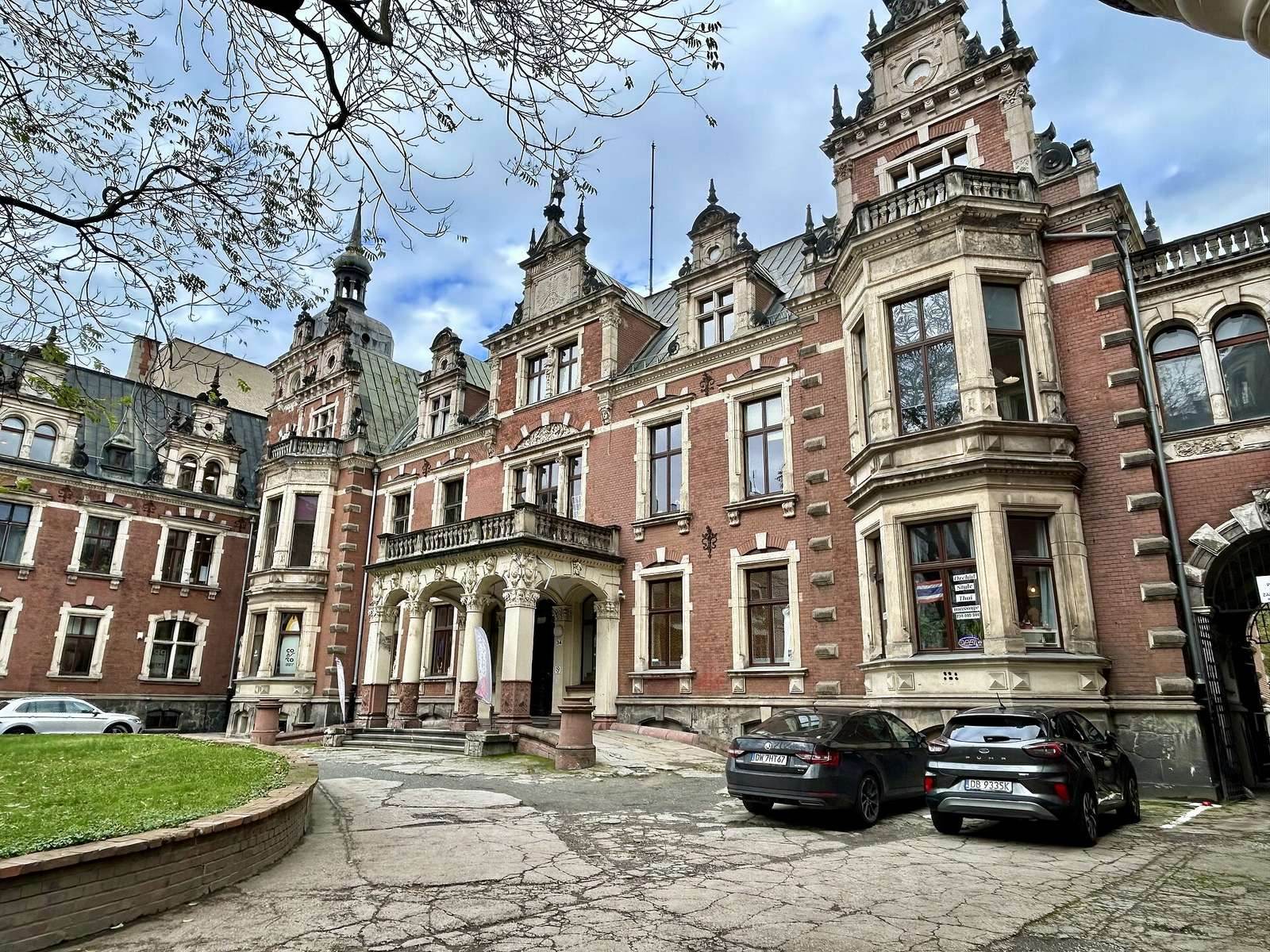
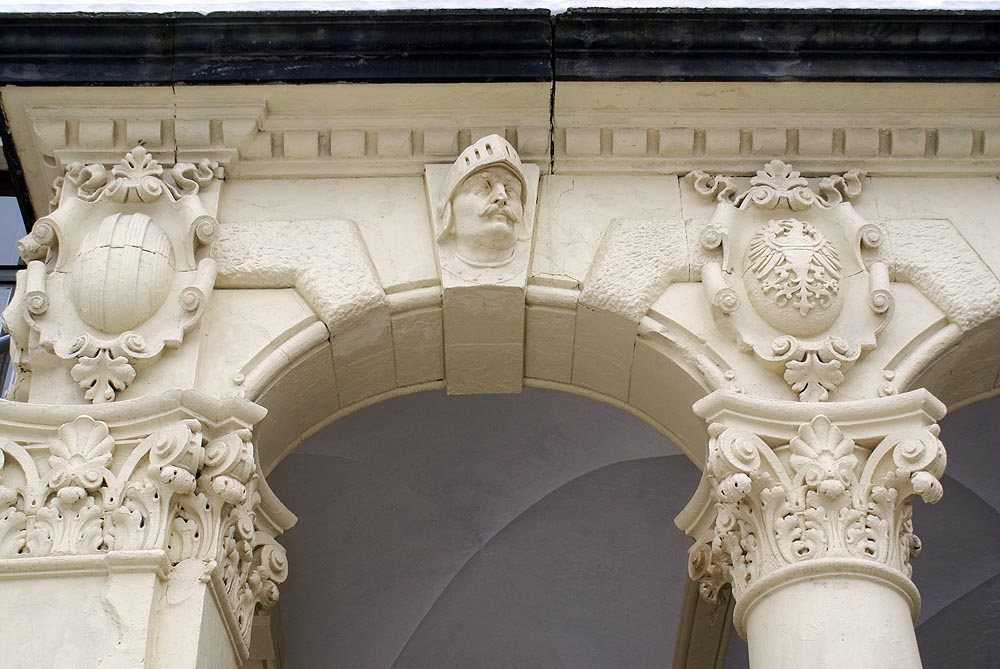
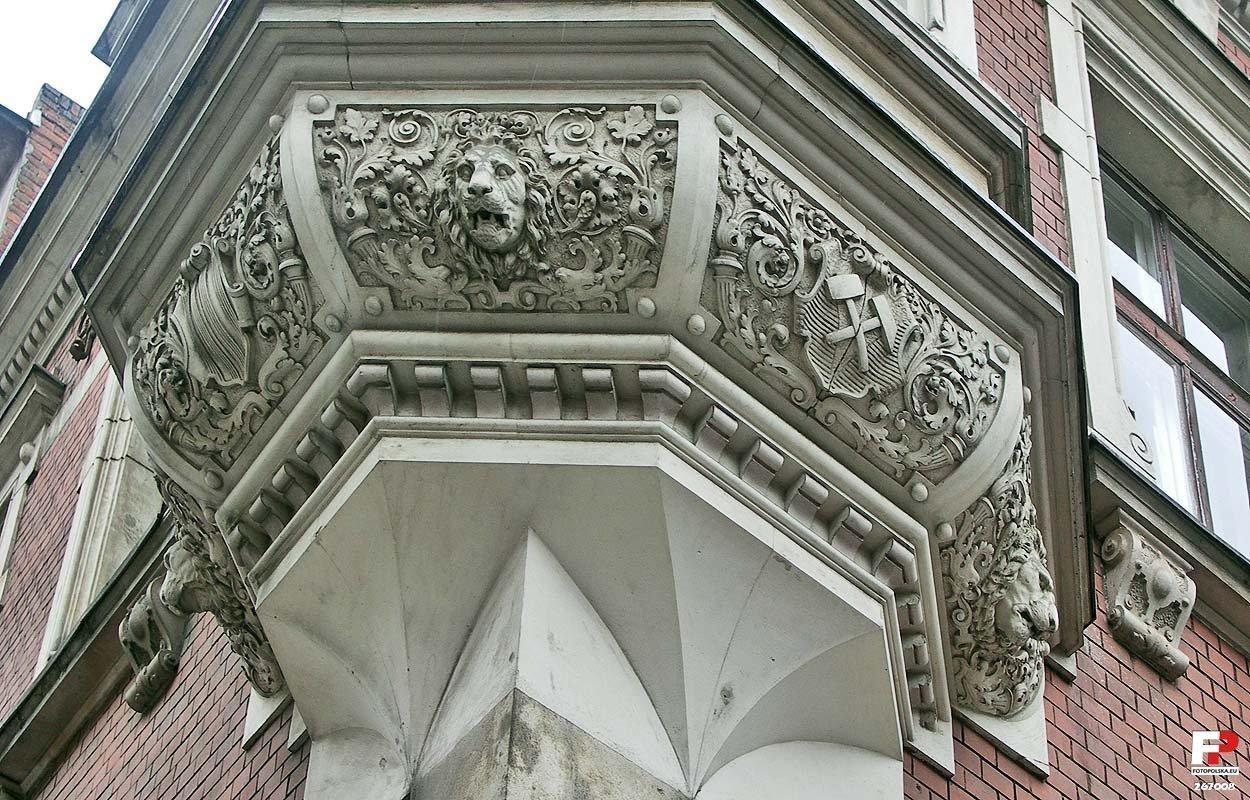
The palace has a three-wing plan and includes a tower, numerous bay windows, and dormers. Red brick covers the facade, with pale sandstone details. Heraldic panels on the portico display the Schaffgotsch family coat of arms, its heraldic emblem.
A courtyard lies in front of the building, while a garden behind it was originally laid out in the English style.