Château du Haut-Buc: A Historic Estate and Public Garden in France
Site at a Glance
- Popularity
- Medium
- Country
- France
- Primary era
- Modern
- Eras represented
- Early Modern, Modern
- Civilizations
- French
- Site type
- Domestic
- Remains
- Elite Residence
On this page10 sections
History
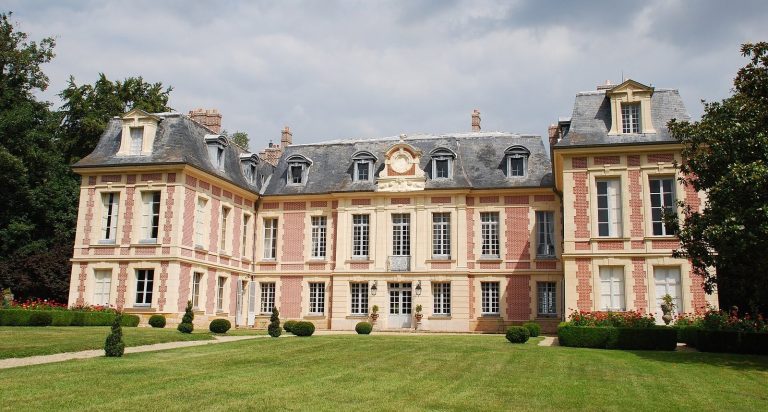
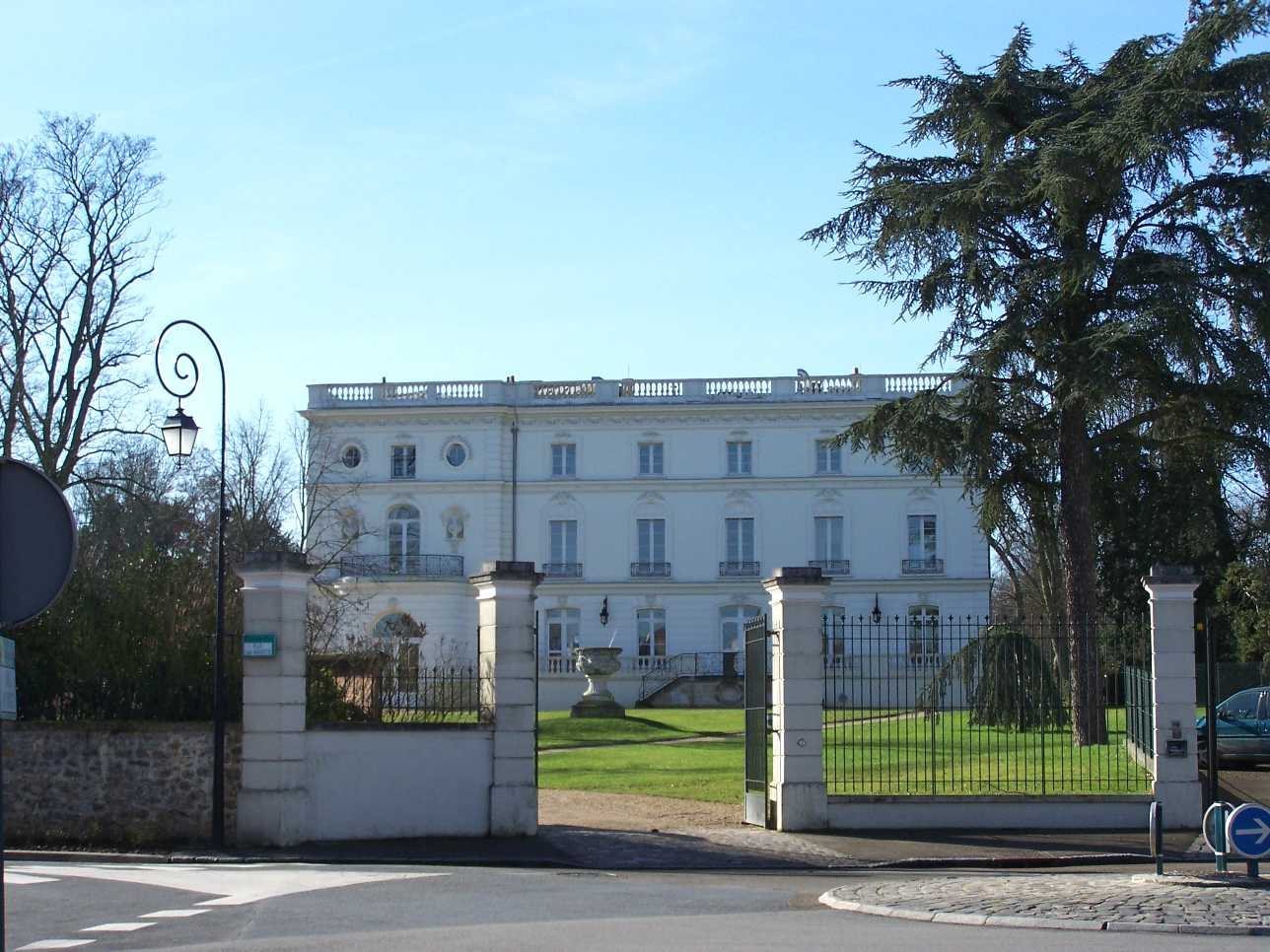
The Château du Haut-Buc is a historic château estate in Buc, in the Yvelines department of France. Its present building, constructed in a nineteenth-century style, replaced a seventeenth-century residence that Louis XIV used for his son, Louis Alexandre de Bourbon, Count of Toulouse and Duke of Penthièvre.
Royal residence and destruction
By the late seventeenth century, the château stood within the Grand Park of Versailles and came under the royal bailiwick, a district responsible for royal administration and justice. Louis XIV lodged his illegitimate son there away from court before legitimizing him in 1681.
In 1740, Louis XV ordered the château demolished. A new château was erected on the same site between 1864 and 1866 for Léon Thomas, a wealthy Parisian.
Nineteenth- and twentieth-century ownership
Noël Bardac acquired the estate in 1893. In 1918 it passed to Gentilli di Giuseppe, who was interested in astronomy and had a large telescope installed in the gardens in 1922. He left in 1929, and the American couple known as the Mac Cunes then bought the estate.
The estate was abandoned from 1939 and later occupied by the German army, which made use of the nearby airfield. The French state purchased the property in 1954 and used it for schooling, including as a boarding school for girls attending Lycée La Bruyère in Versailles. In autumn 1981, the Franco-German lycée moved from the Lycée Hoche premises in Versailles to a new site built on part of the estate.
The municipality took over the property in 1988 and renovated it in 2000. During the 1990s, landscape designer Éric Pouchin redesigned the gardens.
Remains
The estate includes the rebuilt château, a guard pavilion set apart from it, and gardens with a colonnade, canal, and sculptures. The château and pavilion represent different phases of the site’s built history, while the gardens bring together architectural and sculptural features.
Buildings
The château
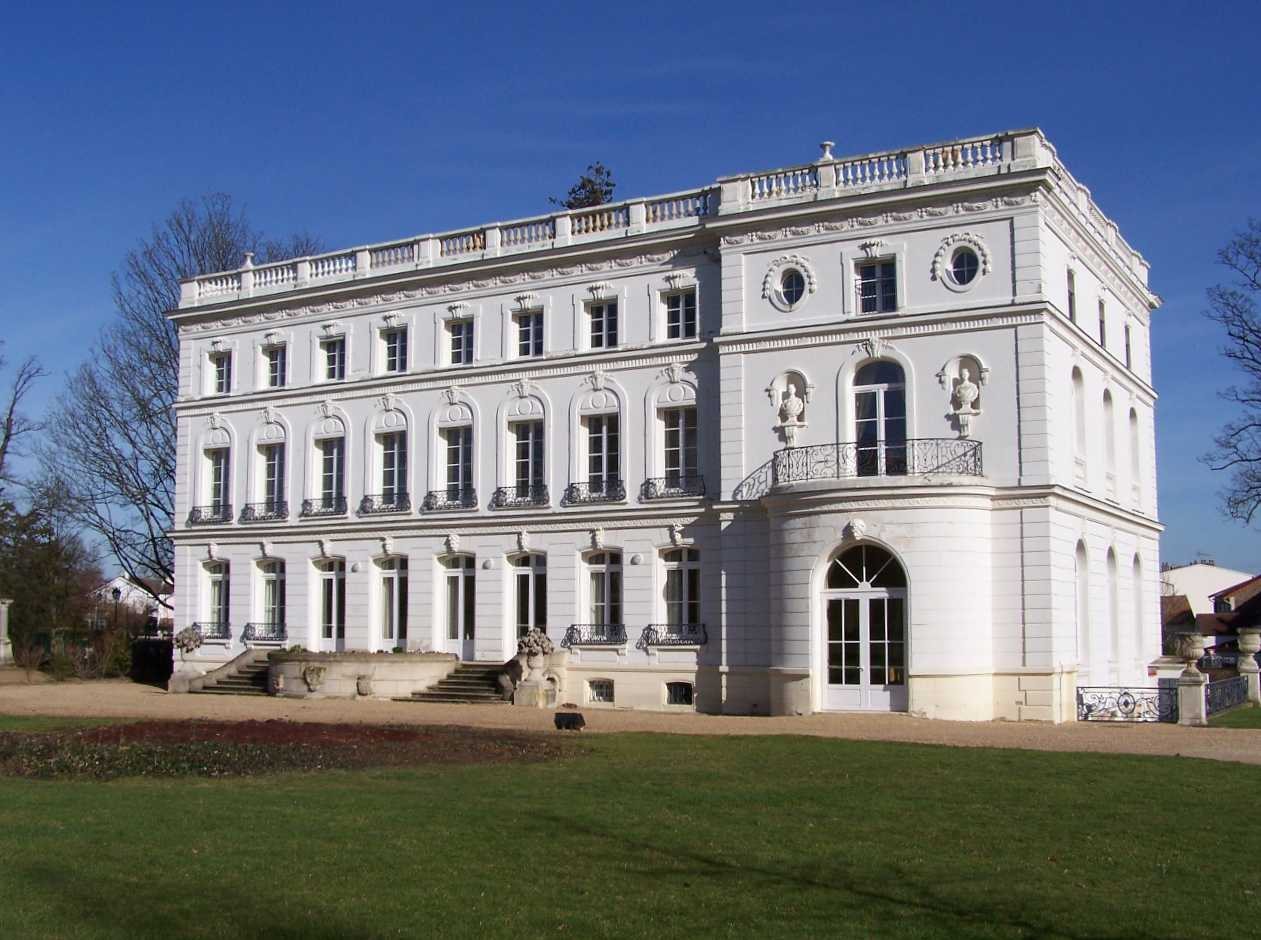
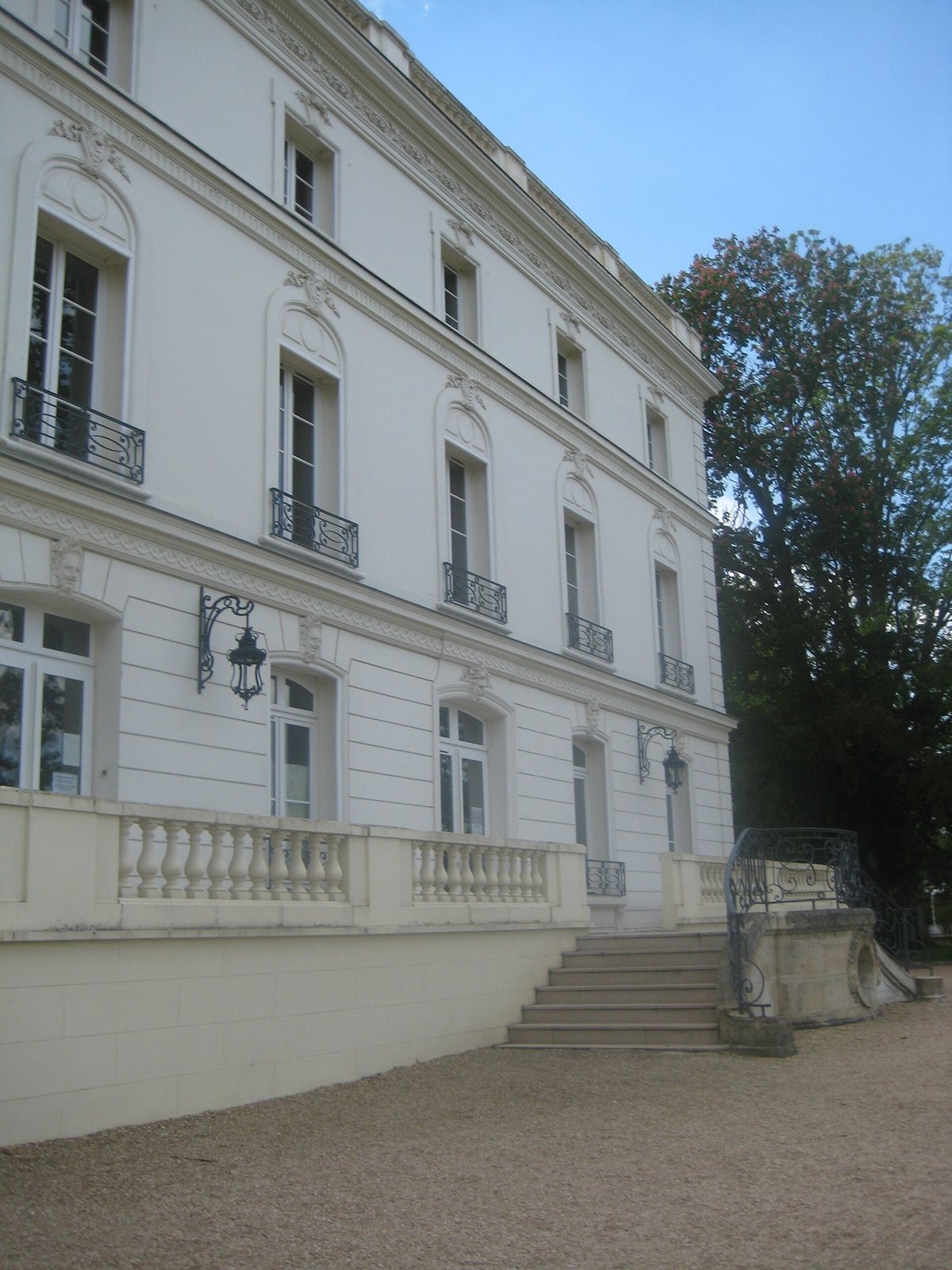
The château has three storeys, including an attic, an upper level commonly set beneath a roof. Its exterior features a large balcony in the Louis XV style, a flat roof edged with a balustrade, and sculpted niches in the façades. The entrance and staircase are among the building’s identified features.
The guard pavilion
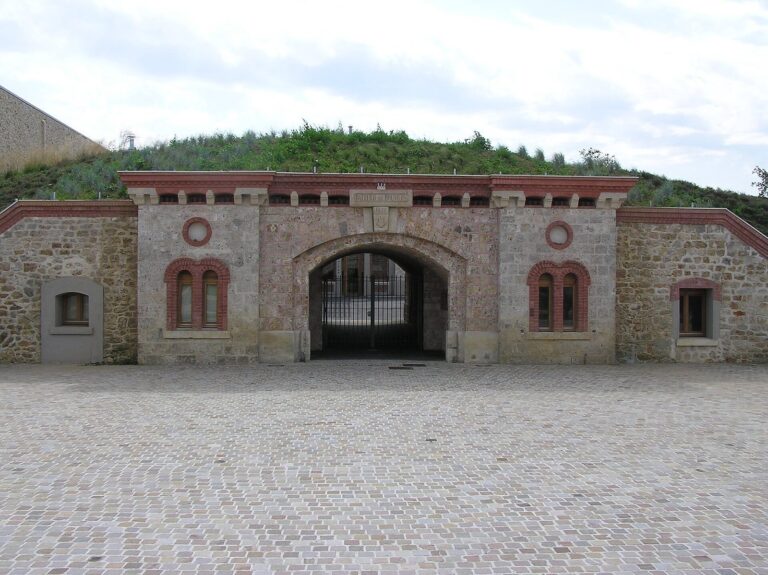
Set somewhat apart from the château, the guard pavilion is the last surviving remnant of the seventeenth-century buildings.
Garden features
Colonnade and canal
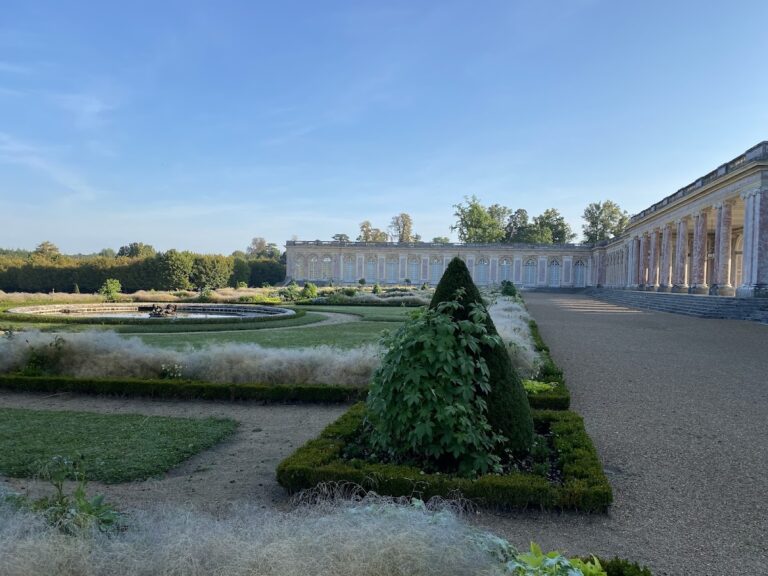
The gardens, now public, contain a colonnade in the Ionic order, a classical style distinguished by scroll-shaped capitals, as well as a canal.
Sculptures and stone features
Five sculptures stand in the gardens: personifications of Air and Spring, a sphinx, a pair of panthers, and Hebe with Jupiter’s eagle. Hebe is the Greek goddess of youth, and Jupiter is the chief Roman god. These sculptures are copies of works by the French sculptors Étienne Le Hongre and Pierre Legros the Elder. A statue pedestal bears a salamander, the emblem of Francis I, and a column is also among the garden’s features.