Mells Manor: A 16th-Century Manor House in the United Kingdom
Site at a Glance
- Popularity
- High
- Country
- United Kingdom
- Primary era
- Early Modern
- Eras represented
- Early Modern
- Civilizations
- English
- Site type
- Domestic
- Remains
- Manor House
On this page6 sections
History
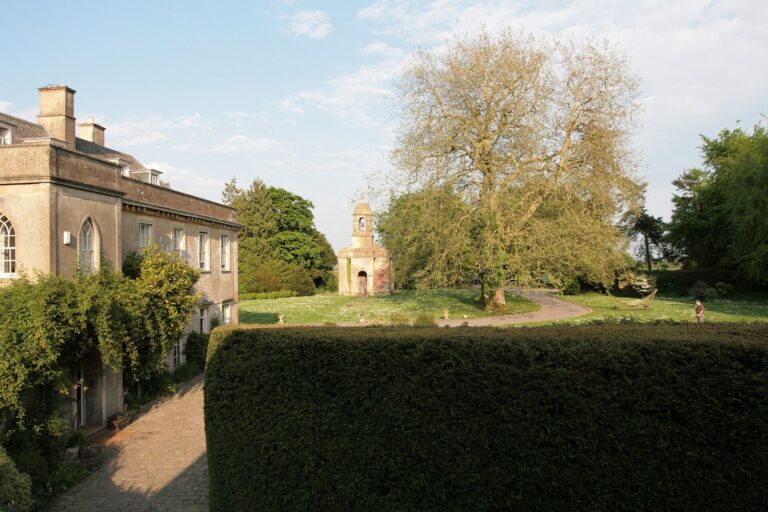
Mells Manor is a 16th-century manor house in the United Kingdom, built for Edward Horner. Its early history is tied to a tradition involving Thomas Horner and the transfer of monastic property during the reign of Henry VIII.
Sixteenth-century origins
According to tradition, Richard Whiting, the last abbot of Glastonbury Abbey, entrusted Thomas Horner with deeds concealed for presentation to Henry VIII in an effort to win royal favor as church lands faced confiscation. Horner was said to have found a deed to Mells Manor among them and kept it. The tale is associated with the nursery rhyme ‘Little Jack Horner.’ Horner’s descendants considered it more likely that the manor was bought from the King’s Commissioners, royal officials administering former church property, in 1543. Henry VIII’s government dissolved monasteries and seized their lands.
Seventeenth-century changes
The house was altered during the 17th century. In 1644, Charles I, king of England, Scotland, and Ireland, visited the manor with his troops.
Eighteenth-century changes
In 1724, Thomas Strangways Horner left the manor house in the village and commissioned Park House within Mells Park. Around 1780, approximately two-thirds of Mells Manor was demolished. The smaller house was later used as a farmhouse and then as a school for boys preparing for ordination as Christian clergy.
Restoration and later status
Sir Edwin Lutyens restored the manor in the 20th century. The manor and its rear garden walls received Grade I listed status in 1968, the highest category of listed-building protection in England. In 1984, the gardens were entered at Grade I on the Register of Historic Parks and Gardens. Mells Manor is a residence of the Earl of Oxford and Asquith.
Remains
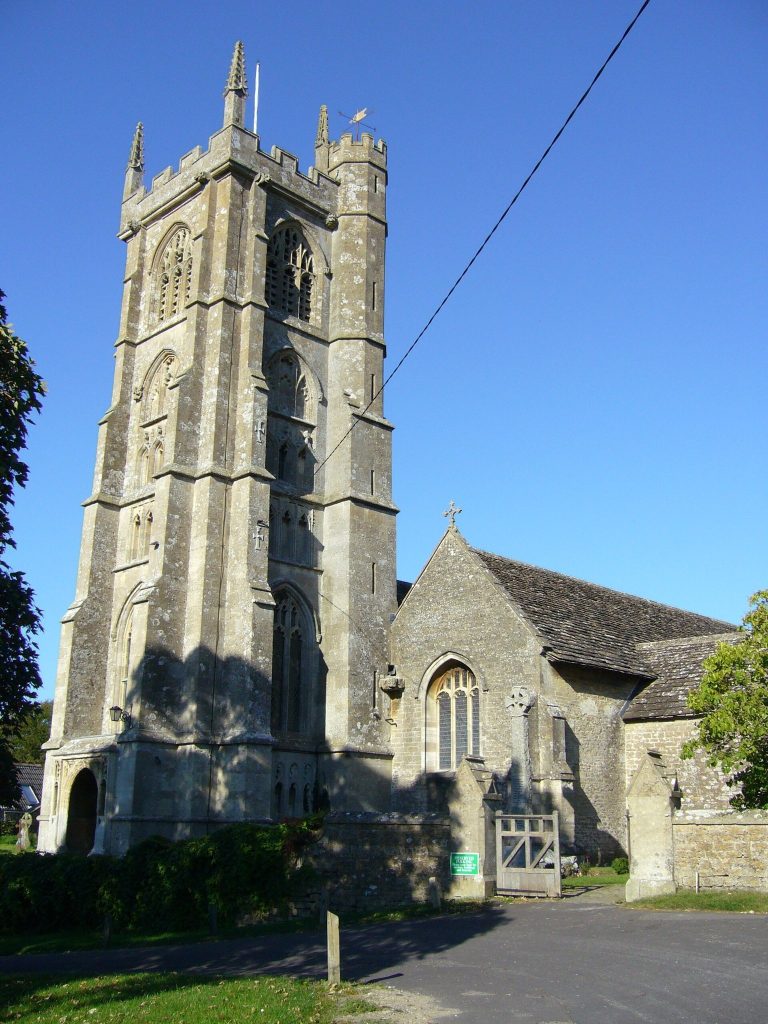
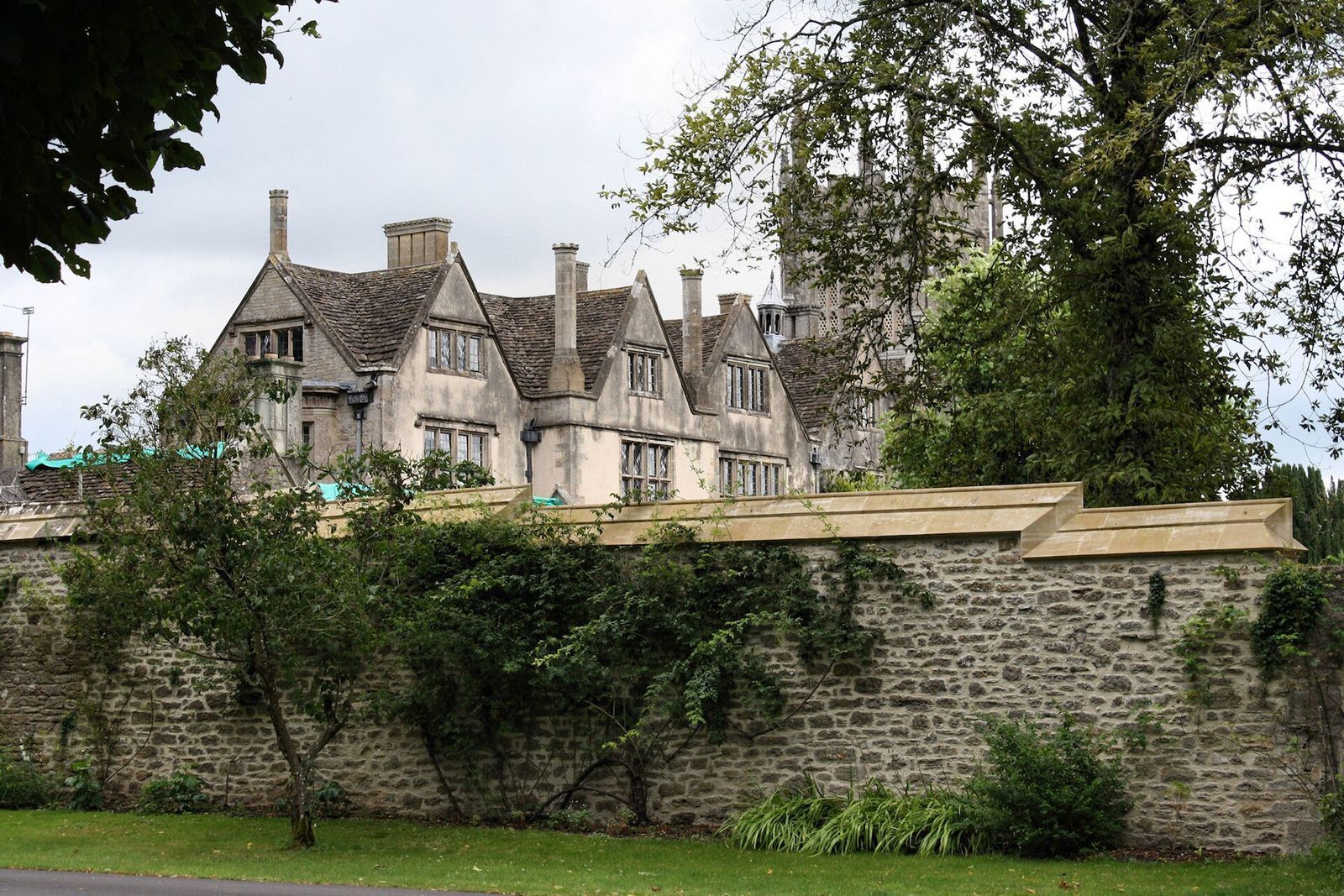
The present house is a reduced remnant of a larger building that included a north wing. Garden walls stand behind the house, with the gardens forming part of the site. Mells Manor is adjacent to and closely associated with the Church of St Andrew.