Palazzo Moncada: A Baroque Palace in Caltanissetta
Site at a Glance
- Popularity
- Medium
- Country
- Italy
- Primary era
- Early Modern
- Eras represented
- Early Modern, Modern
- Civilizations
- Habsburg, Habsburg Spain, Italian, Kingdom of Sicily, Spanish
- Site type
- Domestic
- Remains
- Elite Residence
On this page7 sections
History
Palazzo Moncada, also known as Palazzo Bauffremont, is a historic palace in Caltanissetta, Sicily, Italy. Begun in 1625 for the Moncada family, it combines Baroque design, an early modern European style associated with elaborate ornament and dramatic forms, with Renaissance influences. The palace belonged to the Paternò branch of the Moncadas, whose members held lordship over Caltanissetta.
Construction under the Moncada
Prince Luigi Guglielmo I Moncada, a member of the Sicilian noble family and a feudal landholder with authority over the Caltanissetta county, initiated the project. He commissioned designs from Palermo architect Carlo d’Aprile. Political upheavals in Sicily involving the prince interrupted construction, and the palace was built around 1651.
Institutional and theatrical uses
In 1778, the building became an orphanage. After 1892, it housed Caltanissetta’s Court of Appeal. Princess Maria Giovanna di Bauffremont purchased the palace in 1915, bringing its residential use to an end. The Trigona della Floresta family acquired it in 1938, and it subsequently served as a cinema and theatre called Cinema-Theatre Trieste. The venue was later known as Bauffremont, and from 2009 its cinema and theatre use continued under the name Moncada multiplex.
Municipal and cultural use
After the 1970s, the palace passed to the municipality and housed municipal offices. From 2010, further rooms were used as an art gallery for exhibitions and occasional events. Its permanent displays focus on the Moncada, former lords of Caltanissetta, and the sculptor Michele Tripisciano and his museum.
Remains
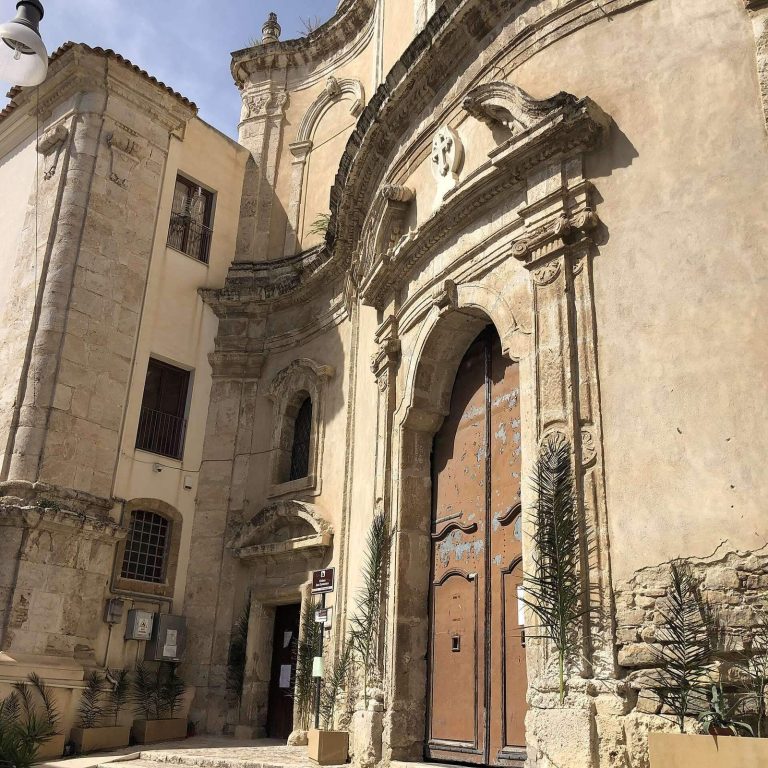
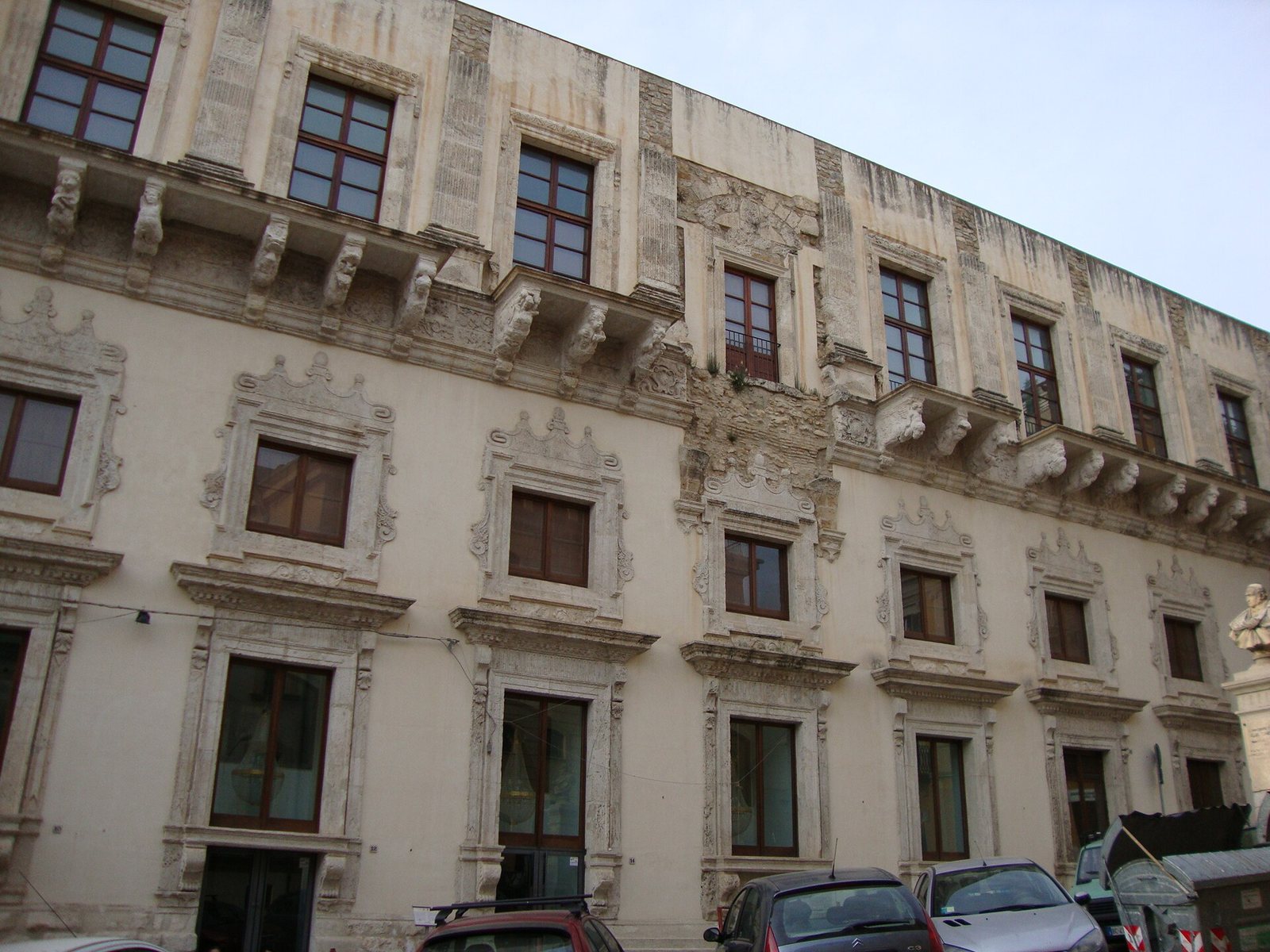
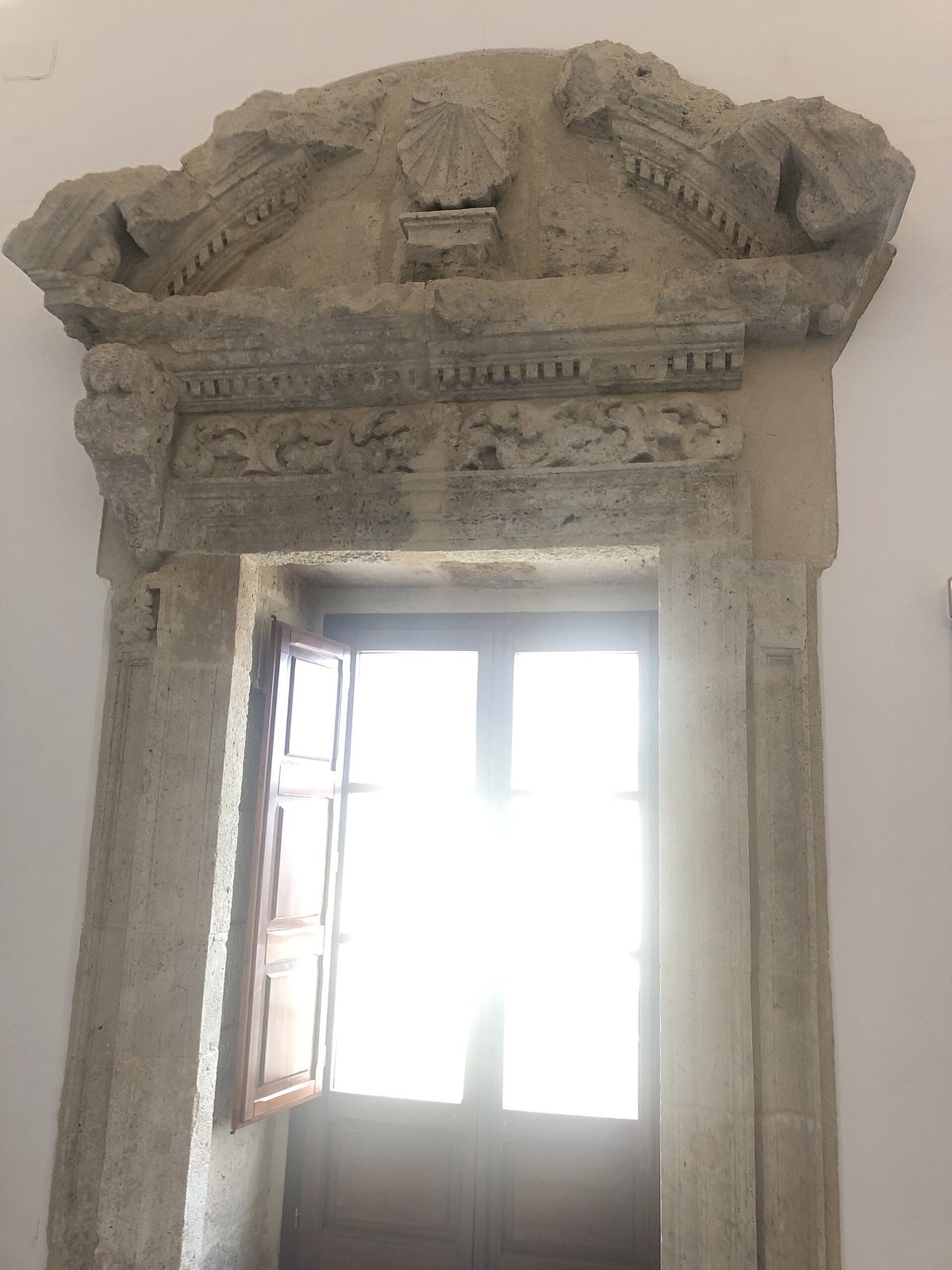
The palace has a quadrangular plan, occupies a large city block, and rises three levels. Its architecture brings together Baroque and Renaissance influences, while its unfinished façade and later performance spaces reflect different stages in the building’s use.
Plan and façade
The façade remains unfinished, particularly at the principal floor. Its elaborate Baroque friezes depict animal and human forms. Part of the building faces Largo Barile.
Performance spaces
A large hall and gallery were added for theatrical performances after Princess Maria Giovanna di Bauffremont acquired the palace. They are in the Liberty style, the Italian form of Art Nouveau popular around the turn of the twentieth century. A separate performance hall occupies the courtyard.