Allmendingen Castle: A Historic Castle Complex in Germany
Site at a Glance
- Popularity
- Medium
- Country
- Germany
- Primary era
- Early Modern
- Eras represented
- Early Modern
- Civilizations
- Holy Roman Empire
- Site type
- Domestic
- Remains
- Castle
On this page7 sections
History
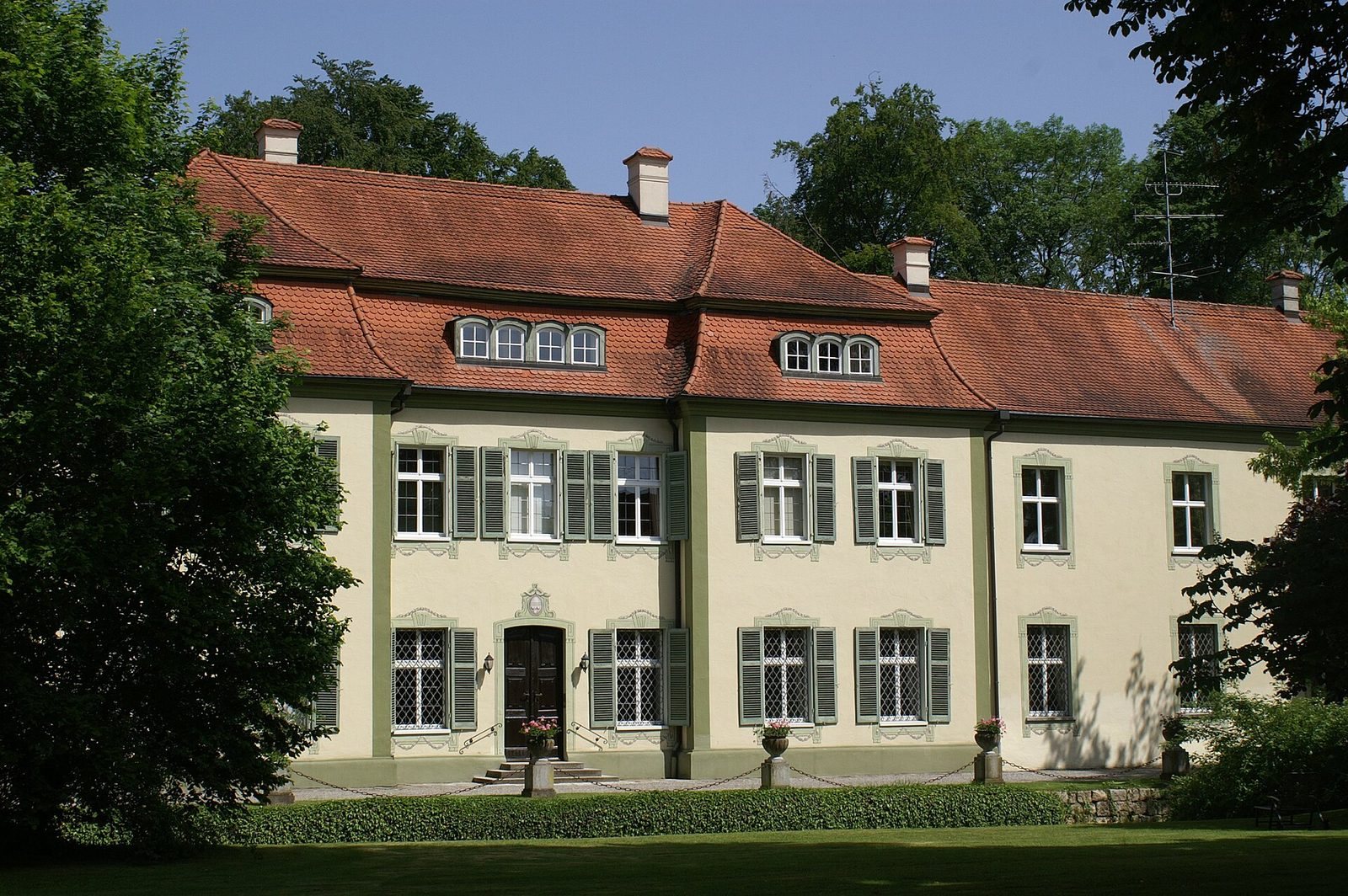
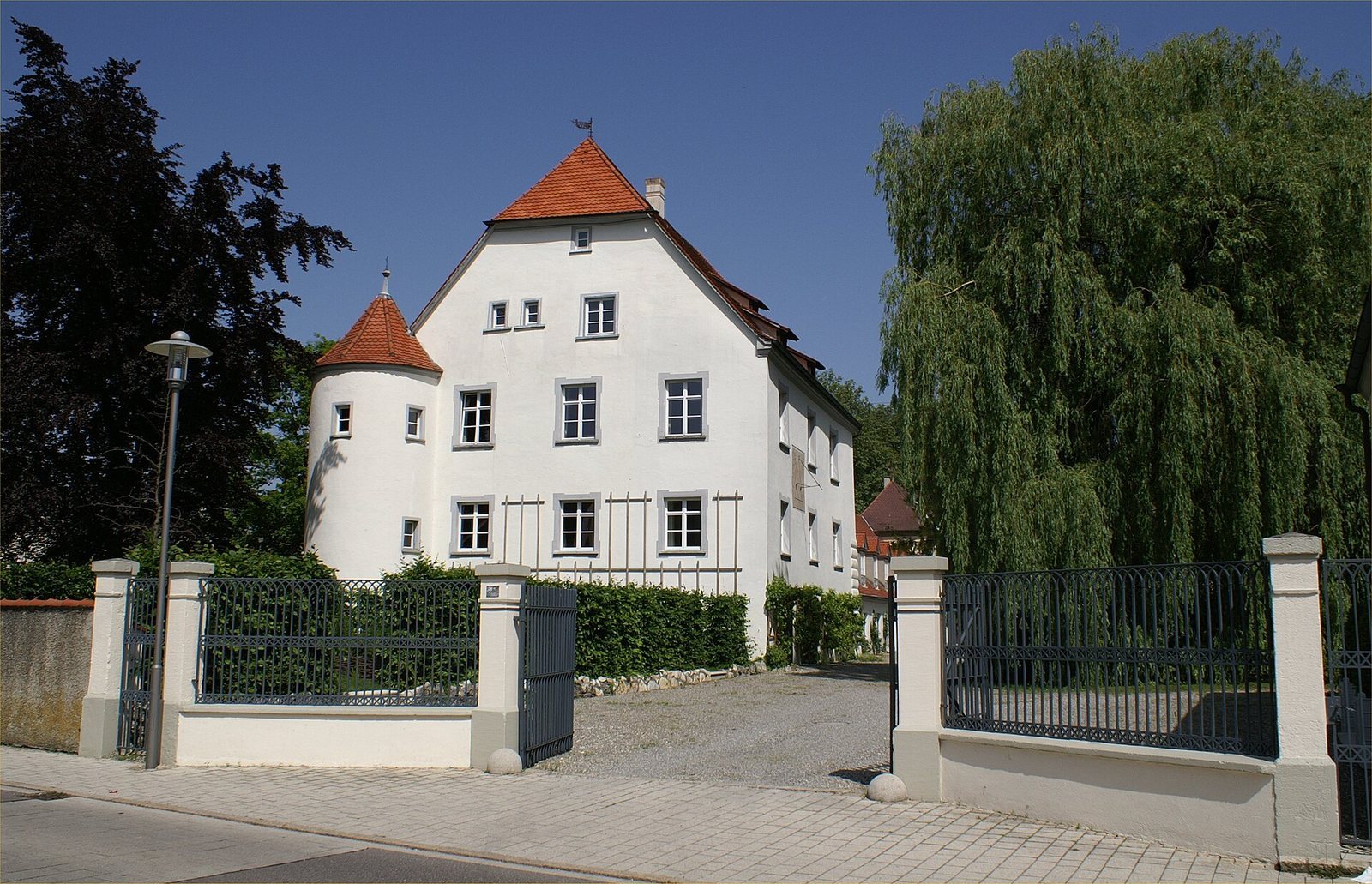
Allmendingen Castle, comprising an Old Castle and a New Castle, stands in central Großallmendingen in the municipality of Allmendingen, Germany. Its New Castle was built in 1783–84 by the Barons von Freyberg-Eisenberg zu Allmendingen, while the Old Castle’s origins remain uncertain.
Early ownership and the Old Castle
In 1516, Johannes Renner, an adviser to the emperor and an official assigned to carry out particular tasks, was recorded as the owner of a castle at Allmendingen, possibly the Old Castle. By 1527, the old castle was dilapidated, and the Renner family moved to Ehingen. The Old Castle’s construction date is not known; work may have begun around 1593, but it is unclear whether the Renners or the Barons von Freyberg zu Altheim initiated it.
After disputes with Urspring Monastery, the Renners sold their share in Allmendingen to the city of Ehingen in 1593 for 70,000 gulden. Ehingen may have been concerned that the area would become Protestant, a Christian tradition that emerged from the Reformation. In the same year, the city transferred the former Renner property at Allmendingen to Hans Walter von Freyberg zu Altheim.
Later changes
The Barons von Freyberg-Eisenberg zu Allmendingen built the New Castle in 1783–84. In 1784, the Long Building linked it to the Old Castle. A park behind the castle was laid out in the last third of the nineteenth century. The New Castle remained in the possession of the barons.
Remains
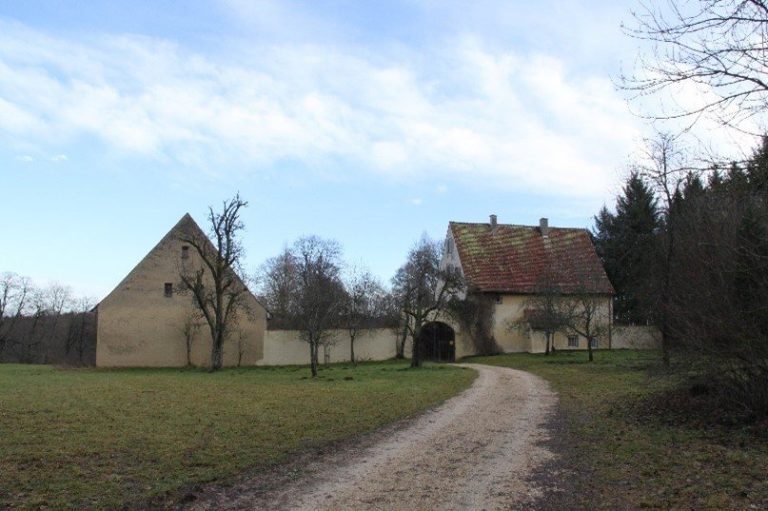
The complex consists of the Old Castle and the New Castle. The former was laid out as a moated castle, while the New Castle has a three-winged main building. Gardens, a chapel, and connecting buildings form part of the arrangement around them.
The Old Castle
Ditches surrounded the Old Castle. Its street-facing west side had two towers, and one survives. An eastern stair tower stood where the Long Building was later constructed. A drawbridge crossed the moat to the stair tower, while the present entrance is on the north side. A paved area with a well may have been located east of the drawbridge.
The New Castle and connections
The New Castle’s main building has three wings, with a small castle garden to its east. The Long Building connects it to the Old Castle. The New Castle’s north wing was later extended toward the Old Castle as a passage known as the Long Passage.
The chapel and grounds
The castle chapel stands north of the New Castle. It contains the gravestone of Walburga von Kopenhagen, who died in 1789. A park lies behind the castle.