Château Sainte-Marie d’Agneaux: A Fortified Residence in France
Site at a Glance
- Popularity
- Medium
- Country
- France
- Primary era
- Medieval
- Eras represented
- Medieval, Early Modern, Modern
- Civilizations
- French
- Site type
- Domestic
- Remains
- Castle
On this page8 sections
History
Château Sainte-Marie d’Agneaux is a fortified residence dating to the 13th century, near Saint-Lô in France. Its history is tied to the fief of Agneaux, a landed holding under the barony of Saint-Lô, a lordship headed by a baron.
The lords of Agneaux
Herbert d’Agneaux, who lived in the 11th century, is the earliest known lord of Agneaux. A charter concerning a gift to Coutances Cathedral names him. In 1373, the knight Jehan de La Haye, husband of Jehanne Paisnel, declared that he held the fief from the bishop of Coutances, who was also baron of Saint-Lô. Reignier d’Esquay appears to have followed Guillaume de La Haye. By about 1428, Reignier’s son Richard held the lordships of Agneaux and Caenchy. Richard died in 1460, leaving four daughters.
The Sainte-Marie family
Richard’s second daughter, Girette d’Esquay, married Raoul de Sainte-Marie, who died in 1496. Their son Jean married the sister of Bertin de Silly, a chamberlain, or officer of the royal household, to Louis XI, king of France from 1461 to 1483. Their son, also named Jean, governed Saint-Lô until 1563, when an edict of pacification required him to evacuate the town.
Jean’s elder brother, Nicolas de Sainte-Marie, was lord of Agneaux and died in 1591. He was a knight of the King’s Order, a gentleman of the royal chamber, and captain of the castles of Valognes and Granville. His son Jacques inherited the fief. Jacques governed Granville and the Chausey Islands, was a knight of the Order of Saint Michael, a French order of chivalry, and served in the chambers of Henri IV and Louis XIII, successive French kings.
Seventeenth-century succession
Jacques and his wife, Catherine de Harlus, had a son, Jacques II de Sainte-Marie, who died in 1641. His elder son, Jacques III, succeeded him and governed Granville until his death there in 1664. Jacques III was followed by his son François-Louis, born to Madeleine Boutin. François-Louis died young, as did his first son, Nicolas-Thomas; a second son inherited.
Eighteenth-century inheritance and later history
Jean-Jacques-René de Sainte-Marie served as a royal page in 1720. When his father died in 1728, he inherited the lordship of Agneaux and the title of marquis of Sainte-Marie, a high-ranking noble title. He married Catherine Jacquier de Viels-Maisons. Their son, also named Jean-Jacques-René, had been a captain in the Orléans Regiment, a French infantry regiment, and was a knight of the Order of Saint Louis, a French royal military order. He married Louise-Françoise Pestalozzi in 1774 and died in 1787, leaving several children.
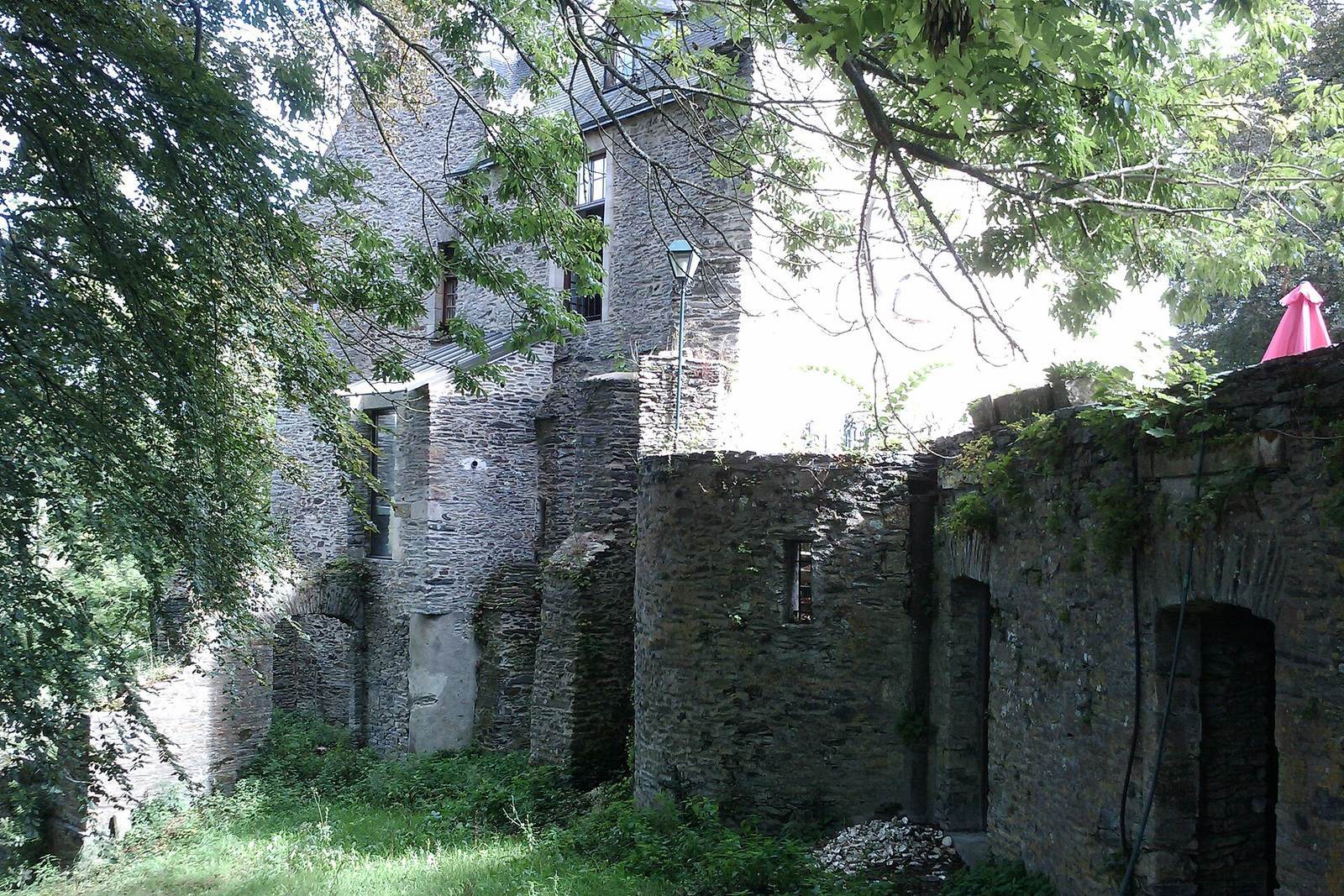
The château suffered extensive destruction in the late 18th century, and restoration took place between the 15th and 19th centuries. The farm entered the register of historic monuments in 1946. In 1974, the château’s façades and roofs were added, except for those of its 19th-century wing.
Remains
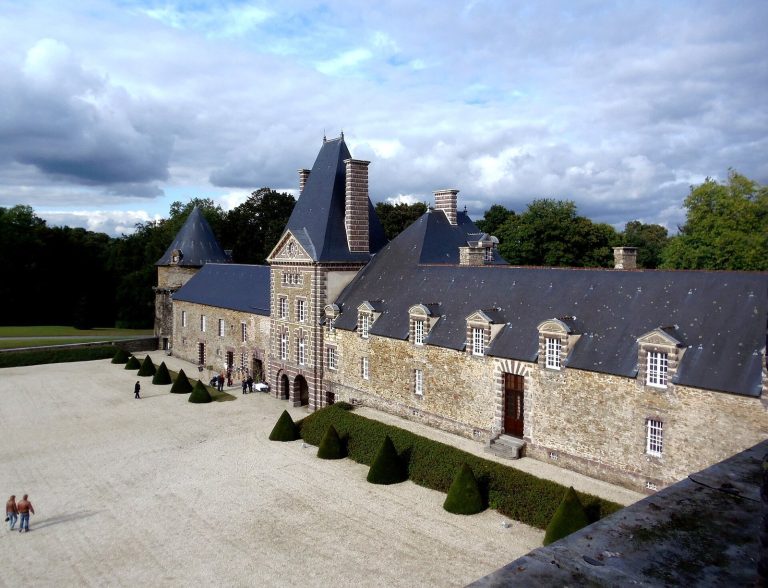
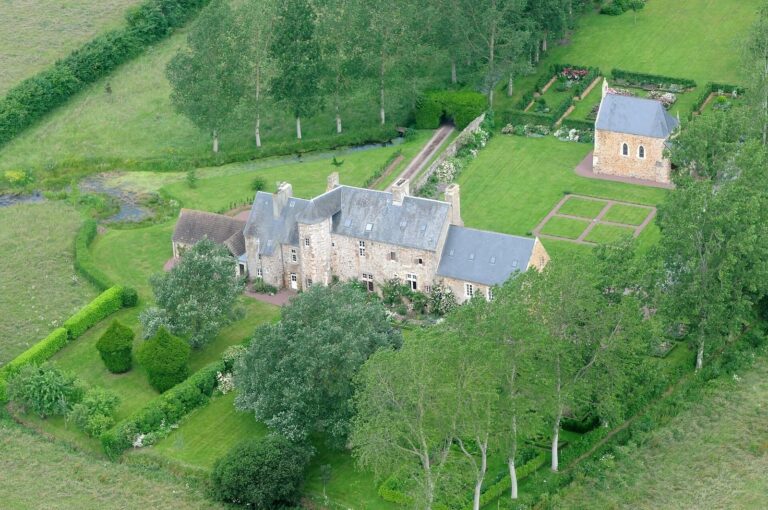
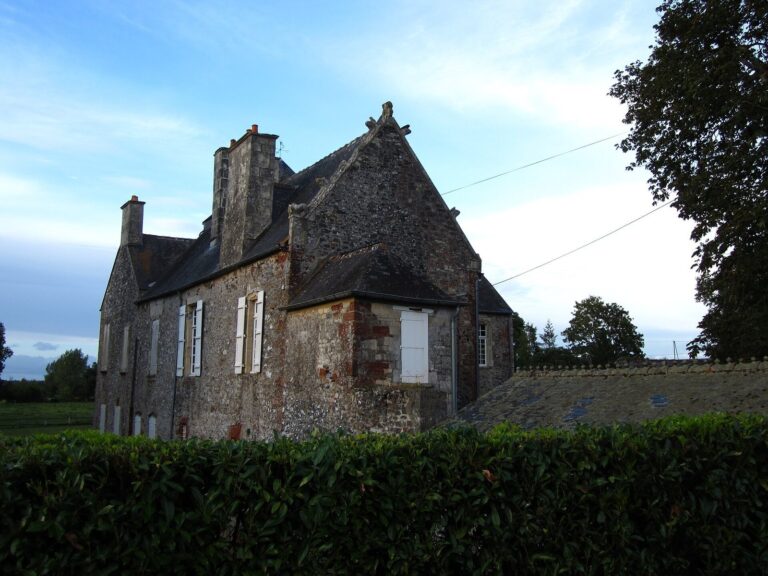
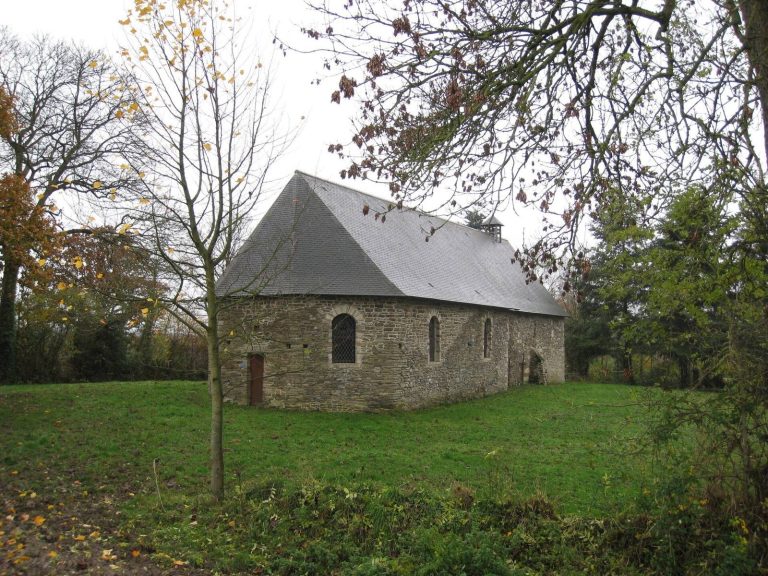
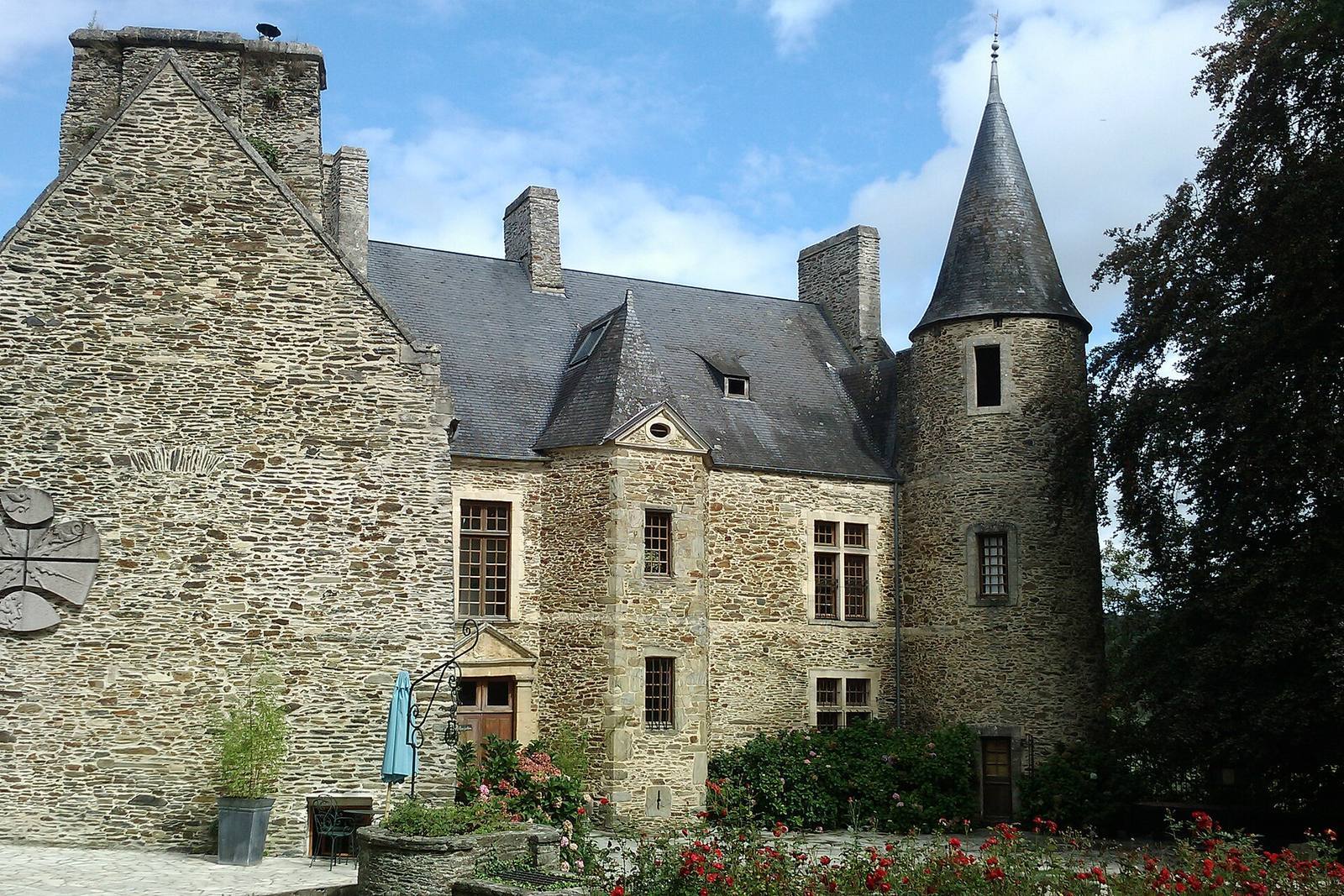
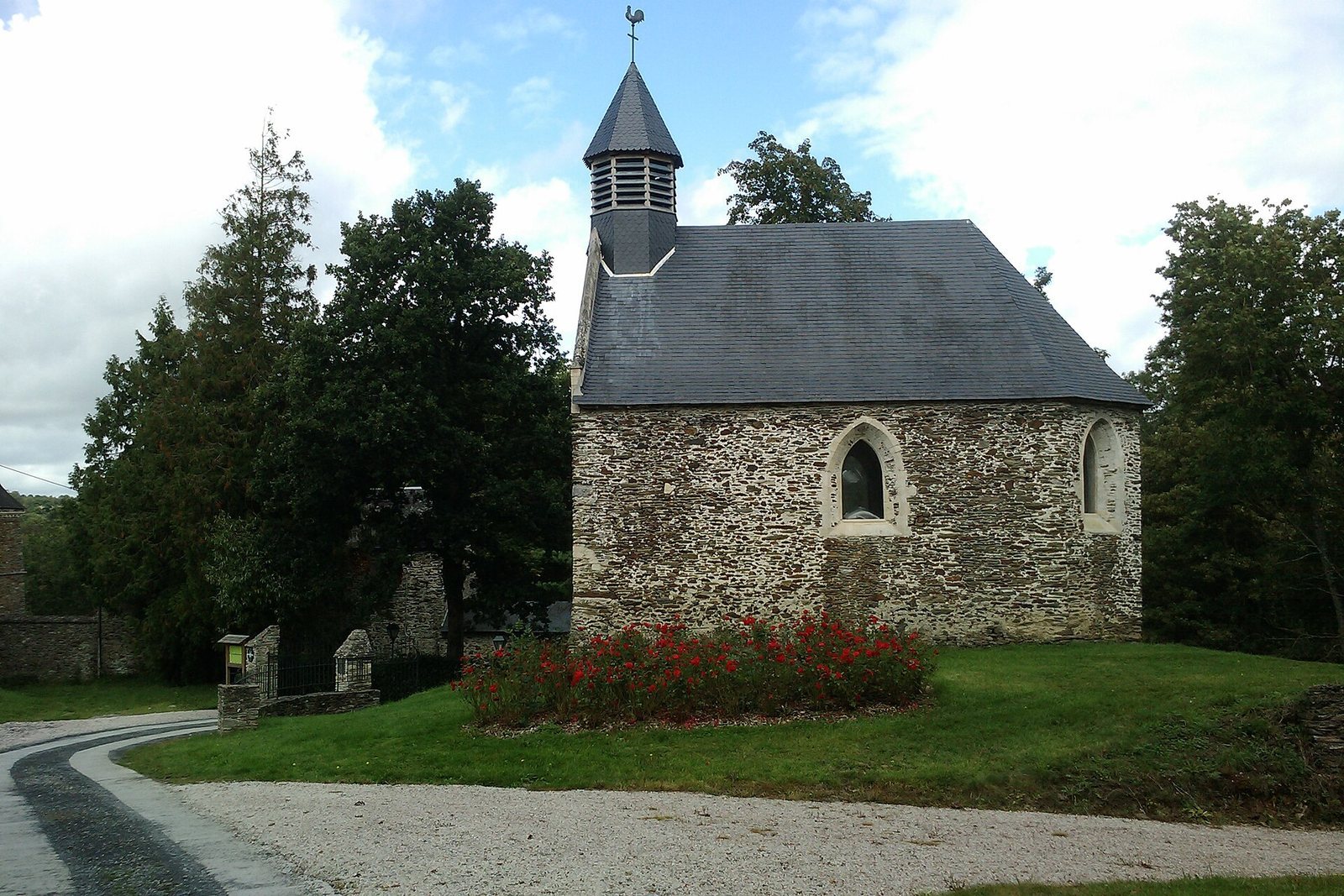
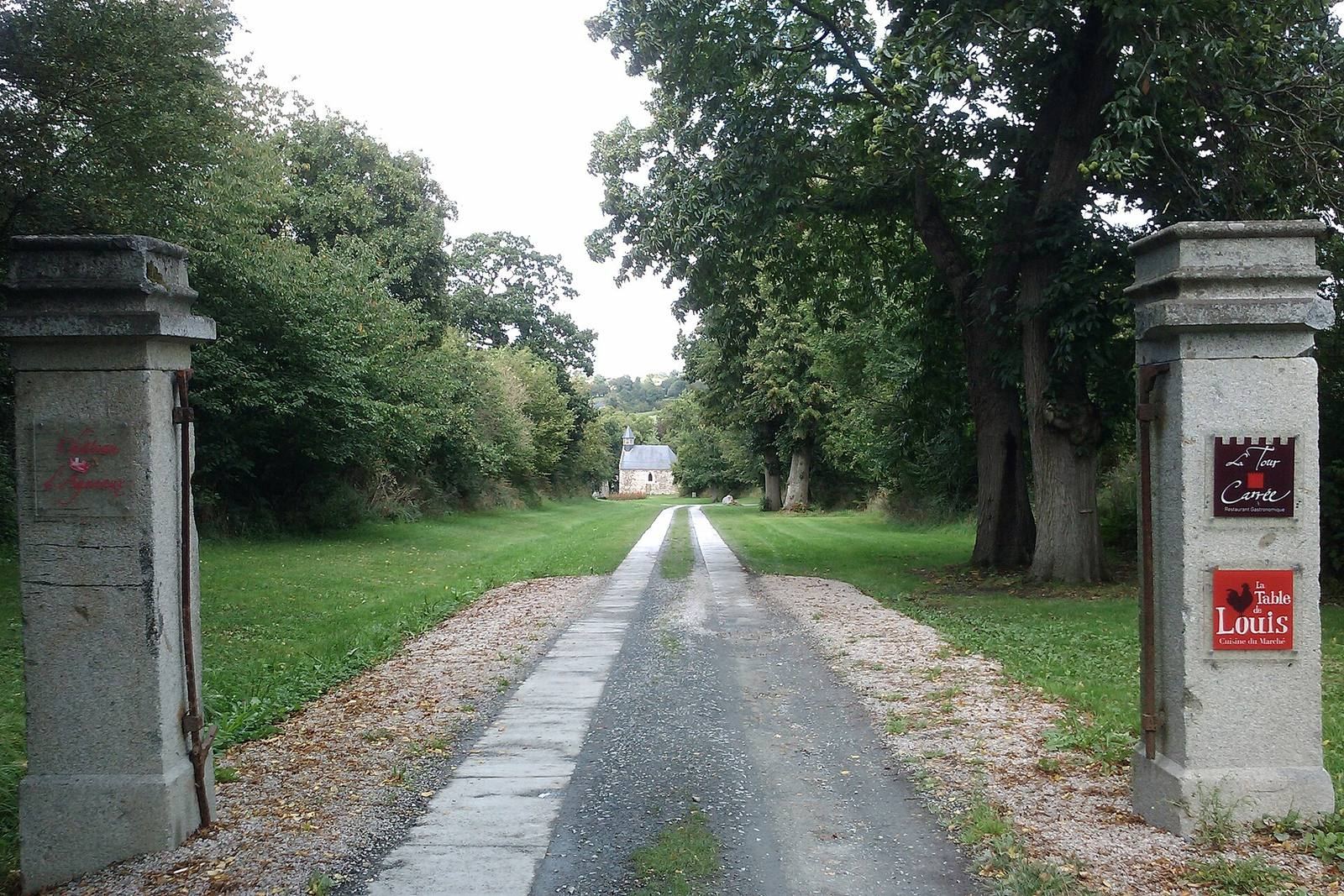
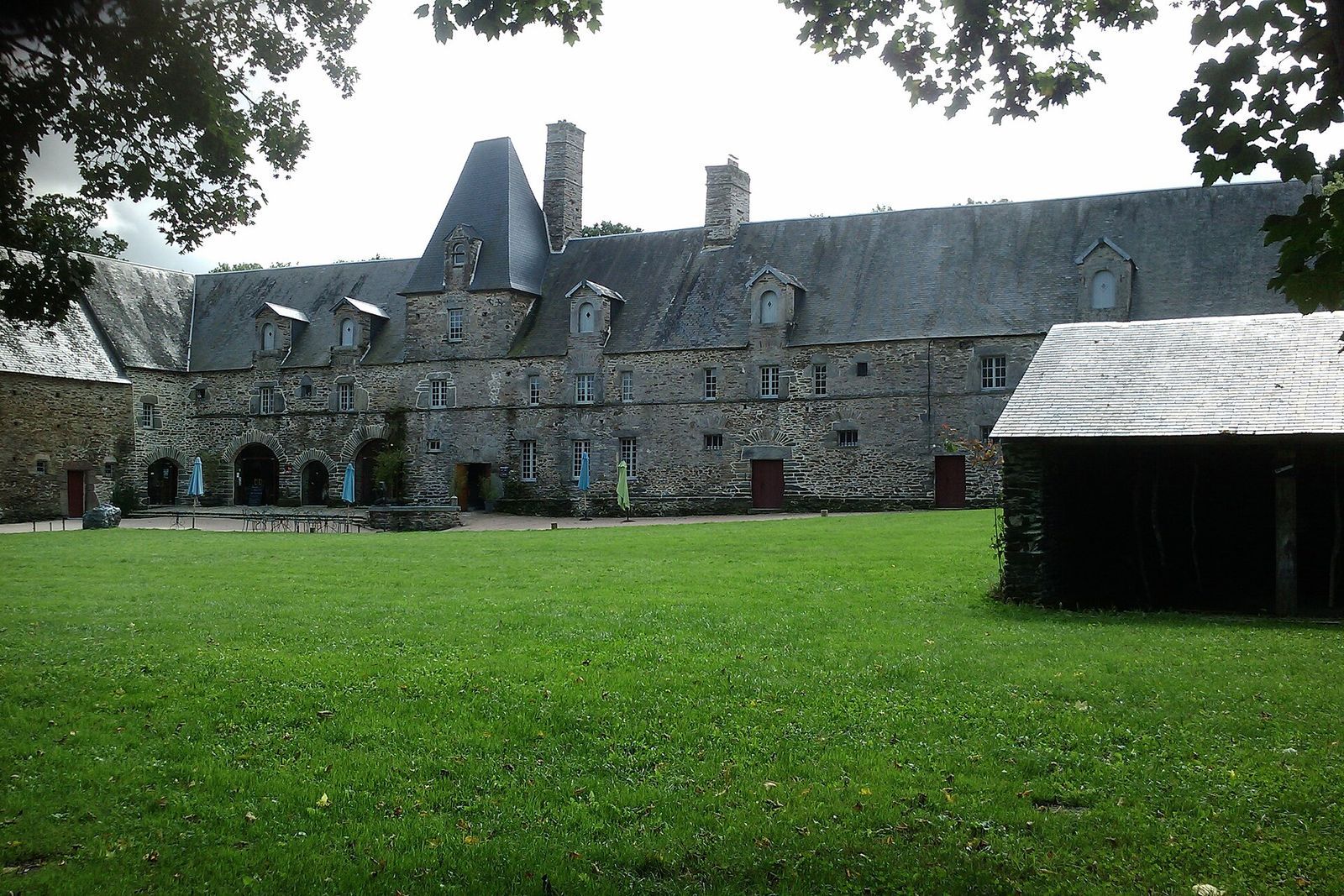
The complex stands on a wooded hill overlooking the Vire valley, about 800 metres northwest of Agneaux, on the outskirts of Saint-Lô. Its features include the fortified residence, a chapel, a farm, and a wing dating to the 19th century.
Residence and chapel
The residence was altered in the 15th and 16th centuries, and portions of its fabric from those periods survive. A chapel forms part of the complex; in the 16th century it was temporarily used as a place of worship in the Reformed Protestant tradition.
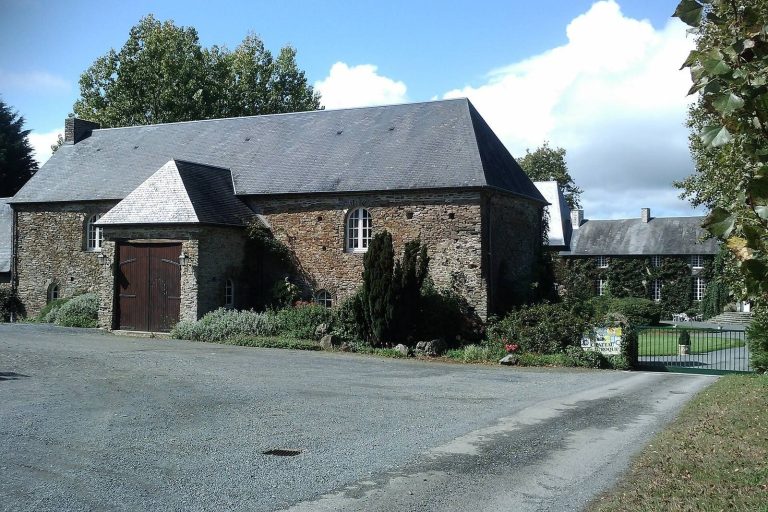
Farm
The château farm dates to the 17th century and is built of travertine.