Burnt Norton: A Gloucestershire Manor House
Site at a Glance
- Popularity
- Medium
- Country
- United Kingdom
- Primary era
- Early Modern
- Eras represented
- Early Modern
- Civilizations
- British
- Site type
- Domestic
- Remains
- Manor House
On this page5 sections
History
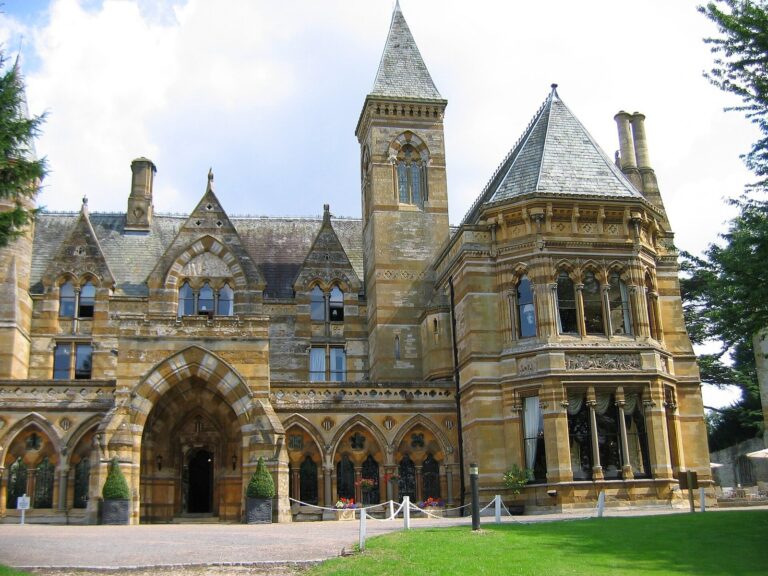
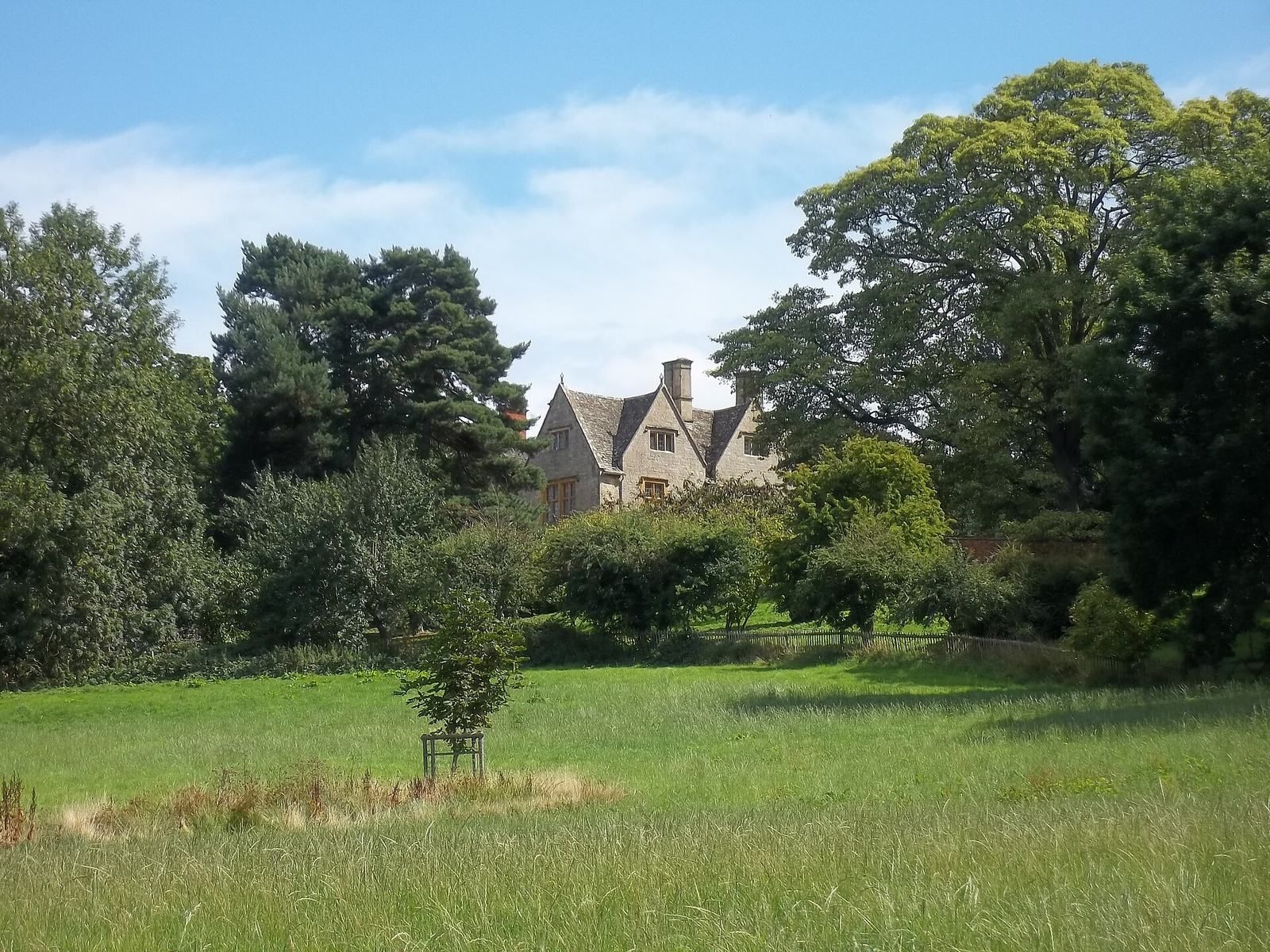
Burnt Norton is a manor house at Aston-sub-Edge, near Chipping Campden in Gloucestershire, United Kingdom. Its history includes an 18th-century fire and rebuilding, periods of use as a school, and a literary association with T. S. Eliot.
Keyt and the 1741 fire
Sir William Keyt, 3rd Baronet, a hereditary British titleholder below the peerage, represented Warwick in Parliament from 1722 to 1735. He left his wife in London and lived on his Cotswold estate with her maid, who became his mistress. Keyt spent much of his fortune enlarging and improving the manor. His mistress encouraged the additions with a quip about a kite needing wings. In September 1741, fire spread through the house. Attempts to rescue Keyt failed, and only a small portion of his remains could be buried at the church in Aston-sub-Edge. The cause was uncertain: it was attributed either to Keyt setting the fire deliberately while deranged or to his starting it after heavy drinking.
Ryder rebuilding
Sir Dudley Ryder, an English lawyer and politician whose descendants included holders of the hereditary British peerage title Earl of Harrowby, bought the property in 1753. He rebuilt the house and named it Burnt Norton. The property has remained in his family ever since.
School use and literary association
During the Second World War, Tudor Hall school used the house as a girls’ boarding school. After the war, the house served as a school for boys from inner cities. Following three decades of vacancy, it was restored as a family home in 1998.
Poet T. S. Eliot visited the estate garden with his friend Emily Hale, an American educator with whom he was suspected of having a romantic relationship. After the visit, he wrote “Burnt Norton,” the first poem in his sequence Four Quartets.
Remains
The estate includes a manor house and a garden. During Sir William Keyt’s improvements, two large extensions were added to the sides of the house.