Tiškevičiai Palace: A Family Residence and Amber Museum in Palanga
Site at a Glance
- Popularity
- Medium
- Country
- Lithuania
- Primary era
- Modern
- Eras represented
- Modern
- Civilizations
- Russian
- Site type
- Domestic
- Remains
- Elite Residence
On this page10 sections
History
Construction and family use
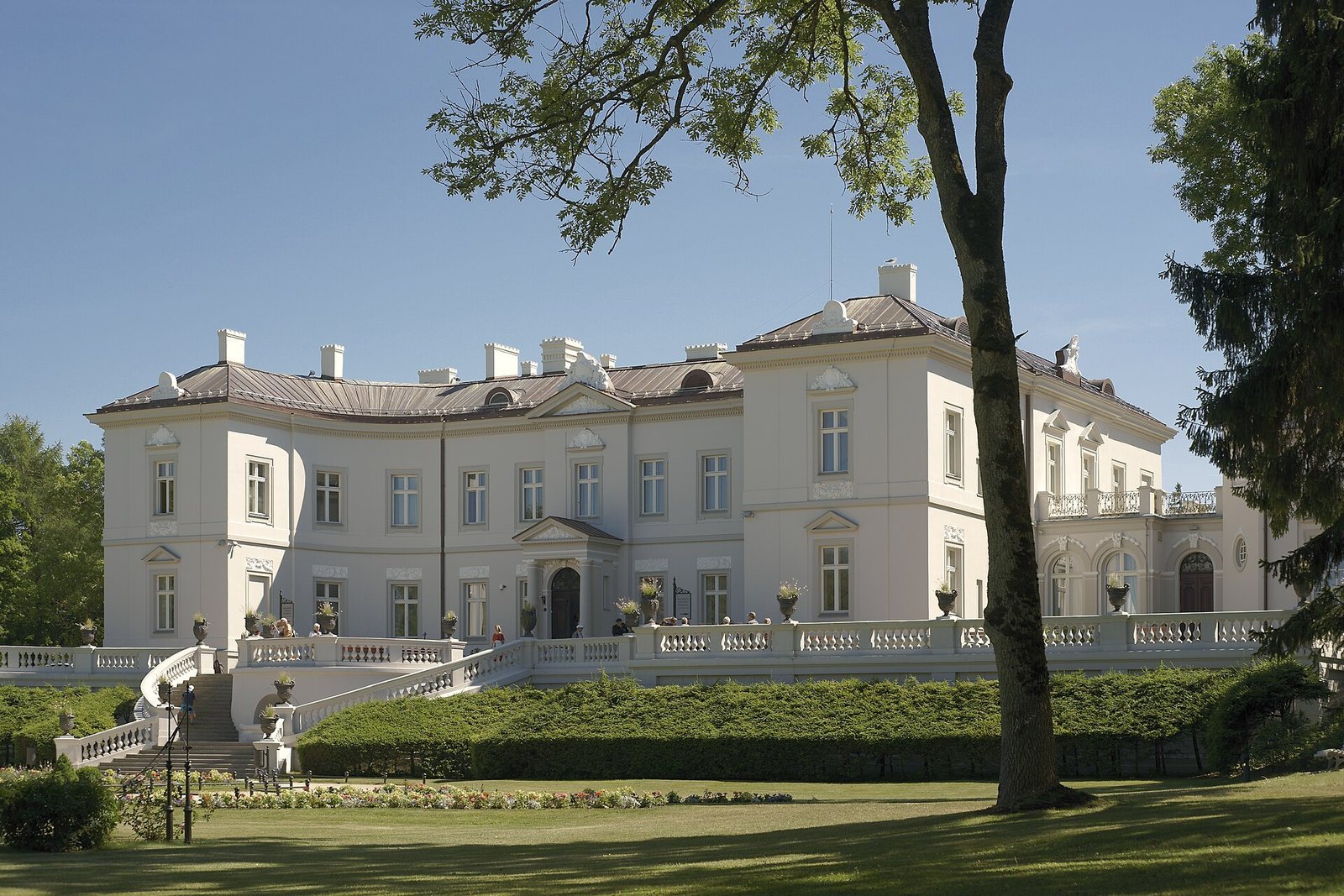
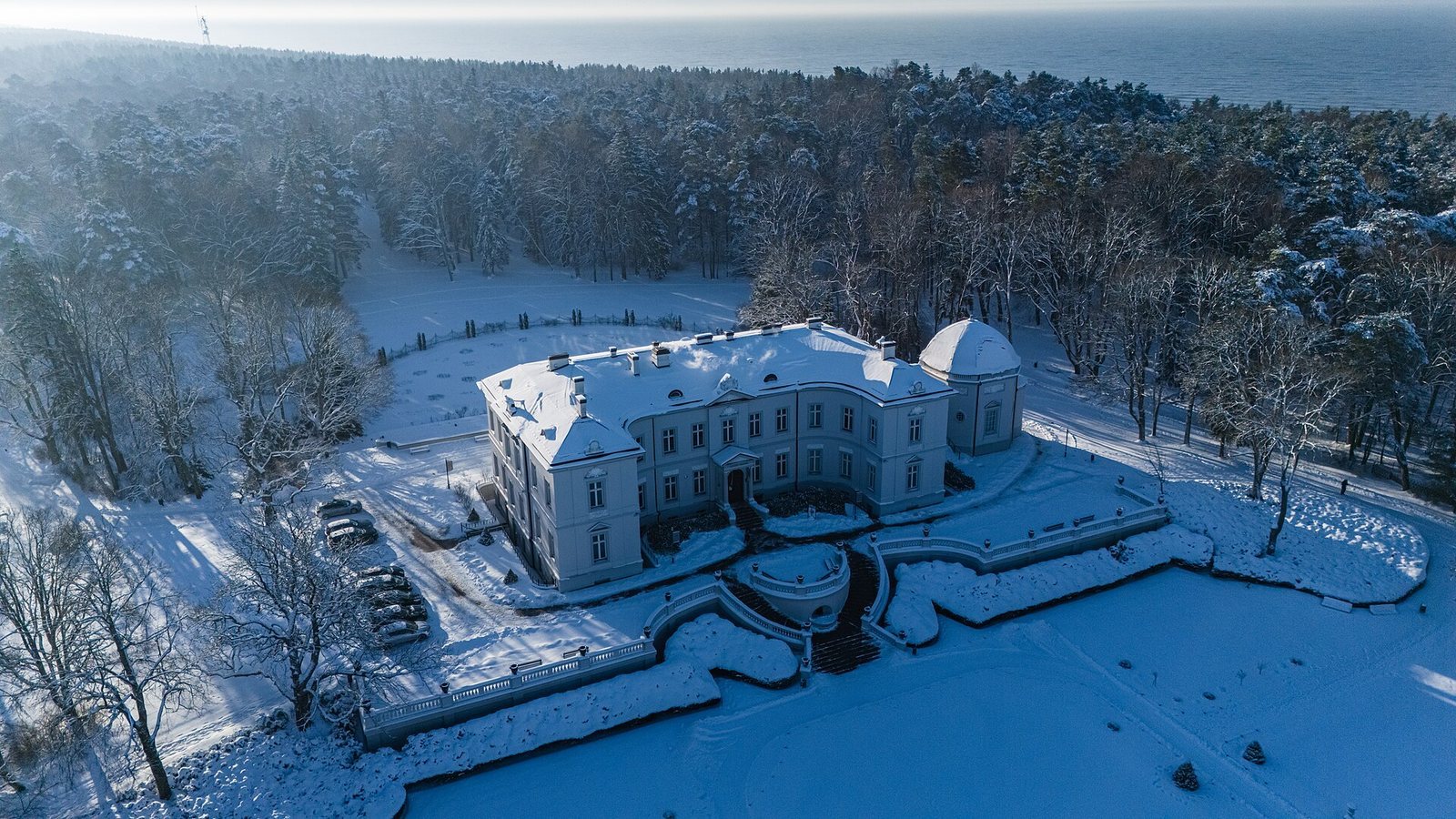
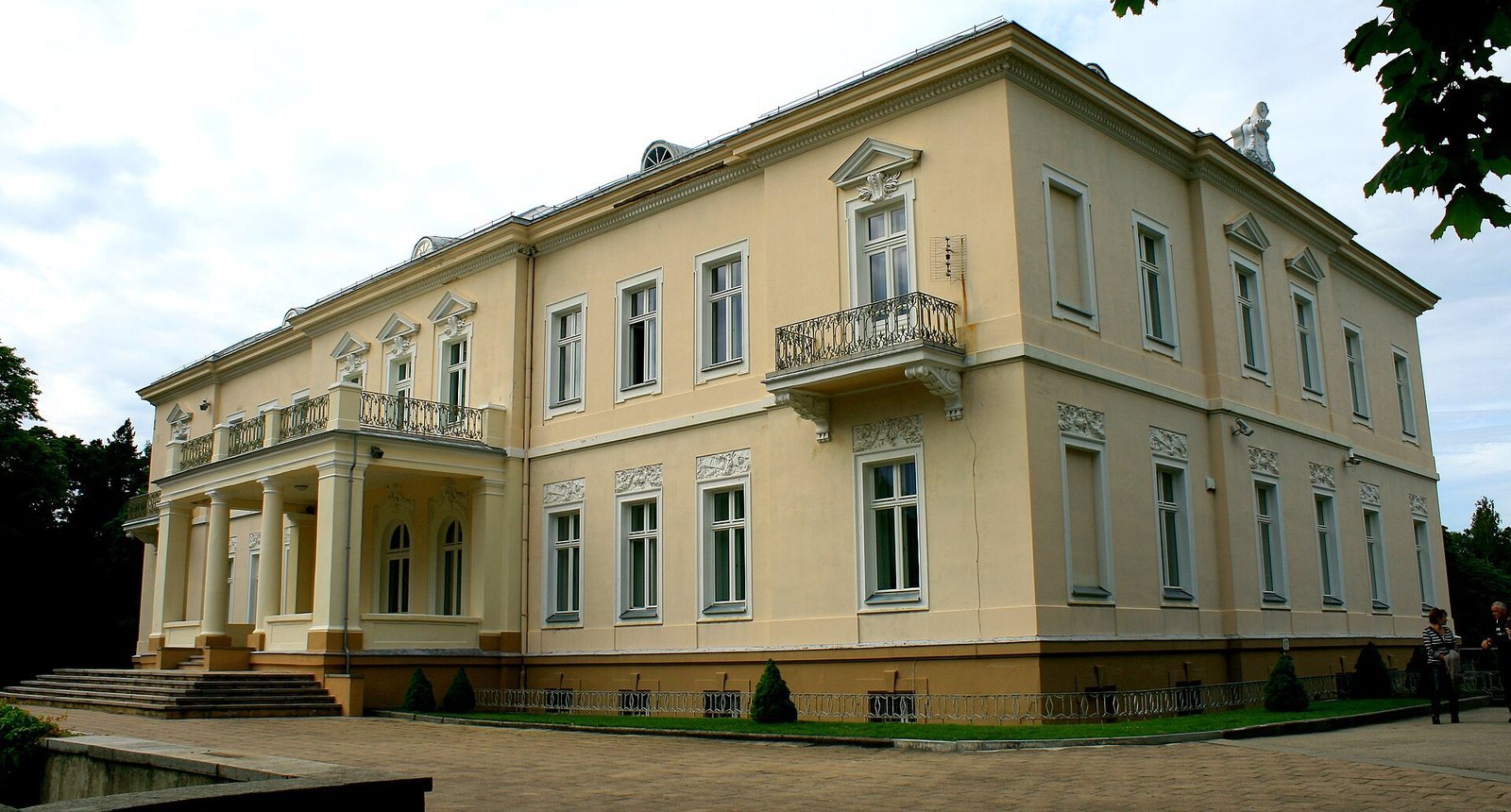
Tiškevičiai Palace is a former family residence in Palanga, Lithuania, commissioned by Feliks Tyszkiewicz and built from 1893 to 1897. Designed by German architect Franz Heinrich Schwechten, it combines Italian Neo-Renaissance architecture with Neoclassical and Baroque Revival elements. It replaced an earlier wooden manor beside the Rąžė River.
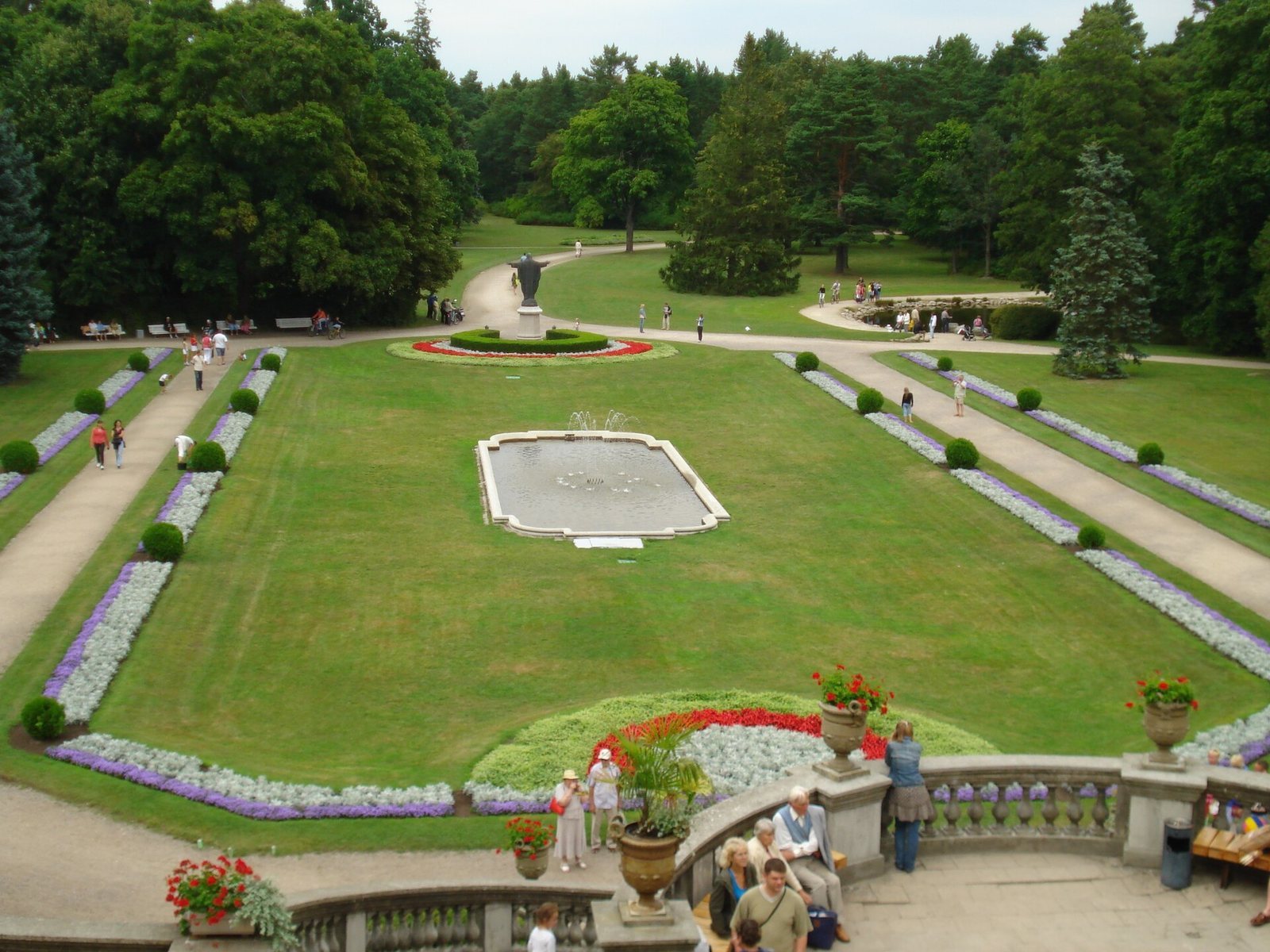
Work on the gardens began in 1895 under French landscape architect Édouard François André and his son, and continued for three years. The project involved clearing old trees and introducing new plant species; some local residents objected to the removal of trees they regarded as sacred. Schwechten also designed a nearby chapel, begun in the early twentieth century, nearly a decade after the palace was built.
In 1907, after his wife Antonina gave birth to their son Stanisław following a difficult pregnancy, Feliks commissioned a statue of Jesus blessing. Its maker is uncertain: it has been attributed either to Danish sculptor Bertel Thorvaldsen or to one of his apprentices.
War and displacement
An expansion begun in 1916 was not completed. Schwechten had drawn up plans to enlarge the upper floors and veranda, while German bombardment during the First World War damaged the palace.
During the Second World War, Antonina, Stanisław, his wife Wanda, and their daughter Renia had to leave their home in Palanga. Unable to return safely, they settled in Canada. Stanisław left his share of the family estate to Wanda. His younger brother, Count Alfred Tyszkiewicz, also left Lithuania and donated his share of the palace to the city of Palanga.
Nationalization and the museum
In 1948, Lithuanian communist authorities ordered the Jesus statue removed. After the war, the palace was nationalized and fell into neglect. Renovations led by Lithuanian architect Alfredas Brusokas took place in 1957, after which the building housed the Lithuanian Art Union, an organization for artists. In the 1960s, architect Kazys Šešelgis and his associates prepared plans for work on the palace and gardens.
The palace became the Palanga Amber Museum in 1963. The Jesus statue was reconstructed in 1993 using surviving photographs. Alfred Tyszkiewicz was named an honorary citizen of Palanga on 22 May 1997, and the palace was designated a national cultural monument in 2008.
Remains
The two-storey palace stands within a landscaped park, with the associated chapel as a separate nearby building. The palace’s architectural character is primarily Italian Neo-Renaissance, combined with Neoclassical and Baroque Revival details.
Palace grounds and structures
The palace
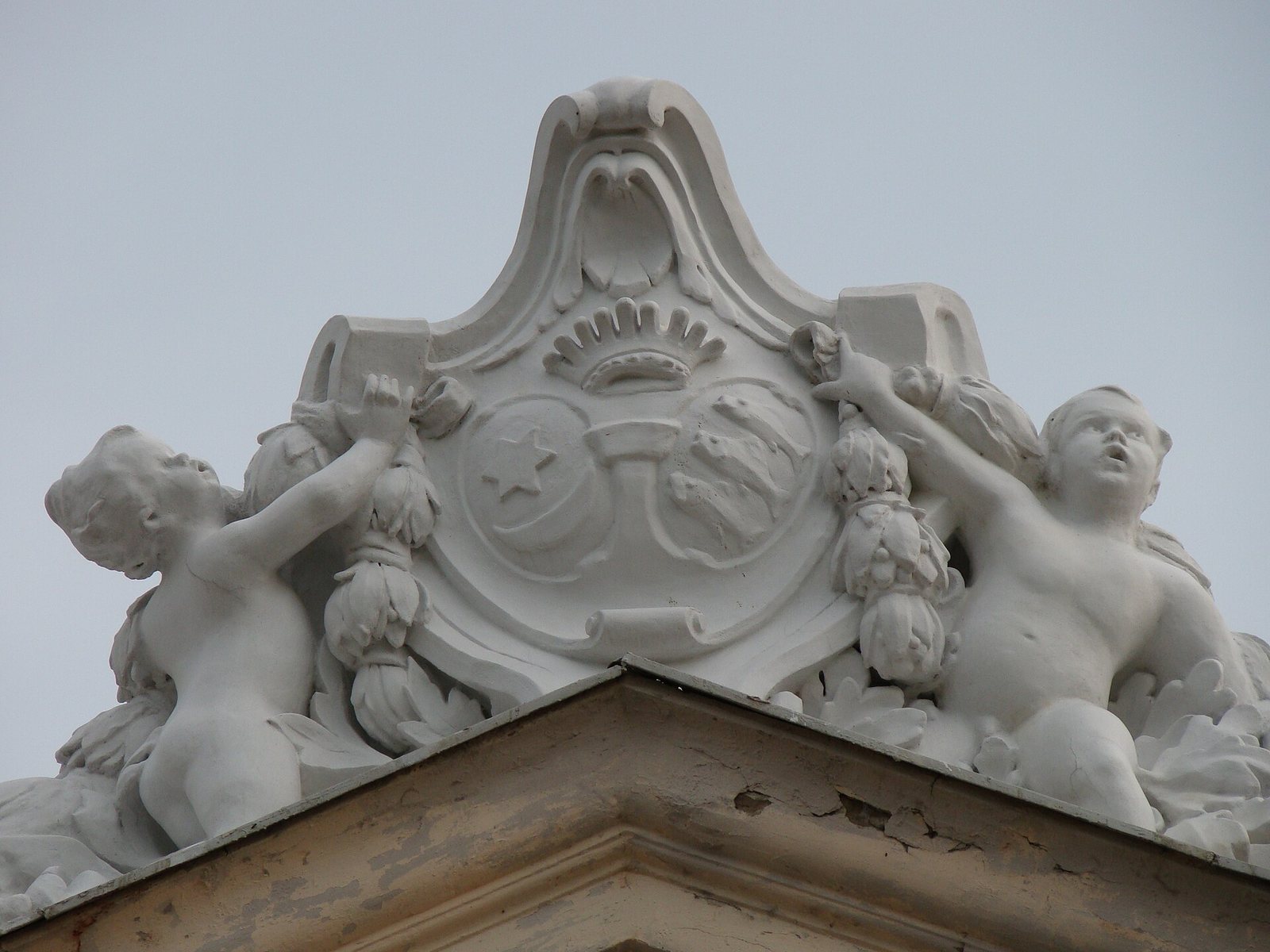
The building has a regular form and an arched terrace, and its decoration includes sculptures from France. It is surrounded by the Palanga Botanical Garden, whose grounds include ponds, fountains, and collections of rare plants.
Chapel
The chapel is a distinct structure near the palace and is associated with the family residence.
Jesus blessing statue
The statue stands at the front of the palace. Removed in 1948, it was reconstructed in 1993 from surviving photographs. Its sculptor remains uncertain, with Thorvaldsen and an apprentice both proposed as its maker.
Amber Museum collections
The museum holds about 28,000 pieces of amber, around 15,000 of which contain inclusions of insects, spiders, or plants. About 4,500 pieces are exhibited, many fashioned as artworks or jewelry. The collection includes the Sun Stone, an amber specimen weighing more than 3.5 kilograms and described as Europe’s third largest; it has been stolen twice. Other cultural and artistic exhibits include a fifteenth-century ring, a sixteenth-century cross, amber jewelry from the past four centuries, and modern decorations.