Ebrington Manor: A Fortescue Family Seat
Site at a Glance
- Popularity
- Medium
- Country
- United Kingdom
- Primary era
- Early Modern
- Eras represented
- Medieval, Early Modern, Modern
- Civilizations
- British, English
- Site type
- Domestic
- Remains
- Manor House
On this page6 sections
History
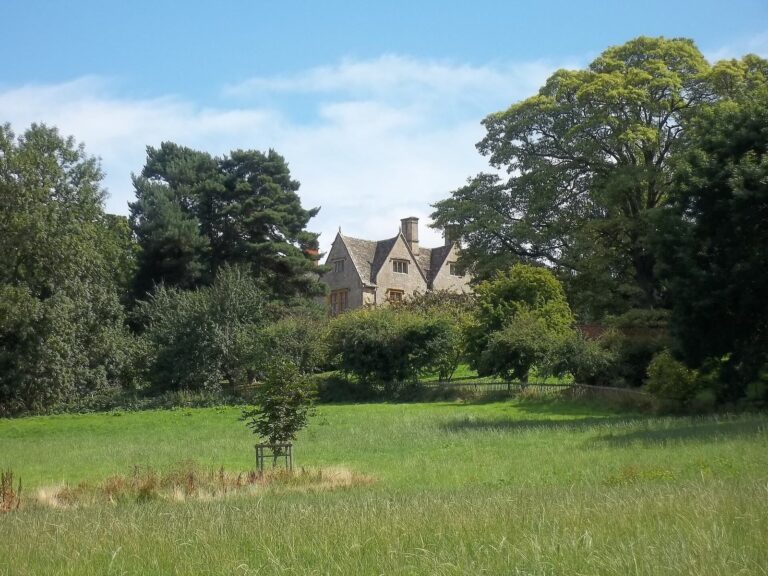
Ebrington Manor is a manor house in Ebrington village, United Kingdom, dating to the fourteenth or fifteenth century. It has been a seat of the Fortescue family since 1476 and of the Earls Fortescue, holders of a British peerage rank, since 1789.
Fortescue ownership and alterations
The house stands on land purchased by Sir John Fortescue (c. 1394–1479), Chief Justice of the King’s Bench, a major English court whose chief justice was its senior judge. The manor was substantially altered in the seventeenth and nineteenth centuries.
Wartime and later history
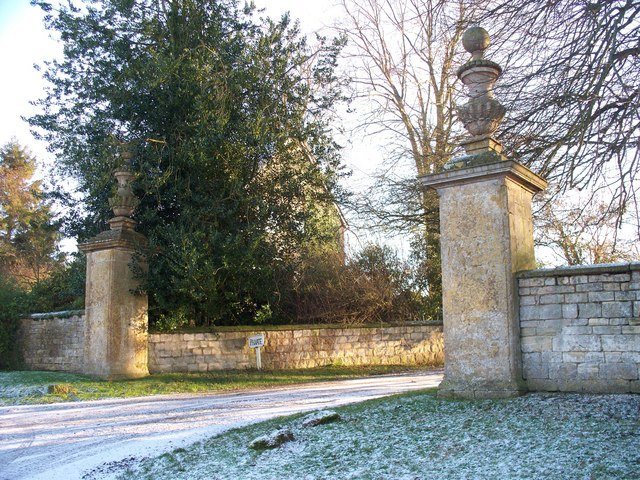
During the Second World War, the American Red Cross used the house as a place of rest and recuperation for United States Army Air Forces bomber crews. The garden was laid out in the 1940s. The main entrance gate piers and summer house are listed at Grade II*, a category for particularly important buildings and structures of more than special interest.
Remains
The house and interior
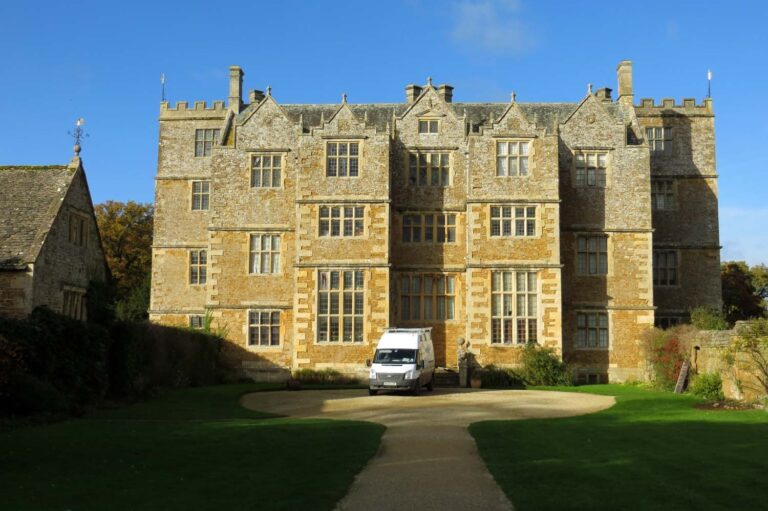
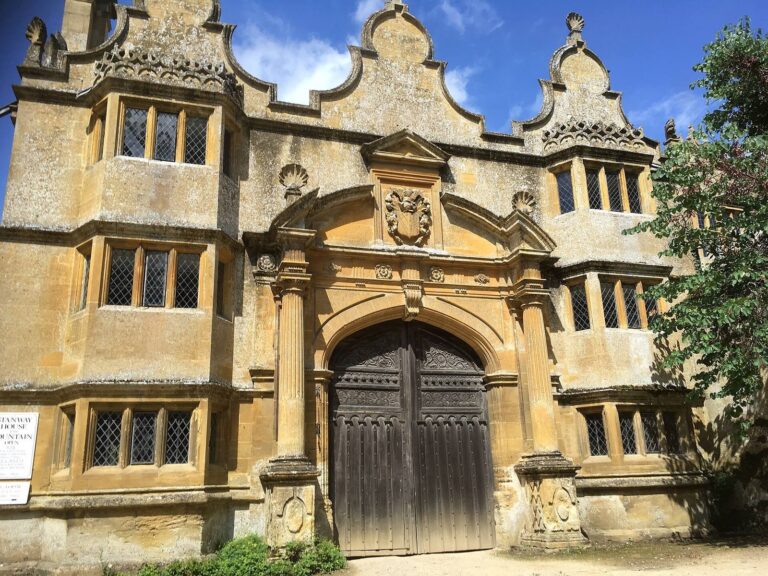
The limestone house has grey slate roofs and a central chimney with five flues. Its main body includes a seventeenth-century hall and a gallery with a balustrade. Extensive plasterwork survives inside, including some that was transferred from the summer house in the grounds. Above the entrance, an ornamental framed panel displays the arms of Fortescue alongside those of Aylmer, a heraldic arrangement commonly used to represent a married couple. The arms refer to Hugh Fortescue (1665–1719) and his second wife, Lucy Aylmer, whom he married after 1708. Lucy was the daughter of Matthew Aylmer, 1st Baron Aylmer (c. 1650–1720), a peerage rank below an earl. Hugh and Lucy were grandparents of Hugh Fortescue, 1st Earl Fortescue (1753–1841).
Grounds
The grounds include the main entrance gate piers and the summer house, both listed features. The garden forms another part of the manor’s setting.