Schloss Wilkendorf: A Neo-Gothic and Neo-Renaissance Residence
Site at a Glance
- Popularity
- Medium
- Country
- Germany
- Primary era
- Modern
- Eras represented
- Modern
- Civilizations
- Kingdom of Prussia
- Site type
- Domestic
- Remains
- Castle
On this page6 sections
History
The Pfuel estate and the castle’s beginnings
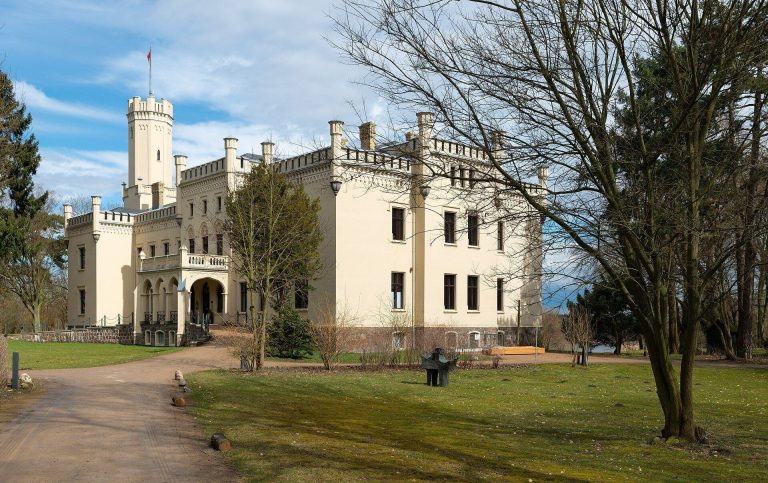
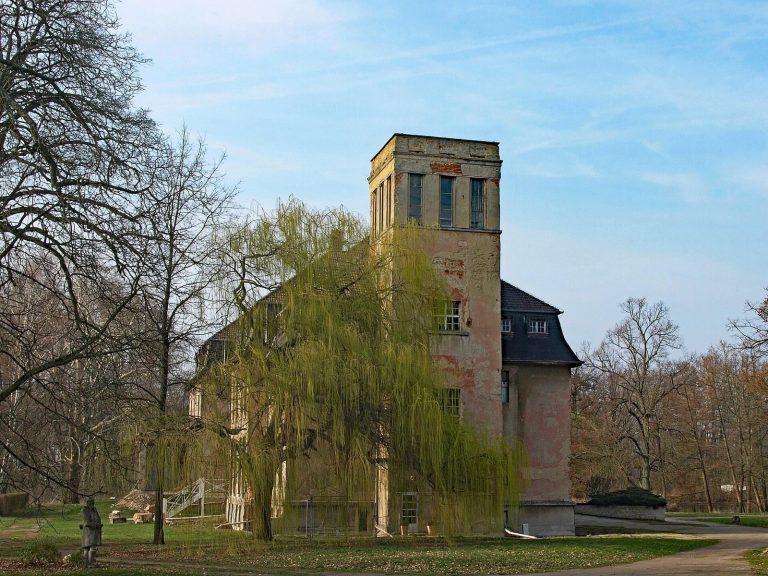
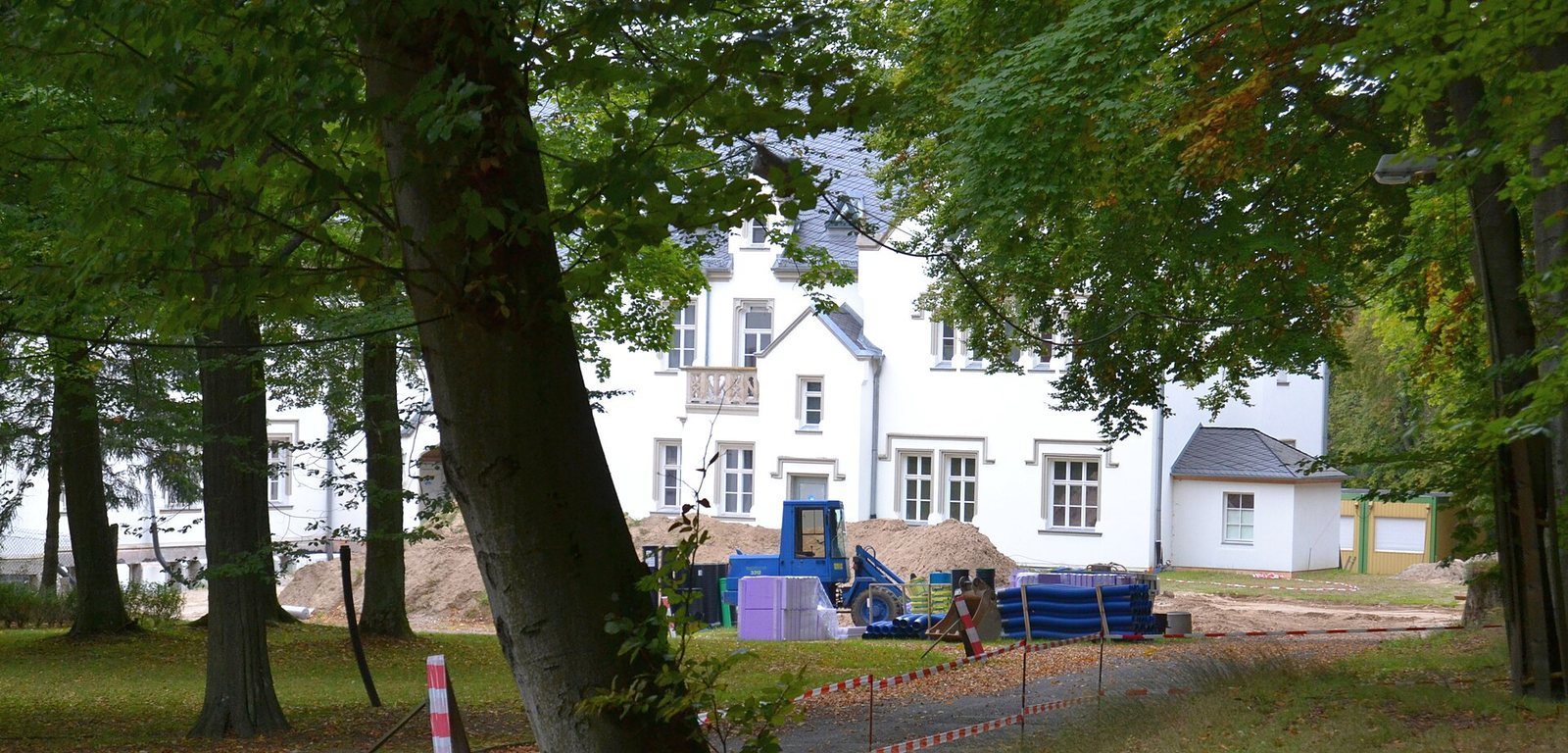
Schloss Wilkendorf is an aristocratic residence in Altlandsberg, Germany, north of Strausberg. The estate belonged to members of the Brandenburg noble Pfuel family from 1536. Gustav Felix Bertram von Pfuel began building the castle in 1852. Its architecture is predominantly Neo-Gothic and Neo-Renaissance, drawing on medieval Gothic and Renaissance forms. The first complex was modest, and a manor building was present on the estate by 1855.
The writer Theodor Fontane conceived the idea for his novel Effi Briest while viewing ancestral portraits belonging to the district administrator von Briest of Nennhausen. He named the novel’s central character after von Briest’s last daughter.
Fire, rebuilding, and Caro ownership
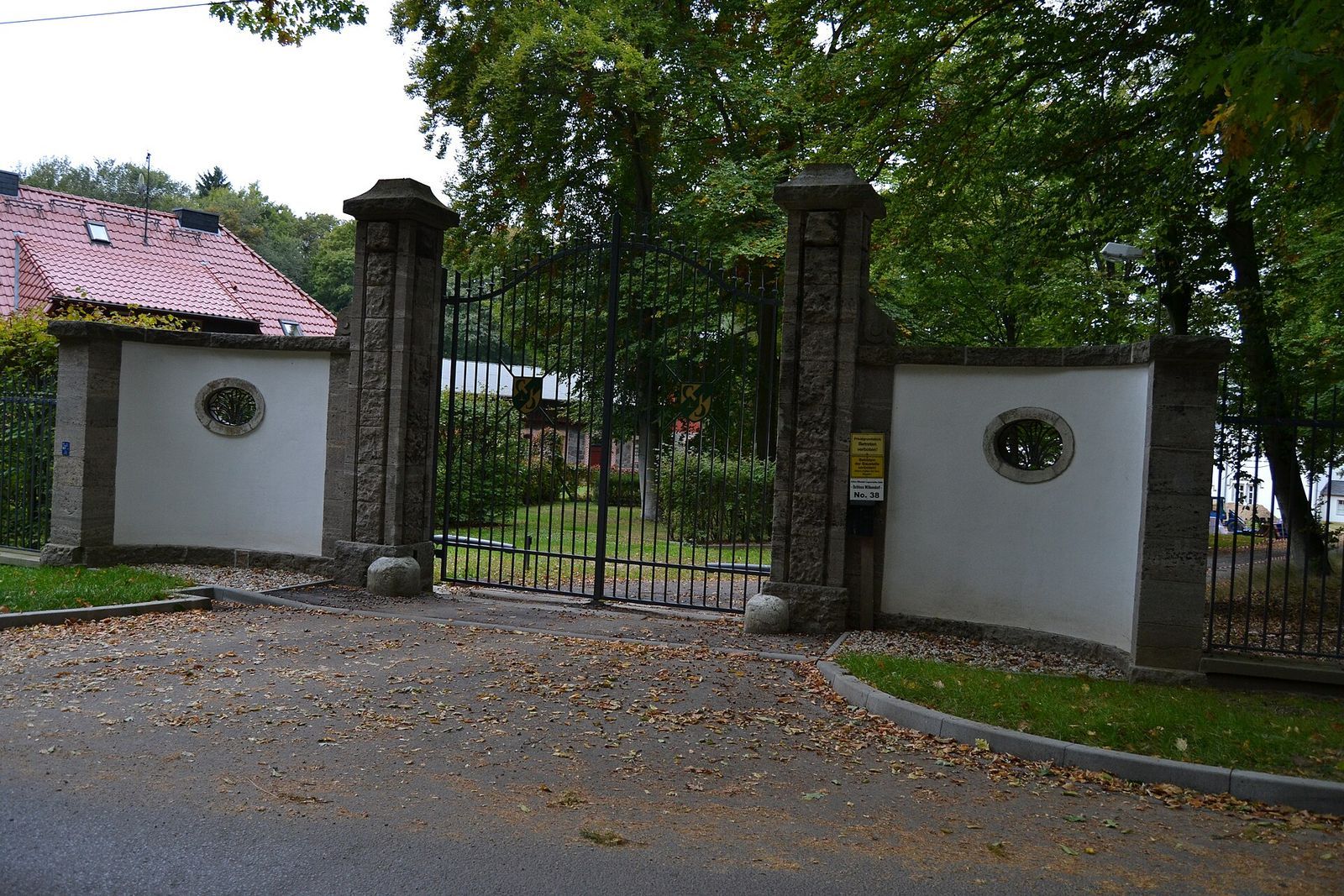
A fire destroyed about two-thirds of the castle in 1891. Part of the building was rebuilt in 1892–93. In 1905, industrialist Georg von Caro (1849–1913) purchased the castle and its 1,193-hectare estate. He substantially enlarged and altered the building in 1909. During his ownership, the Pfuel family arms were removed and replaced with the Caro arms, and the castle underwent repeated restoration and partial reconstruction.
Changes of ownership and wartime use
After von Caro’s death, the villages of Wilkendorf and Gielsdorf and the castle passed in 1914 to Carolina Wolff and her husband, who took over their management. From 1920, the estates were leased, while Wolff retained the castle, lake, and woodlands. Gustav von Dippe and his sister Ingeborg acquired Wilkendorf in 1929.
In the final years of the Second World War, heavy air raids on Berlin led to the Spanish ambassador being quartered at the castle.
East German use and later plans
After 1945, the castle served as a guesthouse for East Germany’s Ministry of National Defence. On 9 August 1961, a ministry operational group met there to settle detailed plans for deploying the National People’s Army, East Germany’s armed forces, in connection with construction of the Berlin Wall. The wall, built to divide Berlin, began to be constructed on 13 August.
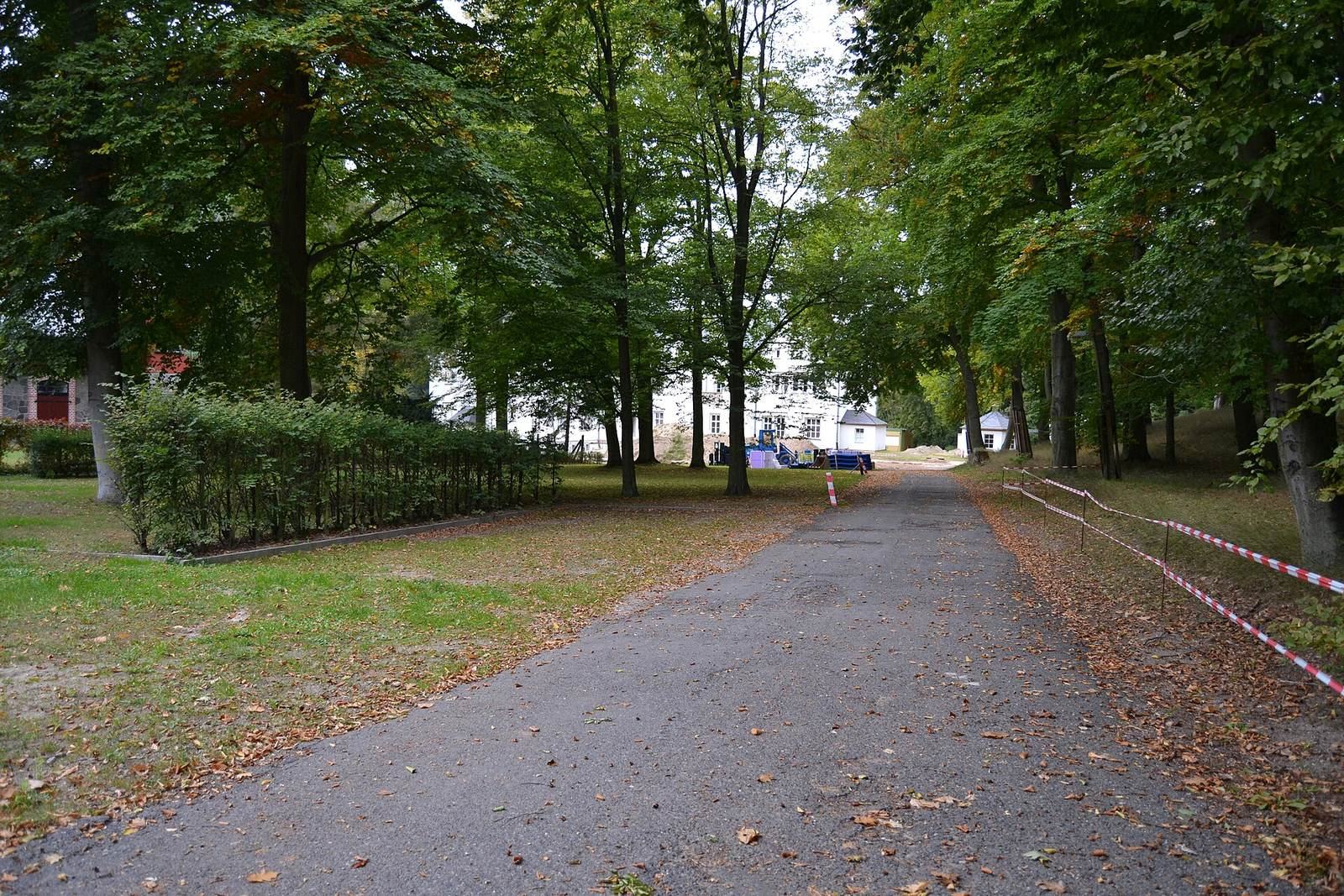
The castle stood empty from 1990. Russian investors bought its buildings in 2005 with plans for extensive renovation and conversion into a luxury hotel. A company formed late that year, Schloss Wilkendorf Liegenschaften GmbH, was assigned the work.
Remains
The castle’s predominantly Neo-Gothic and Neo-Renaissance architecture draws on medieval Gothic and Renaissance forms. A family coat of arms was positioned above the main entrance. The estate associated with the residence included a lake and woodlands.