Gosford Castle: A Norman Revival Country House in County Armagh
Site at a Glance
- Popularity
- High
- Country
- United Kingdom
- Primary era
- Modern
- Eras represented
- Modern
- Civilizations
- British
- Site type
- Domestic
- Remains
- Castle
On this page5 sections
History
The Acheson estate
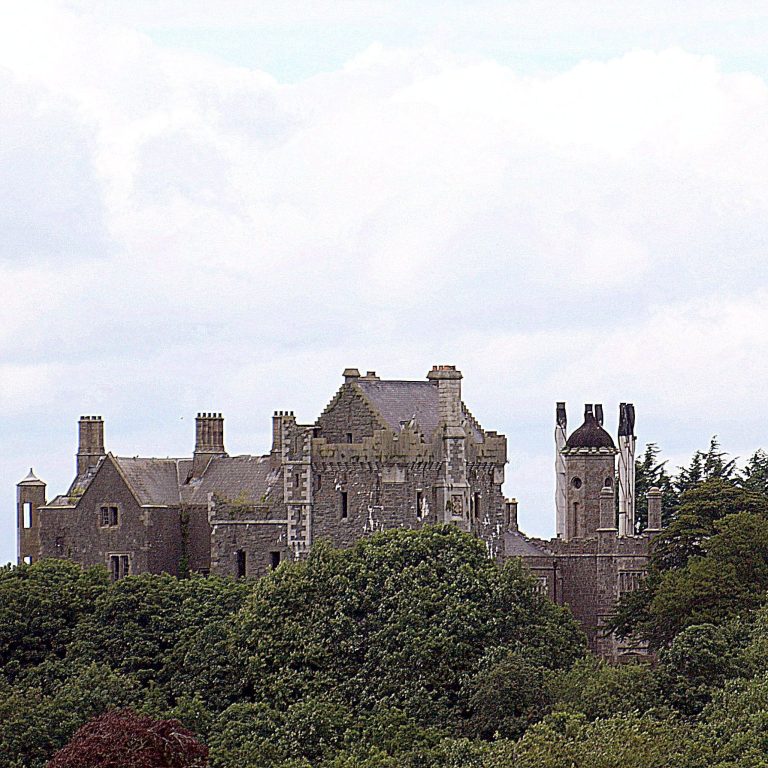
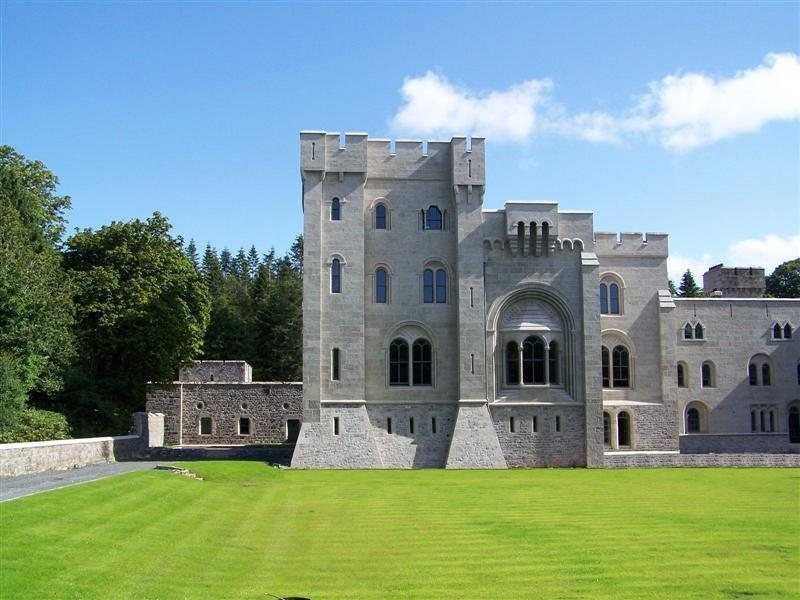
Gosford Castle is a nineteenth-century country house in Gosford, a townland of Markethill in County Armagh, Northern Ireland, United Kingdom. In 1610, at the start of the Plantation of Ulster, a seventeenth-century settlement project, King James VI of Scotland, who also ruled England as James I, granted land in County Armagh to the Acheson family. They established Markethill and built a castle there, which was destroyed during the Irish Rebellion of 1641. A manor house took its place, and the Achesons lived there until 1840. The writer Jonathan Swift also visited Gosford and helped shape the gardens.
The nineteenth-century house
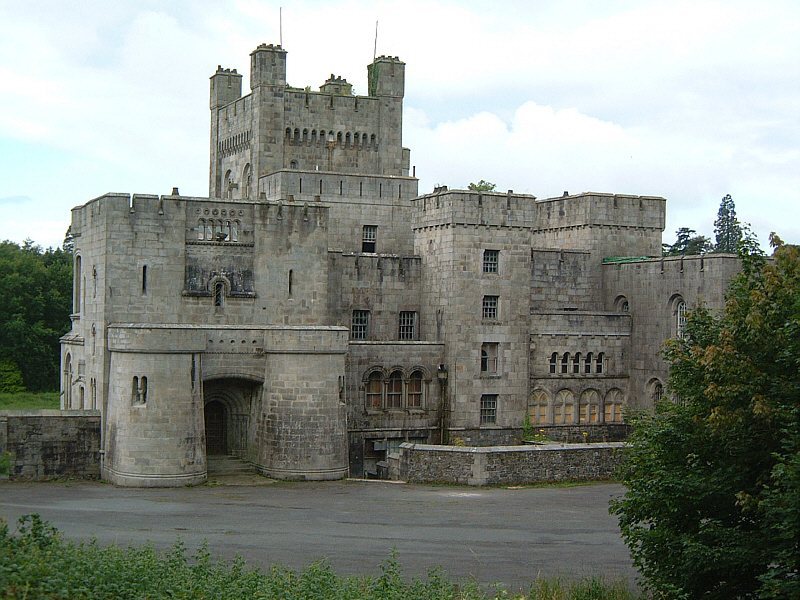
In 1819, Archibald Acheson, 2nd Earl of Gosford, commissioned architect Thomas Hopper to design a new house. Hopper worked with local architect Thomas Duff on a Norman Revival design, a style adapting forms associated with medieval Norman buildings. It was Hopper’s first project in this style; he later refined it at Penrhyn Castle in Wales. The building was still unfinished in 1837. In 1859, Hopper’s assistant George Adam Burn rebuilt the entrance front, completing the house.
The Earls of Gosford occupied the castle until 1921. Archibald Acheson, 4th Earl of Gosford, was forced to sell its contents in 1920. After his death in April 1922, the family no longer lived there.
Changing uses and restoration
During the Second World War, troops used the castle, and a prisoner-of-war camp operated on the estate. After the war, the Achesons sold the property to the Ministry of Agriculture. The ministry made the estate’s 240-hectare demesne, meaning its attached land and grounds, into Gosford Forest Park. The castle held public records and later served as soldiers’ barracks in the 1970s.
The building opened as a hotel in 1983, but the business failed and the leaseholders allowed it to deteriorate. In February 2002, the Forest Service regained control. Amid concern about the castle’s condition, the building and 11 hectares of grounds were offered for £1, subject to viable restoration plans. Gosford Castle Development Ltd. bought it in 2006 for £1,000 and proposed dividing the building into 23 homes while preserving its principal rooms. Craftspeople carried out restoration work, and residents began moving into completed homes in January 2008. The redevelopment was reported to have stalled in 2010 because of financial difficulties. The castle was sold in 2019 with plans for conversion into apartments. It is a Grade A listed building, the highest category of listed-building protection in Northern Ireland.
Remains
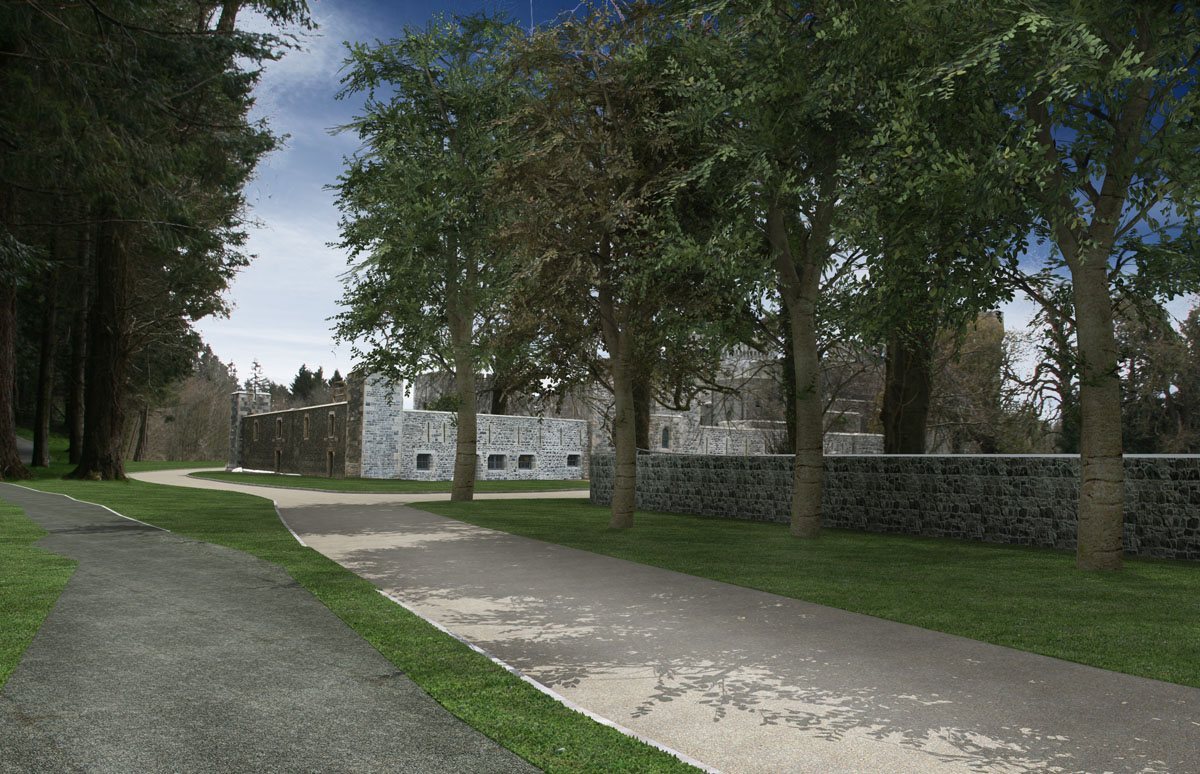
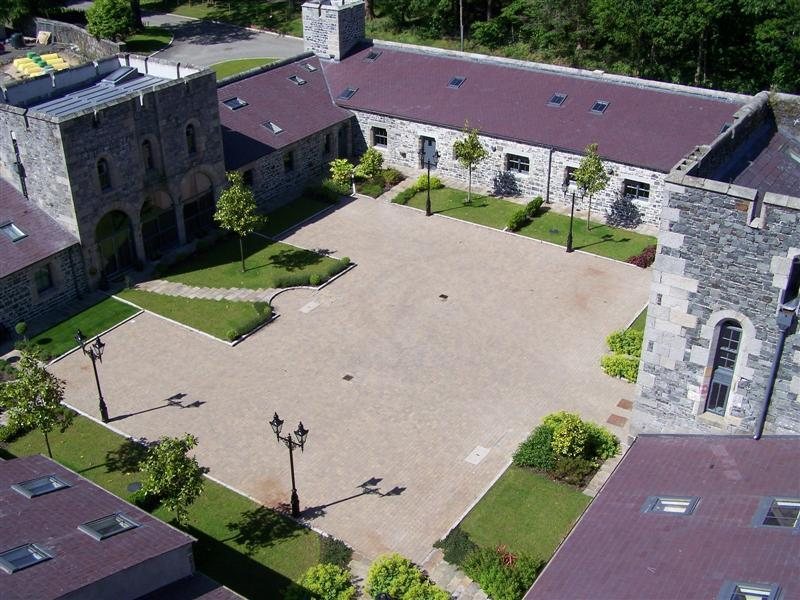
The Norman Revival country house now contains residences fitted within its historic structure. These homes occupy two, three, or four storeys, with internal divisions arranged vertically. Where possible, the work retained existing walls and staircases, as well as the principal rooms.
Restoration reinstated original colour schemes in the principal rooms. The Inner Hall has an arched, vaulted ceiling, and green paint on some walls was used to evoke drapery. In the library, a scarlet background sets off the wooden bookcases.