Fort Tas-Silġ: A British Fire-Control Fort in Malta
Site at a Glance
- Popularity
- Medium
- Country
- Malta
- Primary era
- Modern
- Eras represented
- Modern
- Civilizations
- British
- Site type
- Military
- Remains
- Fort
On this page6 sections
History
Construction and coastal defense
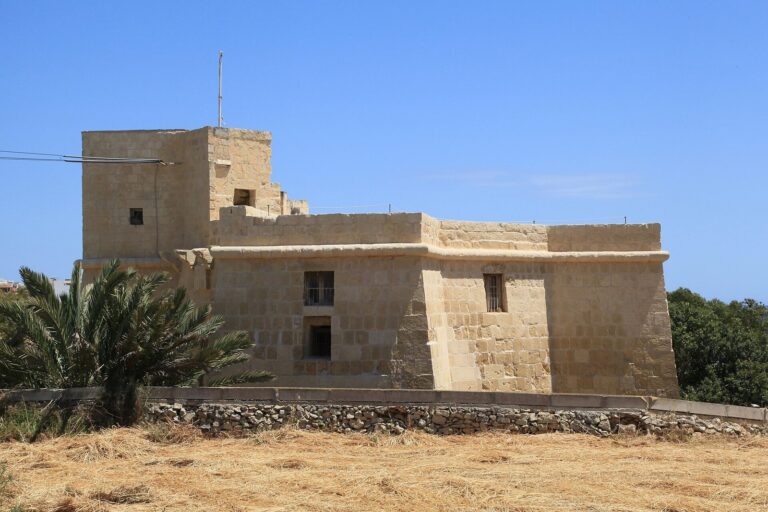
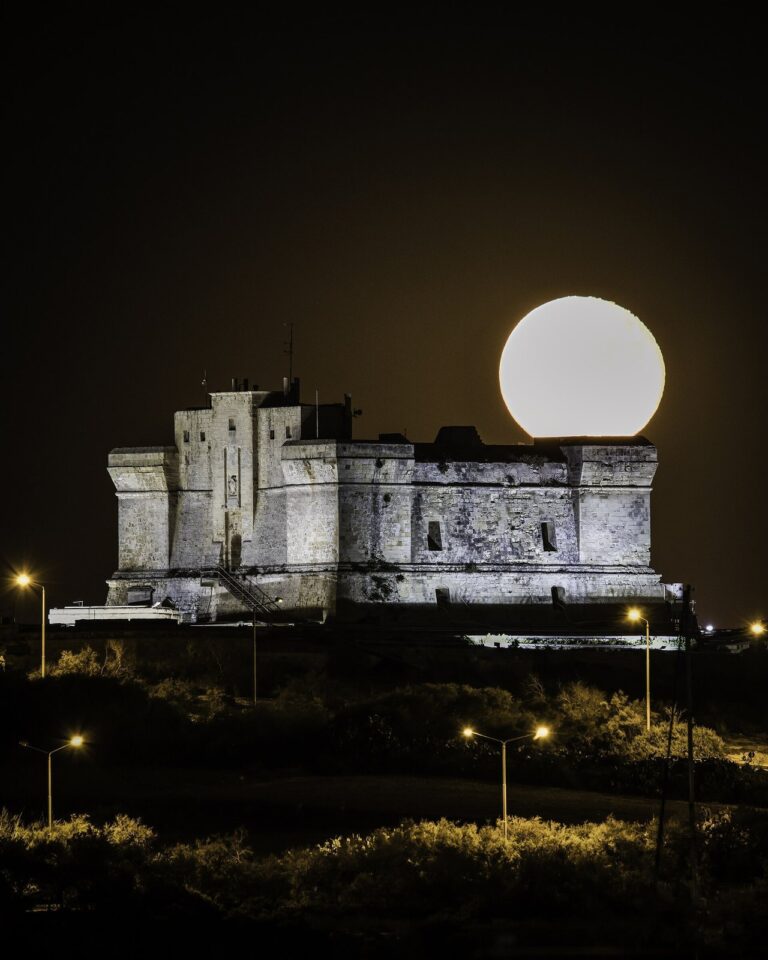
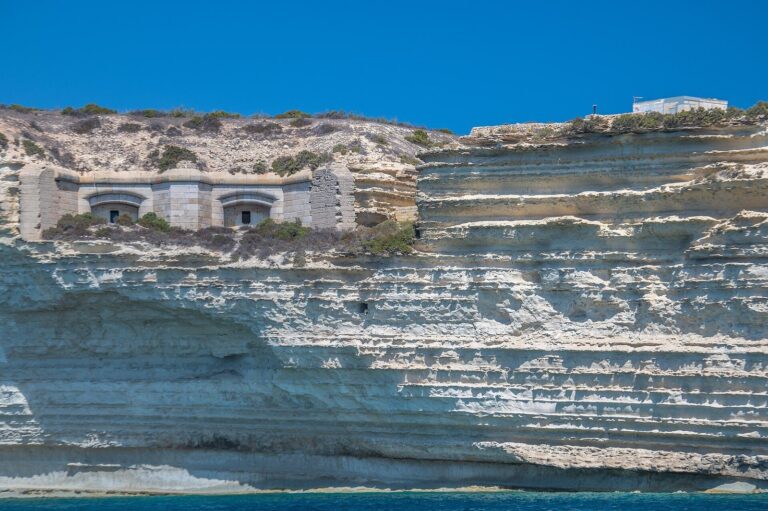
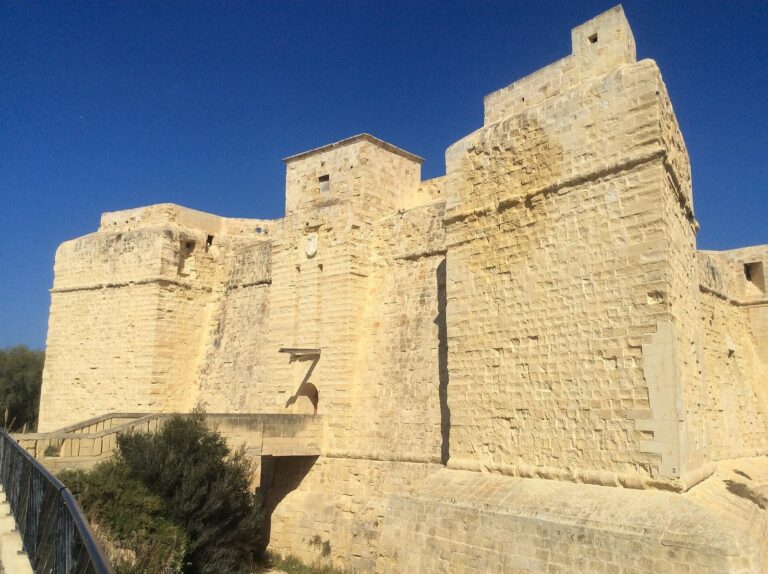
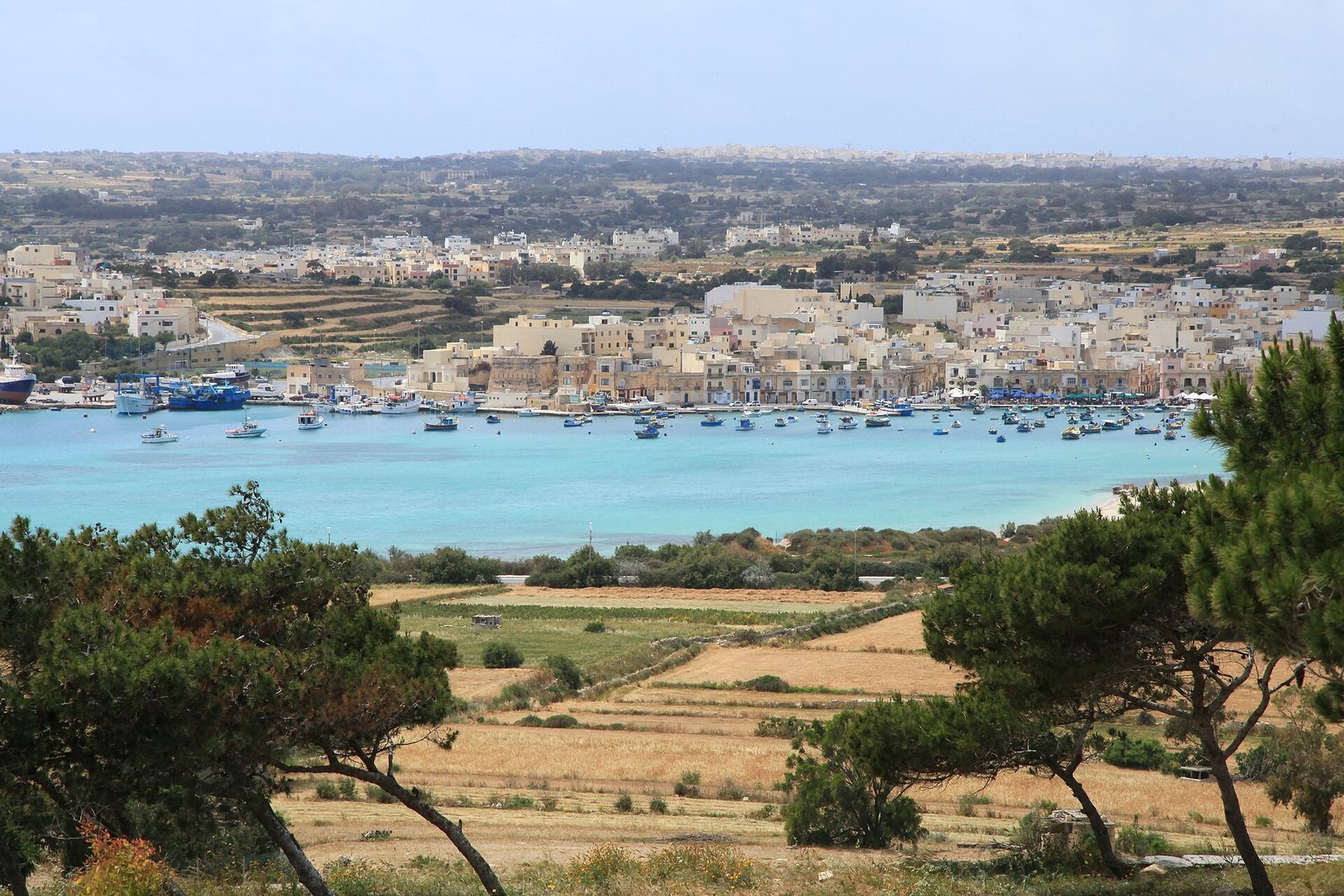
Fort Tas-Silġ is a British-built fort on the shoreward end of Delimara Point in Malta. Constructed between 1879 and 1883, it served as a fire-control post, a position for directing artillery fire, for the massed guns of Fort Delimara below. The fort formed part of a defensive chain intended to protect Marsaxlokk Harbour. Other positions in the chain included Fort San Lucian on Kbira Point in the middle of the bay, Fort Benghisa on Benghisa Point, and Pinto and Ferretti batteries along the shores.
Military engineers criticized the fort’s design and location. Its armament comprised six rifled muzzle-loading 64-pounder guns, loaded from the front and fitted with rifled barrels. The 64-cwt designation referred to each gun’s weight. The fort’s guns underwent several changes before they were removed in 1903.
Military service and later use
The fort remained in military use from 1883 until 1960. During the 1950s, the Royal Air Force’s 100 Signals Unit operated there. One of the camp’s three aerials was used in the 1953 film The Malta Story. The fort was decommissioned in 1960 and transferred to civilian authorities. Owned by the Government of Malta, it has been rented to the Island Sanctuary as a dog refuge since 1991.
Remains
Fort layout and condition
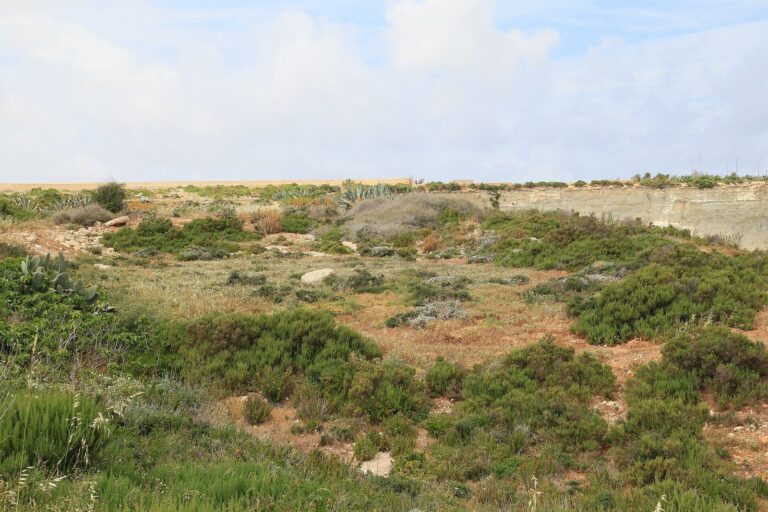
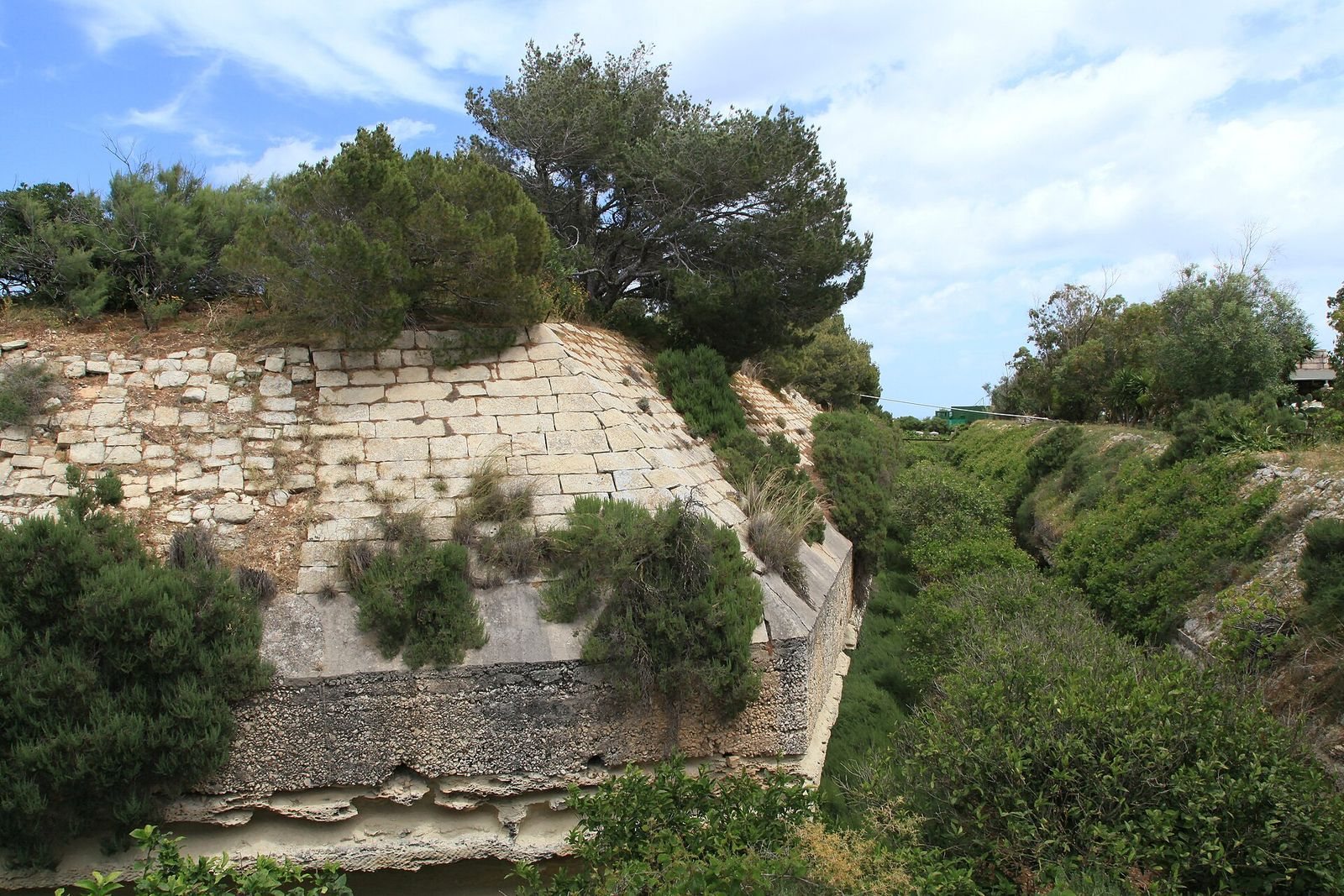
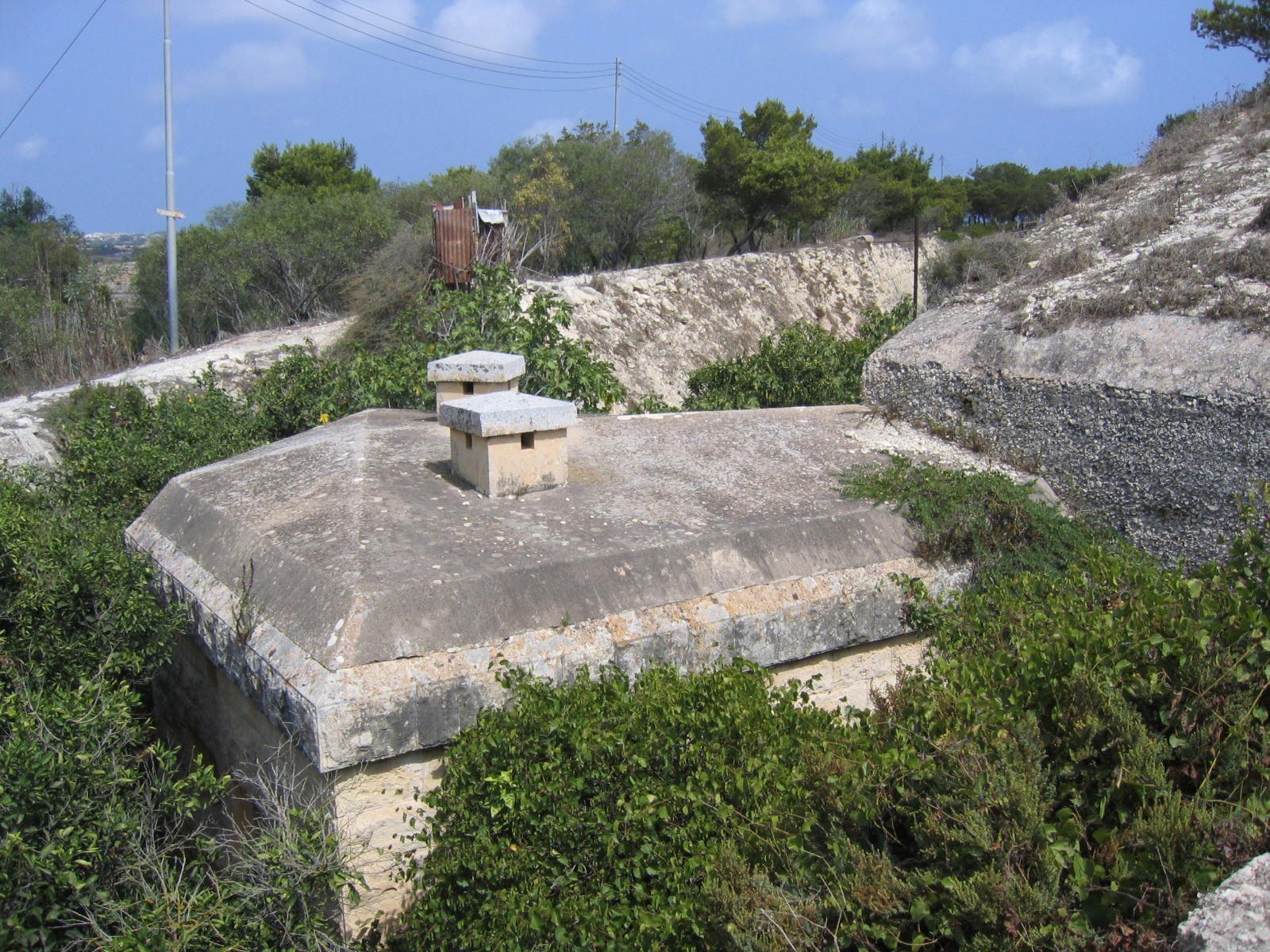
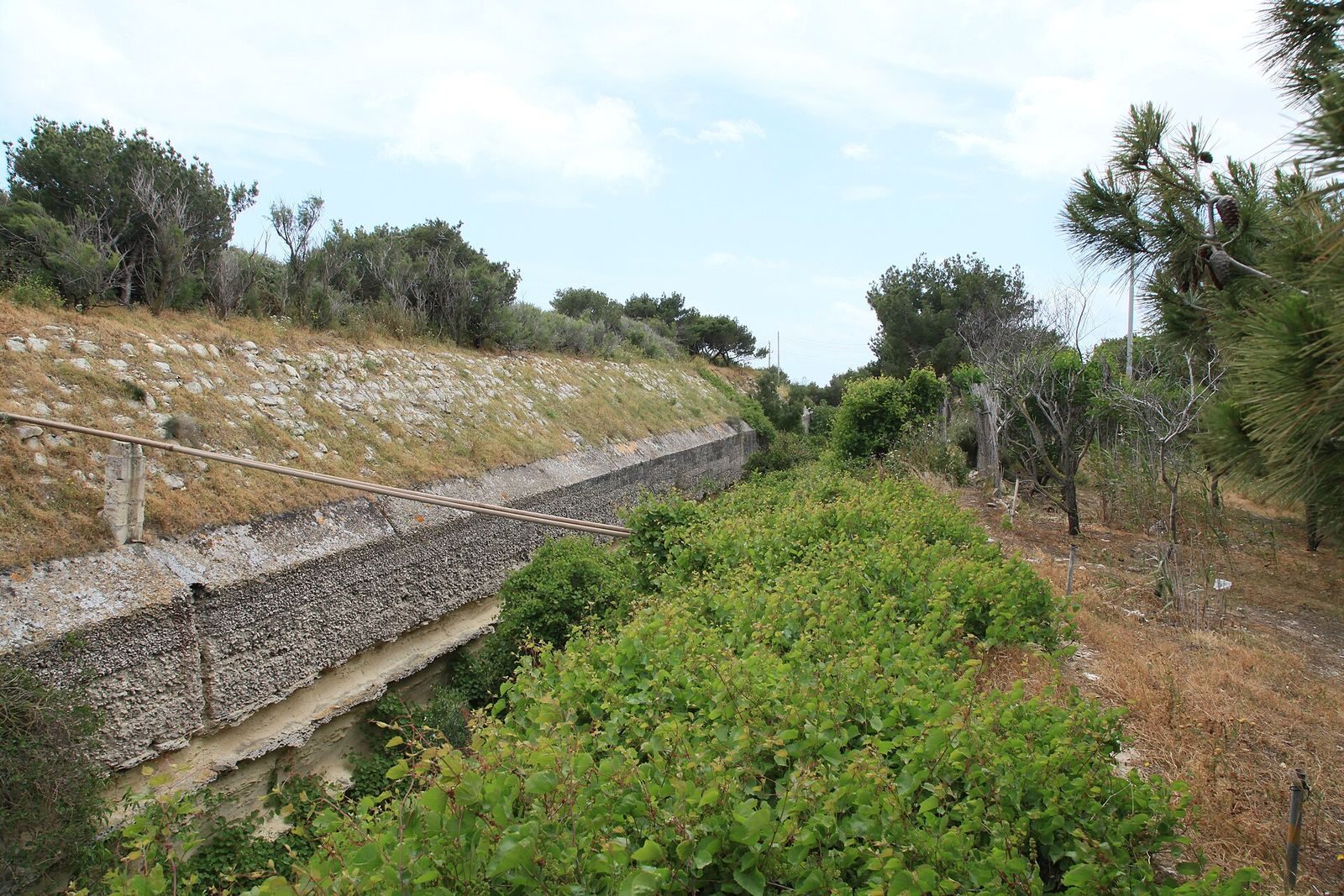
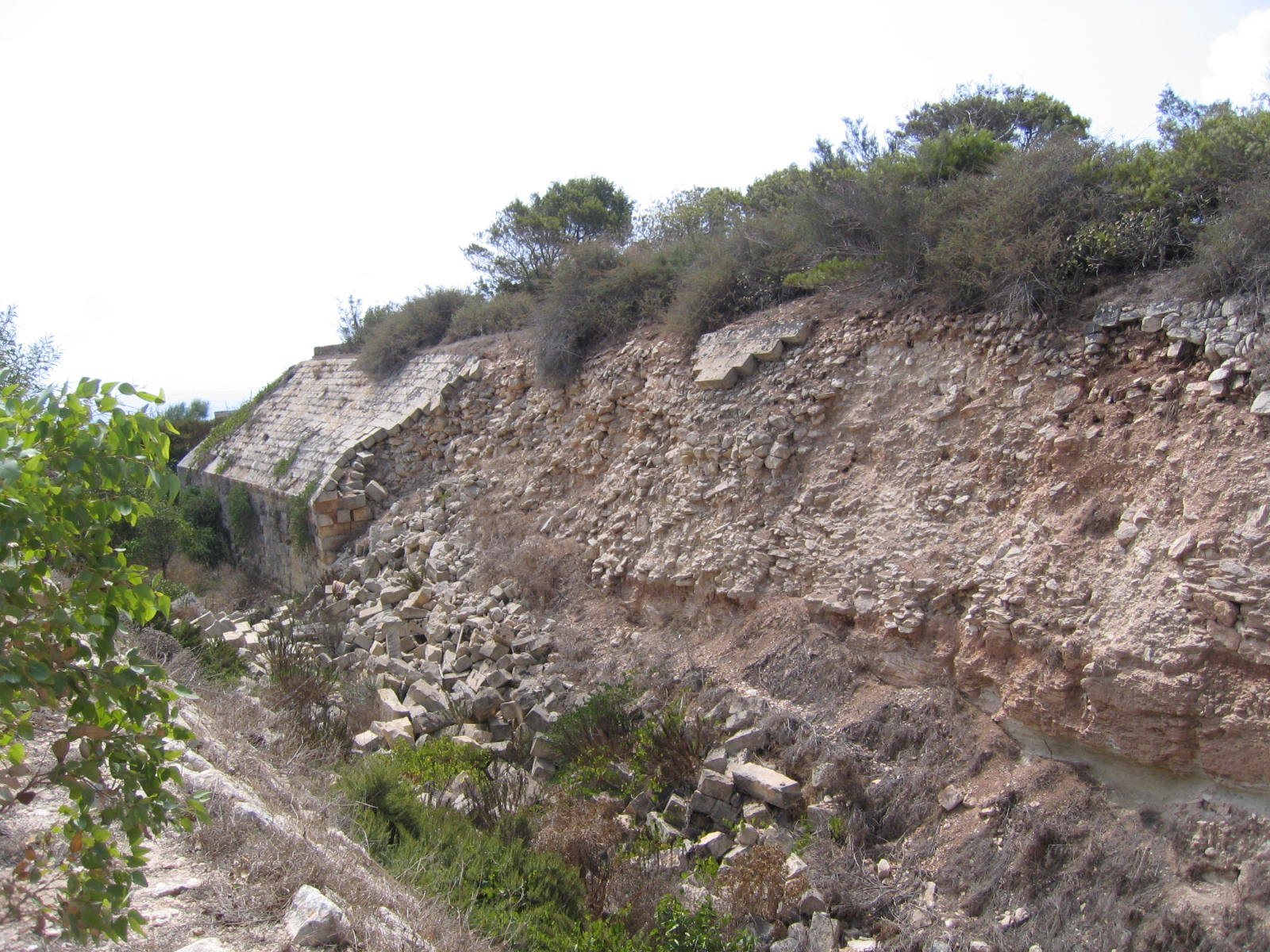
Fort Tas-Silġ occupies about 60,000 square metres on high ground above il-Ħofra-ż-Żgħira. Its angular plan, designed to place guns around the perimeter to cover approaches, is built of limestone and concrete. The layout included underground barracks and ammunition magazines, secure storage spaces, as well as a large parade ground and a surrounding ditch. At the entrance, gun ports protected one side, and a bridge led to the doorway. The gatehouse and shoreward ditch are in fair repair, while much of the inner face of the northern ditch has collapsed. Overall, the fort remains intact but neglected.
Saint Paul’s Battery
About 300 metres north of Fort Tas-Silġ stands Saint Paul’s Battery, a much smaller angular fortification in considerably worse condition.