Saint-Laurent-les-Tours Castle: A Medieval Fortress in France
Site at a Glance
- Popularity
- Medium
- Country
- France
- Primary era
- Medieval
- Eras represented
- Medieval, Modern
- Civilizations
- French, Merovingian
- Site type
- Military
- Remains
- Castle
On this page11 sections
History
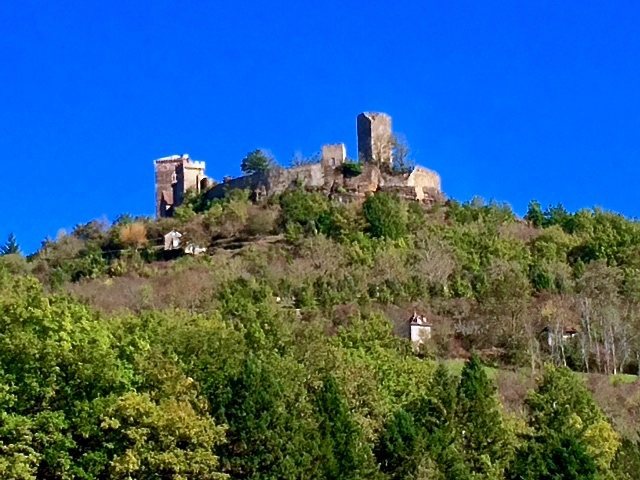
Saint-Laurent-les-Tours Castle is a ruined fortress on a hill above Saint-Céré in France. Its first medieval stronghold was built in the seventh century, and the site later spent about eight centuries under the Viscounts of Turenne, hereditary noble lords associated with the region. After periods of conflict and decline, it became the home and studio of artist Jean Lurçat.
Roman traces and early medieval foundations
Weapons and coins found on the hill point to Roman-period fortifications above the Bave valley. A thirteenth-century text suggests that Roman military camps on the heights above Saint-Céré may have been established during the reign of Augustus, the first Roman emperor, who ruled from 27 BC to AD 14.
The first medieval fortress was built at the request of a lord named Serenus during the reign of Dagobert I, a seventh-century Merovingian king. A settlement called Sanctus Serenus grew around it. A Christian tradition tells of Spérie, who resisted her brother’s attempt to force her into marriage and was put to death with help from a cousin. Her cult drew pilgrims, supporting the growth of a village that developed into Saint-Céré. As the settlement in the valley grew in importance, it adopted the name, while the original settlement became known as Saint-Laurent-les-Tours.
In 901, the Count of Aurillac besieged the castle, then held by his subordinate Arlaldus. The count is the fortress’s first historically recognized lord. The stronghold subsequently belonged to the Viscounts of Turenne for about eight centuries. In 1178, William VI, Count of Auvergne, transferred his rights over the Saint-Séré castle district to Raimon II, Viscount of Turenne. Raimon soon secured full authority from the co-lords Bertrand, Bernard, Giral, Hugues, and Rigal, strengthening his control in the southern part of the viscounty.
Rival crowns and the English occupation
Raimon IV, Viscount of Turenne, was initially loyal to Louis IX of France. In 1263, however, he was compelled to swear allegiance to the English Crown. He remained a subordinate of both the French and English kings, a divided loyalty that kept the castle out of the first fighting of the Hundred Years’ War, the long series of conflicts between the two crowns.
A dispute between Renaud IV de Pons and Bernard VIII, Count of Comminges, began in 1312. The castle passed to Renaud, Viscount of Carlat, in 1332. His son Renaud V served the French king as a military captain in Périgord and Limousin from 1347 to 1356. The Pons family’s support for France left its lands dependent on French protection, and English forces captured the castle. From 1384 to 1390, it housed Ramonet del Sort and Nolinbarbe, both aligned with the English. After the English withdrew, Guillaume Roger de Beaufort, representing the Viscounts of Turenne, recovered full rights to the Saint-Séré district in 1427.
Religious wars and changing ownership
During the French Wars of Religion, conflicts between Catholics and Protestants in France, Protestants captured the castle in 1575 after an unsuccessful attempt the previous year. The Duke of Mayenne drove them out in 1586. In 1602, the Huguenot Viscount Henri de la Tour d’Auvergne, a French Protestant, fortified his properties, including Saint-Séré. French royal forces defeated the Protestant opposition that year. His son Frédéric Maurice de la Tour tried to continue the fight in 1641 but failed.
The Viscounts of Turenne’s rule ended in 1738, when Louis XV took possession of the castle, then reduced to ruins. The Duke of Noailles held it in 1748, and Guillaume Vernéjoul acquired it in 1806. Lafon du Verdier later acquired the property and built a neo-medieval manor over the site of the former lodging.
Radio Quercy and the Jean Lurçat museum
During the Second World War, members of the French Resistance, groups opposing German occupation and collaborationist authorities, operated a secret radio station in the Saint-Céré area. From June 1944, a team from Toulouse broadcast daily using mobile equipment. To avoid damaging it through repeated assembly and dismantling, they moved to a fixed station in the two towers and called it Radio Quercy. Its reports, news bulletins, and press reviews could be received as far as 60 kilometres away, despite the transmitter’s low power. The station cooperated with clandestine newspapers in Brive-la-Gaillarde, Cahors, and Figeac, as well as resistance figures. German forces did not interrupt its broadcasts because they were occupied elsewhere. After Toulouse was liberated in September 1944, the team left to help restart the inactive Radio Toulouse-Pyrénées, ending Radio Quercy’s operation.
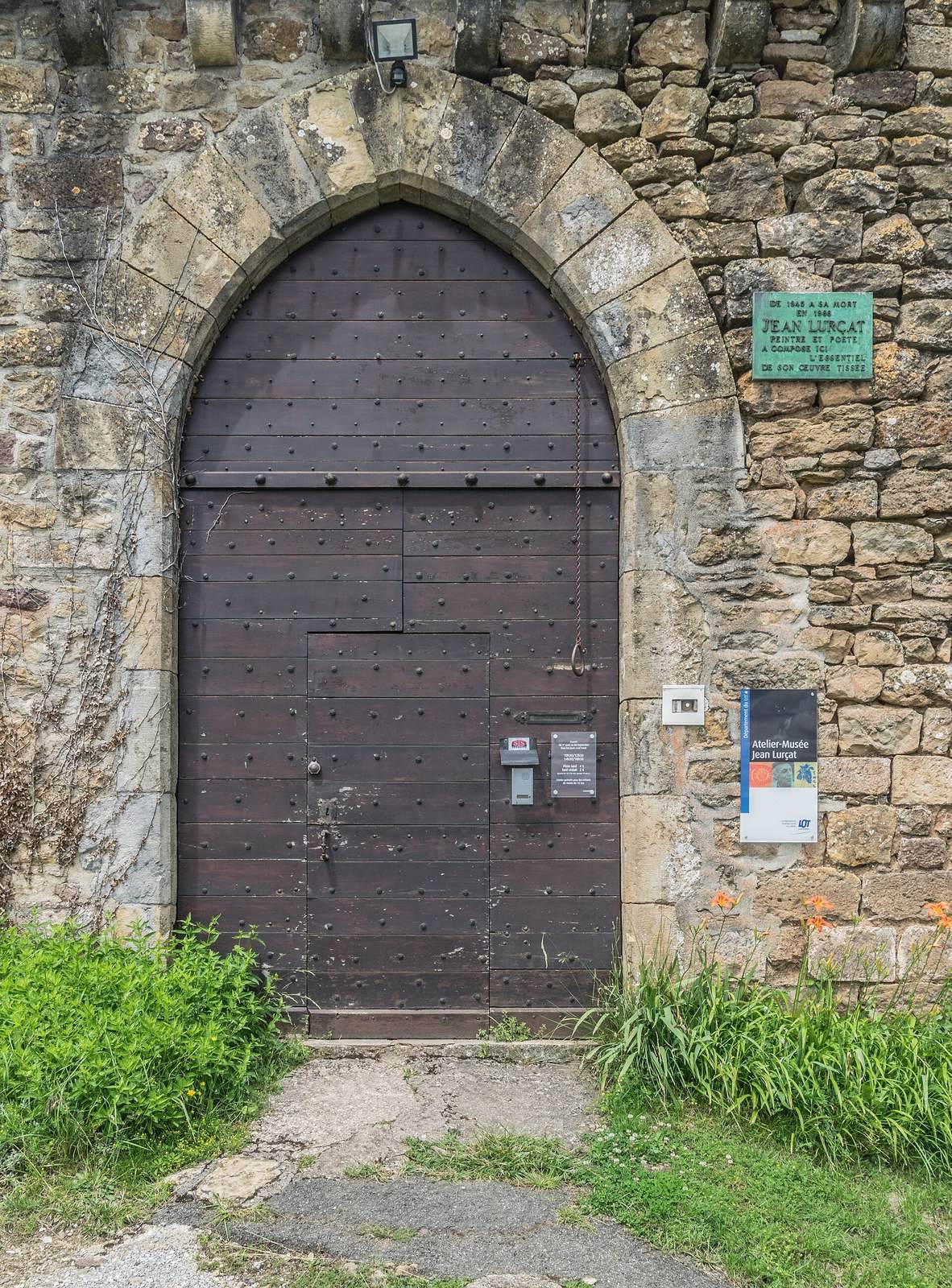
After the war, painter and tapestry-maker Jean Lurçat, himself a former resistance member, bought the towers and fort. He made the manor his studio and decorated it with his tapestries, paintings, and ceramics. After his death in 1966, his works remained there, and his widow, Simone Lurçat, continued to live in the manor. In 1986, she transferred the castle to the Lot Department, a French administrative division, on condition that her husband’s works stay on display. The Jean Lurçat studio-museum opened in 1988, and the department remains the castle’s owner. The castle was designated a historic monument in 1889; protection was extended in 1988 to the enclosure remains, castle, and decoration.
Remains
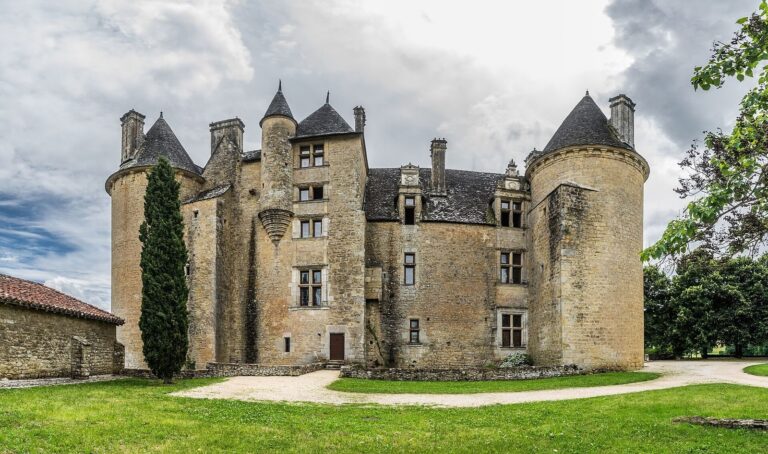
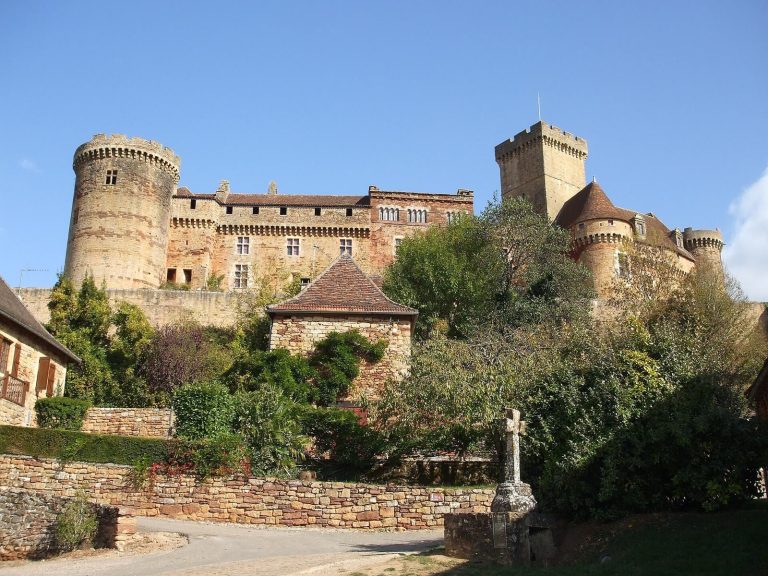
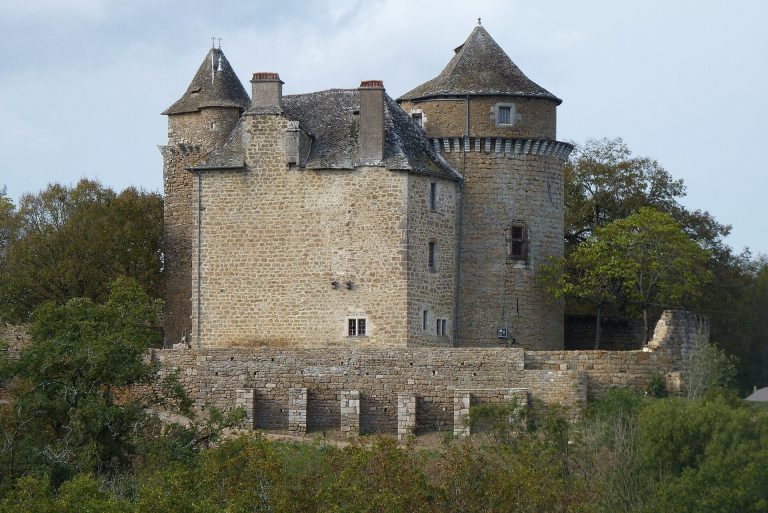
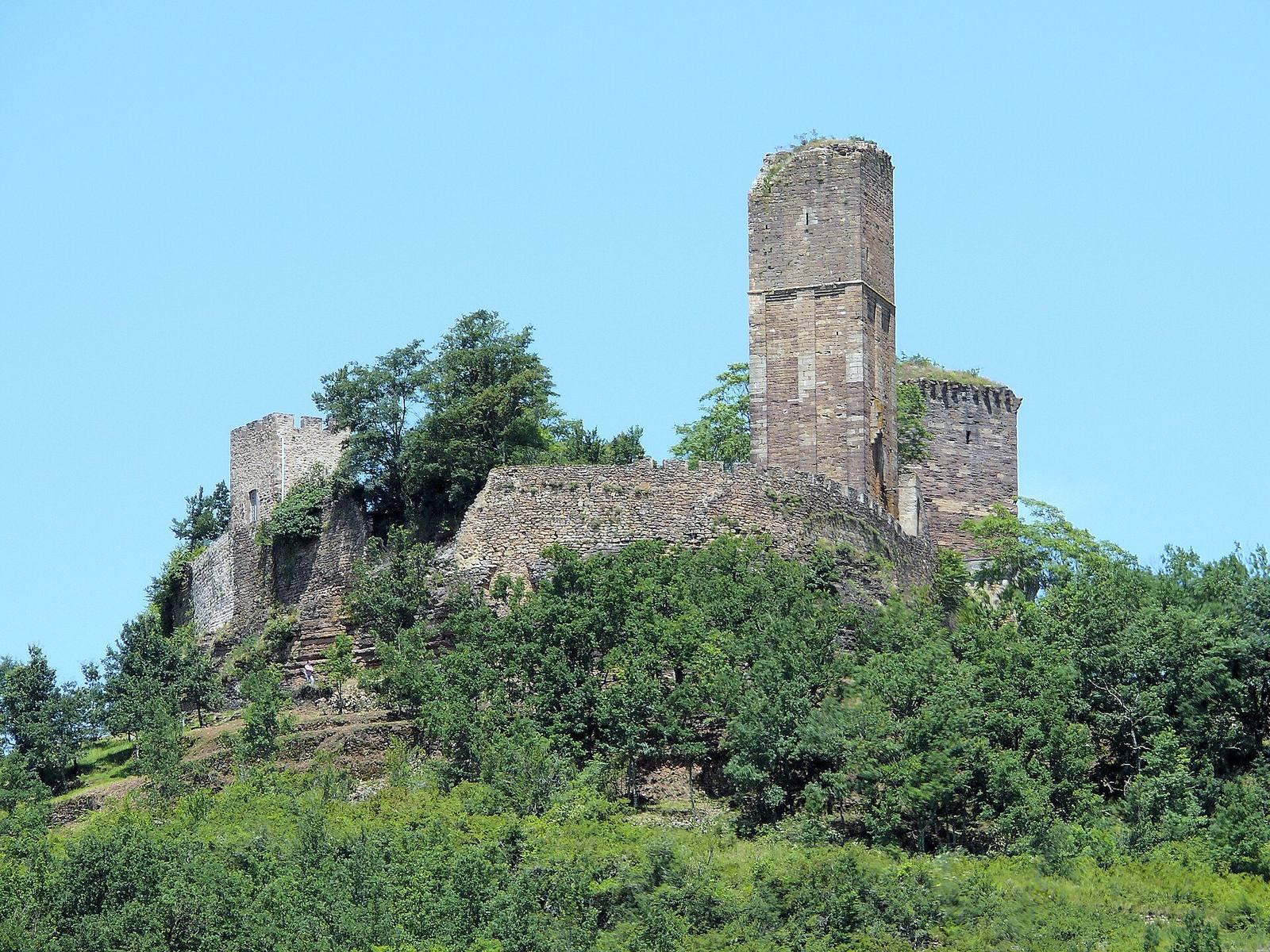
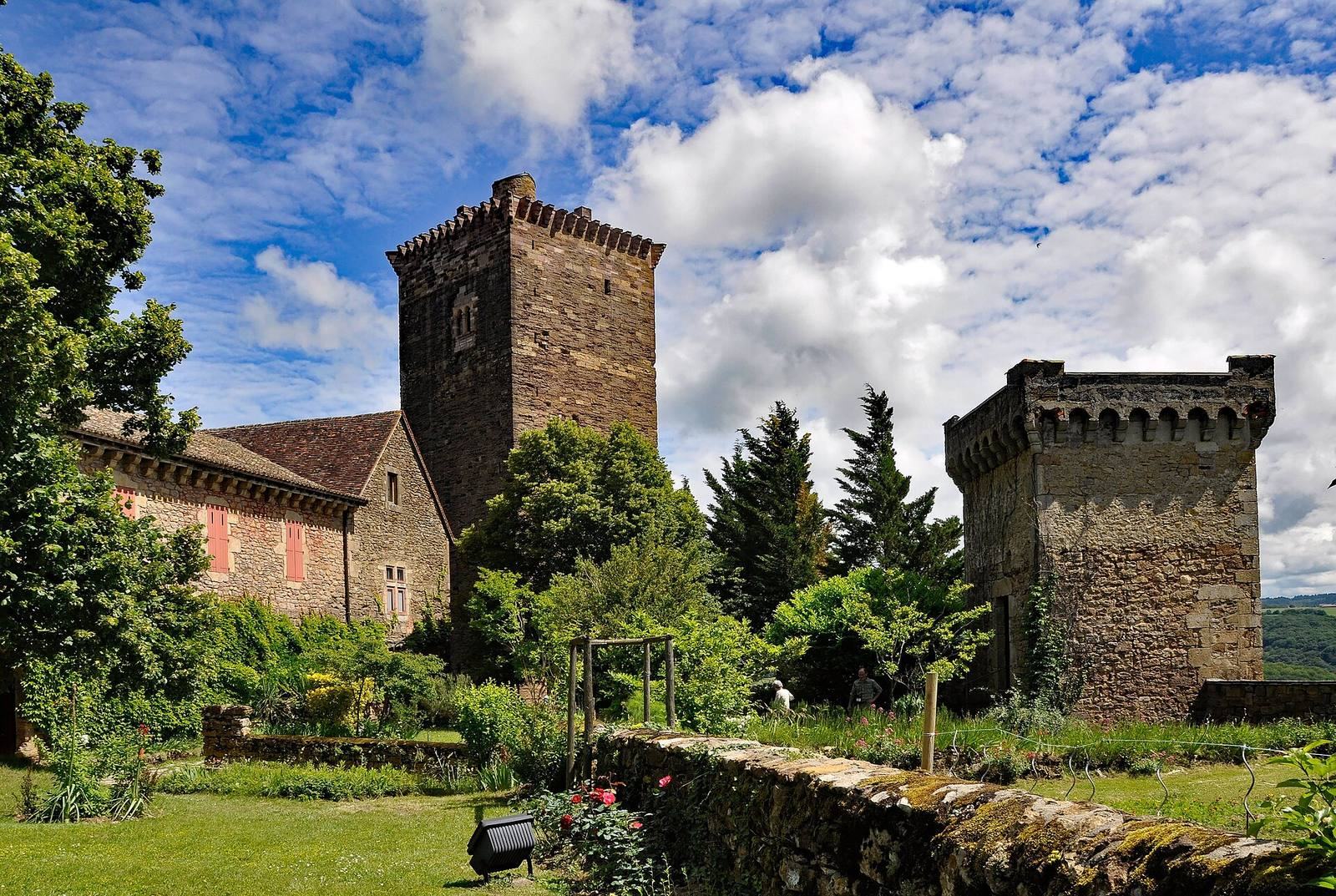
The ruined complex stands on a hill above the Bave valley and Saint-Céré. Its surviving features include sections of the enclosing walls, two principal square towers, smaller towers to the east and west, and a manor between the main towers.
Fortifications
Raimon II Tower
The southern keep, or principal fortified tower, is known as Raimon II Tower and the Small Tower. Built in 1178, it rises 28 metres above a square base measuring 6.75 metres on each side. Carefully cut masonry and flat buttresses form the lower three-quarters; the smooth upper quarter was probably renovated in the fourteenth century. Part of the western face at the top has collapsed, while some machicolations, openings in a projecting parapet used to attack those below, survive. The tower has few openings.
Great Tower
The northern keep, also called the Great Tower or Main Tower, was built in 1390 by Guillaume Roger de Beaufort, Viscount of Turenne, after the English withdrawal. It is 35 metres high and 10.5 metres wide, and stands at an elevation of 500 metres. More fully equipped than the southern tower, it contains a basement and a chapel. The chapel’s vaulted ceiling has a central stone bearing the Beaufort-Turenne arms. The tower has few openings and underwent major restoration in 2011–12.
Enclosure and secondary towers
The enclosure includes a small postern tower, a tower beside a secondary gate or passage, on the eastern side, and the Rossanne workshop tower to the west. Protestants renovated the ramparts during the Wars of Religion.
The Lurçat manor
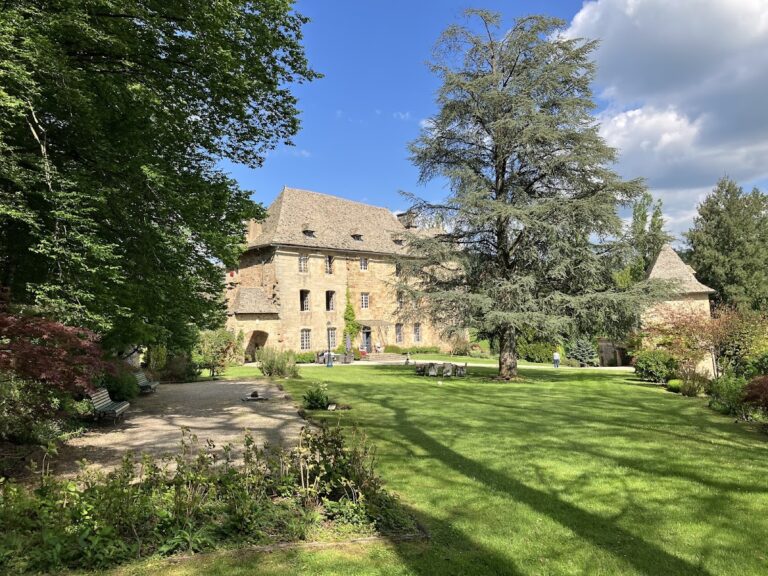
Built in 1895 over medieval remains, the neo-medieval manor stands between the two principal towers. It served as Lurçat’s residence and studio. He decorated its walls, ceilings, doors, and windows with tapestries, paintings, and ceramics. Works made between 1943 and his death in 1966 remain in the manor, along with furniture transferred to the Lot Department by his widow.