Fort Westervoort: A Dutch Railway Blocking Fort
Site at a Glance
- Popularity
- Medium
- Country
- Netherlands
- Primary era
- Modern
- Eras represented
- Modern
- Civilizations
- Dutch
- Site type
- Military
- Remains
- Fort
On this page10 sections
History
Construction and defensive role
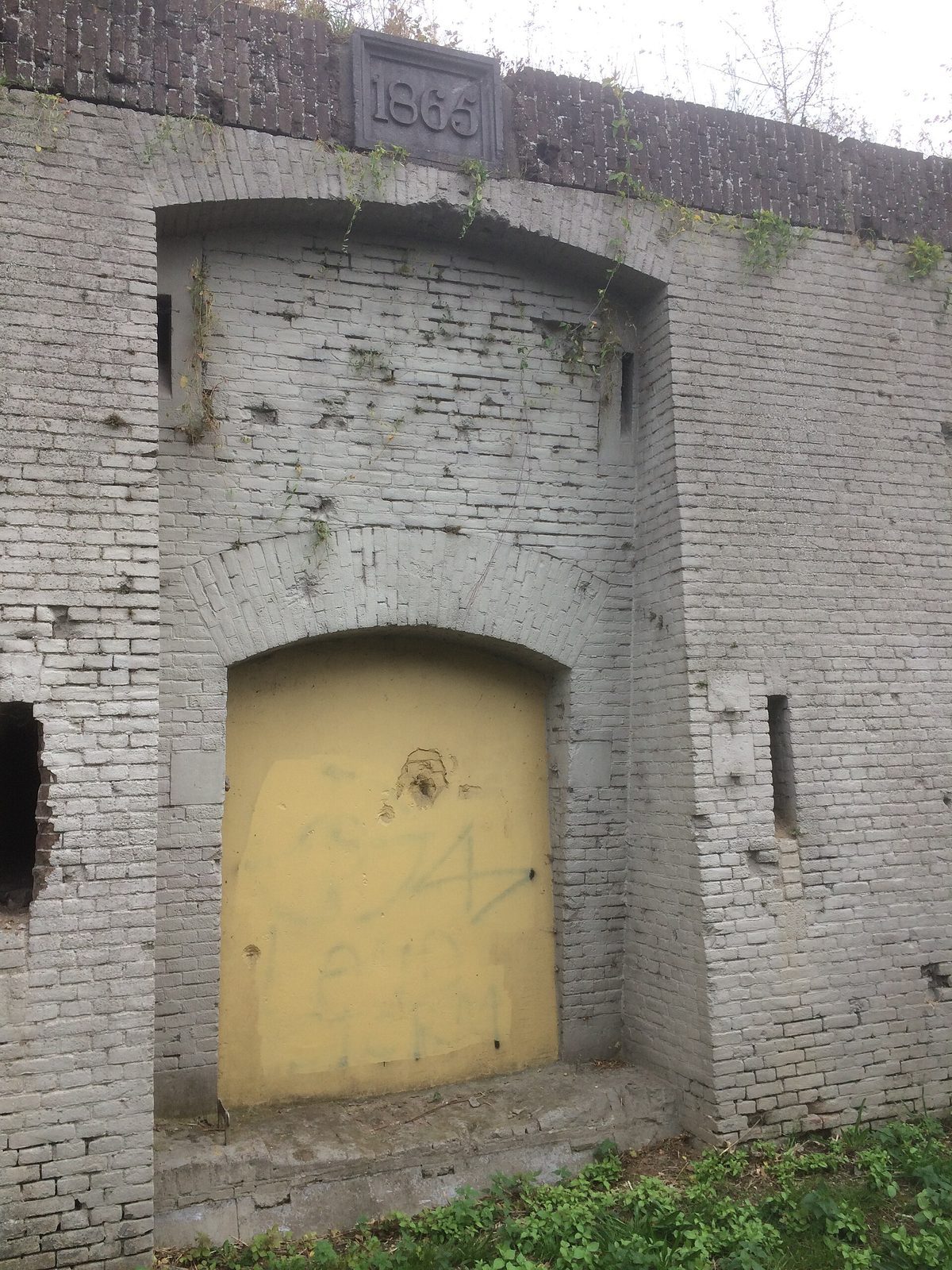
Fort Westervoort is a railway blocking fort near Westervoort, east of Arnhem, in the Netherlands. Built in 1865, it was intended to obstruct or control movement along the Arnhem–Emmerich railway where the line crossed the IJssel. Funding was approved in 1864, following an unfulfilled plan for a fortification made in 1821. Although named for Westervoort, the fort lies within the municipality of Arnhem.
The fort stood near, but was not the same site as, the earlier IJsseloord redoubt. That seventeenth-century work was positioned where the IJssel branched from the Nederrijn. It began to decline in 1673 and had almost disappeared by the mid-eighteenth century. Fort Westervoort later formed part of the IJssellinie, the Dutch defensive line along the IJssel, until 1940.
Fighting in 1940
The first fighting on Dutch territory in 1940 took place at the fort. At 4:45 a.m. on 10 May, as Germany invaded the Netherlands, Warrant Officer Van Viersen blew up the IJssel bridge in an attempt to stop the advance. About 15 German soldiers were on the bridge at the time.
German forces held the fort during the Second World War. At the end of the war, its German occupiers surrendered soon after heavy shelling. Fighting around the fort from 10 to 14 May 1940 killed 14 soldiers.
Postwar changes
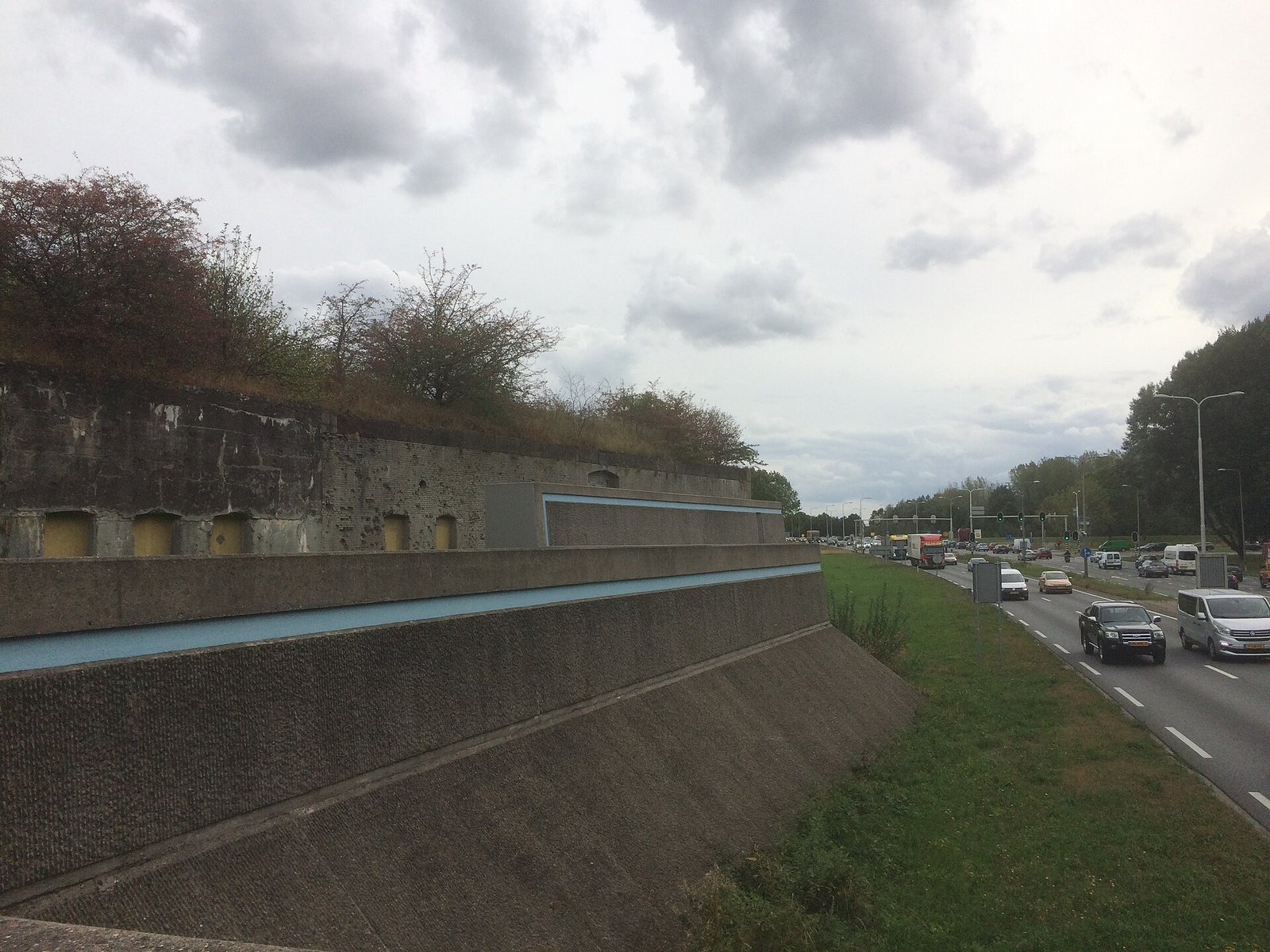
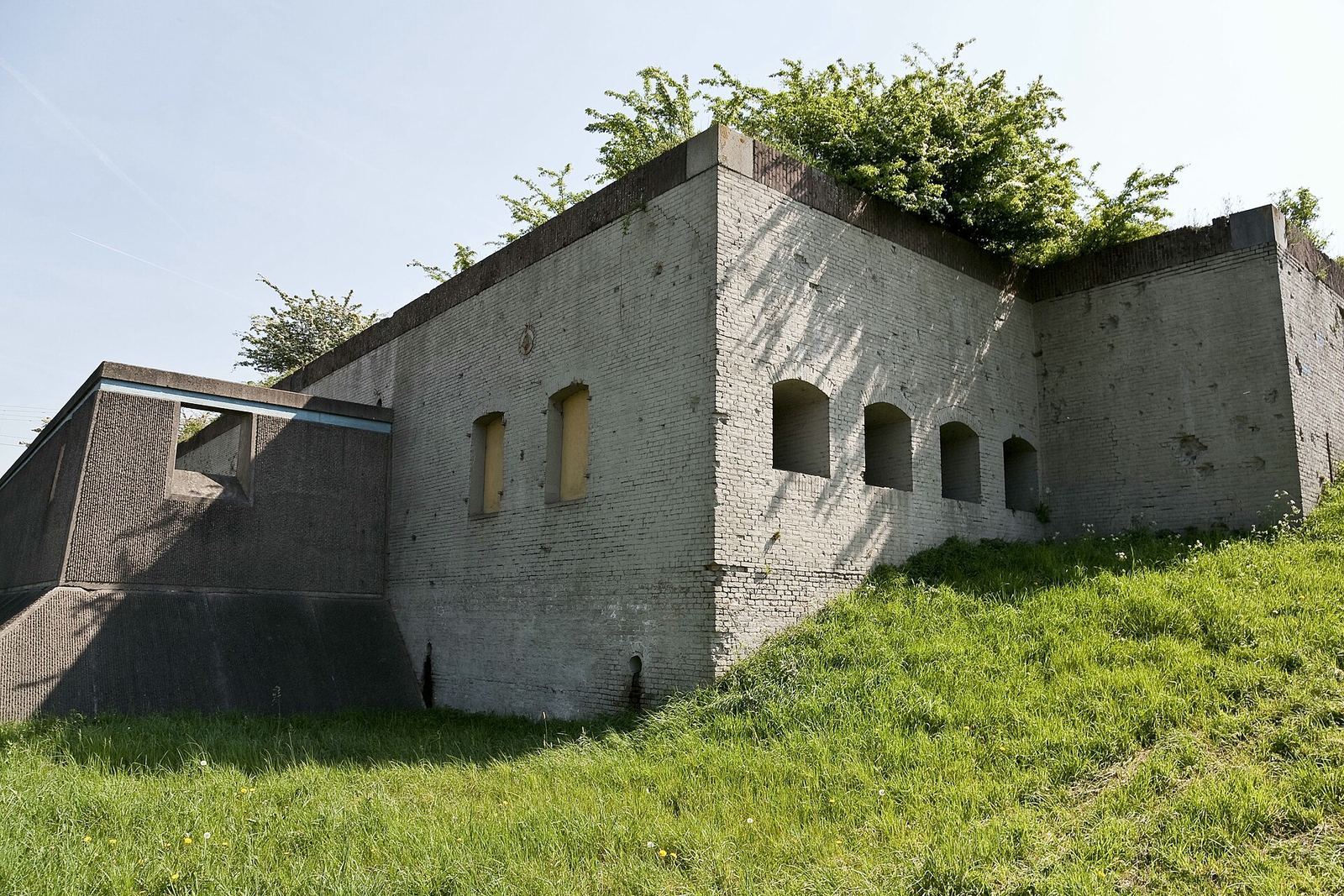
After the war the fort deteriorated, and the local fire brigade used it for exercises during the 1970s. Construction of the Zevenaarseweg beside the railway affected the main building. The Pleijweg, built in the 1980s, transformed the surrounding area, although efforts were made to keep the fort as intact as possible. In 1983, artist Wim Korvinus added high side walls because the nearby road might startle motorists.
By 2018, vegetation had been cut back, graffiti removed from the walls, and the tunnel beneath the railway and Zevenaarseweg reopened.
Remains
Fort structures and access
Earthworks and buildings
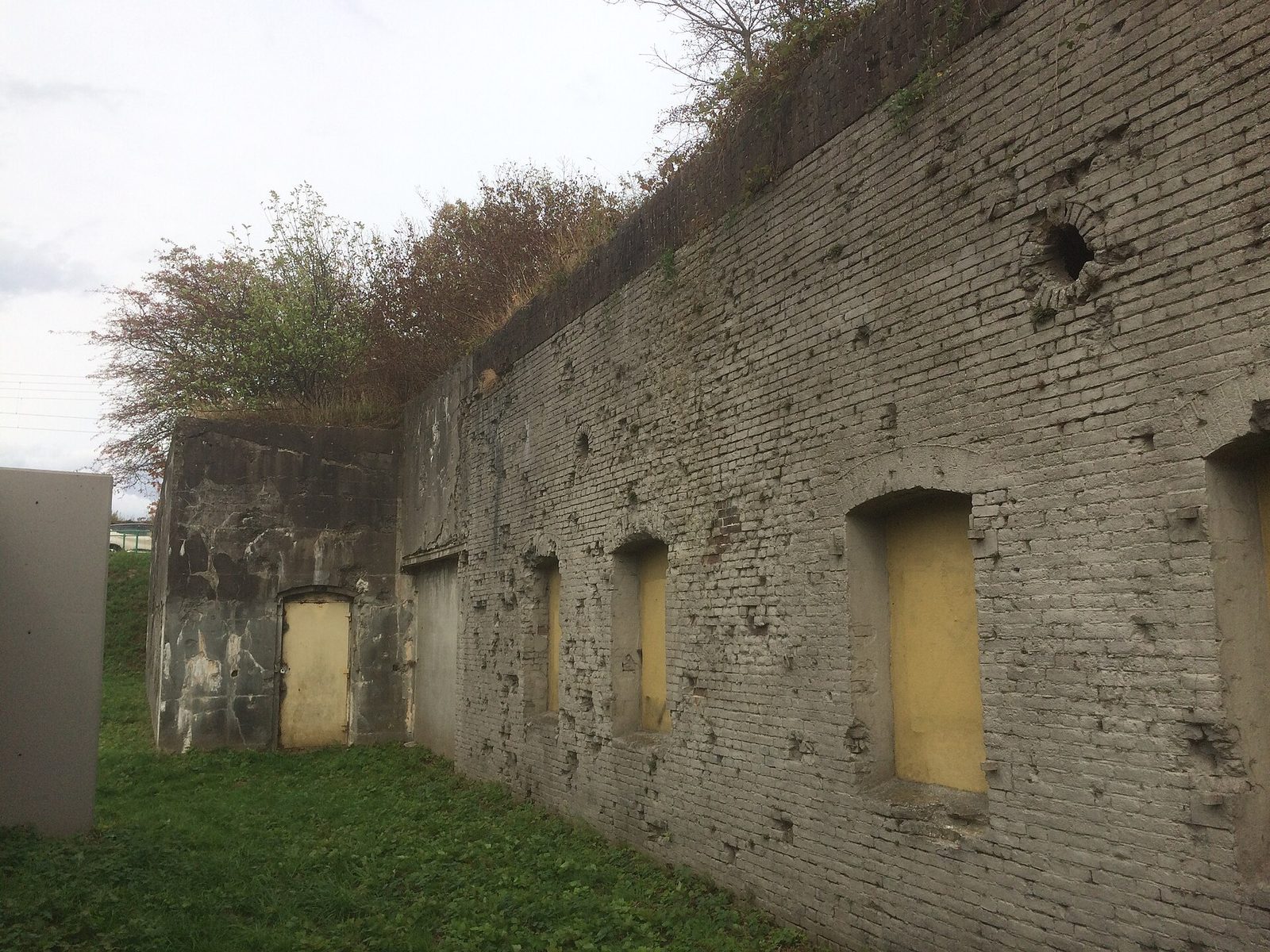
The fort combines brick and concrete construction with earthworks. Concrete casemates, protected structures for guns or troops, were added to the earthwork during the 1930s. The main building stands beside the railway embankment, and surviving buildings still show damage from impacts and explosions during the fighting.
Entrance and tunnel
An entrance leads into the site, which includes a tunnel passing beneath both the railway and the Zevenaarseweg. The Pleijweg runs very close to the fort, with the high side walls between the road and the fort.
Memorial stone
A memorial stone commemorates the 14 soldiers killed in the May 1940 fighting. Installed on 10 May 1950, it was formerly on the fort’s south side and was moved to a more accessible position atop the fort in 2025.
Railway gate
A large steel armored gate was designed to close the railway and was used during the German invasion on 10 May 1940. It is now preserved at the Geniemuseum in Vught, a Dutch museum devoted to military engineering.