Château Coutet: A Historic Sauternes Wine Estate in Barsac
Site at a Glance
- Popularity
- Medium
- Country
- France
- Primary era
- Medieval
- Eras represented
- Medieval, Early Modern
- Civilizations
- Duchy of Aquitaine, English, French
- Site type
- Domestic
- Remains
- Castle
On this page13 sections
History
Medieval origins
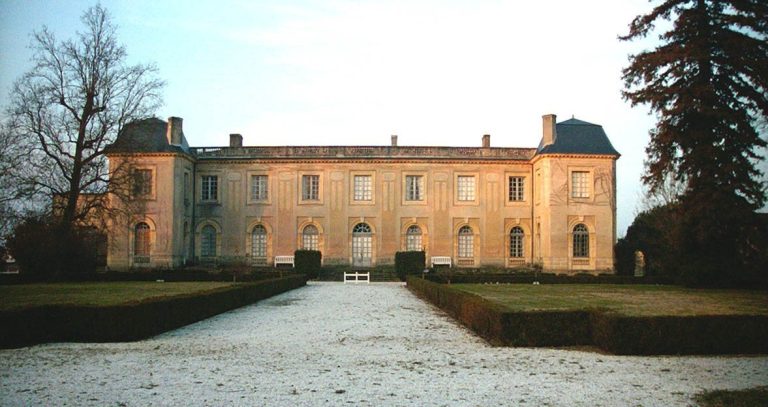
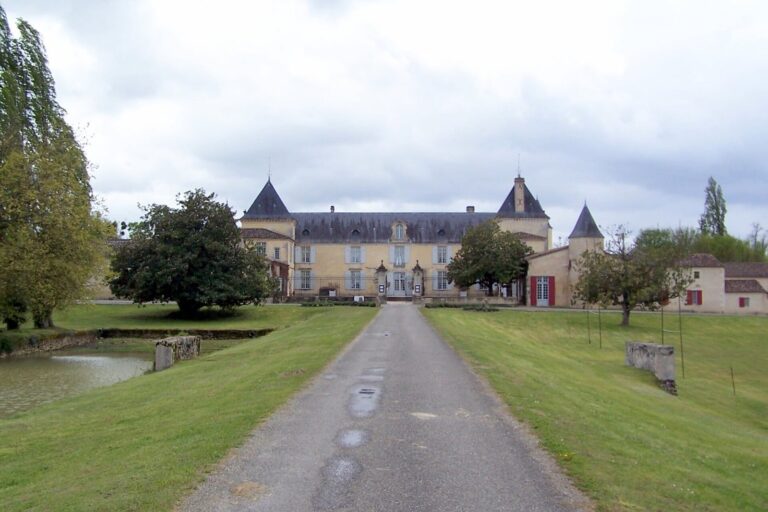
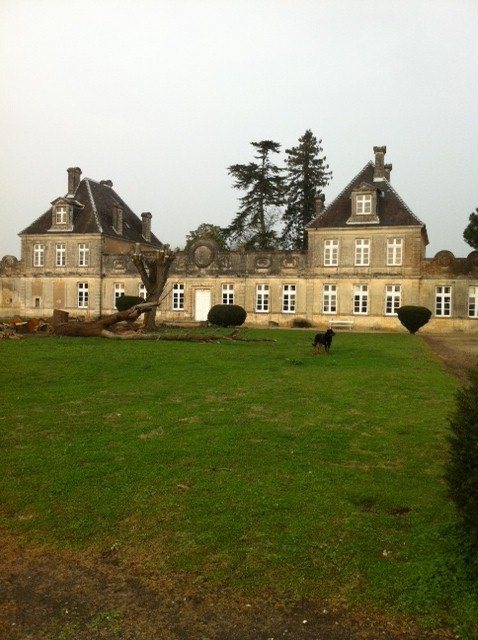
Château Coutet is a wine estate in Barsac, France. Its château dates to the late 13th or early 14th century, making Coutet one of the oldest estates producing Sauternes, the Bordeaux appellation associated with sweet white wines. The principal residence was substantially remodeled at an uncertain date.
Seventeenth and eighteenth centuries
Charles le Guerin, Lord of Coutet and a councillor of the Bordeaux Parliament, acquired the estate in 1643. The Parliament was a high court of the French monarchy. In 1695, Coutet passed to le Guerin’s nephew, Jean le Pichard, whose descendants kept it until 1788. During their ownership, Thomas Jefferson, the American statesman and wine enthusiast, praised Coutet as the best Sauternes from Barsac.
Revolution and the 1855 classification
Gabriel-Barthélémy-Romain de Filhot bought the estate in 1788. During the French Revolution, a period of political upheaval that ended the French monarchy, the state confiscated Coutet in 1794, and de Filhot was guillotined. The estate later passed to his grandson, Marquis Romain-Bertrand de Lur Saluces. The marquis also owned Château d’Yquem, Château Filhot, and Château de Malle, and was described as the world’s largest producer of sweet white wines.
In 1855, Château Coutet was classified as a Premier Cru Classé, or First Growth, in the official Bordeaux wine classification. The Lur Saluces family retained the estate until the early 1920s.
Twentieth-century ownership and winemaking
Henry-Louis Guy, a Lyon-based maker of hydraulic wine presses, acquired Coutet in the early 1920s and separated it from Château d’Yquem. He equipped the winery with vertical presses that remain in use at each harvest. Marcel Baly and his sons Philippe and Dominique bought the estate in 1977 and renovated its vineyard and production buildings.
Coutet produces its principal wine, the second wine Chartreuse de Coutet from younger vines, and the dry white Vin Sec de Château Coutet. In exceptional vintages, it also makes Cuvée Madame, a wine selected berry by berry. Edmond Rolland first made it in 1922 in honour of his wife; its typical production is 700 cases. The principal wine averages 4,500 cases a year.
Harvesters pick the grapes by hand in successive passes because they reach overripeness at different times. Depending on the weather, the harvest involves three to seven passes. The grapes are pressed three times in vertical presses, and the juice settles overnight at low temperatures before fermenting in barrels, about half of them new. The process aims for about 14% alcohol by volume and 135 to 160 grams of residual sugar per litre. The wine then matures for 18 months in cellars with a mild, steady temperature.
Remains
The estate’s physical features include a courtyard-centered château, several towers, a chapel, a long cellar, vineyards, and formal garden grounds. The buildings reflect several periods, while the vineyard’s soils and position between two rivers shape its agricultural setting.
Château and courtyard
Main residence and square tower
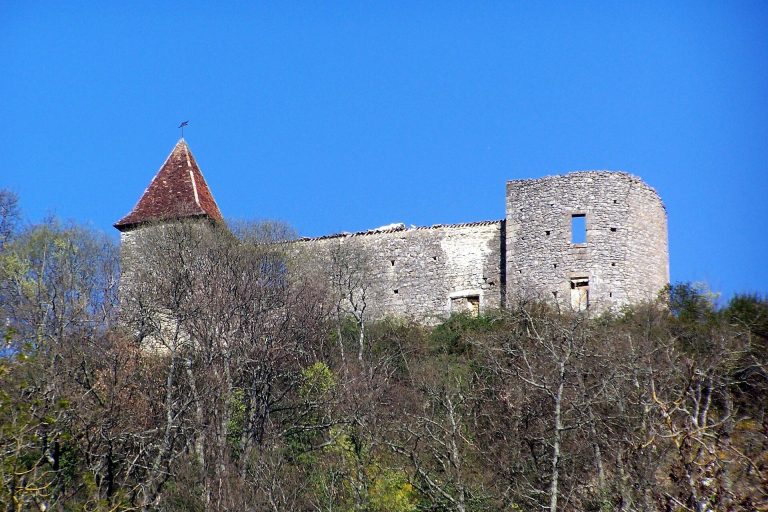
A square tower stands over the main courtyard and is believed to date to the late 13th century. Its design resembles military buildings associated with the period of English rule in Aquitaine, a historical region in southwestern France. The château’s oldest section has the same architectural design as Château d’Yquem.
Other towers, chapel, and well
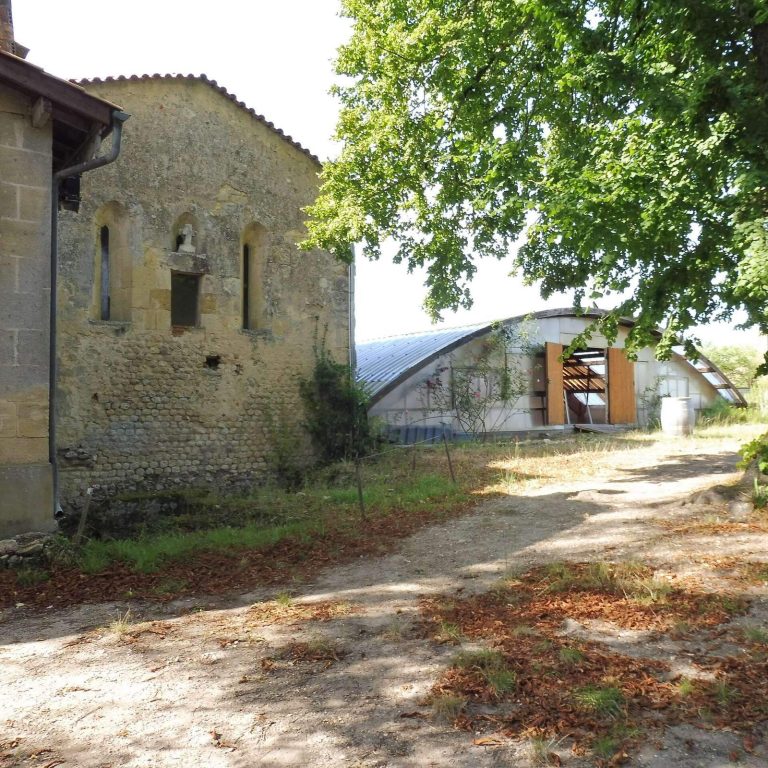
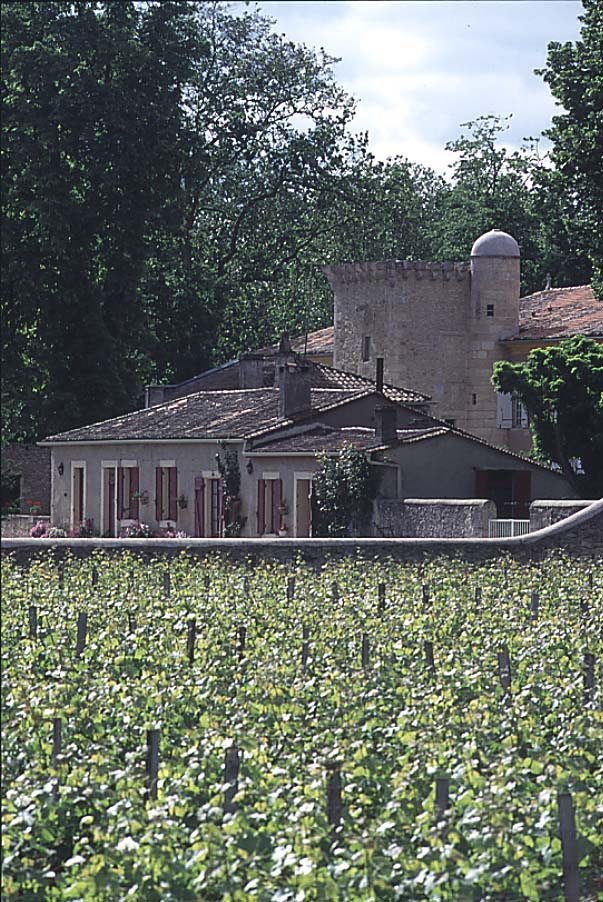
A tower in the northern vineyard plot was built to raise pigeons and peacocks for the Gascon lords. The estate also has a 14th-century chapel and two towers dating to the 16th century. In the courtyard, a well replicates the well at Château d’Yquem.
Cellar
The estate’s cellar extends for 110 metres and holds more than 860 barrels. It is described as the longest cellar in Sauternes.
Vineyard and grounds
Vineyard
The 38-hectare vineyard lies between the Garonne and Ciron rivers, close to the Ciron’s waters. Its soil is reddish clay; depending on the parcel, fine gravel deposited by the Garonne or wind-blown sand lies above limestone bedrock. The vines are 75% Sémillon, 23% Sauvignon blanc, and 2% Muscadelle. Autumn mists encourage the fungus Botrytis cinerea, which concentrates sugars in the grapes through the process known as noble rot.
Formal garden
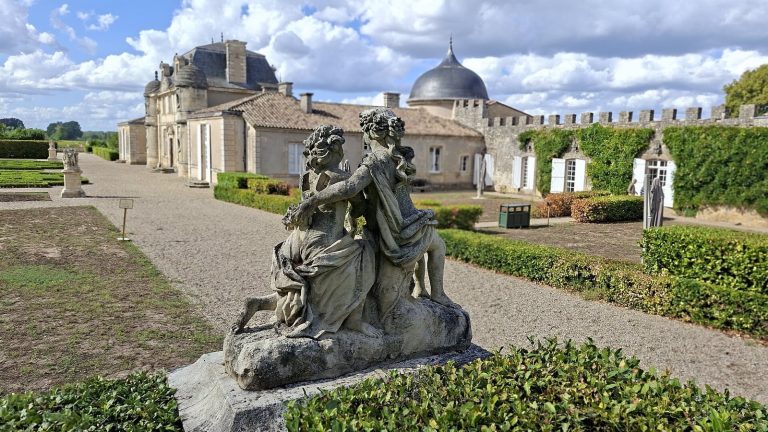
The grounds were embellished with a formal French garden.