Burglengenfeld Castle: A Medieval Hilltop Fortress in Germany
Site at a Glance
- Popularity
- Medium
- Country
- Germany
- Primary era
- Medieval
- Eras represented
- Medieval
- Civilizations
- Duchy of Bavaria, Holy Roman Empire
- Site type
- Military
- Remains
- Castle
On this page11 sections
History
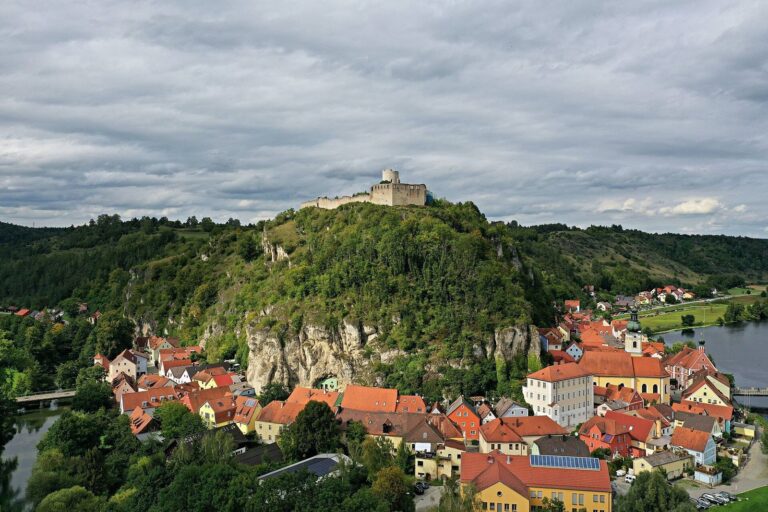
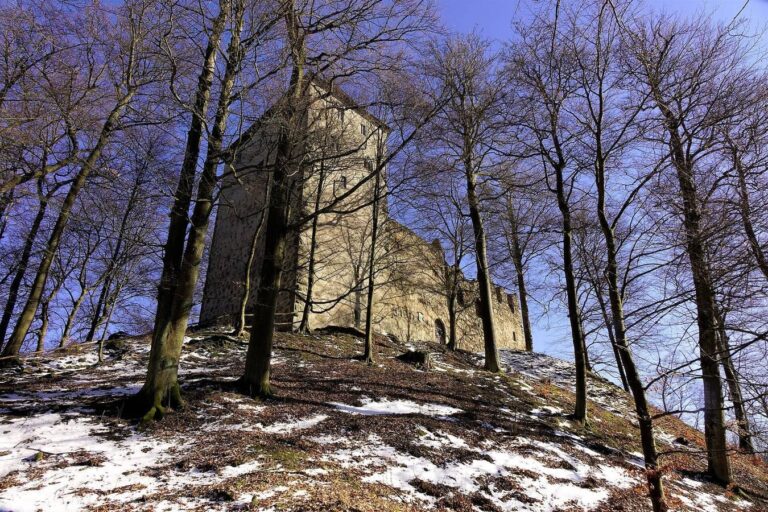
Burglengenfeld Castle is an 11th-century hilltop fortress in Germany, developed by the Lords of Lengenfeld. References to the family in the ninth and tenth centuries are uncertain, but they are known from about 1050. An earthen fortification with ramparts and palisades may have preceded the visible stone castle.
The Lords of Lengenfeld and the Wittelsbachs
The Lords of Lengenfeld probably established the castle’s main fortifications around 1100. After Count Friedrich III of Lengenfeld died in 1119 or 1120, the castle passed to the Wittelsbachs, the dynasty that ruled Bavaria. Count Palatine Otto V of Bavaria, a high-ranking noble and royal official, strengthened the stronghold soon after acquiring it.
Damage, inheritance, and demolition
In 1504, the castle was damaged during the War of the Landshut Succession, a conflict fought from 1503 to 1505 over the inheritance of the Duchy of Bavaria-Landshut. It was then assigned to the newly established Wittelsbach Duchy of Palatinate-Neuburg. In 1777, that line inherited the Bavarian Wittelsbach line, bringing the castle under the Bavarian duke.
Following its sale in 1806, demolition began and removed the inner castle, the fortress’s innermost protected area. The work was stopped in 1814 at the instigation of Crown Prince Ludwig, later King of Bavaria.
Modern use
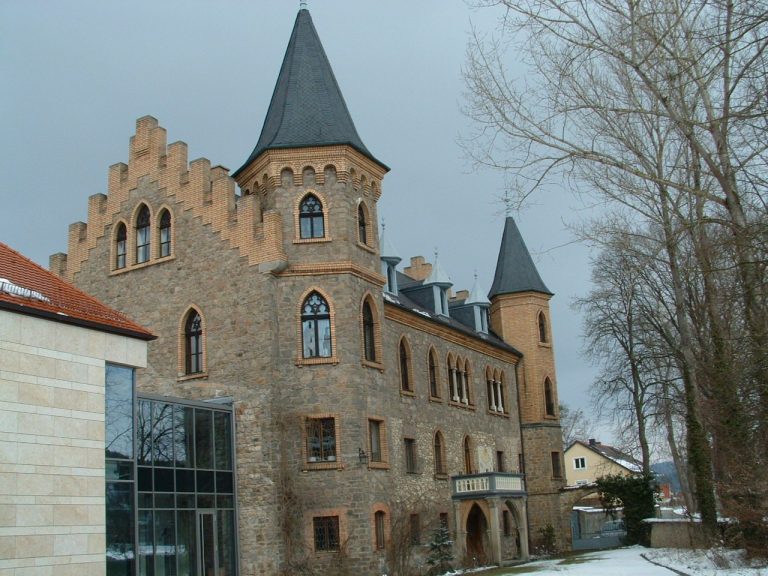
Erich Heuser bought the castle in 1967 and established a special-education center there. The privately owned complex now houses a naturopathic treatment center.
Remains
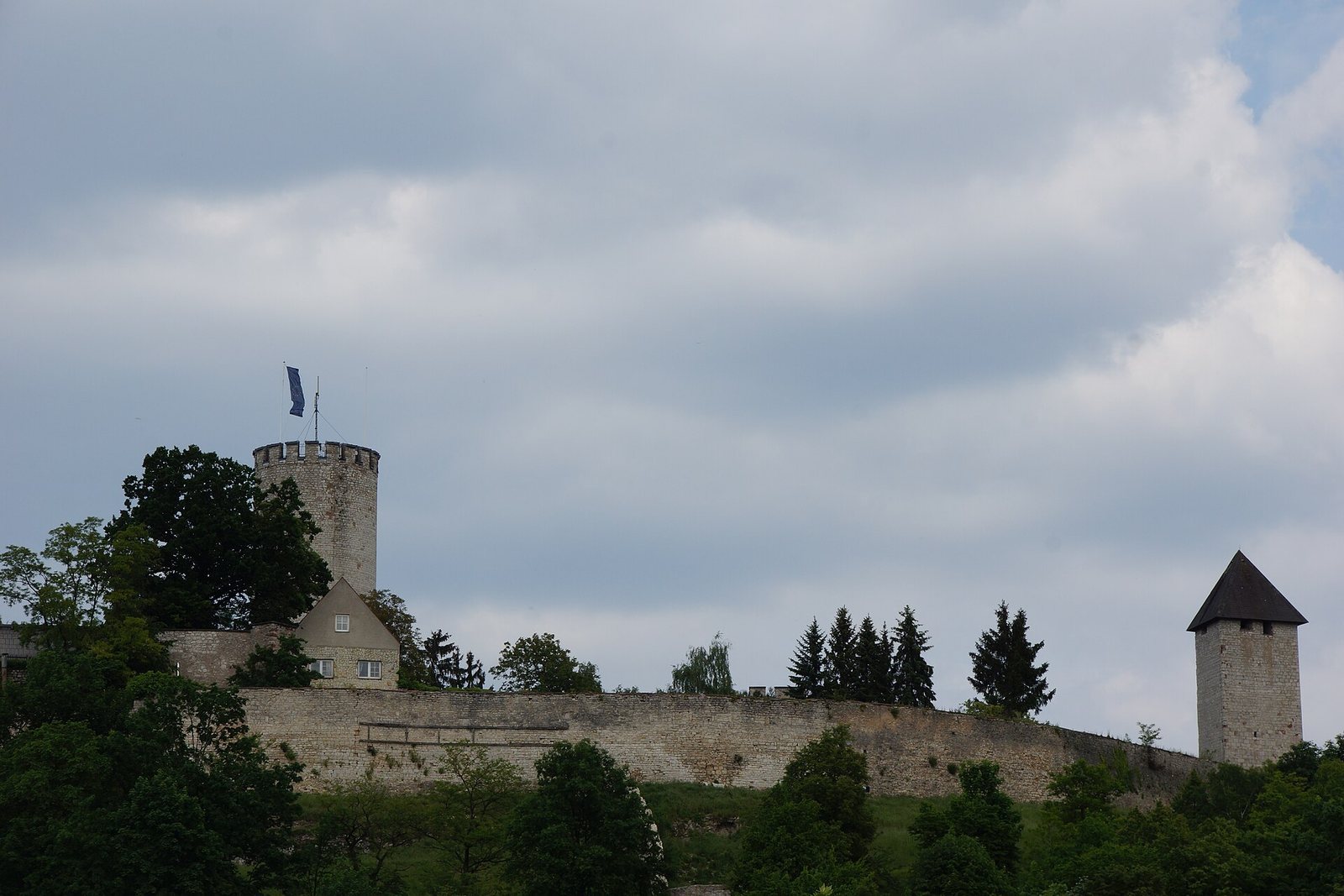
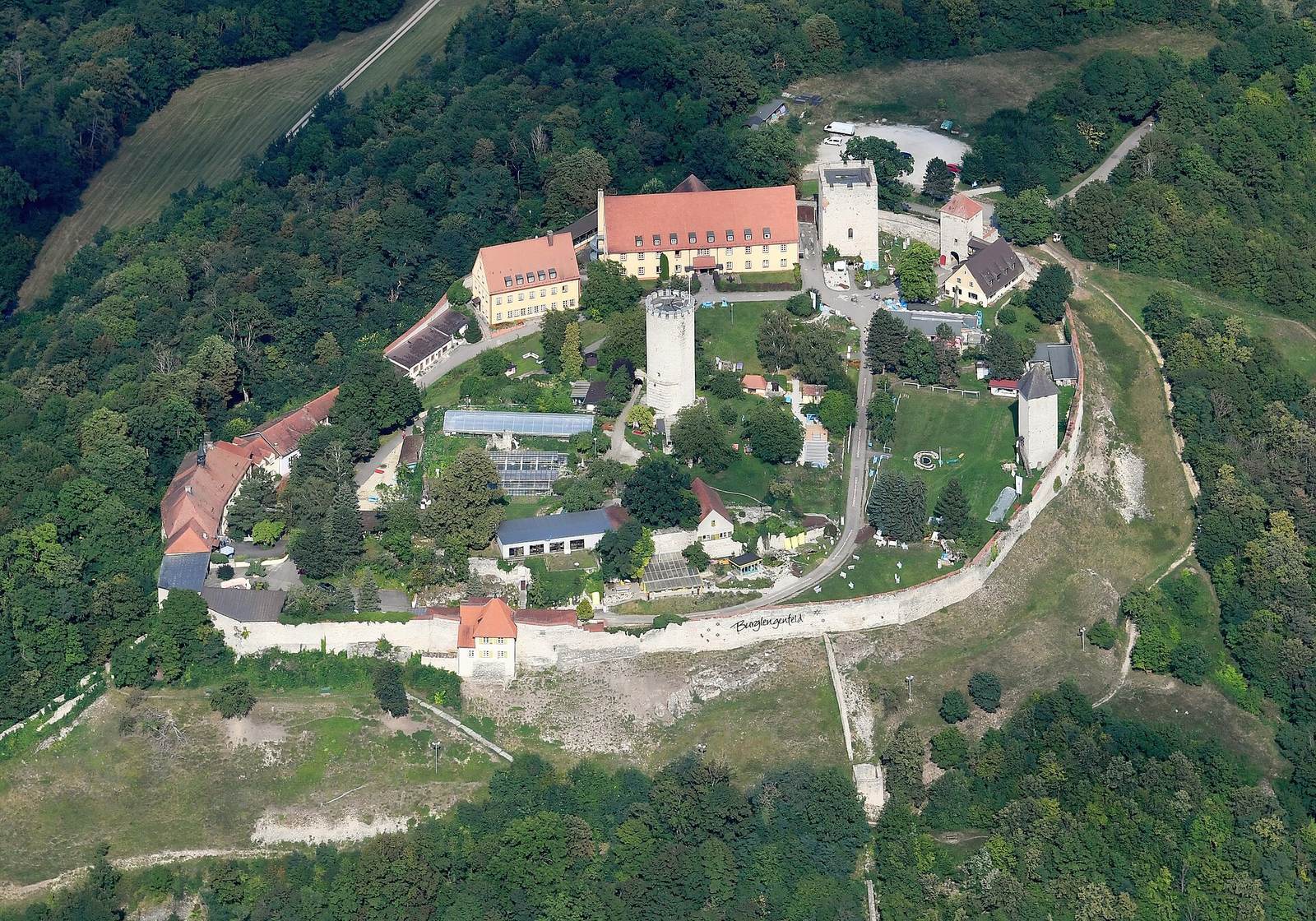
The castle occupies a ridge above the modern town of Burglengenfeld in the Upper Palatinate, at 427 metres above sea level. Its area is estimated at between about 1.8 and 2.36 hectares. Much of the complex survives, including a long ring wall, a gate complex, towers, and later service buildings.
Enclosure and entrance
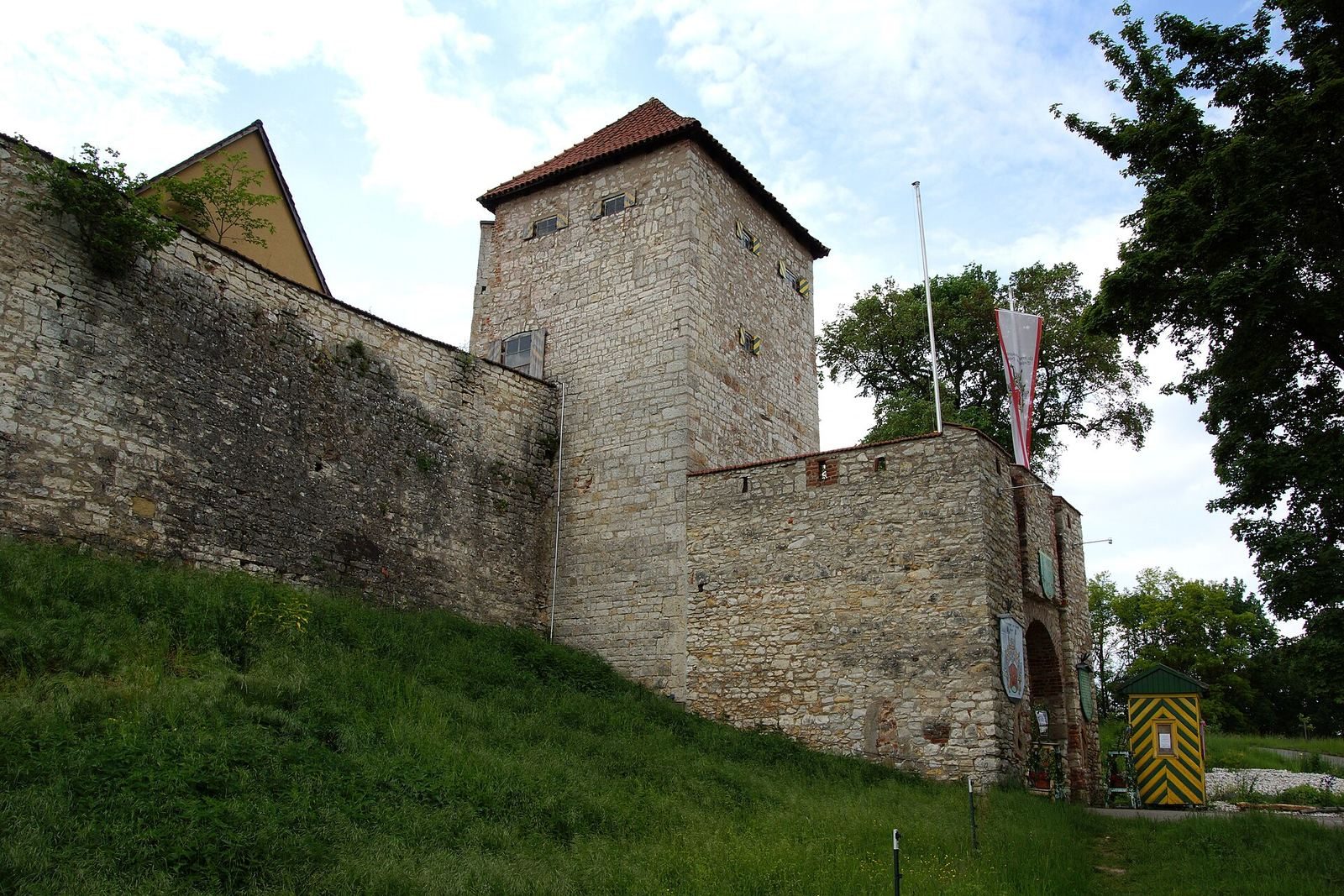
The ring wall extends for approximately 800 metres and, with the gate complex, belongs to the Salian period, named for the dynasty that ruled as German kings and Holy Roman Emperors in the 11th and early 12th centuries. The Lords of Lengenfeld probably built these fortifications around 1100.
Towers
Central Round Tower
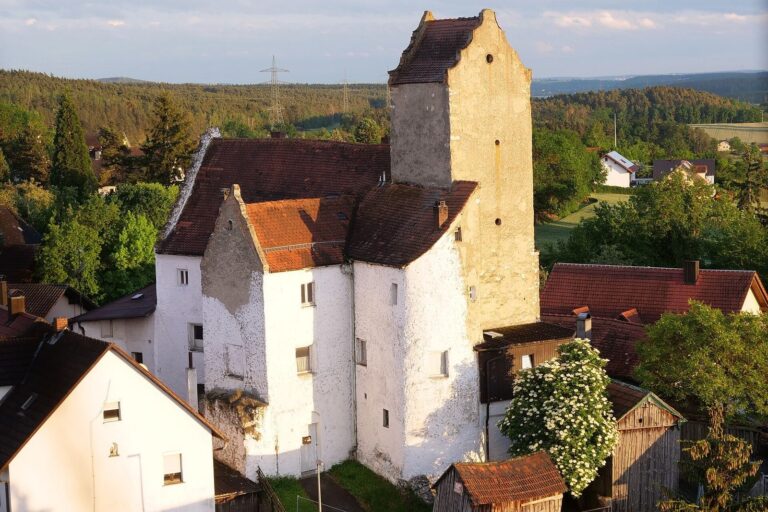
The central round tower, also known as the High Round Tower, is one of the castle’s two residential towers. It probably dates to the Salian period and was likely built by the Lords of Lengenfeld around 1100.
Sinzenhofer Tower
The rectangular Sinzenhofer Tower stands beside the eastern gate and forms the other residential tower. It probably dates to the Salian period. Count Palatine Otto V may have commissioned it to strengthen the gate’s defenses after taking possession of the castle.
Powder Tower
The smaller Powder Tower stands in the south of the complex. It dates to the Staufer period, when the Hohenstaufen dynasty was prominent in the German lands during the 12th and 13th centuries.
Later buildings
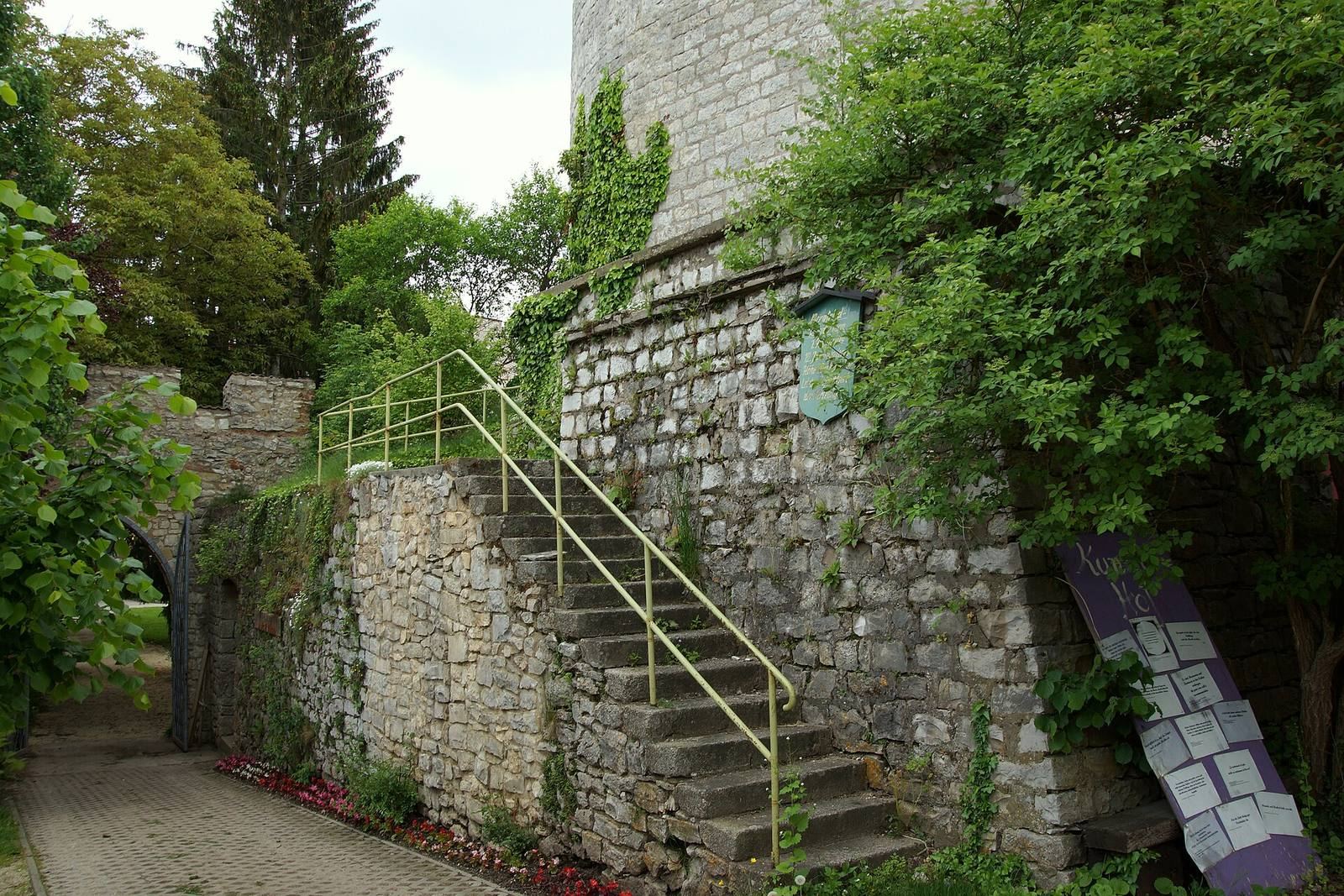
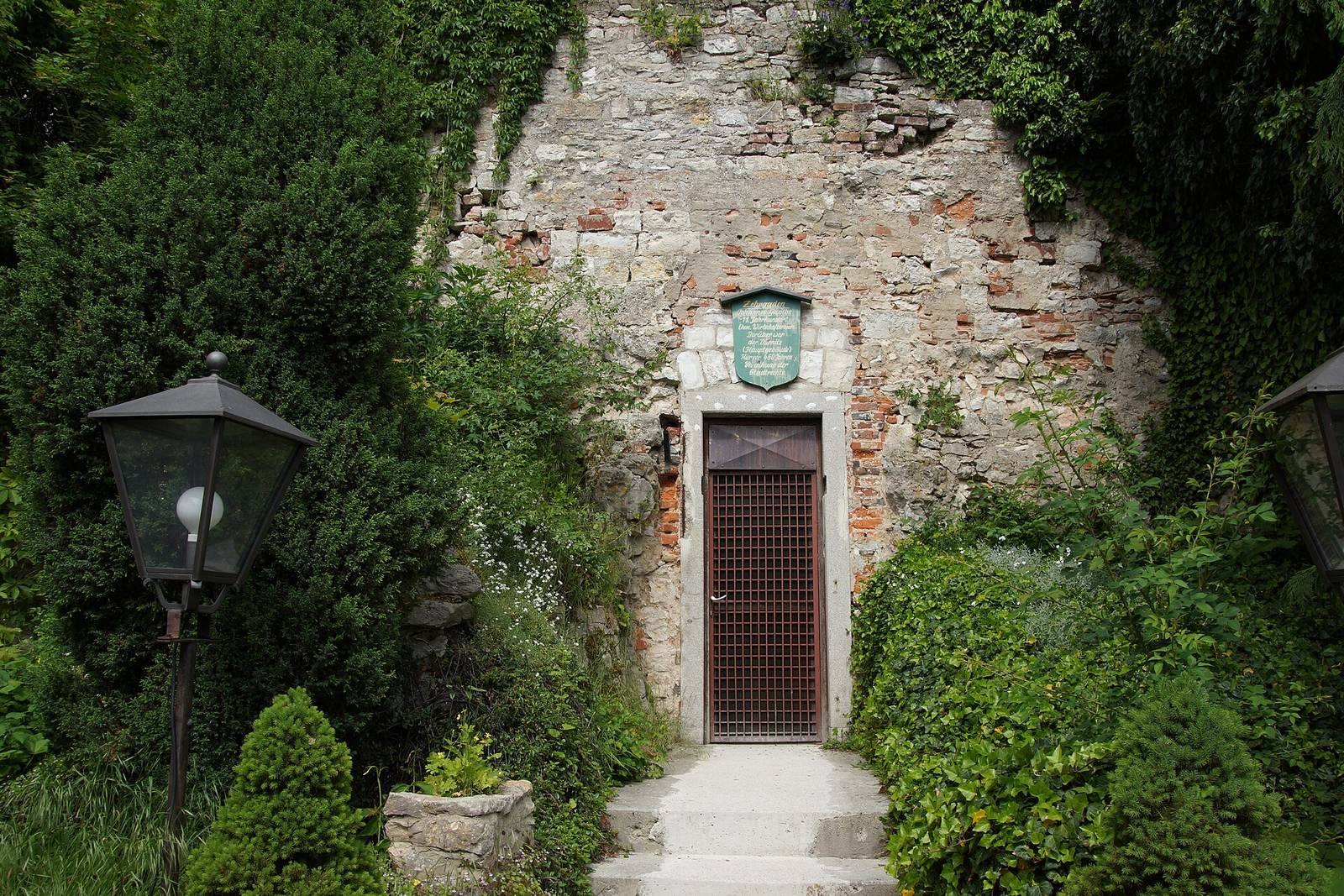
A later grain store and other service buildings remain within the complex. Foundations and cellars survive from some additional later structures.