Citadel of Ghazni: A Medieval Fortress in Afghanistan
Site at a Glance
- Popularity
- High
- Country
- Afghanistan
- Primary era
- Medieval
- Eras represented
- Medieval
- Civilizations
- Unclassified
- Site type
- Military
- Remains
- Citadel
On this page8 sections
History
Ghazni before the fortress
In 962, Alp-Tegin, a Turkic commander serving the Samanid dynasty, attacked Ghazni and besieged its citadel for four months. He took the city from its Lawik ruler, Abu Bakr Lawik, with Sabuktigin accompanying him. Sabuktigin later founded the Ghaznavid dynasty. Ghazni went on to serve as the Ghaznavid capital and the sultan’s residence. The Ghurid Empire’s expansion was regarded as a threat to Ghaznavid power and territory.
The medieval fortress
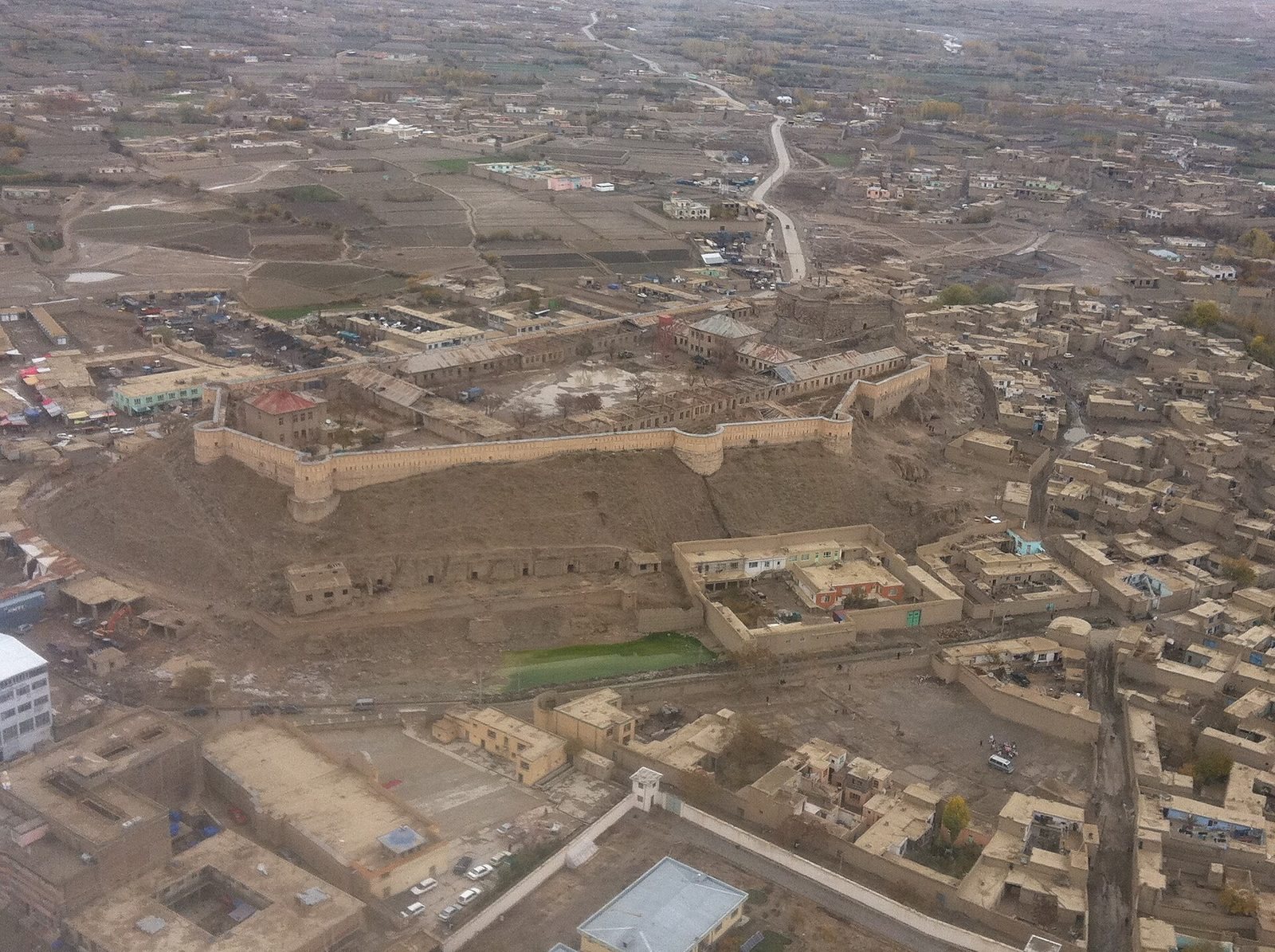
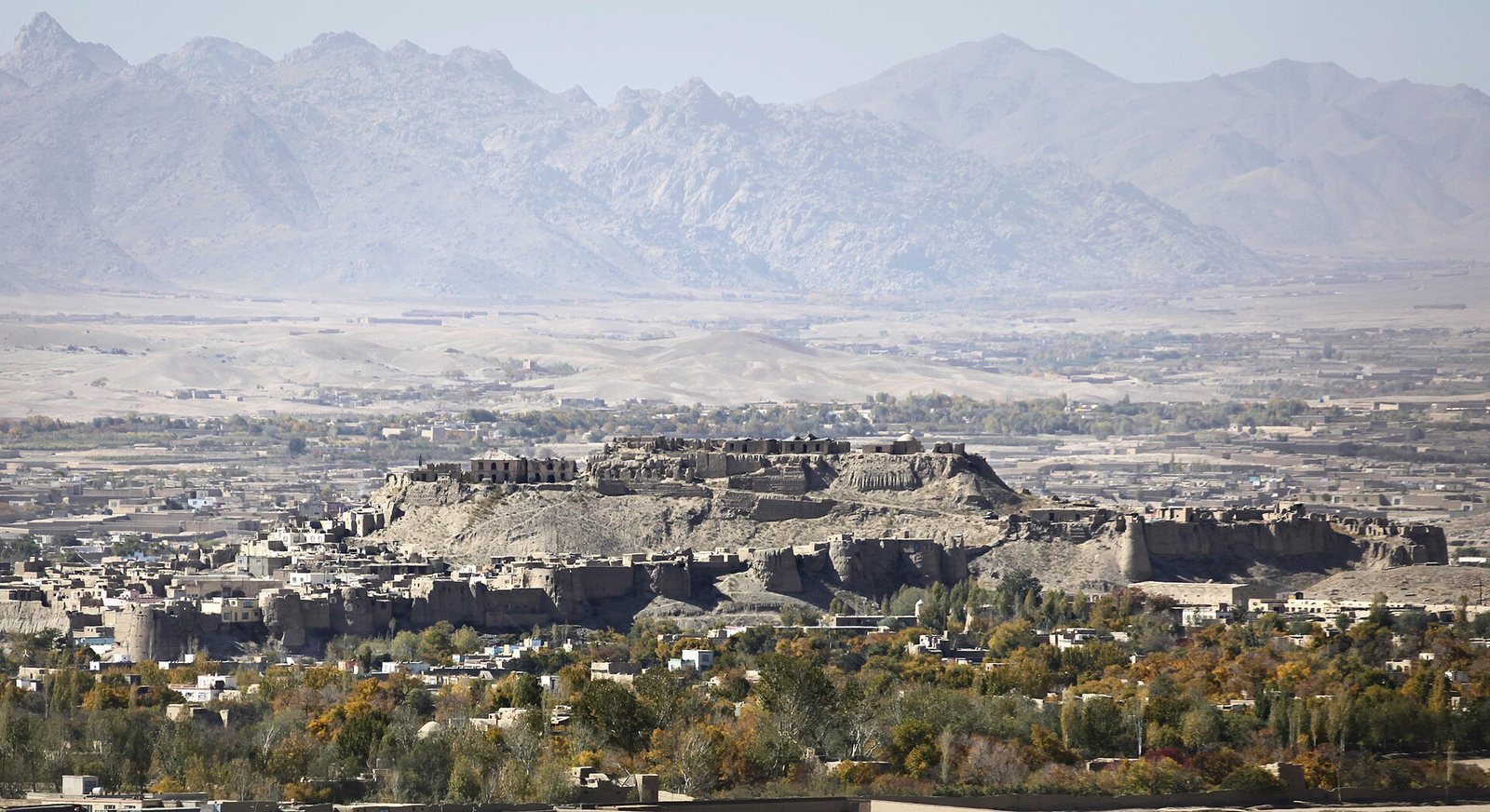
The Citadel of Ghazni is a fortress in central Ghazni, Afghanistan, built in the 13th century to defend the city. It enclosed the palace and the core of a city with an earlier history as a political capital.
Capture and damage
In 1839, during the First Anglo-Afghan War, a conflict between Britain and Afghanistan that began that year, British troops stormed and captured the citadel. James Atkinson’s 1839 painting of the Ghazni Minarets shows the citadel in the background. Fighting in later decades caused further violence and damage.
Heavy rain, decades of war, political instability and a lack of funds have contributed to the fortress’s deterioration and hindered restoration. On 14 June 2019, a tower collapsed. Heavy rain and possible government negligence were cited as causes, prompting international calls for stronger protection of Afghanistan’s cultural heritage.
Remains
Fortress layout and construction
The multi-level fortress rises about 45 metres above central Ghazni and encloses the palace and the city’s core within a defensive perimeter. Its brick construction forms a walled urban complex. The main palace is also described as 45 metres (150 feet) high and surrounded by a fortification.
Walls and towers
A brick perimeter wall and round towers formed the defences. The fortress originally had 32 towers; more than half have been destroyed or badly damaged, and many remaining walls and towers are crumbling. The site is partially ruined. The bricks may have been reused from Indian buildings, a possibility associated with Ghaznavid military campaigns and trade with India.
Gates and enclosed buildings
Four gates connected the fortress with markets inside its walls. The enclosed area also included suburban homes and administrative and military quarters, while serving as a gathering place for the population.