San Biagio Maggiore: A Baroque Church in Naples
Site at a Glance
- Popularity
- Medium
- Country
- Italy
- Primary era
- Early Modern
- Eras represented
- Medieval, Early Modern
- Civilizations
- Kingdom of Naples, Spanish
- Site type
- Religious
- Remains
- Church
On this page7 sections
History
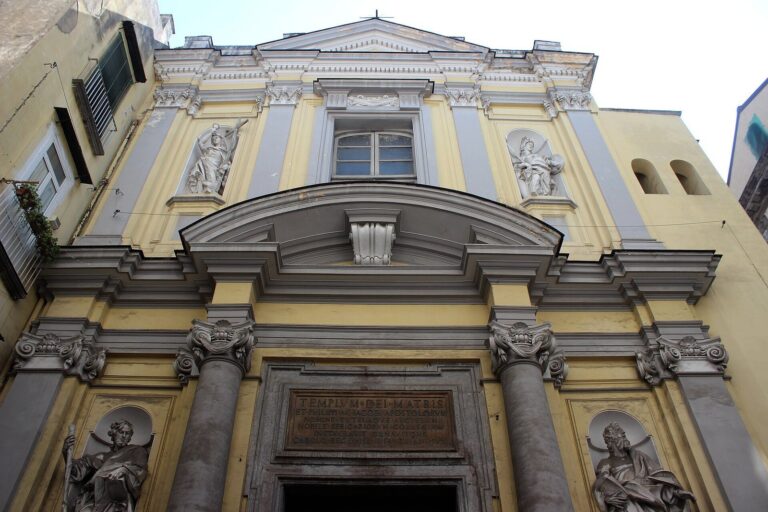
San Biagio Maggiore is a small church in Naples, Italy, founded in 1631 in the Neapolitan Baroque style, an architectural mode known for elaborate, dramatic forms. Its history began with a chapel for relics of Saint Blaise and developed through centuries of neighborhood religious life.
Origins and the chapel
In the eighth century, Armenian nuns fleeing Byzantine Iconoclasm, periods of opposition to religious images in the Byzantine Empire, brought relics of Saints Gregory and Blaise to Naples. They established a chapel beside San Gennaro all’Olmo to house Blaise’s skull. The chapel was later rebuilt in the Gothic style, a medieval tradition associated with pointed arches and ribbed vaulting.
From chapel to church
In 1543, the Congregation of the Booksellers took charge of the chapel. Its members worked in the neighborhood and maintained the place of worship, which was devoted to Blaise’s relic. By 1628, Blaise had been declared a protector of the Neapolitan realm. People also prayed at the chapel for help finding marriage partners and for relief from throat ailments. Blaise was an early Christian bishop and martyr, traditionally invoked for protection against such illnesses.
In 1631, Francesco Boncompagni, a cardinal, or senior official of the Roman Catholic Church, founded the present church by combining the earlier chapel with the sacristy of San Gennaro. Dedicated to Saint Blaise, it belonged to the Roman Catholic Archdiocese of Naples. The physician Marco Aurelio Severino, who came from Calabria, died in 1656 while treating people afflicted by plague. The Enlightenment philosopher Giambattista Vico was baptized in the church.
Later history and present use
The church has also been known locally as Santa Patrizia. It forms part of the Historic Centre of Naples, inscribed as a UNESCO World Heritage Site in 1997. After years of closure and deterioration, the church underwent extensive renovation and reopened in 2007. It is now deconsecrated and serves as the headquarters of the Fondazione Giambattista Vico.
Remains
Setting and exterior
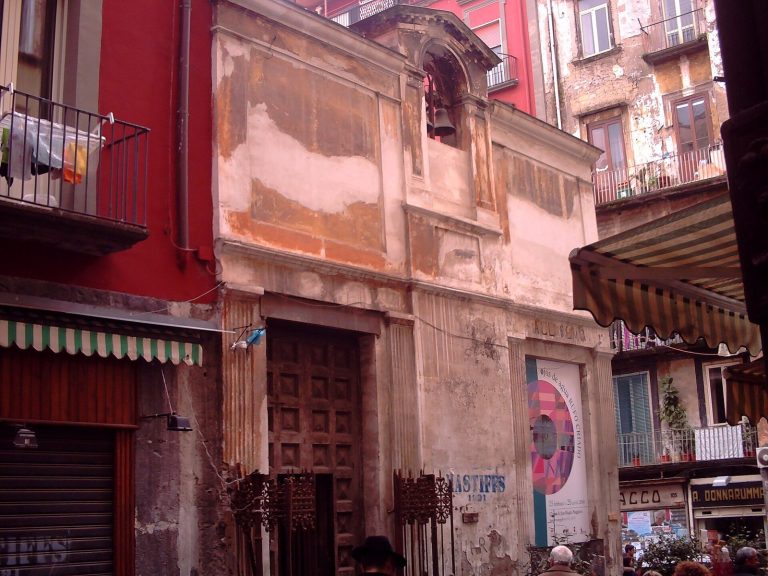
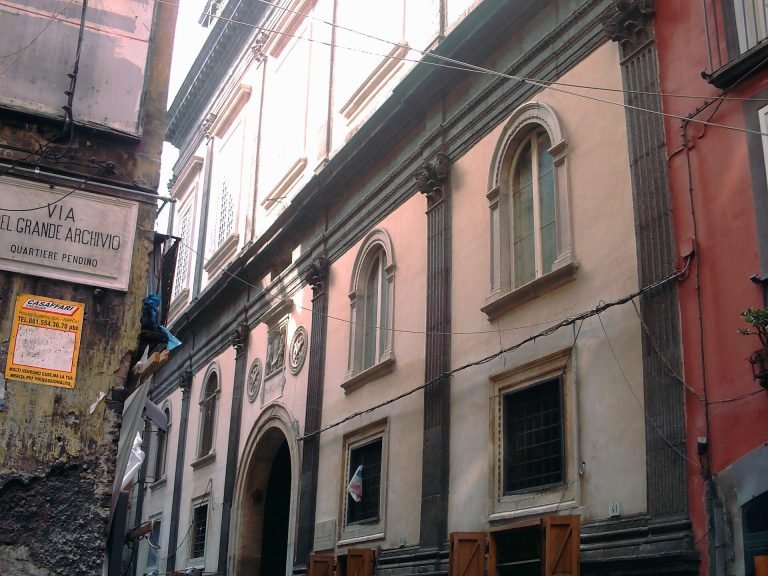
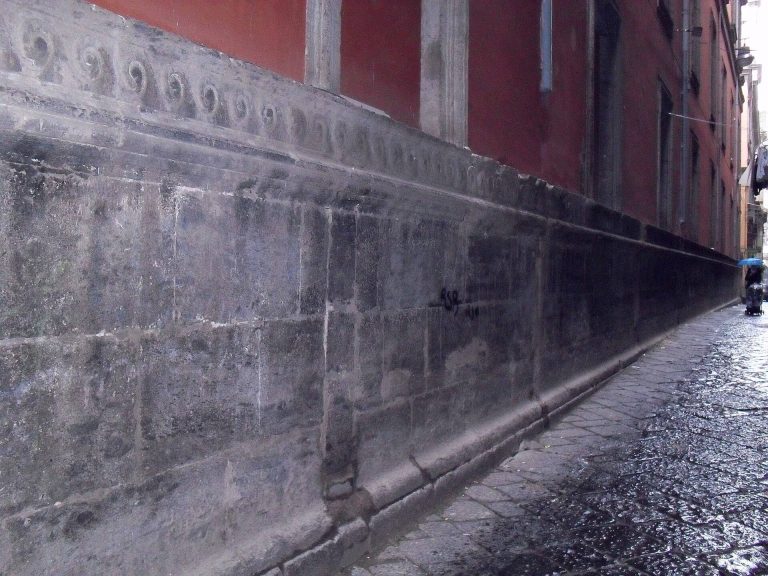
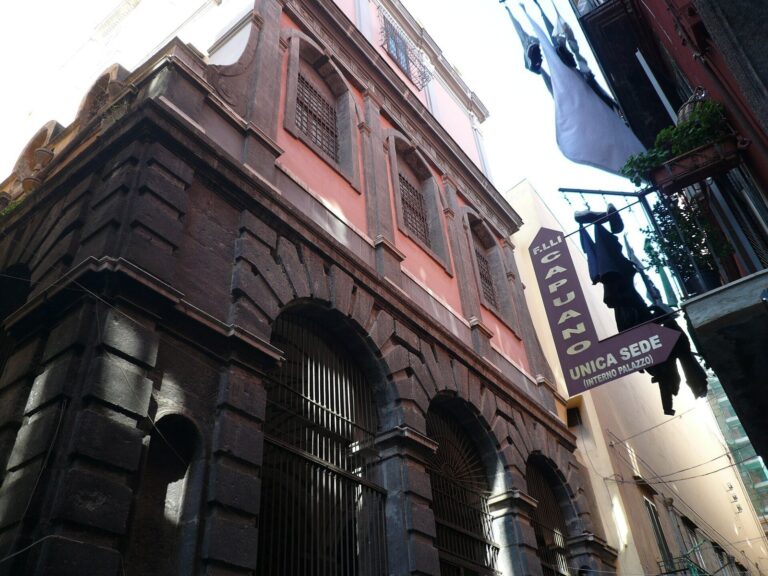
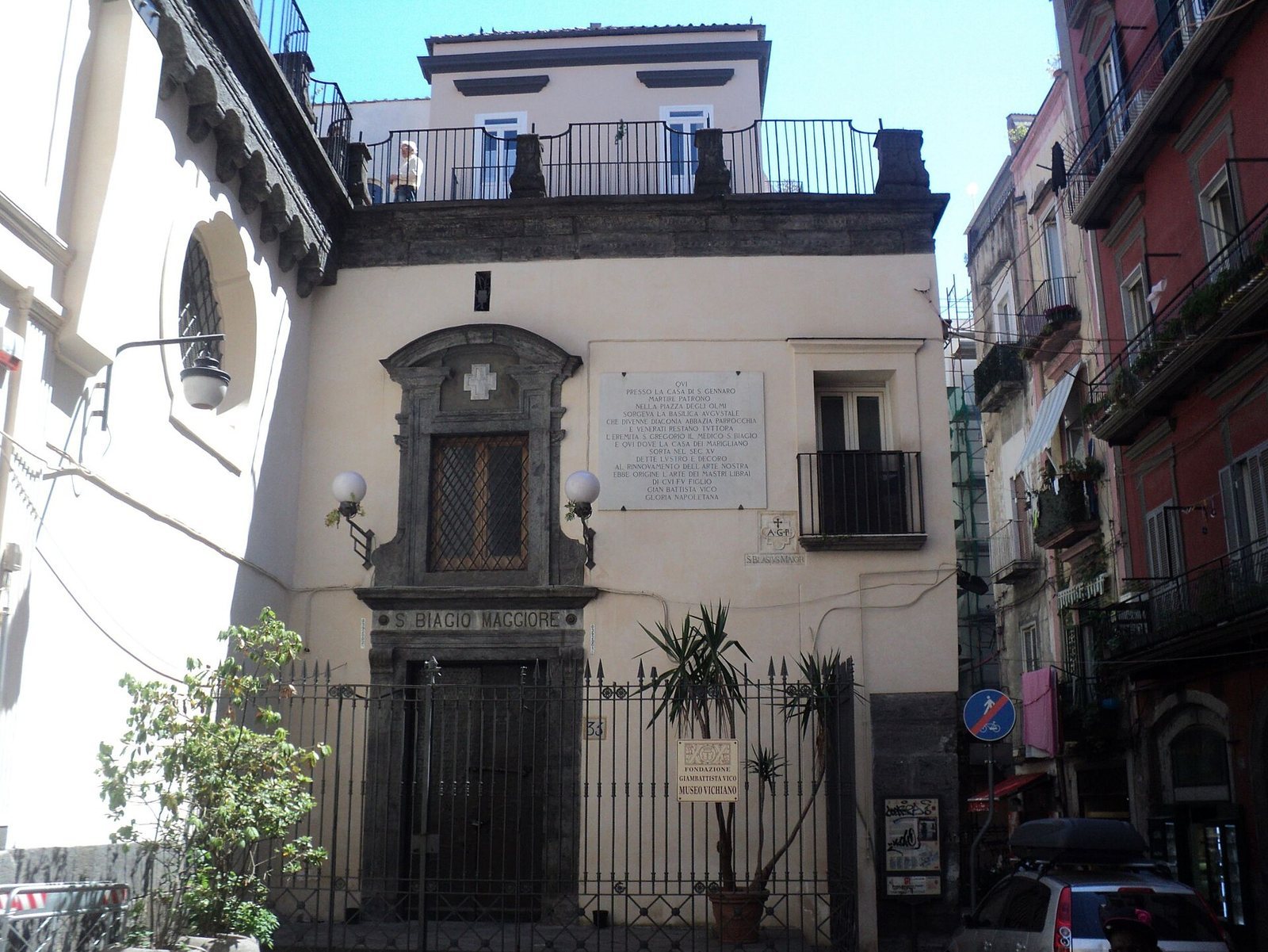
The small Baroque church stands at the junction of Via San Biagio dei Librai and Via San Gregorio Armeno. It adjoins San Gennaro all’Olmo and remains connected to that church’s sacristy. Palazzo Marigliano, built in 1512–13 by Giovanni Donadio, borders the church. Its entrance is framed by a seventeenth-century portal made of piperno, a dark volcanic stone traditionally used in buildings around Naples.
Interior and furnishings
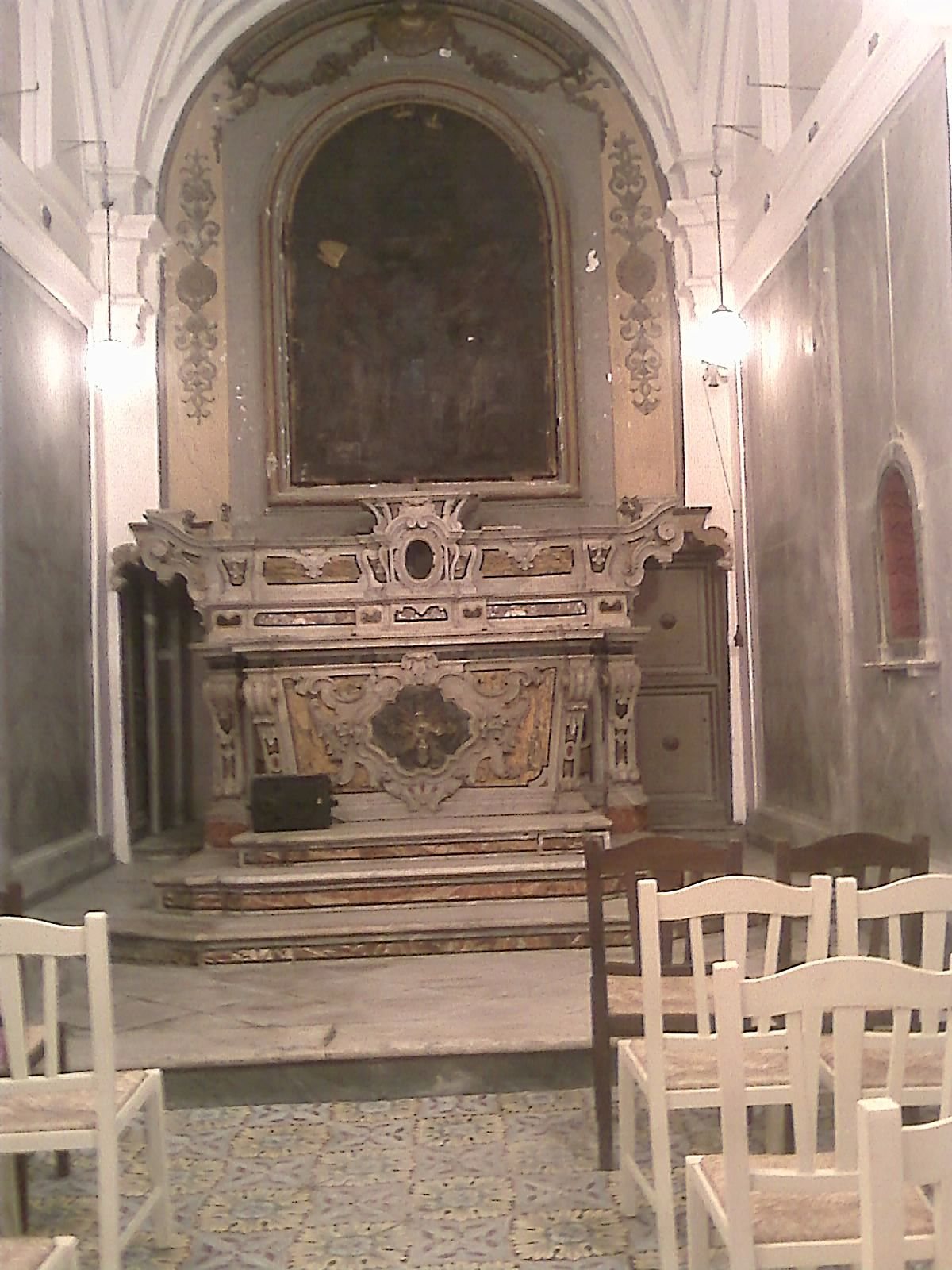
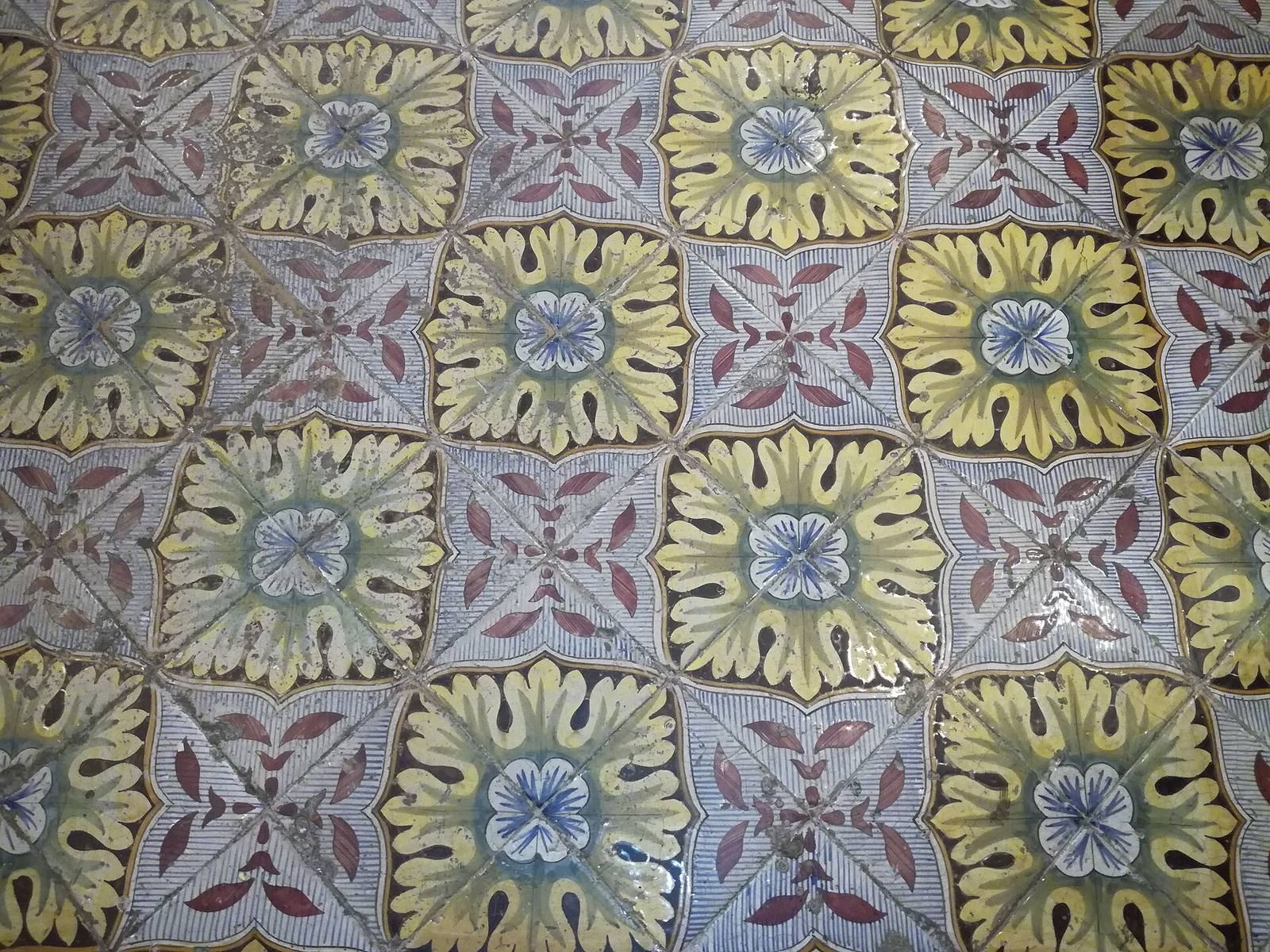
A window in the façade lights the modest interior, which has Gothic cross vaults, ceilings formed by intersecting curved sections. Its furnishings include a monumental polychrome high altar, an eighteenth-century maiolica floor of tin-glazed earthenware, and a sixteenth-century Mannerist altarpiece, in a style marked by deliberate complexity and stylization, depicting the Virgin in Glory with Saints Blaise and Nicholas. The statue of Saint Blaise was transferred to the nearby Church of Saints Philip and James. The church preserves the ashes of Marco Aurelio Severino.