Prison Saint-Michel: A Historic Prison in Rennes, France
Site at a Glance
- Popularity
- Medium
- Country
- France
- Primary era
- Medieval
- Eras represented
- Medieval
- Civilizations
- Duchy of Brittany
- Site type
- Civic
- Remains
- Prison
On this page6 sections
History
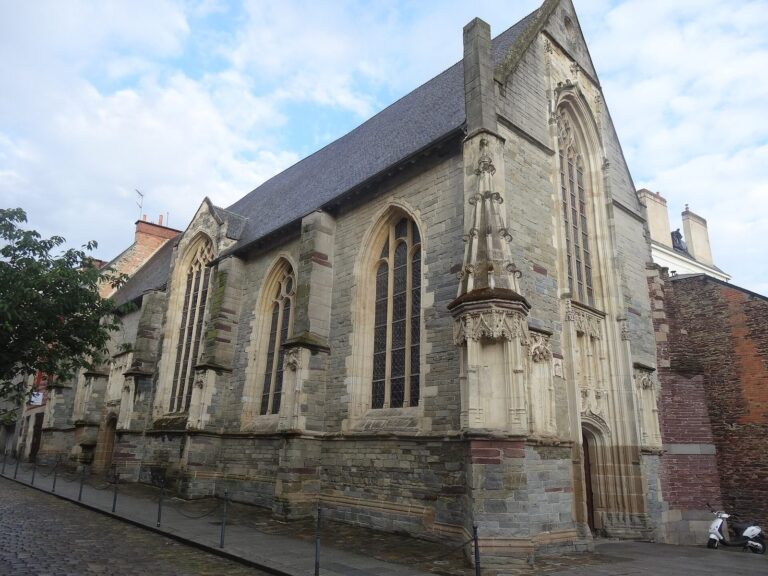
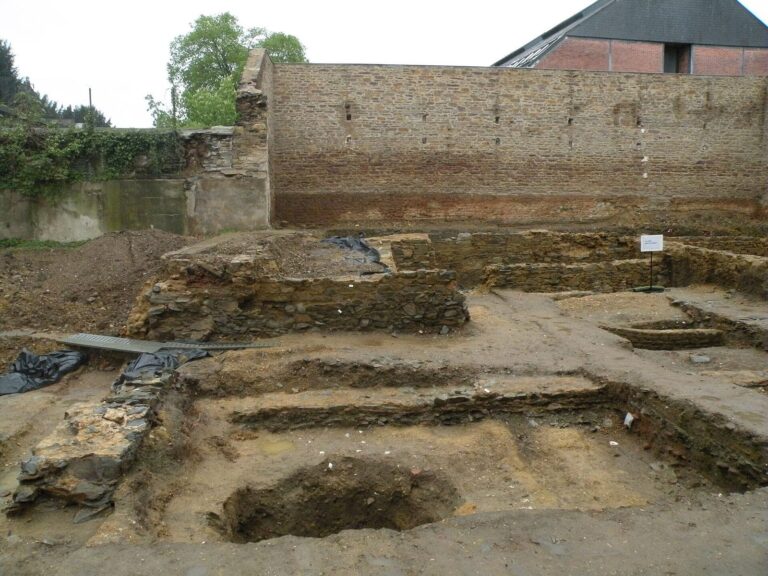
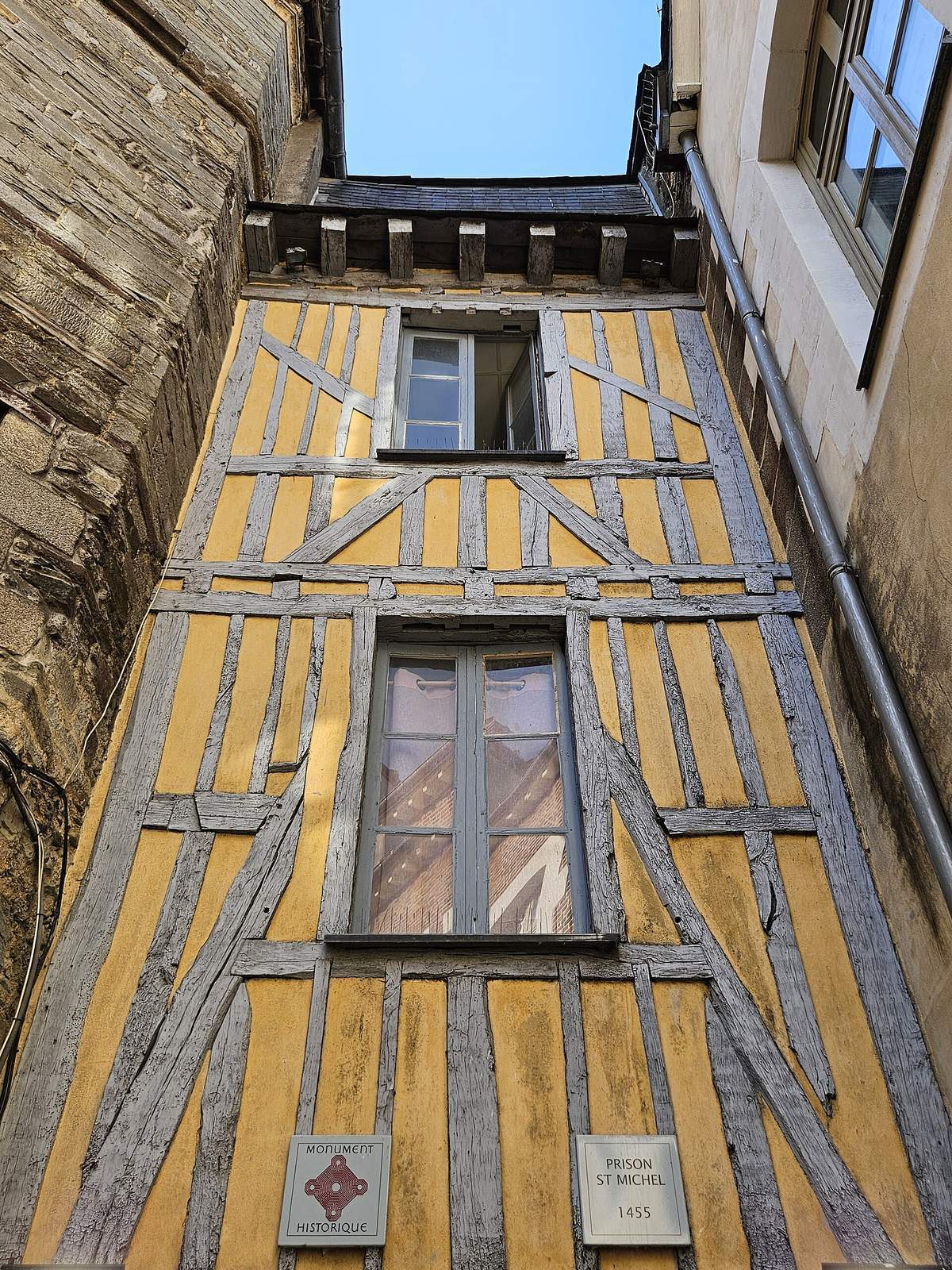
Prison Saint-Michel is a historic prison in Rennes, France, built around 1450 under Peter II, Duke of Brittany. A priory, a religious house governed by a prior, had occupied the site from the 12th century until 1450 and had also served as a prison. The prison’s commonly used name comes from Saint-Michel Gate, which had also given its name to the priory.
Changing functions and names
During its long operation, the prison was also known as La Feillée, the Prison of the Saint-Michel Gate, and the Conciergerie. During the French Revolution, the political upheaval in France that began in 1789, it was called the Great Prison and the Prison of Marat Gate, a name referring to revolutionary journalist and political figure Jean-Paul Marat.
From 1802 to 1838, the building served exclusively as a military prison. A new remand prison, for people awaiting trial or serving short sentences, opened in 1840 on rue du Général Maurice-Guillaudot. After its construction, Saint-Michel’s function shifted from judicial detention to military imprisonment. In 1878, female prisoners moved to the new Central Prison of Rennes, and the military prison transferred to the premises of Saint-Hélier Central Prison.
Later uses
A wine merchant, Paul Thomas-Martin, occupied the building in 1937. In 1965, painter Pierre Gilles adapted its attics for Escabeau, an independent academy of painting and engraving open to amateur and professional artists. Gilles directed the academy until 1972, when he entrusted its management to Mariano Otero. It closed in 1976 after the owner sought to reclaim the premises.
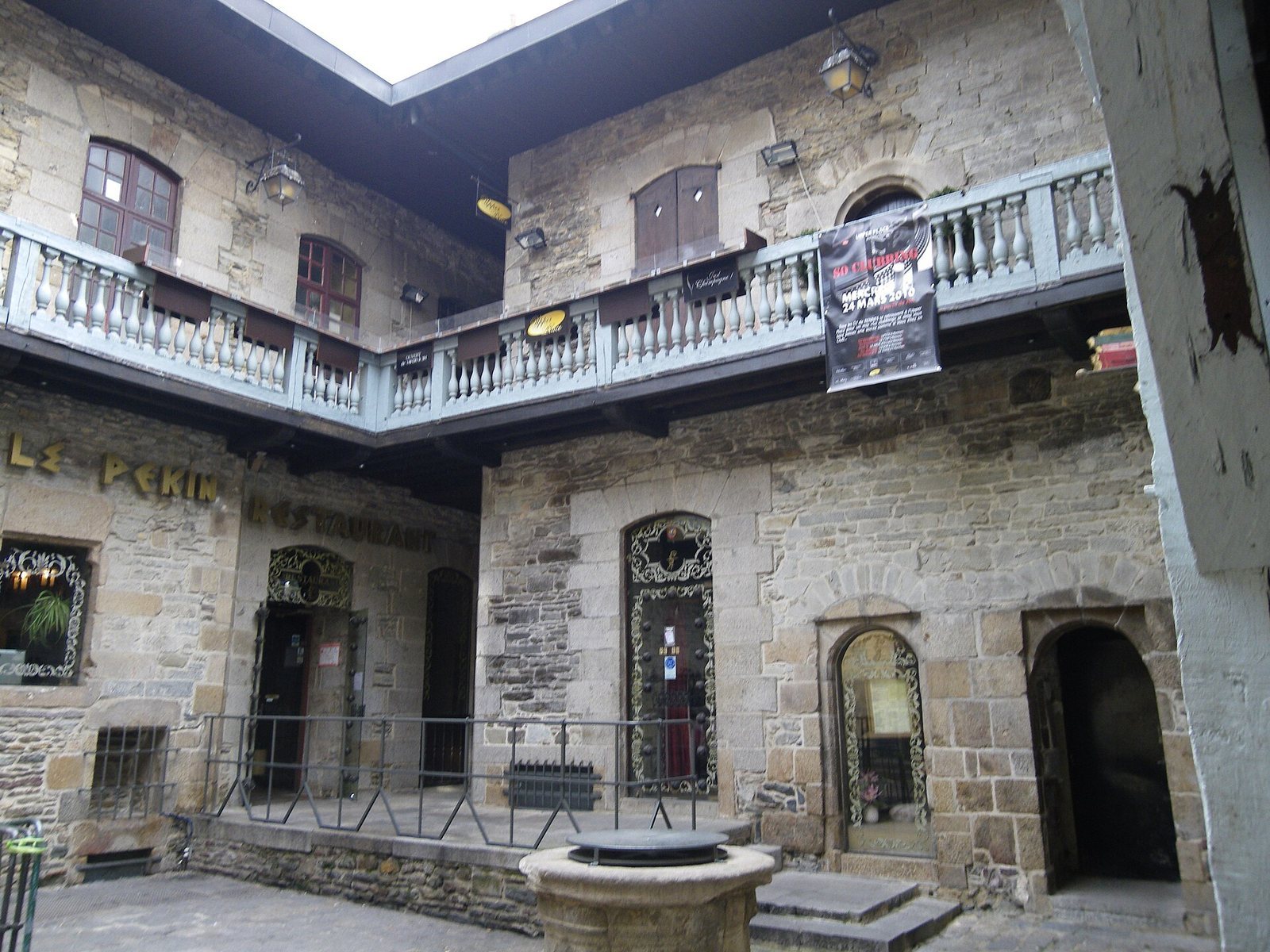
By 2012, the building housed several restaurants and late-night bars. In June 2014, it was listed as a French historic monument.
Remains
Layout and courtyard
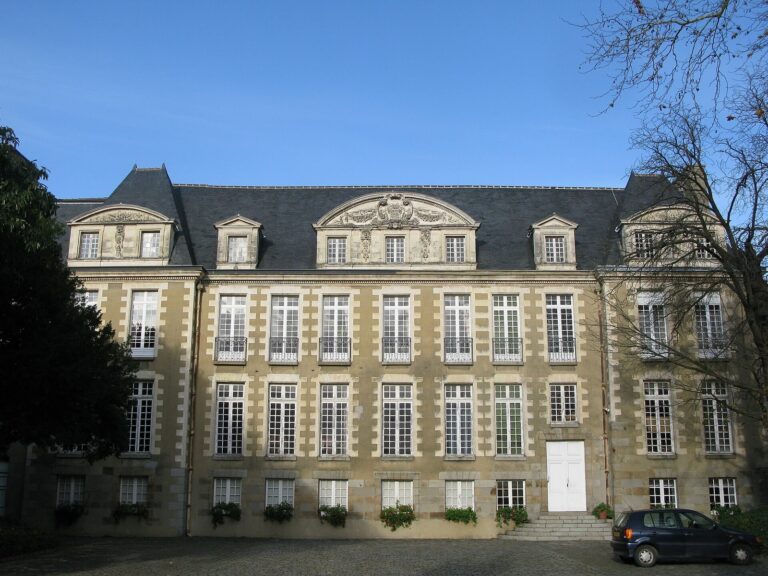
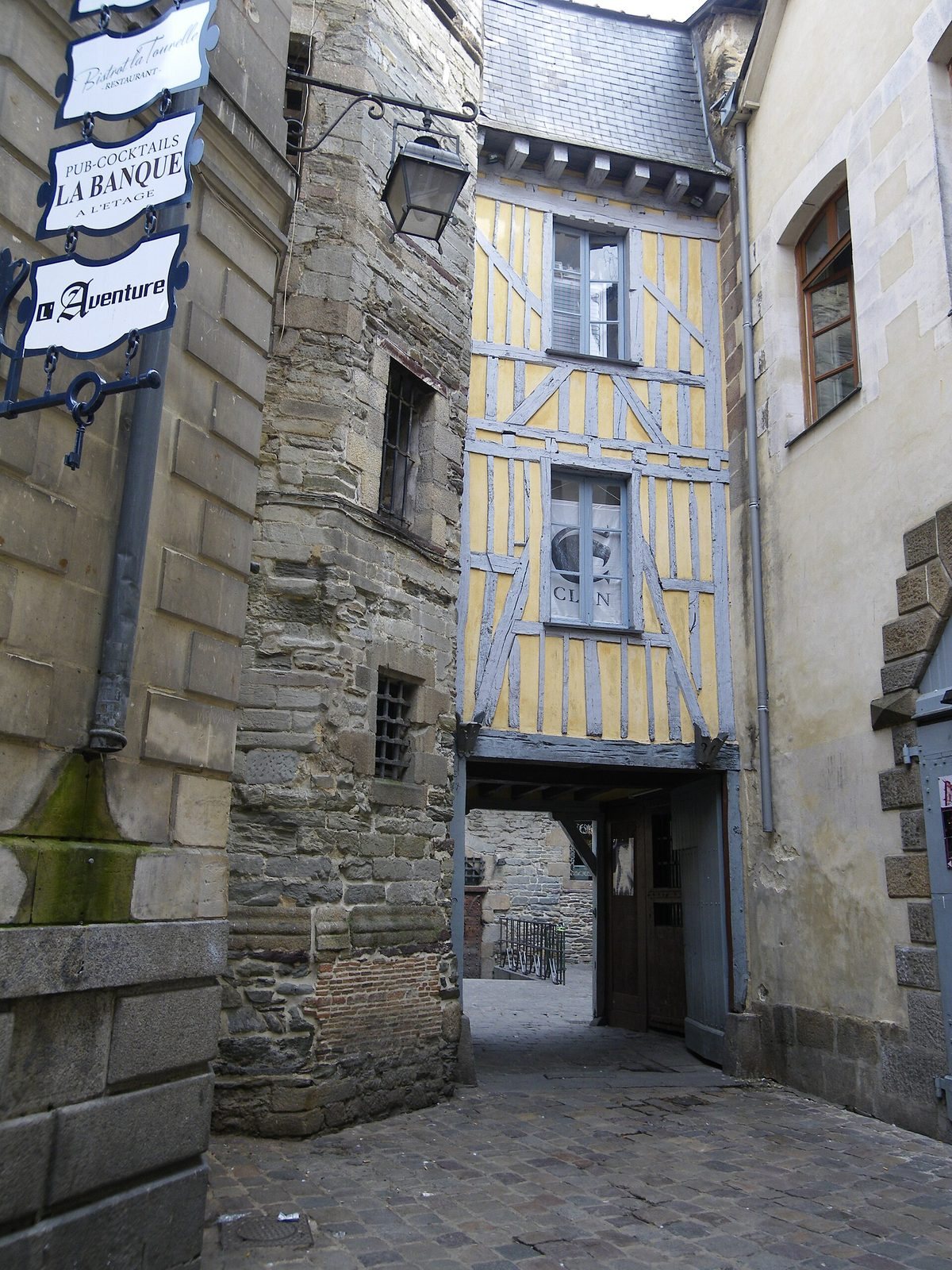
The prison stands at the end of Impasse Rallier du Baty in central Rennes. Its two levels are arranged around a square central courtyard. One side of the building rested against the city ramparts, while the other met the walls of houses at Champ-Jacquet. In the late 18th century, the entrance was on the rue de la prison side. A polygonal turret containing a spiral staircase occupies the courtyard’s western corner, to the left of the entrance. The building’s appearance has changed very little since the 18th century.
Interior arrangement
The ground floor included rooms for women, extended by a small courtyard, a cellar, two cells, and rooms called La Dorée, La Portière, and La Quarrée. Those rooms could not be used because a toilet cesspit lay on the level above. The men’s courtyard was also on the ground floor. Upstairs were the sisters’ room, infirmaries, a chapel, the concierge’s apartment and room, latrines, and prisoners’ rooms named La Dorée, La Brillante, Le Lansquenet, and La Quarrée.