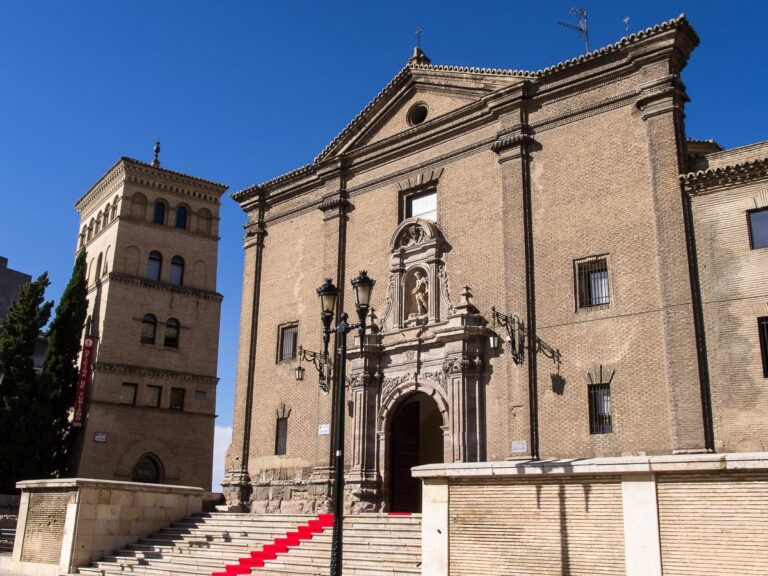
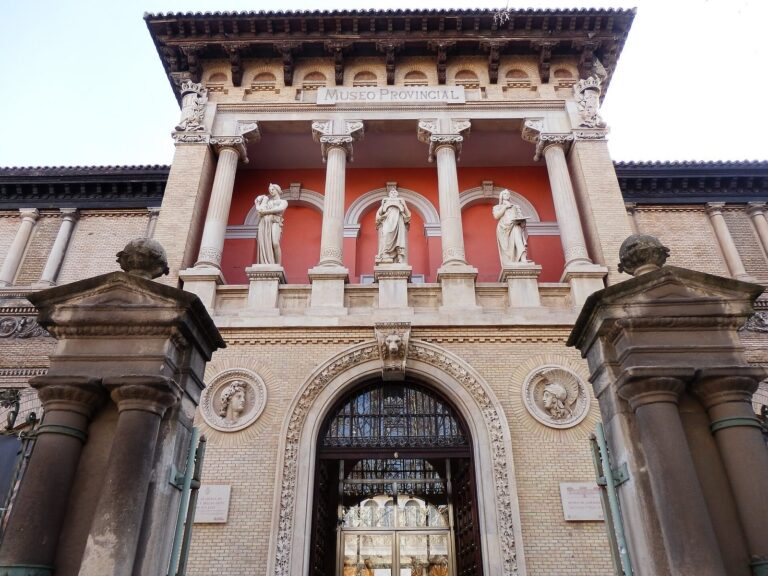
Hospital Provincial de Nuestra Señora de Gracia: A Historic Hospital in Zaragoza
Site at a Glance
- Popularity
- High
- Country
- Spain
- Primary era
- Early Modern
- Eras represented
- Early Modern
- Civilizations
- Crown of Aragon, Spanish
- Site type
- Civic
- Remains
- Hospital
On this page10 sections
History
Hospital Provincial de Nuestra Señora de Gracia is a hospital in Zaragoza, Spain, founded in 1425 as the Royal and General Hospital. Zaragoza’s residents requested its establishment, and Alfonso V of Aragon authorized it. The institution cared for foundlings and people with illnesses of many kinds, including mental illness, drawing patients from Aragon, neighboring kingdoms, and farther away.
Foundation and governance
The hospital combined religious, civic, and kingdom-wide responsibilities. Religious staff cared for patients and held prayers and Masses. Zaragoza’s municipality supported the institution through its council and the chapter of La Seo, the city’s cathedral. As a hospital of the Kingdom of Aragon, it also had the patronage of the king, the kingdom’s representative governing body, and other Aragonese institutions. Despite its royal title, control rested with Zaragoza’s urban bourgeoisie.
During its first century, the hospital was counted among Spain’s five most reputed institutions of its kind, although the standard of care was regarded as poor. Male patients were assigned to seven groups and female patients to two, but the groups were not based on recorded illnesses. The first surviving ordinances, dated 1496, set out a system of four governors chosen by drawing lots. La Seo’s clergy took part in the election, and candidates had to live in Zaragoza. Soon afterward, the city took on patronage, responsibility for the hospital’s rents, and oversight of its operation.
In the sixteenth century, following the union of the crowns of Castile and Aragon, the Council of Aragon, a royal council concerned with governing the Crown’s territories, appointed governors from a shortlist proposed by the viceroy, the monarch’s representative. Pope Clement VII granted ecclesiastical immunity to the Archbishopric of Zaragoza in 1525, strengthening the clergy’s authority over the hospital. In 1587, governors’ terms were lengthened from two years to three.
Seventeenth-century work and strain
An anatomical theatre, a space for teaching anatomy through the examination of bodies, was built near the hospital cemetery in 1596. It was described as the second known permanent theatre of its kind, after one at Padua. Reports on the hospital’s condition and patient admissions also began to appear in the sixteenth century. By the seventeenth century, the institution was firmly established.
During the War of Catalonia, a revolt against Spanish Habsburg rule, hospital funds were directed toward food and supplies for wounded people arriving in Zaragoza. Income came from alms and donations. From 1660, expenses declined but remained at least as high as income. The hospital also operated a major printing press from 1626 into the early nineteenth century. It held the privilege of publishing all grammar books for the Kingdom of Aragon and maintained one of the region’s most varied catalogues. Printers who managed it included Diego José Dormer and Domingo Gascón.
The institution weakened amid political crisis and the erosion of Aragonese privileges. Charles II unsuccessfully tried to end the clergy’s ecclesiastical exemption, invoking a document signed by the Justice of Aragon, a distinct regional judicial office, in the previous century. Governors thereafter held office for life; many were nobles, and disputes over precedence extended to meetings of the city council. Conditions for mentally ill patients could be harsh. Many were made to perform unpaid domestic work and cleaning in inhumane circumstances, while poor food was blamed for many deaths.
Eighteenth-century crisis and recovery
The War of the Spanish Succession, a European conflict over the Spanish throne after Charles II’s death, and the removal of Aragon’s traditional laws and privileges formed part of a period of institutional crisis. Castilian law was imposed, and Philip V sent inspectors to address the hospital’s problems. More than four decades passed without progress.
A more prosperous period began in 1762 under Charles III. The hospital recorded a surplus of 2,000 pounds and began constructing new departments. Within a few years, the number of patients it cared for rose from 6,000 to 8,000. It purchased 472 beds for people with ringworm, a fungal skin infection, and for patients with mental illness, who received better treatment than in the seventeenth century. By the end of the eighteenth century, the hospital had an international reputation for psychiatric care. The French physician Philippe Pinel publicized its standing in Paris.
Siege, relocation, and later care
On 28 December 1804, twelve brothers and twelve sisters brought together by the Catholic priest Juan Bonal arrived at the request of the hospital’s governing board to take charge of its services. Bonal and María Rafols Bruna founded the Sisters of Charity of Saint Anne, a Catholic women’s congregation devoted to caring for the sick, following the example of the Daughters of Charity of Saint Vincent de Paul.
The original hospital, near El Coso and present-day Plaza de España, was destroyed during the first Siege of Zaragoza in 1808, an episode of the Spanish War of Independence against French rule. Its modest early building had been developed during the institution’s first seventy years and contained eight chapels. During the siege, Rafols arranged accommodation for 6,000 sick people in public and private buildings, rescued religious and artistic objects, and sought help from Spanish commander José de Palafox and from the besieging force. When French forces withdrew on 14 August 1808, the hospital lay in ruins, and more than 4,000 wounded and sick people were transferred to the Royal House of Mercy. The institution then moved into the Hospital for Convalescents, which took on the name and functions of Nuestra Señora de Gracia.
The hospital’s reputation for psychiatric care grew during the nineteenth century. From 1829 to 1890, it was Aragon’s only institution caring for people with mental illness and received patients from across Spain. Its pre-eminence continued until the 1890s, when the Nuestra Señora del Pilar psychiatric sanatorium was established. In 1876, Santiago Ramón y Cajal worked at the hospital as an interim assistant in anatomy. After a reorganization of Zaragoza’s health services in 1906, the hospital was associated with the University of Zaragoza’s Faculty of Medicine, giving medical trainees practical experience before qualification.
The hospital continued to serve Zaragoza residents into the twentieth century as new institutions, including Miguel Servet Hospital, were established. In 1999 it had just over 150 beds and a medical organization that had been modernized over time. The Provincial Deputation of Zaragoza administered it until 2000, when control passed to the Government of Aragon.
Remains
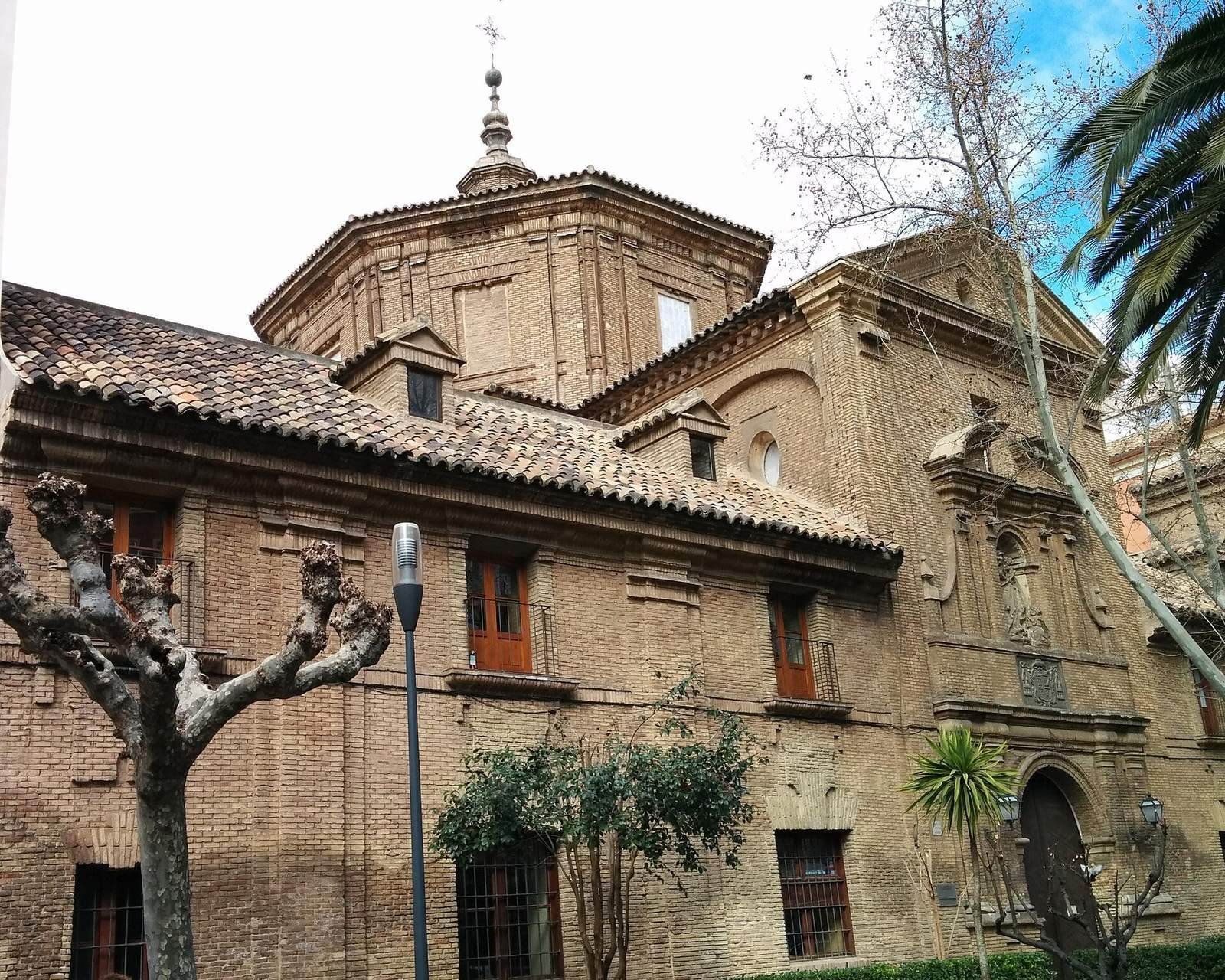
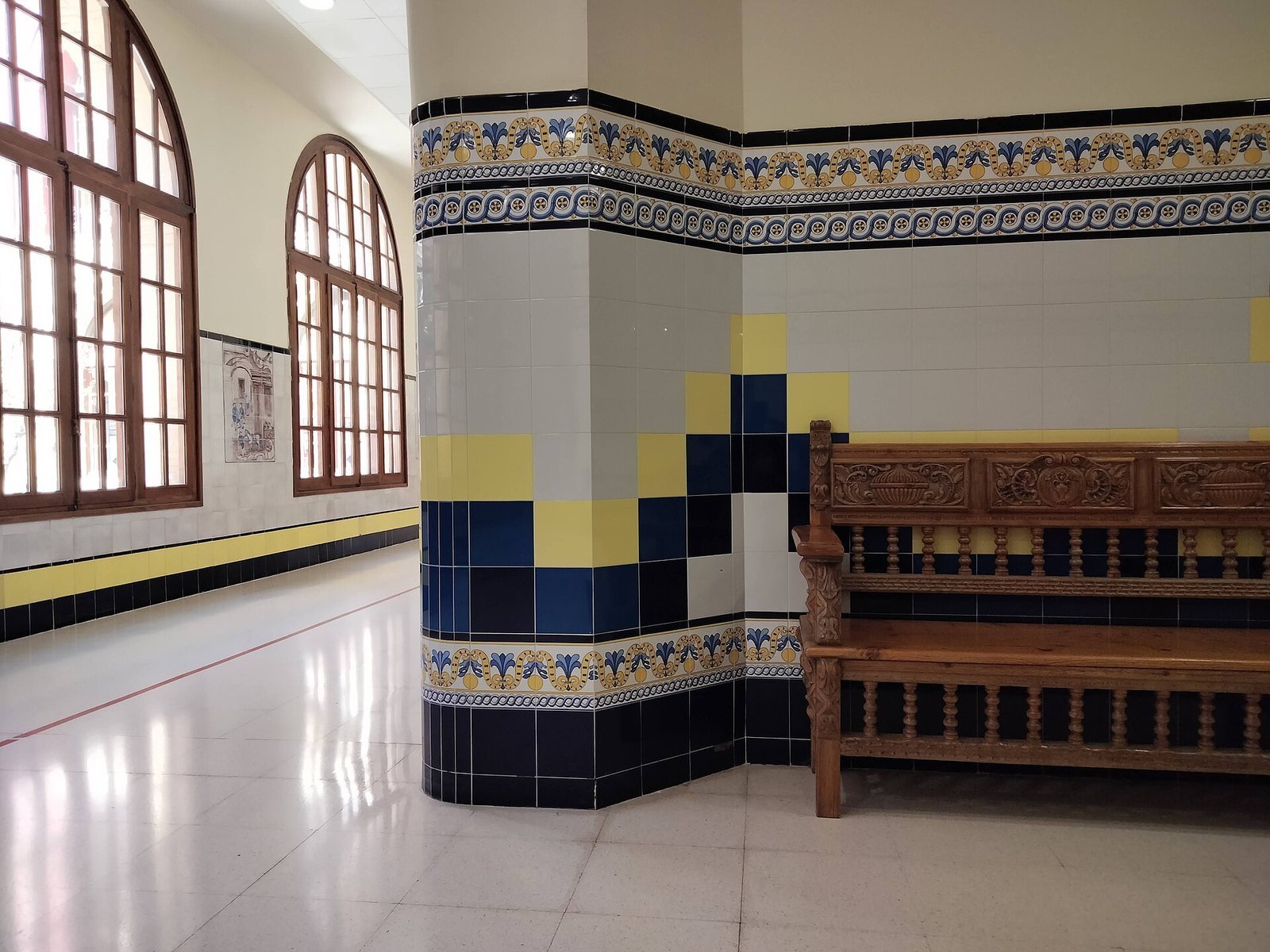
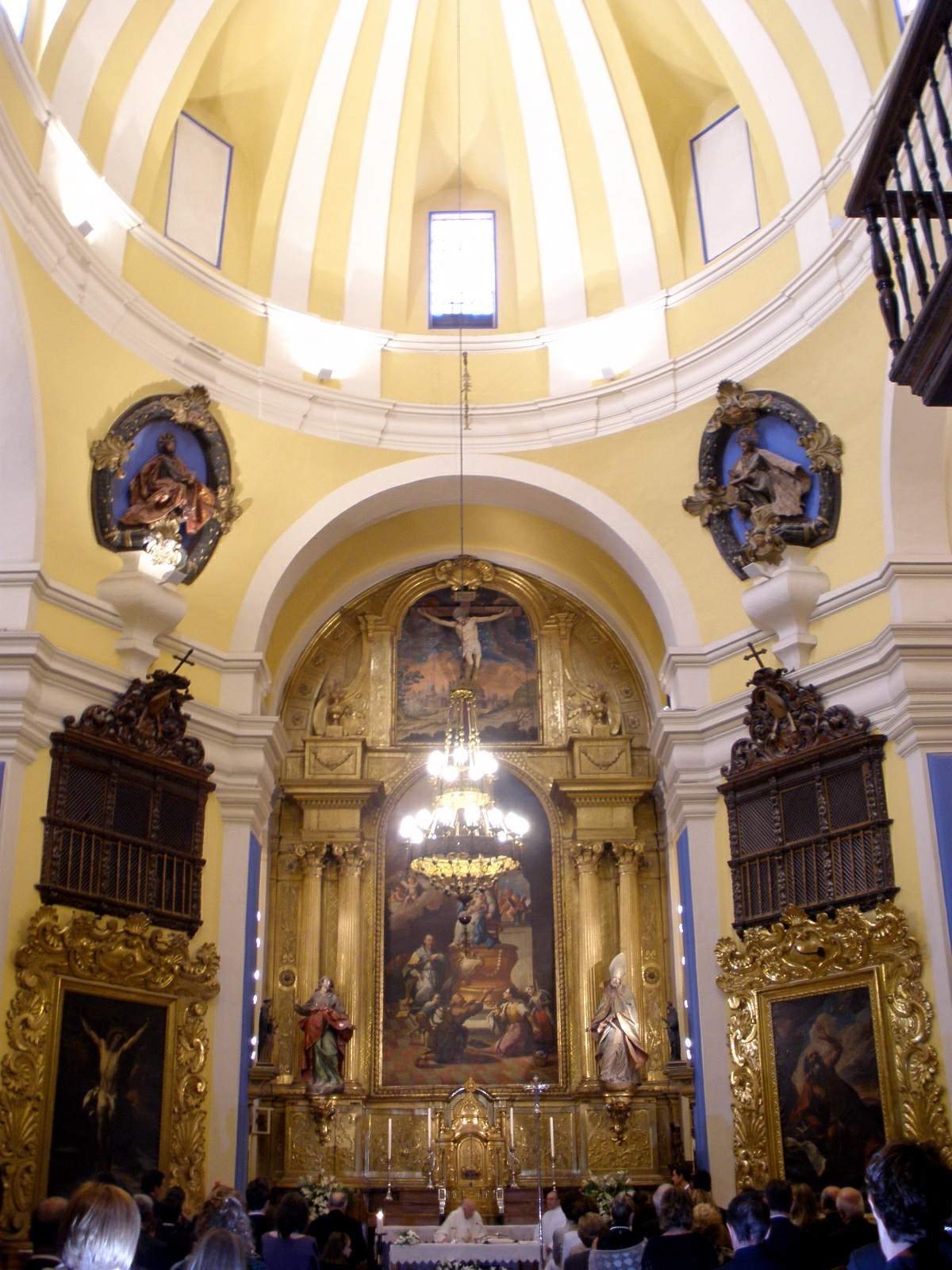
The surviving hospital building has a Baroque exterior arranged over two levels. Inside, its Greek-cross plan, with four arms of equal length, is combined with an octagonal base, and a dome brings natural light into the interior.
The former Hospital for Convalescents
Facade
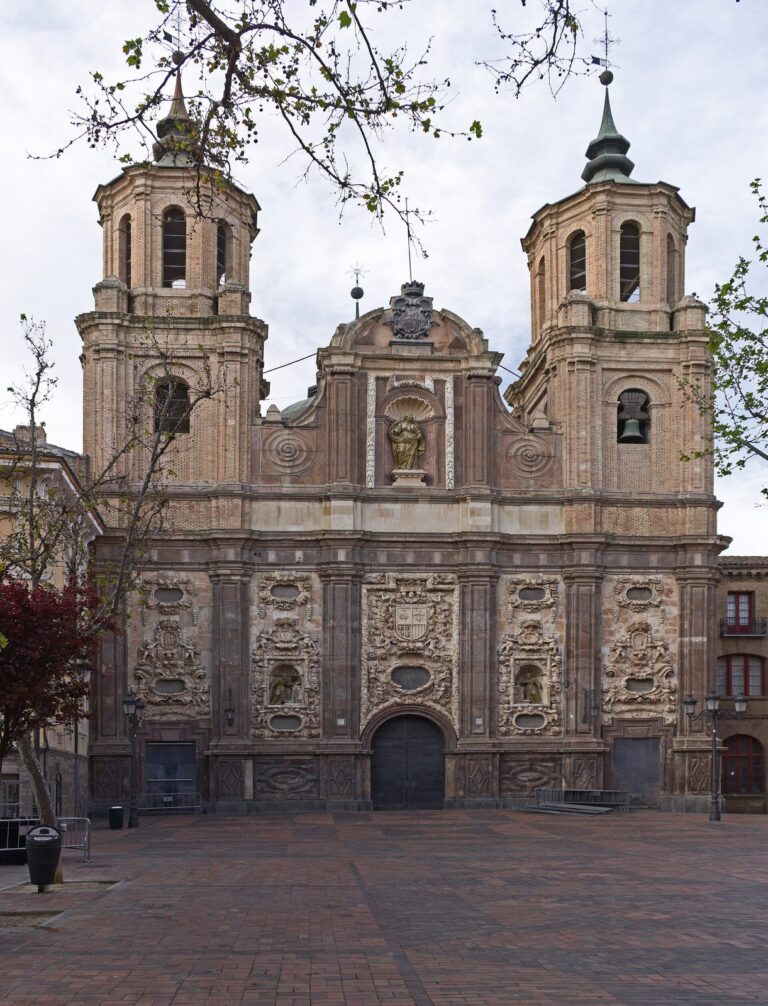
The present hospital occupies the seventeenth-century Hospital for Convalescents, founded by Archbishop Diego de Castrillo. Its two-level Baroque facade resembles that of the contemporary Church of Saint Elizabeth of Portugal. Castrillo’s coat of arms appears on the lower level, while a niche above holds an image of the Virgin surrounded by sick people.
Interior and artworks
Finely carved altarpieces remain inside the hospital. The main altarpiece, made by José Luzán in the 1770s, depicts the Virgin praying beside sick people and a cleric identified as Castrillo. The precinct also contains a crucifixion image known as the “Christ of the Artists.”
Patient records
The surviving “Books of the Insane” preserve detailed accounts of the mental illnesses experienced by hospital patients. These records provide evidence about the care they received and the sanitary conditions within the institution.