Gümligen Castle: A Late-Baroque Manor House in Switzerland
Site at a Glance
- Popularity
- Medium
- Country
- Switzerland
- Primary era
- Early Modern
- Eras represented
- Early Modern
- Civilizations
- Swiss
- Site type
- Domestic
- Remains
- Manor House
On this page4 sections
History
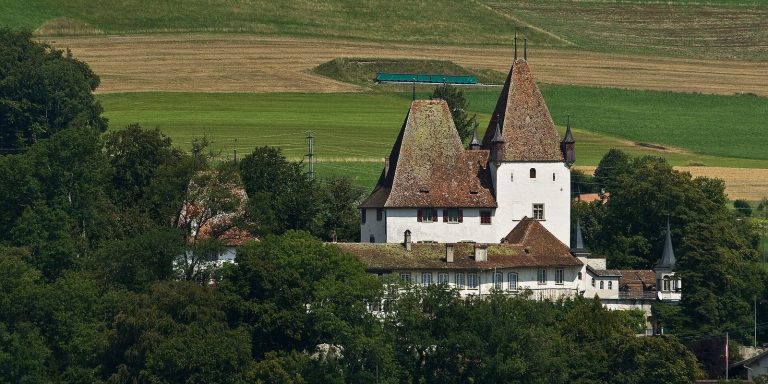
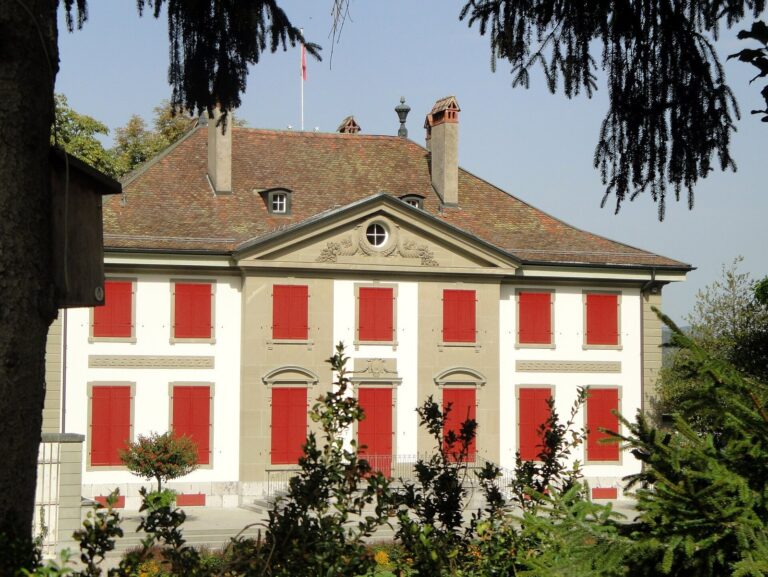
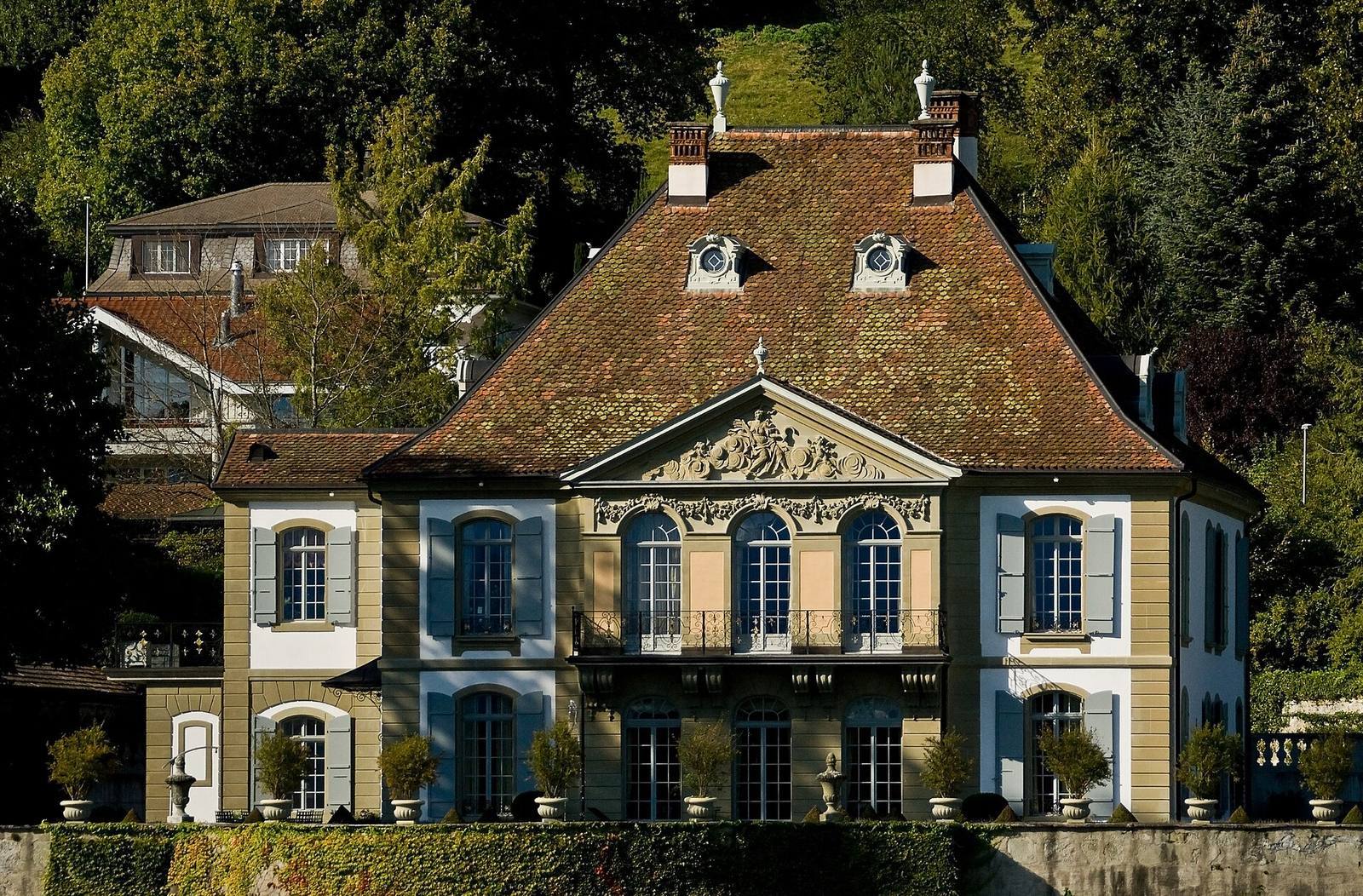
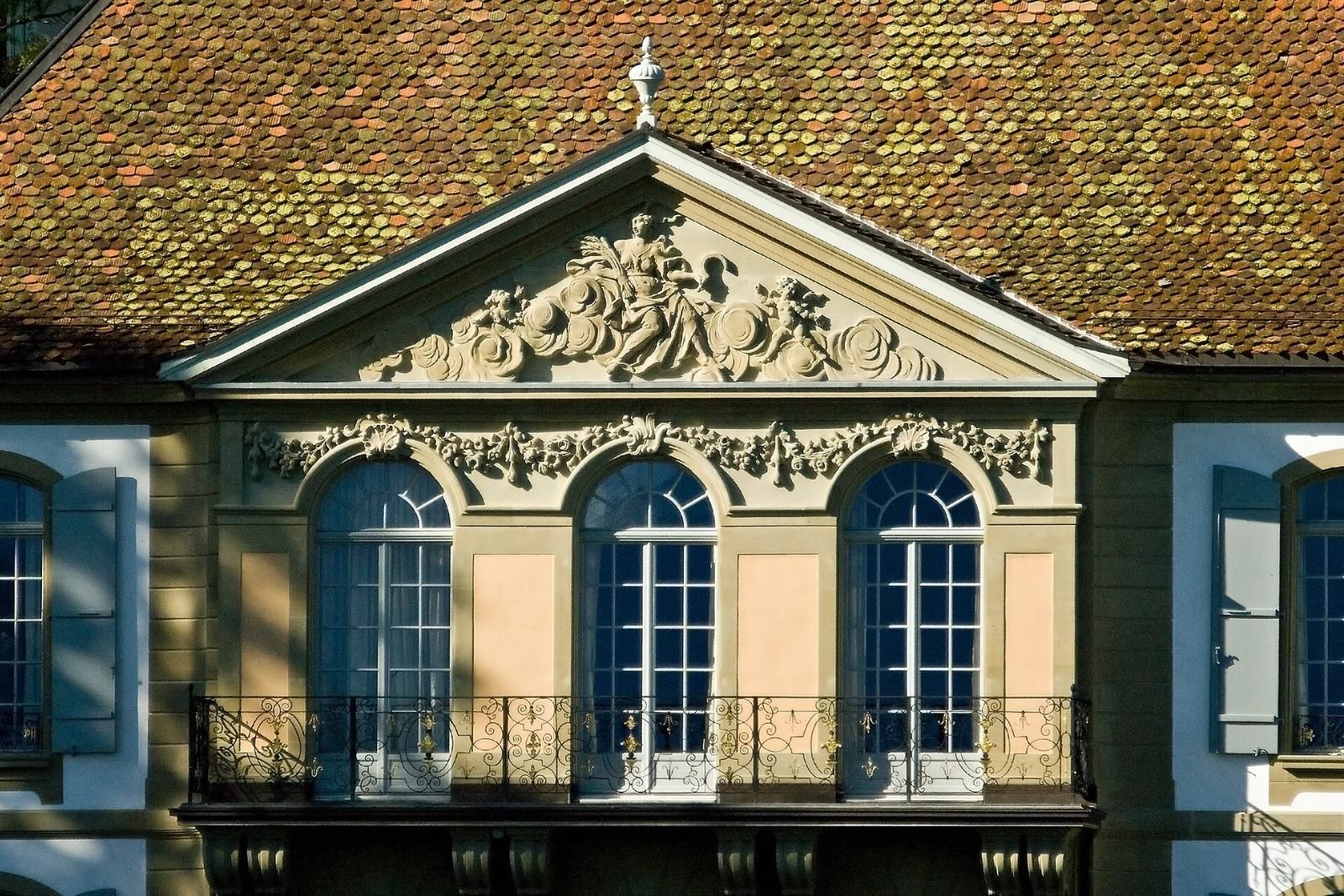
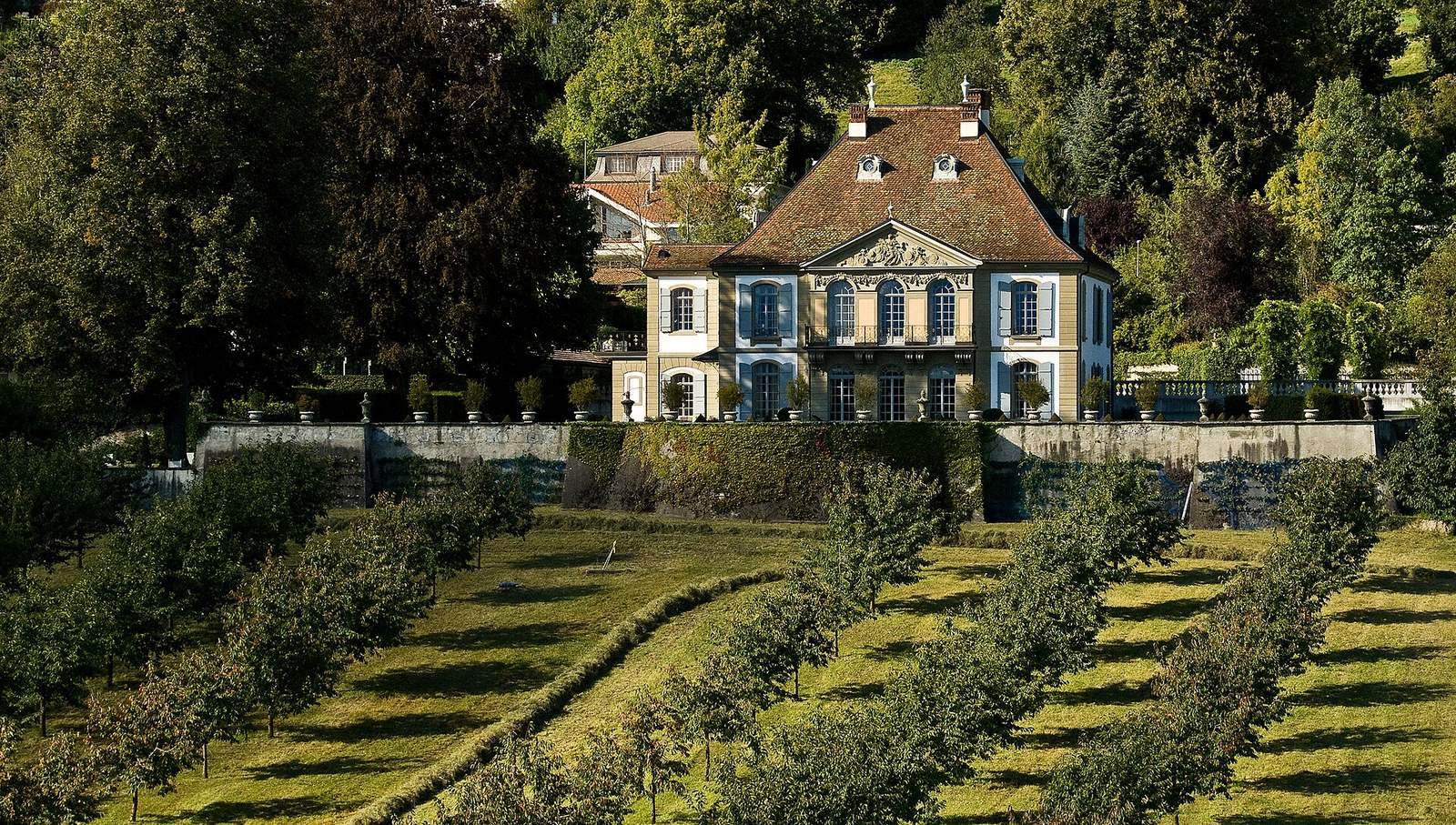
Gümligen Castle is a manor house in Gümligen, Switzerland, built by postmaster Beat Fischer between 1736 and 1739 in the late-Baroque style, the later phase of an architectural style known for elaborate forms and ornament. It replaced an earlier late-Gothic castle that Fischer inherited in 1735 after the death of his stepmother, Maria Magdalena von Graffenried. The new residence was probably designed by Swiss architect Albrecht Stürler.
Construction and eighteenth-century owners
The cost of the elaborate residence proved too much for Fischer, who sold it to Samuel Tillier in 1742. Tillier transferred ownership to Emanuel Karl Viktor von Stürler in 1764. In 1788, Emanuel’s widow sold the property to her son-in-law, Friedrich Heinrich von Stürler.
After the Tuileries palace was stormed in 1789, the French aristocrat and court figure known as the Duchess of Polignac fled to Switzerland and stayed at the castle as a guest.
Twentieth-century use and preservation
The estate passed by inheritance from the von Stürler family to the Tscharner family in 1933. During the Second World War, from 1939 to 1941, the castle served as the headquarters, official residence, and service quarters of General Henri Guisan, commander of Switzerland’s armed forces.
Furniture and paintings from the castle were auctioned in Zürich in December 1998. Entrepreneur Willy Michel bought the property in 2000, arranged for its careful renovation, and made it his home. Gümligen Castle is designated a cultural property of national importance in Switzerland.
Remains
The preserved manor house stands with a terraced garden. Together, the residence and garden are described as a characteristic example of a Bernese late-Baroque residence.