St. Paul’s Church in Poulsker: A Romanesque Church on Bornholm
Site at a Glance
- Popularity
- Very Low
- Country
- Denmark
- Primary era
- Medieval
- Eras represented
- Medieval, Early Modern, Modern
- Civilizations
- Danish
- Site type
- Religious
- Remains
- Church
On this page17 sections
History
Foundation and affiliation
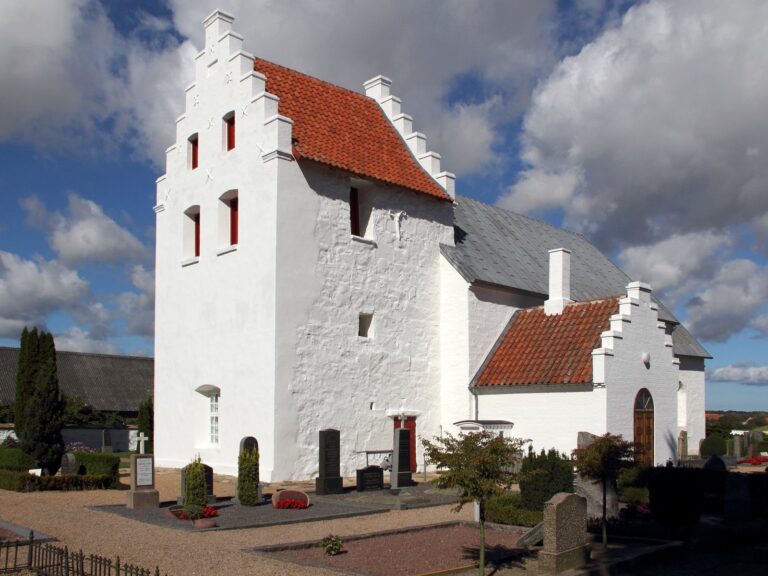
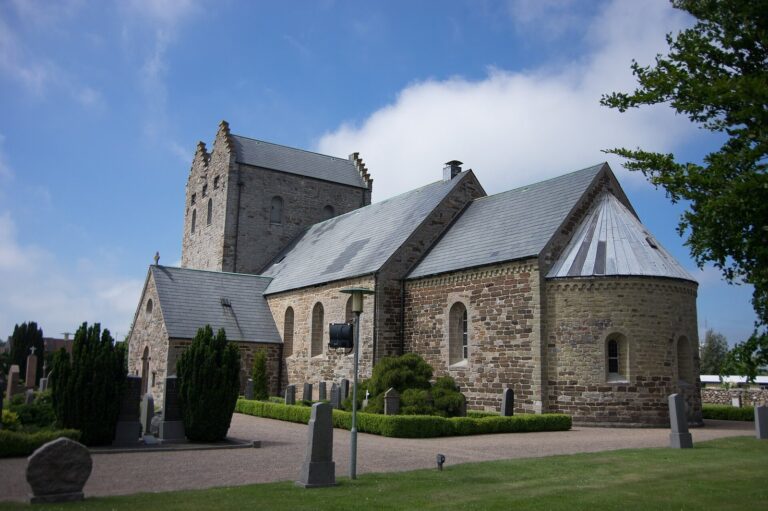
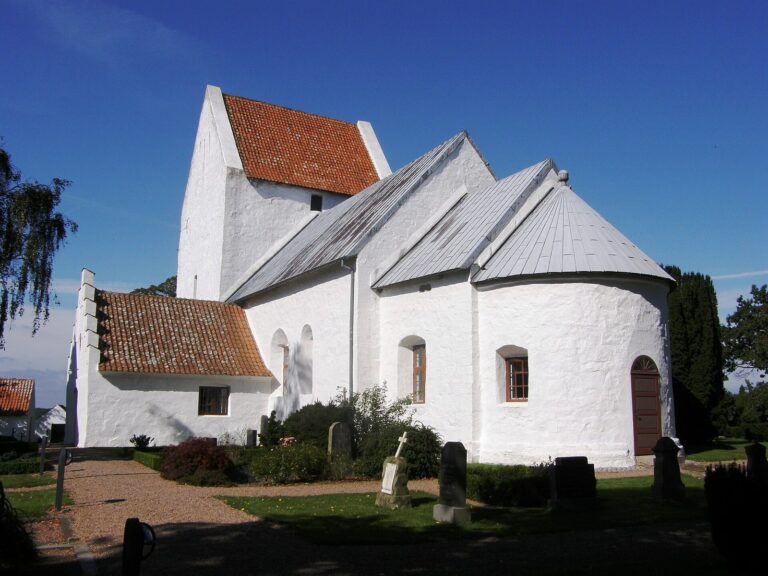
St. Paul’s Church in Poulsker is a Romanesque church on Bornholm, Denmark, built around 1248. Romanesque is a medieval European architectural style associated with rounded arches and substantial masonry. The church is dedicated to Paul, an early Christian apostle and missionary who is a major figure in the New Testament. It is identified as the latest-built among Bornholm’s Romanesque churches.
The church belongs to the Lutheran Church of Denmark, within the Protestant tradition that emerged during the Reformation, the sixteenth-century movement that led to the establishment of Protestant churches. It serves the Poulsker parish within the Diocese of Copenhagen, a regional church district.
Alterations and restoration
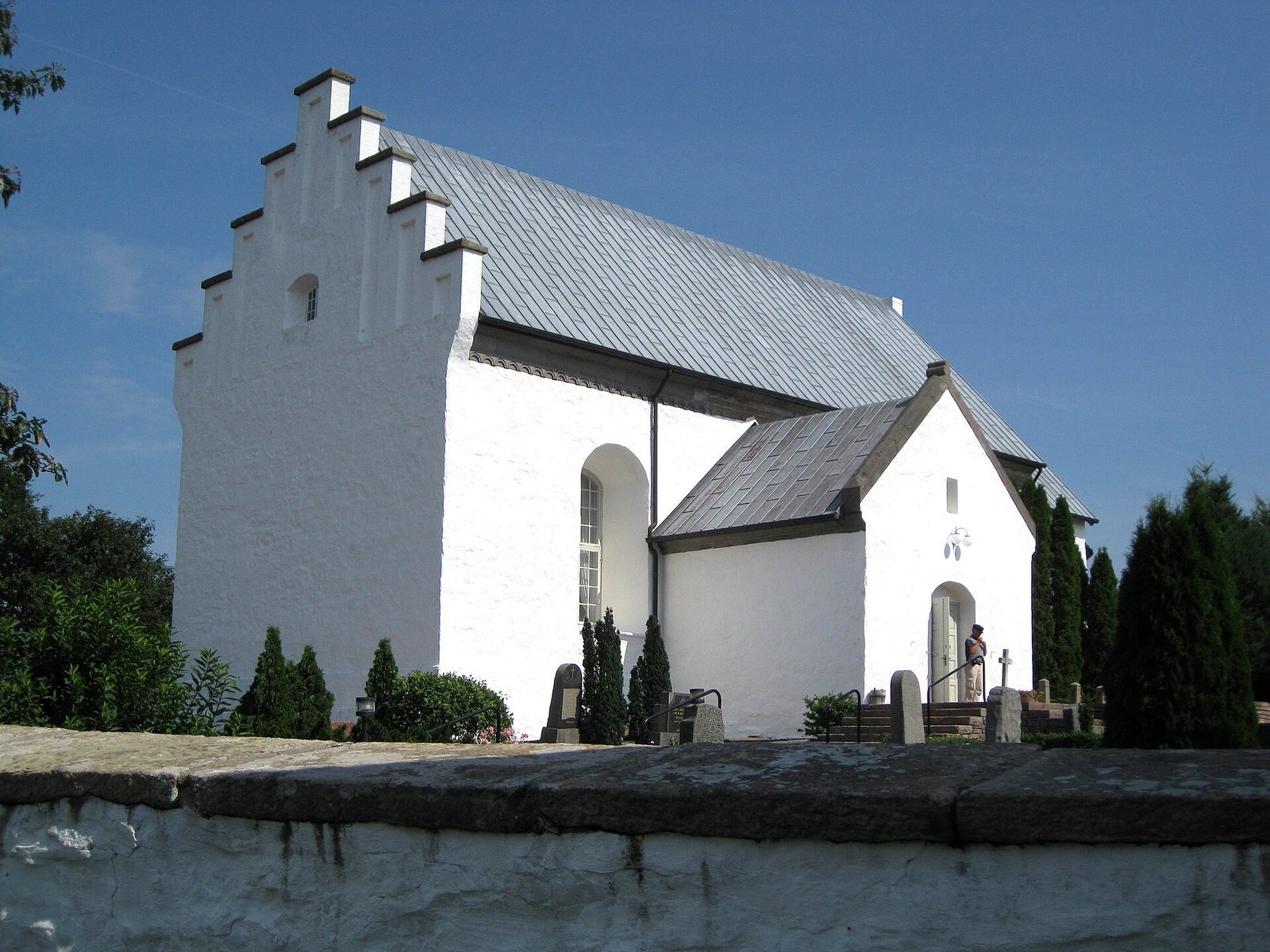
A porch at the south entrance was in place by 1685 and underwent extensive alteration in 1881. A sacristy was added beside the north side of the chancel sometime between 1775 and 1801. In 1871, builders lengthened the nave by about four metres at its western end.
Renovation work in 1957 brought the nave’s wall paintings to light. Many were too damaged to restore, though the animal scene on the southern wall was restored.
Remains
Layout and structure
Church building
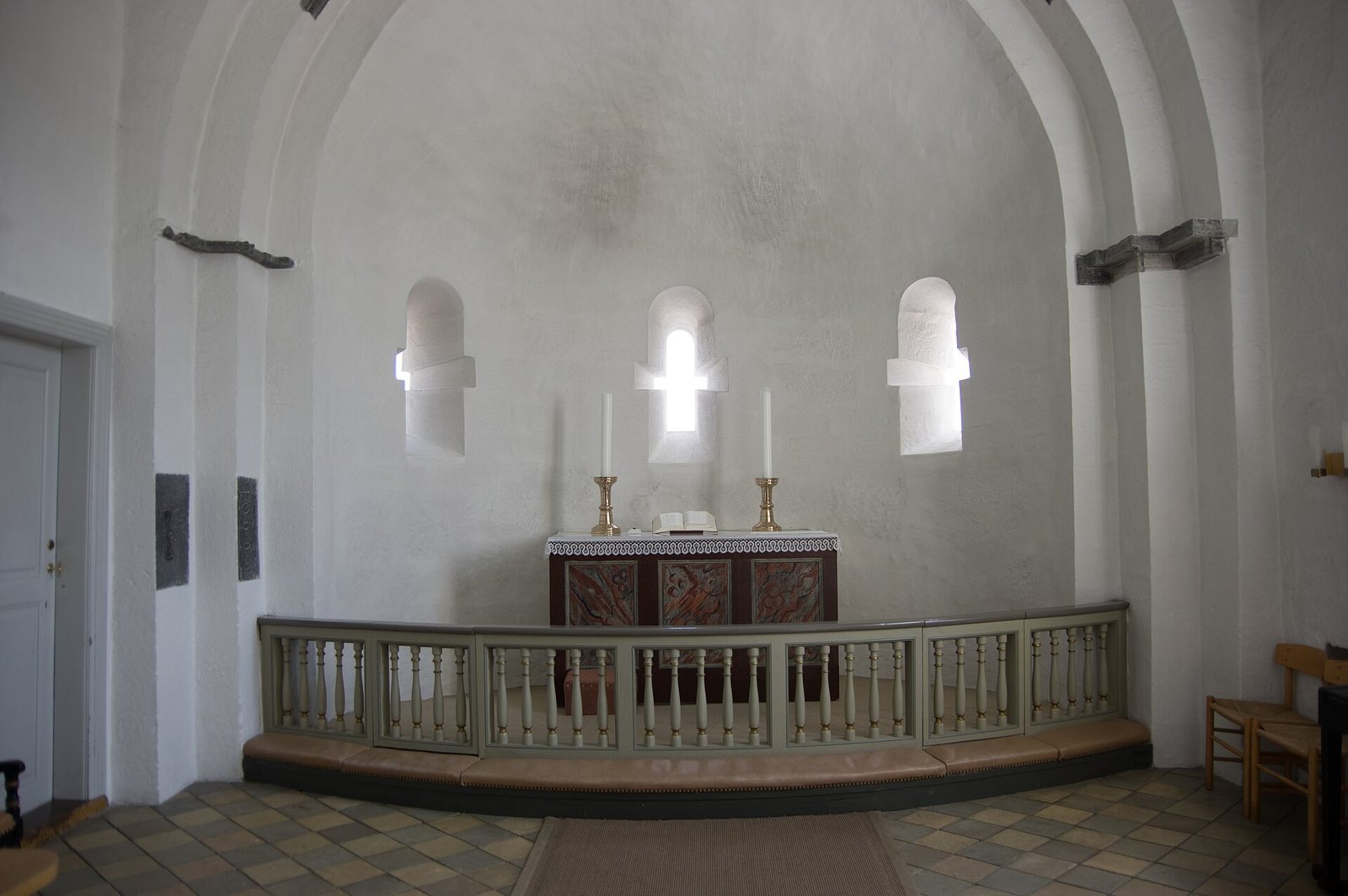
The church stands on a hill in southeastern Bornholm, beyond the built-up area. Its main building comprises a nave, the principal worship space, a chancel around the altar, and a rounded apse at the eastern end. The church has no attached tower and accommodates about 200 worshippers. Shingles cover the apse, while roof tiles cover the sacristy. Lead sheeting covers the chancel, nave, and porch. The apse retains its original half-dome vault; the nave and chancel have modern flat wooden ceilings.
Three unusual Romanesque windows in the apse have cross-shaped openings. Two niches in the nave’s eastern wall, beside the chancel arch, mark where side altars stood before the Reformation.
Bell tower
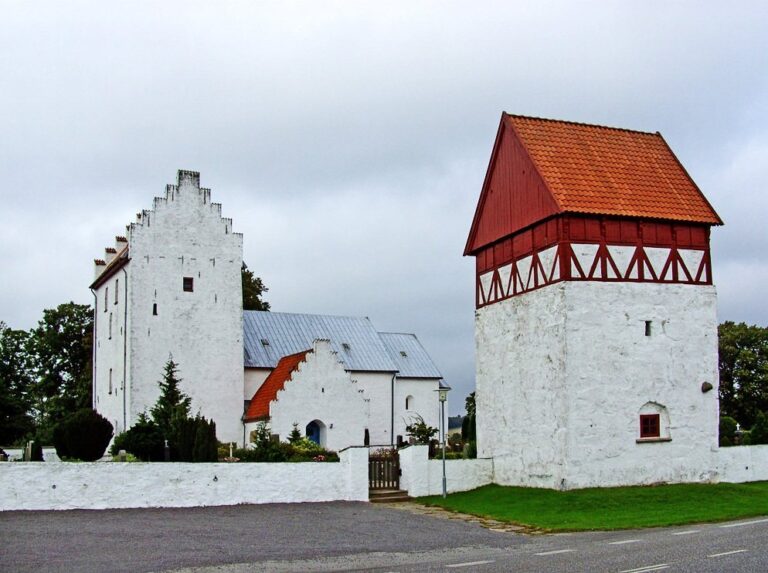
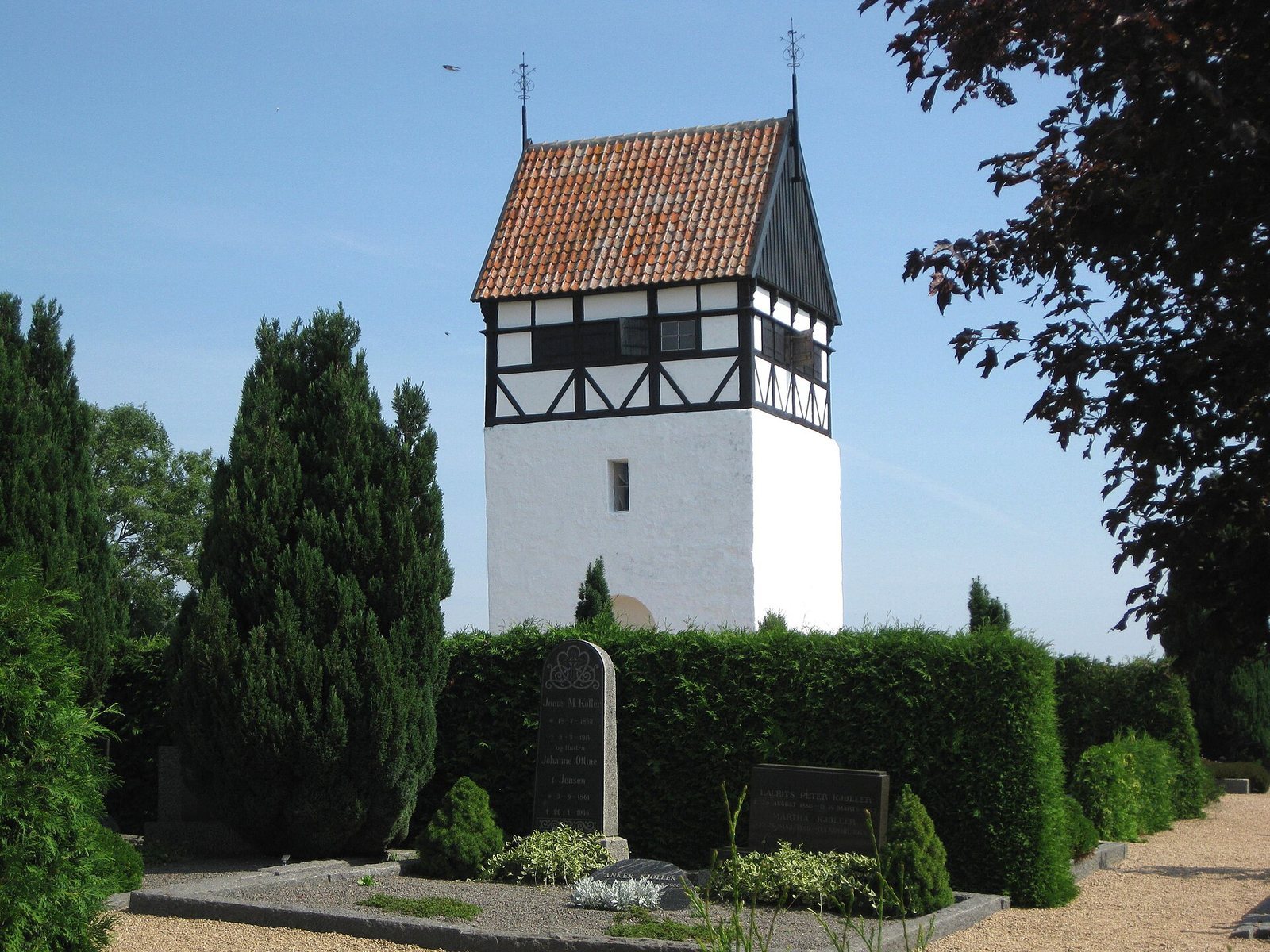
A separate tower rises three storeys and has a timber-framed belfry, the upper part that houses bells. The tower originally formed part of the churchyard wall and served as its entrance. Its belfry holds two bells brought from Lübeck, both dated 1664.
Doorway sculpture and stonework
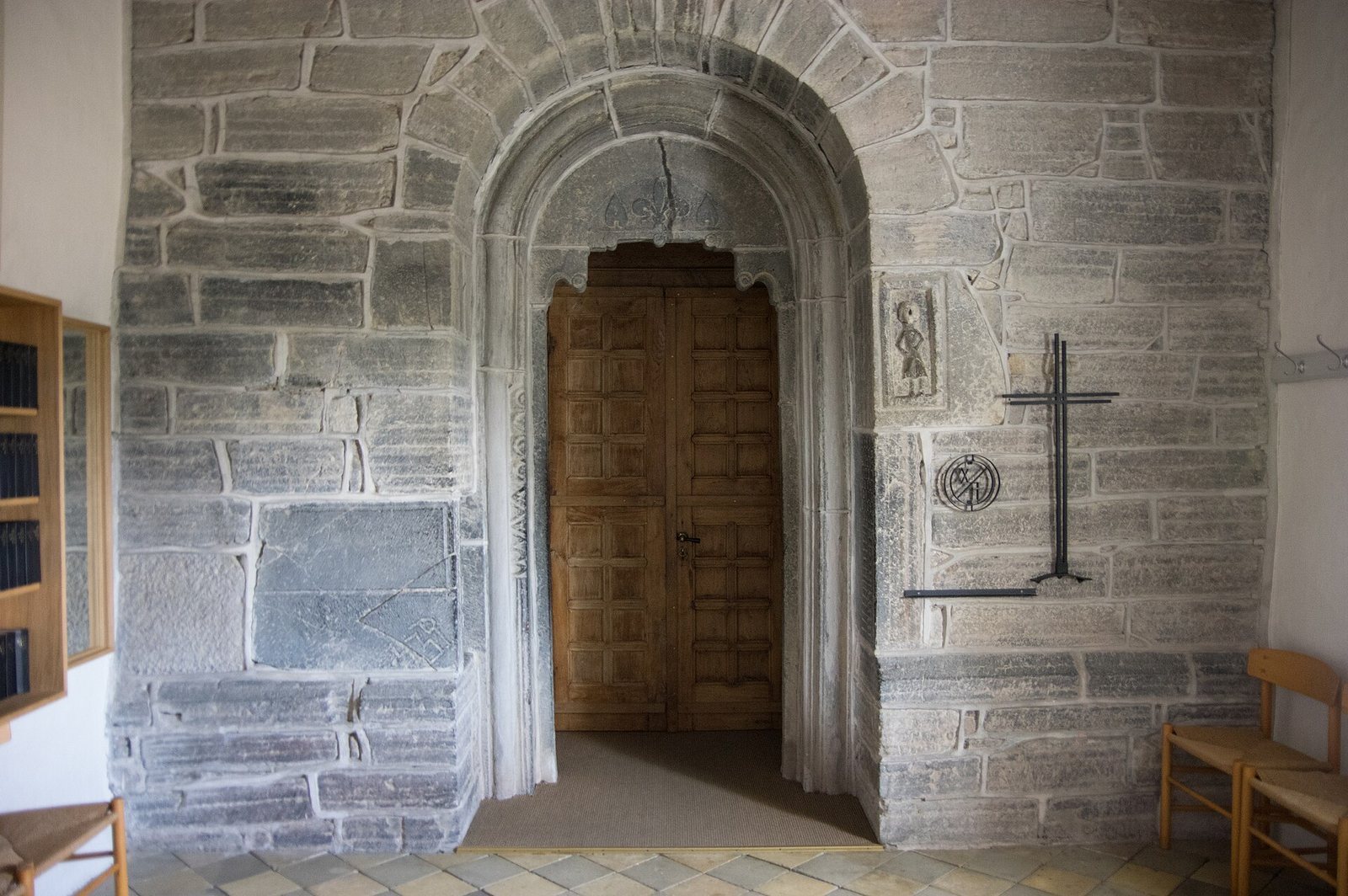
Within the porch, the panel above the south doorway bears a fleur-de-lis, a stylized lily used as a heraldic emblem. A carved figure of a man appears on the portal’s eastern frame, with a checkerboard design on the stone below. The pattern has eight squares along each side and stays on the stone’s front face. A backgammon board is carved beneath it.
Wall paintings
Northern and eastern walls
Paintings cover the nave’s northern, eastern, and southern walls. The group dates approximately to 1400 and 1560, though the dates cannot be assigned to individual walls. Scenes on the northern wall depict events surrounding Christ’s suffering and resurrection, including the piercing of his side, his burial, women at the tomb, and the Resurrection.
Southern wall
The animal scene shows a bear playing bagpipes for a pig dancing with another bear. Nearby, two pigs play a board game beneath a beer mug. The painting was probably intended as a warning against sin and worldly pleasures.
Furnishings and memorials
Pulpit
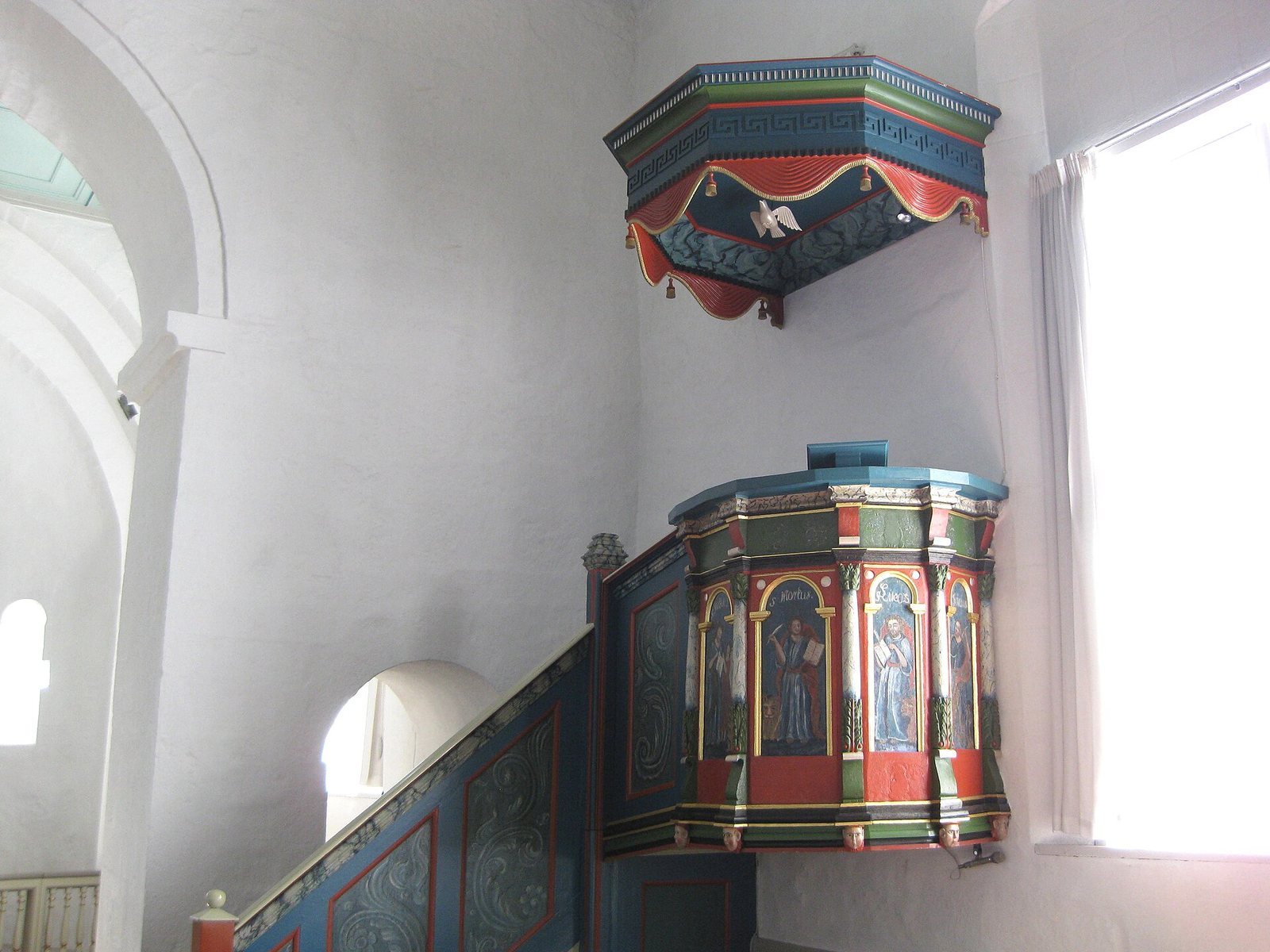
The pulpit dates to around 1600, during the Renaissance, a European cultural movement associated with renewed interest in classical art and learning. Its arched panels show the four Evangelists, or Gospel writers, and it resembles the pulpit in Nexø Church. The canopy above it, called a sounding board, dates to around 1800 and was intended to carry the preacher’s voice.
Baptismal font
The Late Romanesque baptismal font, a basin used for baptism, is made from Gotland limestone. Its basin was produced in southern Germany around 1575.
Painting, pews, and votive ship
A painting by A. Hou, dated 1920, is displayed in the nave in a former altarpiece. It depicts Christ saving Peter from drowning in a lake. The painted pews also date to 1920. A votive ship, a model offered as a religious dedication, represents the Thermopylæ Aberden and dates to 1937.
Organ
Installed in 1973, the organ was built by Poul Gerhard-Andersen. It has 12 registers, each controlling a set of pipes that produces a particular tone.
Memorials
An epitaph dated 1781 in the nave commemorates Anna Margaretha Carstensen, born Jansen. Another, dated 1780, honors pastor Jørgen Kofoed and is set into the chancel arch, which also contains a relief of St. Paul.