Yanxi Palace: An Imperial Residence in the Forbidden City
Site at a Glance
- Popularity
- High
- Country
- China
- Primary era
- Modern
- Eras represented
- Modern
- Civilizations
- Qing
- Site type
- Domestic
- Remains
- Palace
On this page6 sections
History
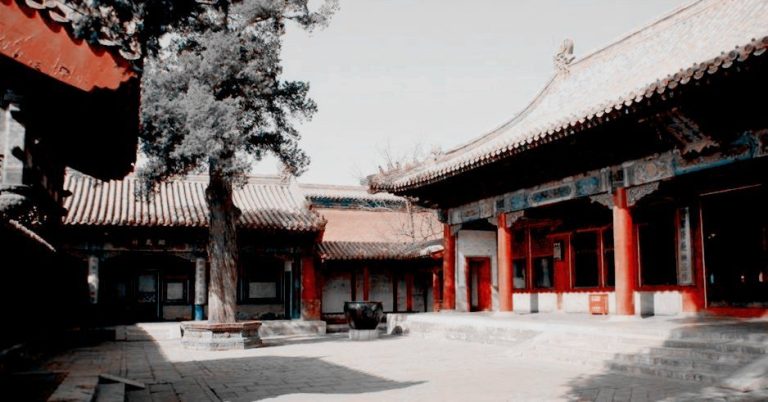
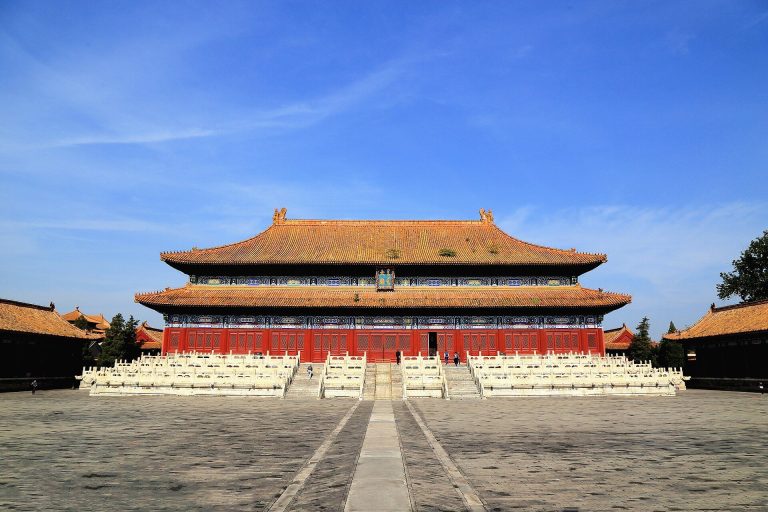
Yanxi Palace is an imperial residence in the Forbidden City in China, first built in 1420 during the Ming dynasty as the Palace of Longevity. It is one of the Six Eastern Palaces in the inner court, the residential area of the imperial household.
Renaming and Qing residence
In 1535, the Jiajing Emperor renamed the palace the Palace of Prolonging Auspiciousness. It acquired its present name after renovation in 1686, during the reign of the Qing emperor Kangxi.
During the Qing dynasty, the palace housed women from the imperial consort hierarchy. Its residents included First Class Attendant Xu under Kangxi, Noble Consort Wan under Qianlong, Consort Xin under Jiaqing, and Concubine Tian, Consort Chang, Noble Consort Cheng, and Concubine Yu under Daoguang.
Fires and later use
Fires destroyed the palace on several occasions between 1845 and 1855. A rebuilding project began in 1909 but remained incomplete because of insufficient funding and damage from a bombing raid in 1917.
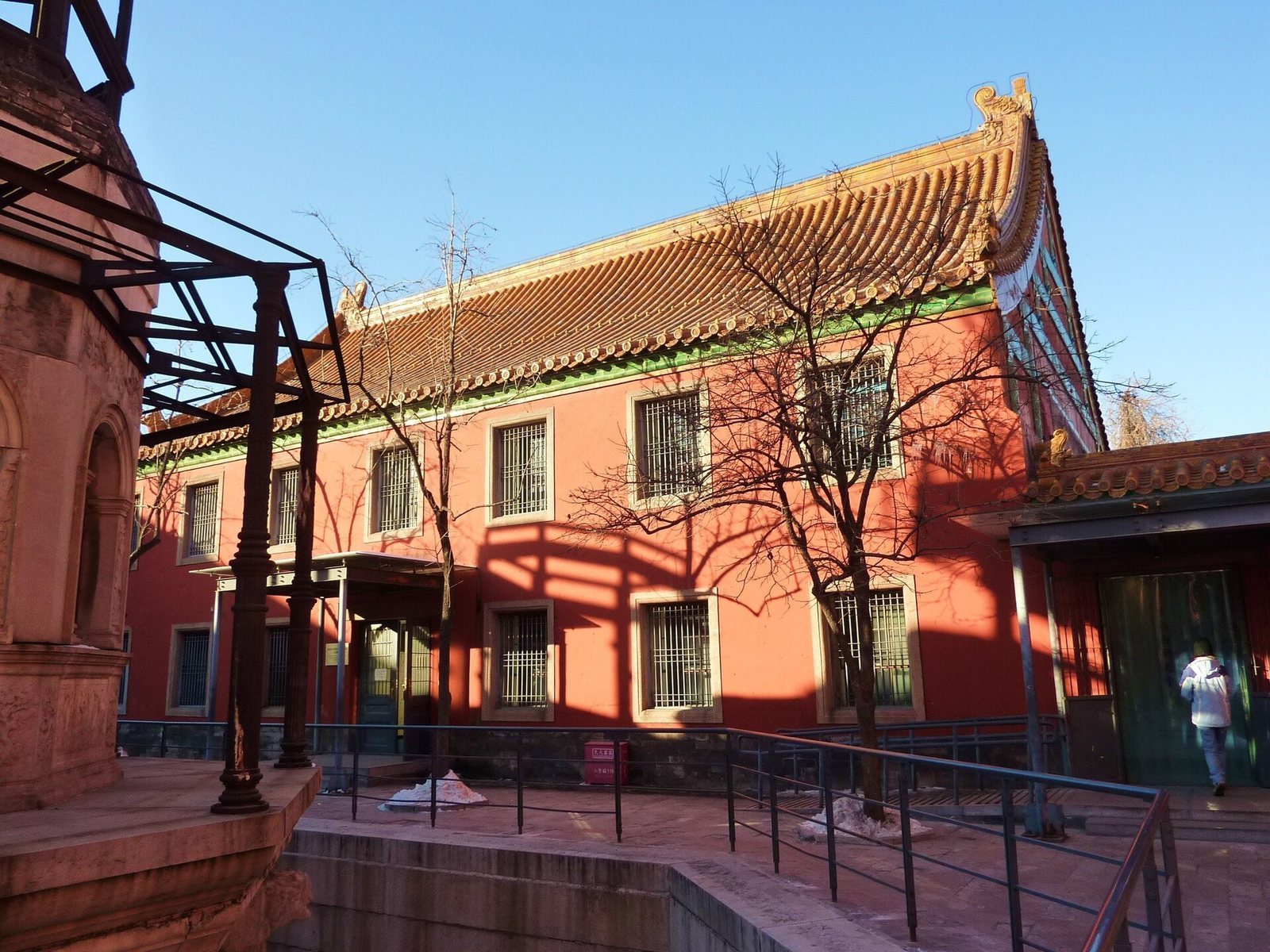
Three warehouses were added in 1931 to hold Palace Museum artifacts. Since 2005, they have housed the Ceramics Laboratory, the Research Centre for Ceramics, and the Research Centre for Traditional Calligraphy and Paintings.
Remains
The palace lies in a remote area behind the Hall for Ancestral Worship. Its surviving buildings and materials include the remains of an unfinished reconstruction scheme and a group of three warehouses.
The unfinished Water Hall
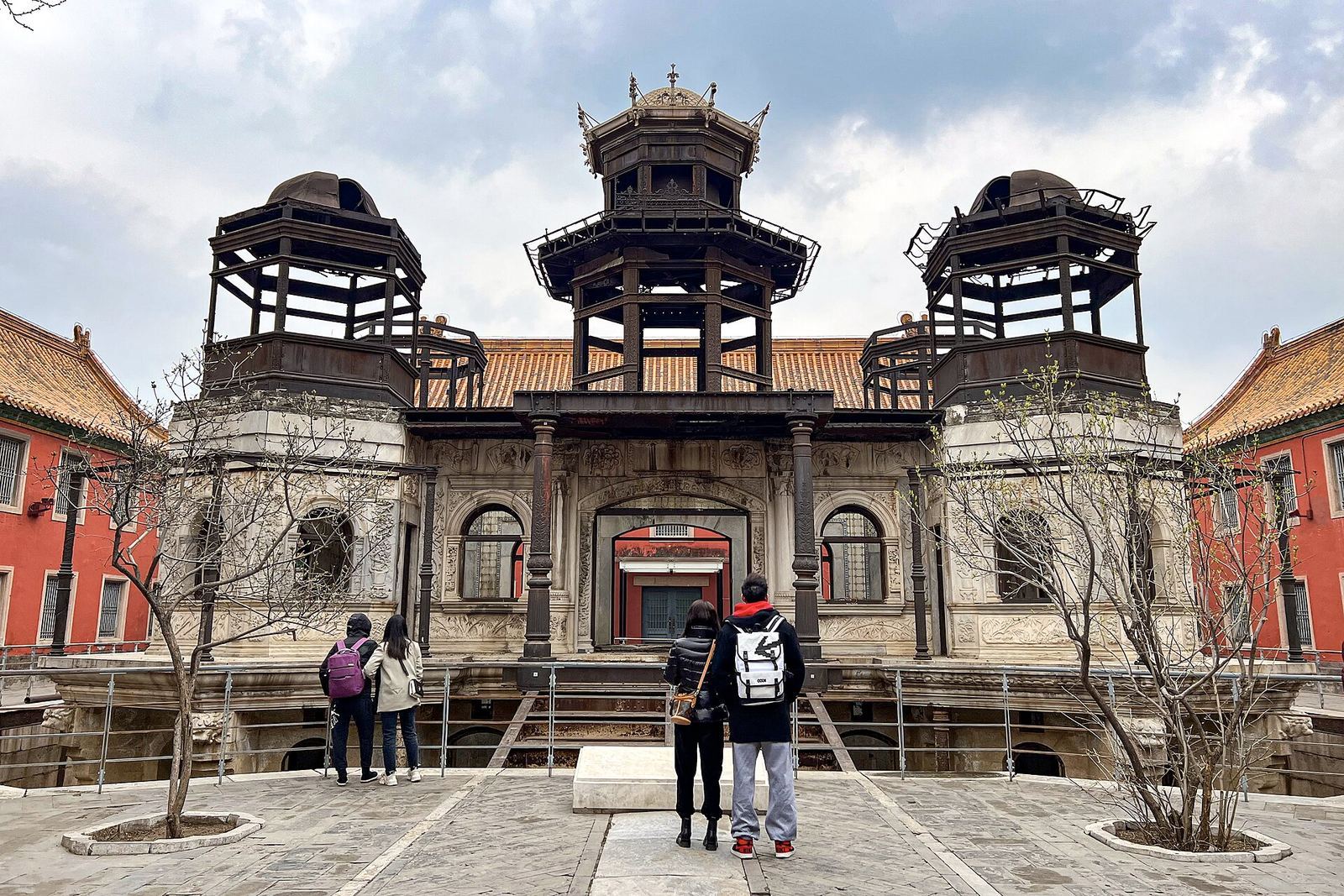
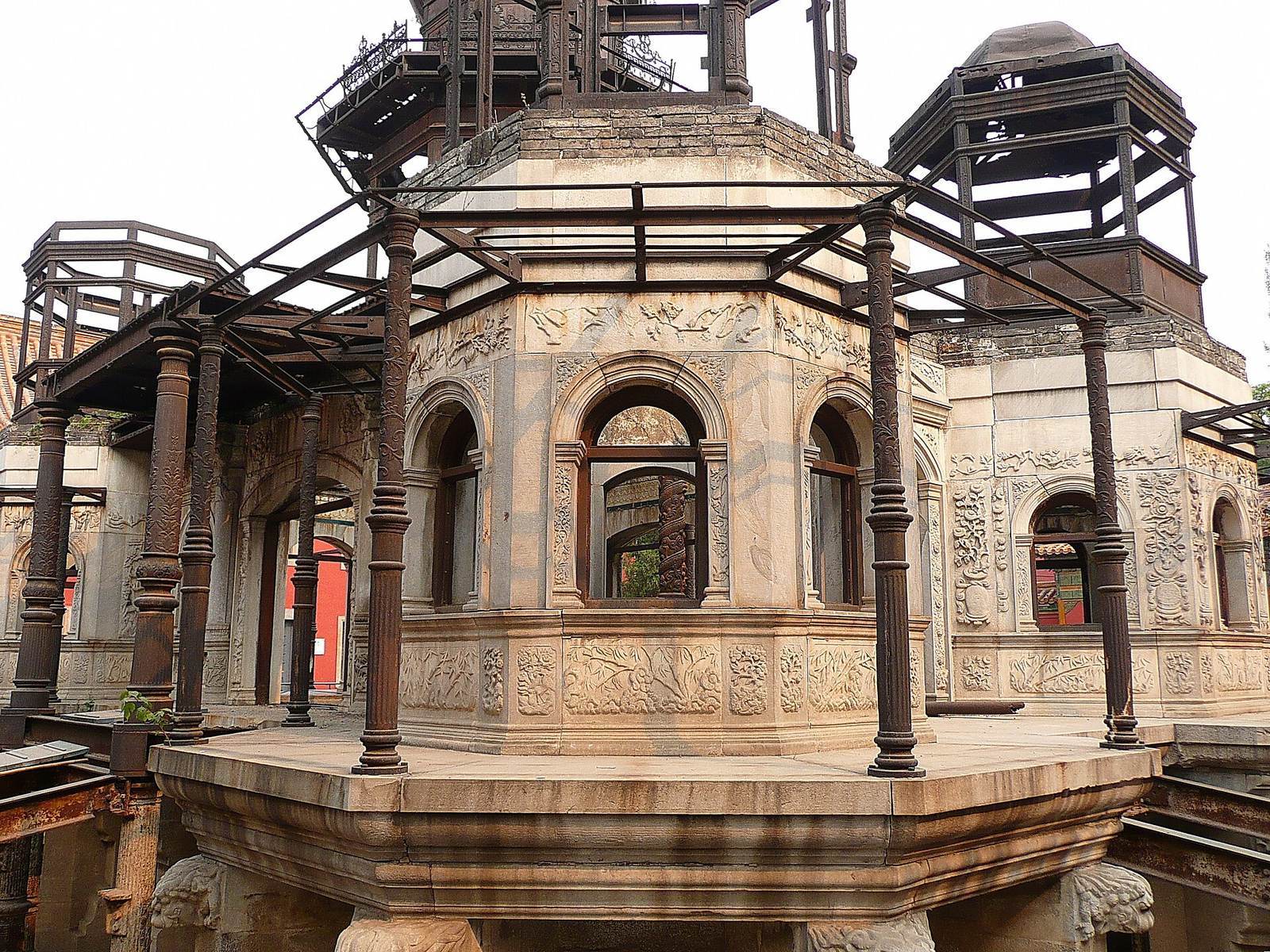
The rebuilding plan proposed replacing the main hall with a three-story Western-style building called the Water Hall. A moat around it was intended to receive spring water from Yuquan Mountain near Beijing. Empress Dowager Longyu gave the building the name Lingzhao Pavilion on an inscribed plaque; it is also commonly called the Crystal Palace. Construction was never completed, and cast iron and marble are the surviving materials from the scheme.
The warehouses
The three warehouse buildings are each two stories high and remain part of the palace site.