İvriz Relief: A Neo-Hittite Monument of Warpalawas and Tarhunzas
Site at a Glance
- Popularity
- High
- Country
- Turkey
- Primary era
- Iron Age
- Eras represented
- Iron Age
- Civilizations
- Unclassified
- Site type
- Religious
- Remains
- Sanctuary
On this page8 sections
History
An eighth-century sanctuary
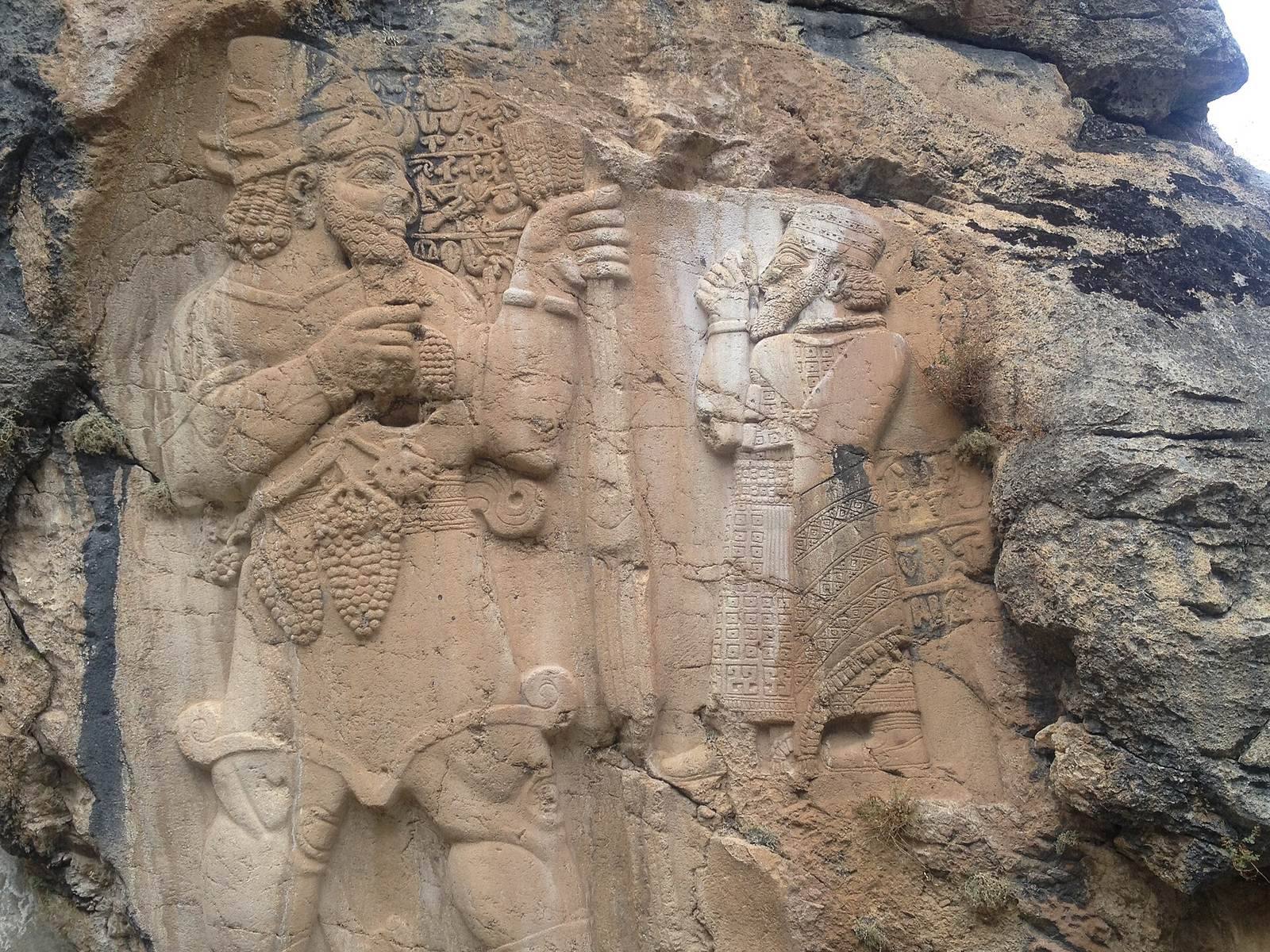
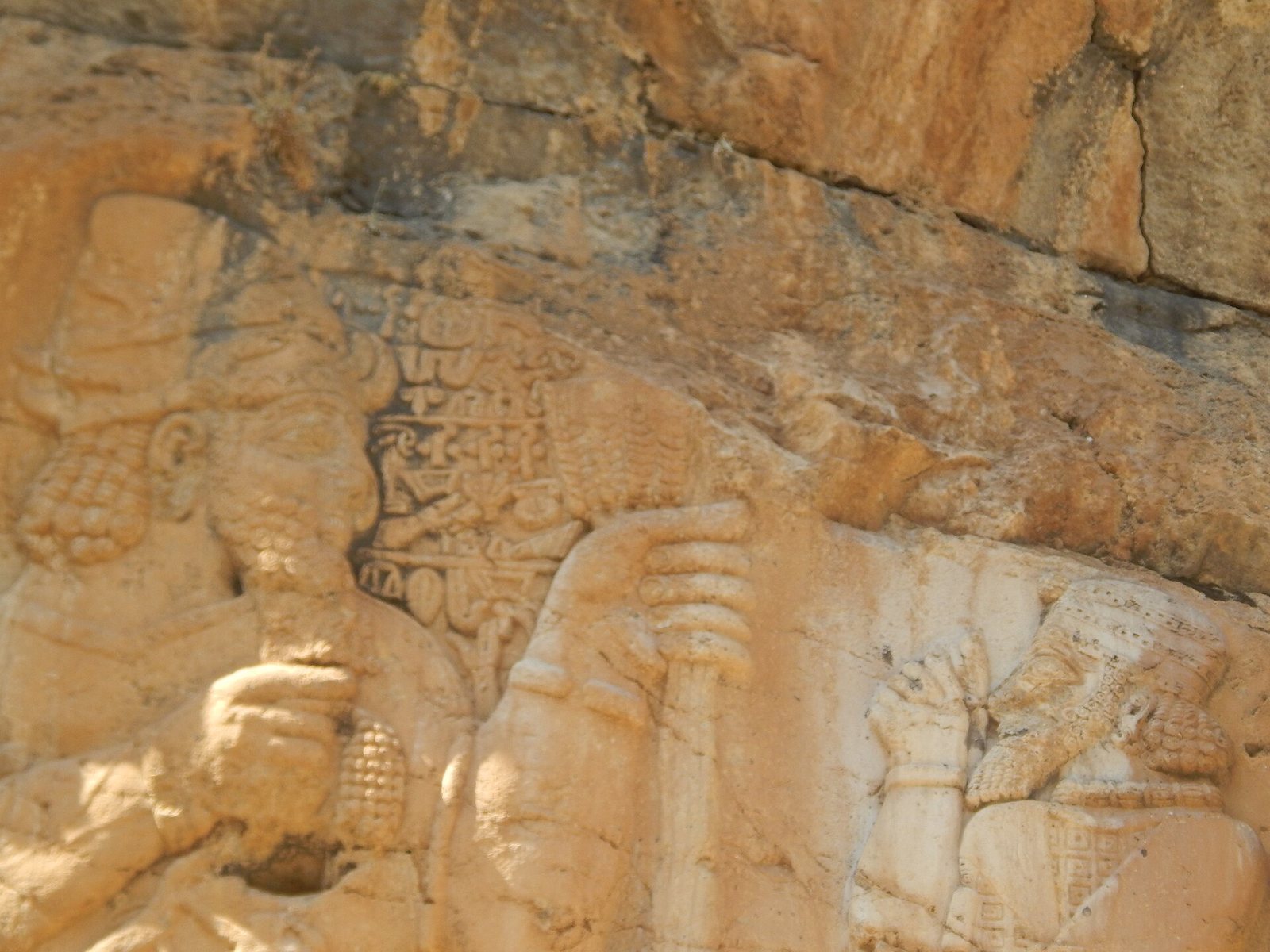
The İvriz Relief is a Neo-Hittite rock carving at Aydınkent in Konya Province, Turkey, made in the second half of the eighth century BC under Warpalawas, king of Tuwana. Tuwana was a kingdom among the Neo-Hittite–Aramean principalities, successor states that emerged after the Hittite Empire collapsed. The carving shows Warpalawas before Tarhunzas, a Luwian storm and weather god.
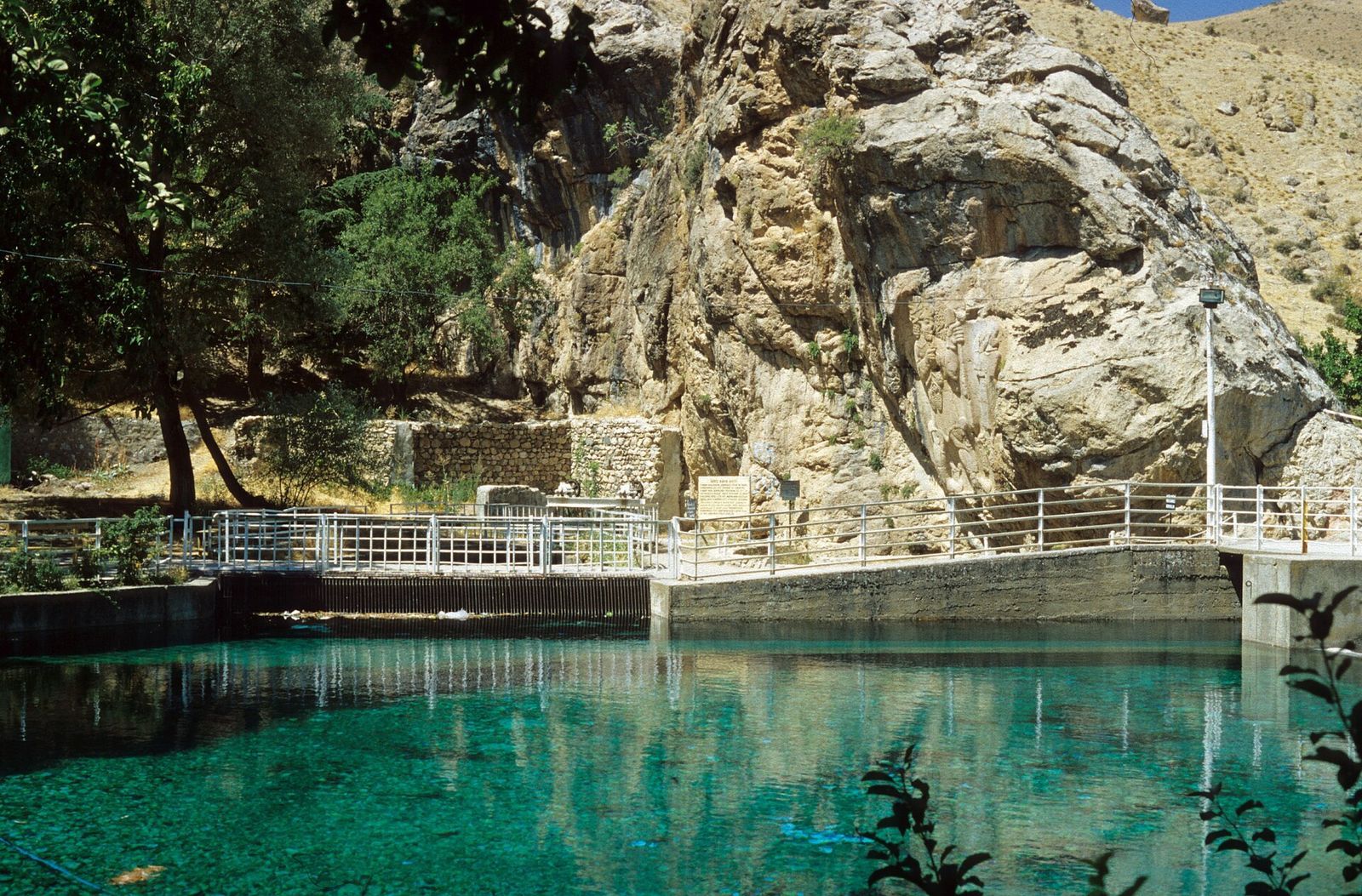
The relief stands beside a spring that flowed for much of the year. Its imagery and waterside location suggest that people associated fertility with spring water rather than the region’s scarce rainfall. The setting may also point to a local spring cult. In Warpalawas’s time, the spring was called Salusa, a name also found in earlier Hittite records. Finds uncovered during construction of a weir in 1986 support the interpretation of İvriz as a wealthy sanctuary of Tarhunzas, patronized by the king.
Later accounts and visits
The Ottoman geographer and historian Kâtip Çelebi described the monument in a seventeenth-century geographical work. Jean Otter wrote about it in 1748 and was long credited as the first European to see it, but his description appears to have relied on Çelebi rather than on a visit. Major von Fischer is the first European known to have visited the relief, in 1837.
Remains
The principal rock relief
The main carving occupies a steep rock face near the source of İvriz Suyu. It measures 4.2 m high and 2.4 m wide. The stream has been impounded near the relief, and water has damaged the carving in modern times.
Figures and composition
Warpalawas stands on the right on a stone platform, his hands raised in a gesture that may indicate greeting or worship. Facing him, Tarhunzas is shown at a much larger scale, holding ripe wheat and clusters of grapes whose stems reach down toward his feet. At the god’s hip is the pommel of a weapon, shaped like a bird’s head and probably representing a vulture.
Inscriptions
Three Luwian hieroglyphic inscriptions accompany the relief. The text before the god names him as the great Tarhunza of Warpalawas and includes an instruction to erect something for him, though one word in the instruction is unclear. An inscription behind the king describes the carving as Warpalawas’s self-portrait. A third inscription, several metres below the scene, credits Tiyammaradu, the king’s favored servant, with carving it. This text is heavily weathered and is sometimes submerged.
Other carvings and recovered objects
A second relief in the hills south of the main carving, along the Ambar Deresi valley and near the ruins of Kızlar Sarayı abbey, repeats its composition. Its carving is less careful and unfinished. In 1986, construction of a weir about 75 m upstream uncovered a fragment of a stele, an upright inscribed stone slab. Its damaged text uses Luwian hieroglyphs, a writing system for the Luwian language, and Phoenician, an ancient language of the eastern Mediterranean; the legible portions convey the same message in both. They identify Warpalawas as the person who erected the stele. The work also brought to light a fragment of the head of a larger-than-life statue, probably of Tarhunzas, carved as a three-dimensional figure rather than in relief. A relief and the stele are held at the Konya Ereğli Museum.