Chiba Prefectural Open-air Museum Boso-no-Mura: A Prefectural Experiential Museum
Site at a Glance
- Popularity
- High
- Country
- Japan
- Primary era
- Early Modern
- Eras represented
- Iron Age, Classical, Medieval, Early Modern, Modern
- Civilizations
- Japanese, Tokugawa, Yayoi
- Site type
- Museum
On this page11 sections
History
Chiba Prefectural Open-air Museum Boso-no-Mura is an experiential museum spanning Sakae and Narita in Japan. Established by Chiba Prefecture, it opened in 1986 to present historical life through reconstructed settings and hands-on activities.
Foundation and phased development
The museum’s predecessor, Boso Fudoki-no-Oka, opened in July 1976 as Chiba Prefecture’s only museum specializing in archaeology. Boso-no-Mura held its opening ceremony on October 28, 1986, and welcomed the public from November 1.
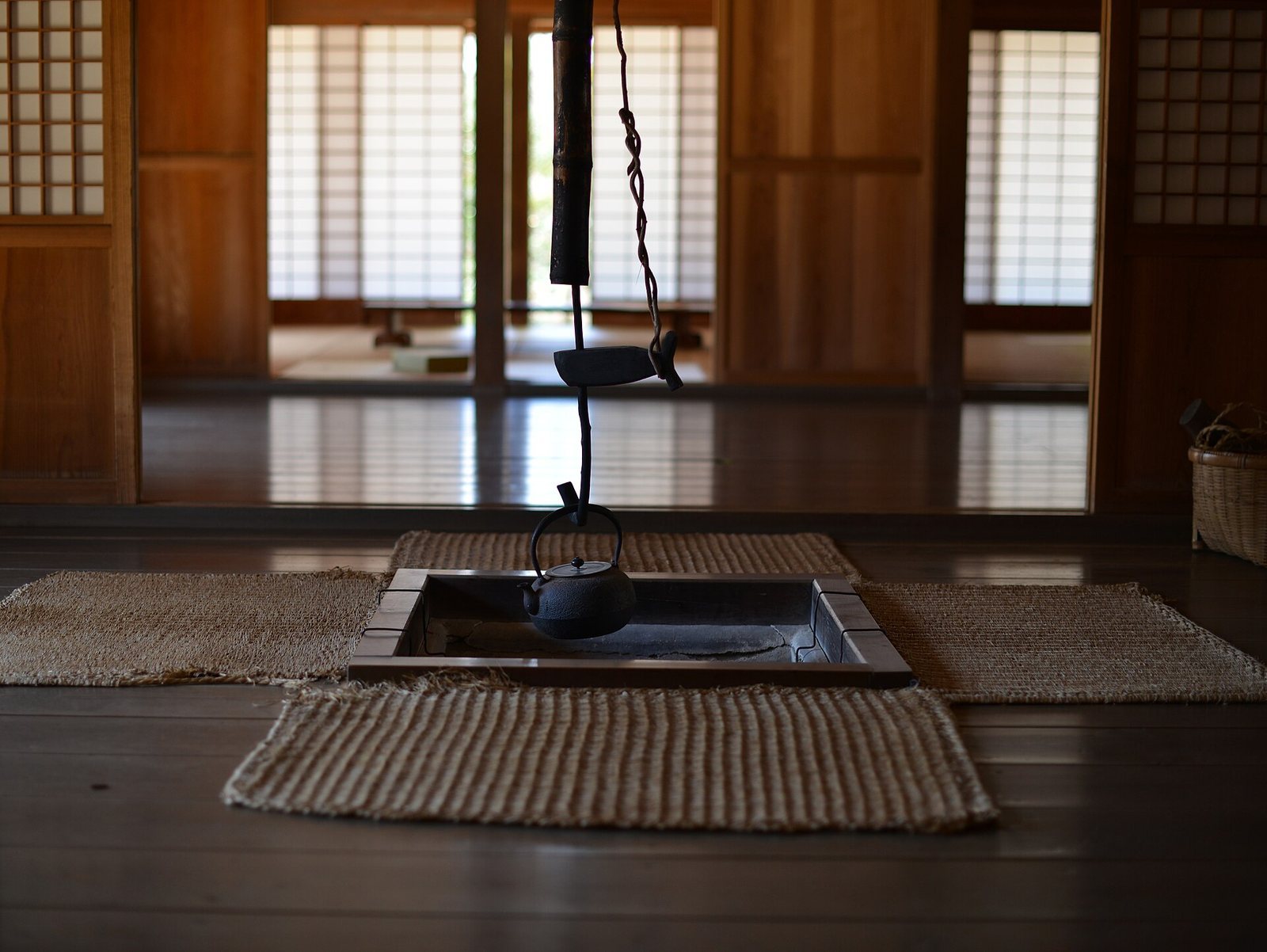
Its buildings and displays took shape in successive phases. A residence representing a middle-ranking samurai, a member of Japan’s hereditary warrior class, in the Sakura Domain, a feudal territory governed under the shogunate, was completed in October 1987. Four merchant houses were finished in January 1988 and opened in April. Six more were completed in October as the next phase. In response to public requests, the museum also began trial food activities in 1988, including cooking ancient rice in a traditional hearth, grilling eel over charcoal, and making a soft bean-jelly confection.
Expansion and continuing activities
On October 27, 1991, a public demonstration at Fudoki-no-Oka explored an ancient method of making iron. The following year, completion of a farmhouse representing Awa, a historical region in southern Chiba, and the opening of the full set of facilities marked Boso-no-Mura’s full opening. In April 2004, the predecessor institution was incorporated into the museum.
Boso-no-Mura recreates seasonal customs and performances, including Dondoyaki, a New Year bonfire custom in which people pray for health and protection from illness, as well as the Doll Festival, the Star Festival, and an autumn festival. Its program also includes comic theater and street performance.
The Ryukakuji Kofun Group and Iwaya Kofun are designated National Historic Sites. The former Gakushuin Primary School Main Hall and Old Mikogami Family Residence are Important Cultural Properties, while the Old Hirano Family Residence is designated a tangible cultural property by Chiba Prefecture.
Remains
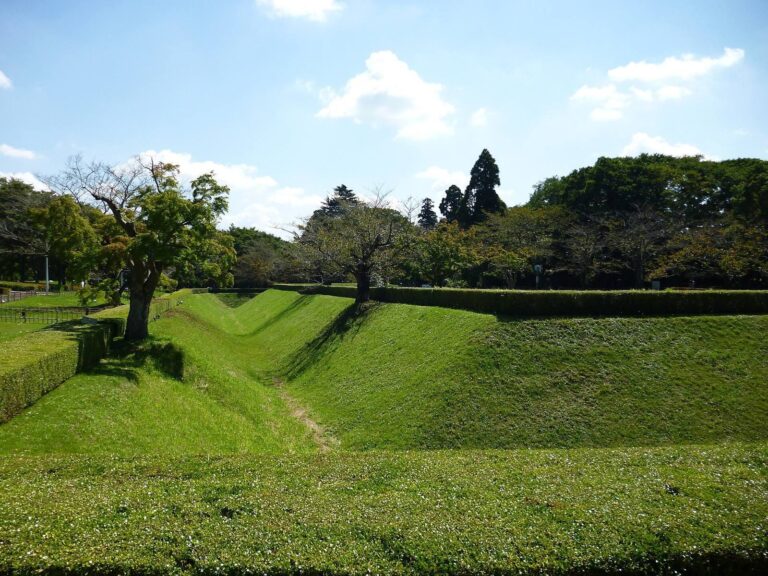
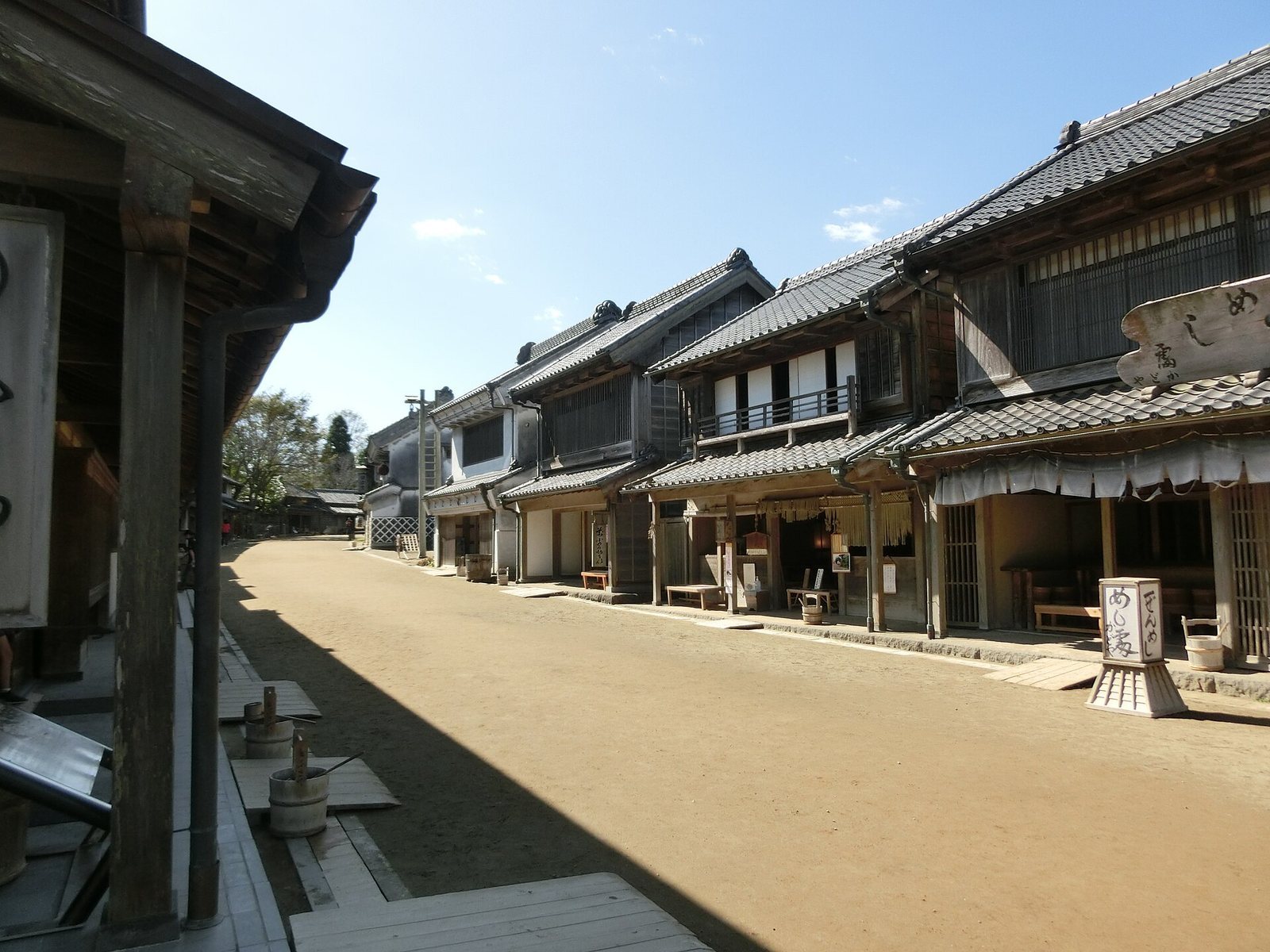
The grounds comprise a traditional-skills experience area and an archaeological heritage area. The first recreates a townscape associated with the Edo period, when the Tokugawa shogunate ruled Japan, and the Meiji period, which followed the restoration of imperial government in 1868. The archaeological area covers about 32 hectares of hilly ground and contains 78 ancient burial mounds, relocated historic buildings, and an archaeology museum.
Traditional-skills experience area
Reconstructed townscape and rural buildings
Reconstructed merchant premises, a samurai residence, and rural buildings form the experience area’s historic setting. The residence represents a middle-ranking samurai of the Sakura Domain, and a farmhouse represents Awa. Together, these buildings evoke town and rural life across the periods represented by the wider late Edo and Meiji townscape.
Yayoi-period dwelling
A reconstructed pit dwelling represents the Yayoi period, an earlier era of Japanese history. It was added to the museum in 2006.
Banner and post box
The displays include a reconstructed banner depicting Zhong Kui, a legendary Chinese figure associated with driving away demons. It is based on an example from the 1880s. A reconstructed post box represents the Meiji period.
Archaeological heritage area
Burial mounds
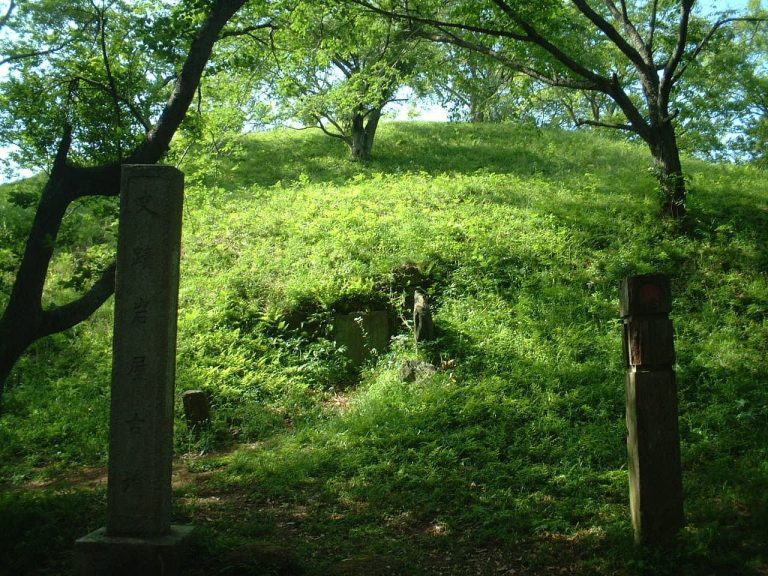
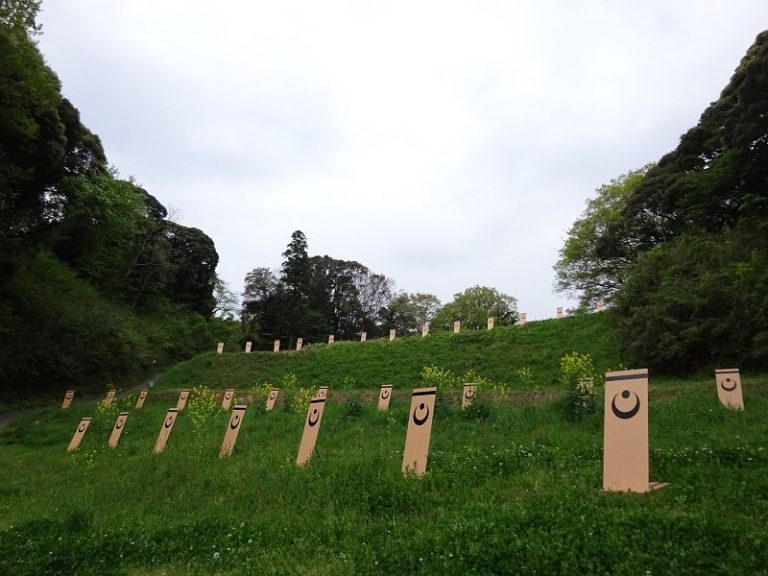
Of the area’s 78 burial mounds, number 101 has been reconstructed. Models of haniwa, terracotta figures, cylinders, and other objects associated with ancient burial mounds, were placed on it to reproduce their arrangement. The reconstructed mound opened to the public on April 1, 1992.
Relocated historic buildings
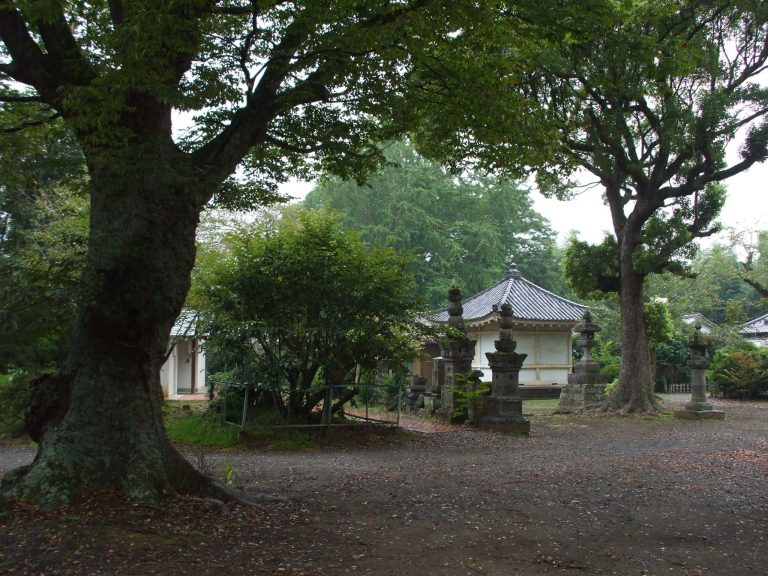
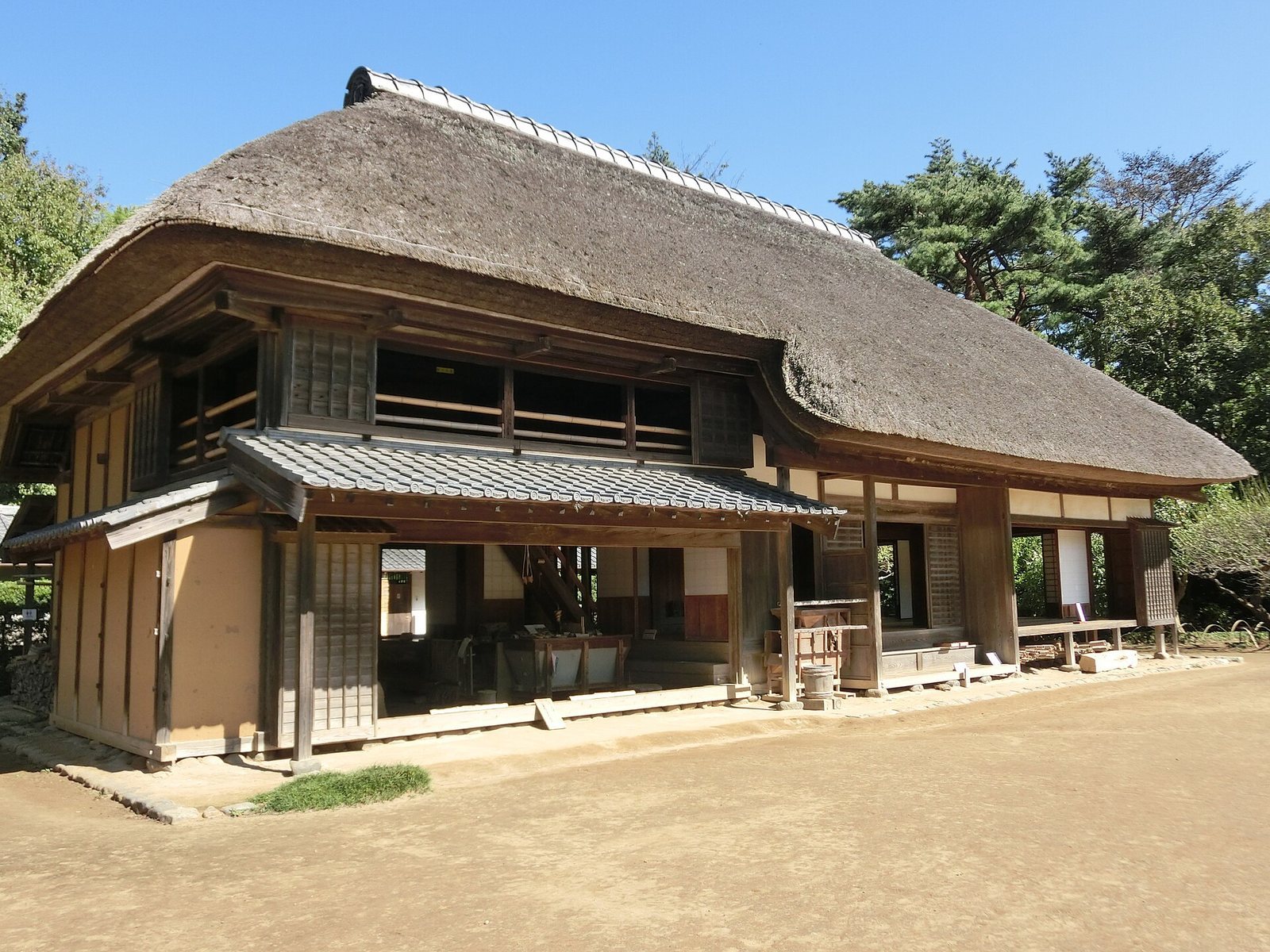
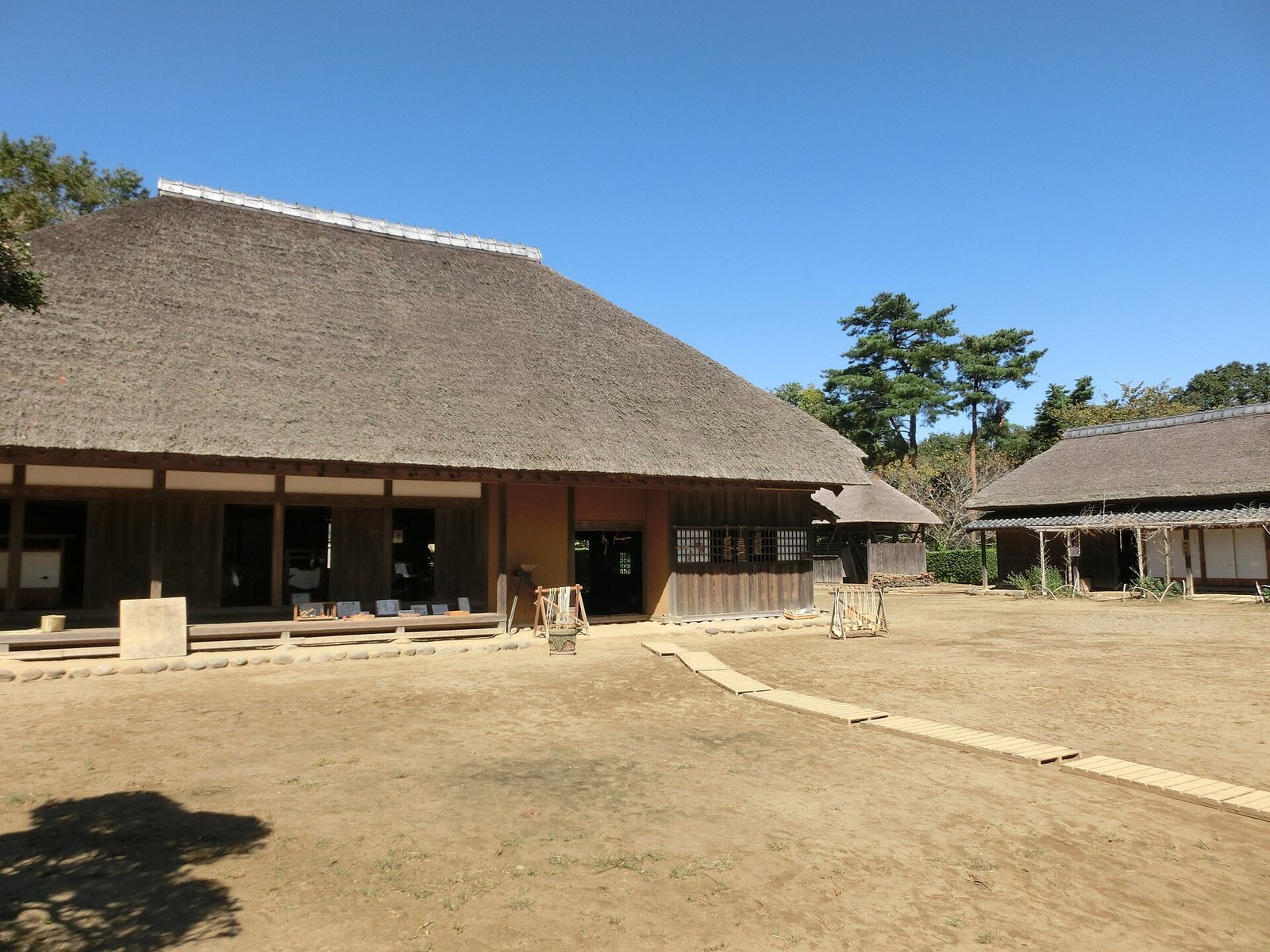
Three relocated buildings stand in Otake, Narita. The former Gakushuin Primary School Main Hall dates to 1899; Gakushuin was an educational institution historically associated with educating members of the imperial family and aristocracy. The Old Mikogami Family Residence was built in 1780 in the former town of Maruyama, now part of Minamiboso. The Old Hirano Family Residence was built in 1751 in Kamezawa, Futtsu.
When the old houses were first installed, regulations prevented the use of thatched roofs, so they were covered with iron sheets. After the rules were relaxed, the roofs were returned to thatch in 2008.