Neutestorf Megalithic Tombs: Neolithic Burial Monuments in Germany
Site at a Glance
- Popularity
- Very Low
- Country
- Germany
- Primary era
- Stone Age
- Eras represented
- Stone Age
- Civilizations
- Unclassified
- Site type
- Burial
- Remains
- Burial Mound
On this page8 sections
History
The Neutestorf Megalithic Tombs are two prehistoric burial monuments in Germany, about 1 km north of the village of Neutestorf. Dating to 3500–2800 BCE, they belong to the Neolithic, the later part of the Stone Age, when farming communities used polished stone tools and built megalithic tombs. The monuments are associated with the Funnel Beaker culture, a prehistoric culture of northern and central Europe named for its distinctive funnel-shaped pottery. Ernst Sprockhoff’s catalogue of German megalithic monuments lists them as numbers 270 and 271. In 1933, German archaeologist and prehistorian Manfred von Abercron investigated Tomb 2.
Remains
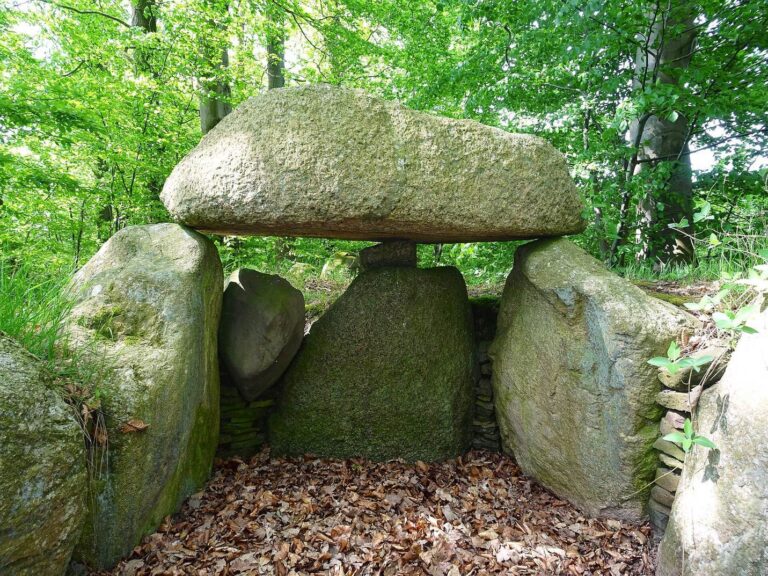
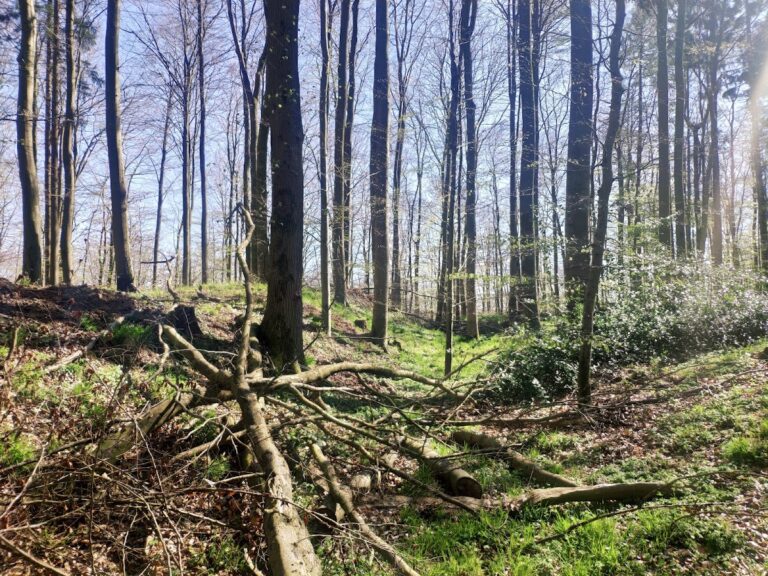
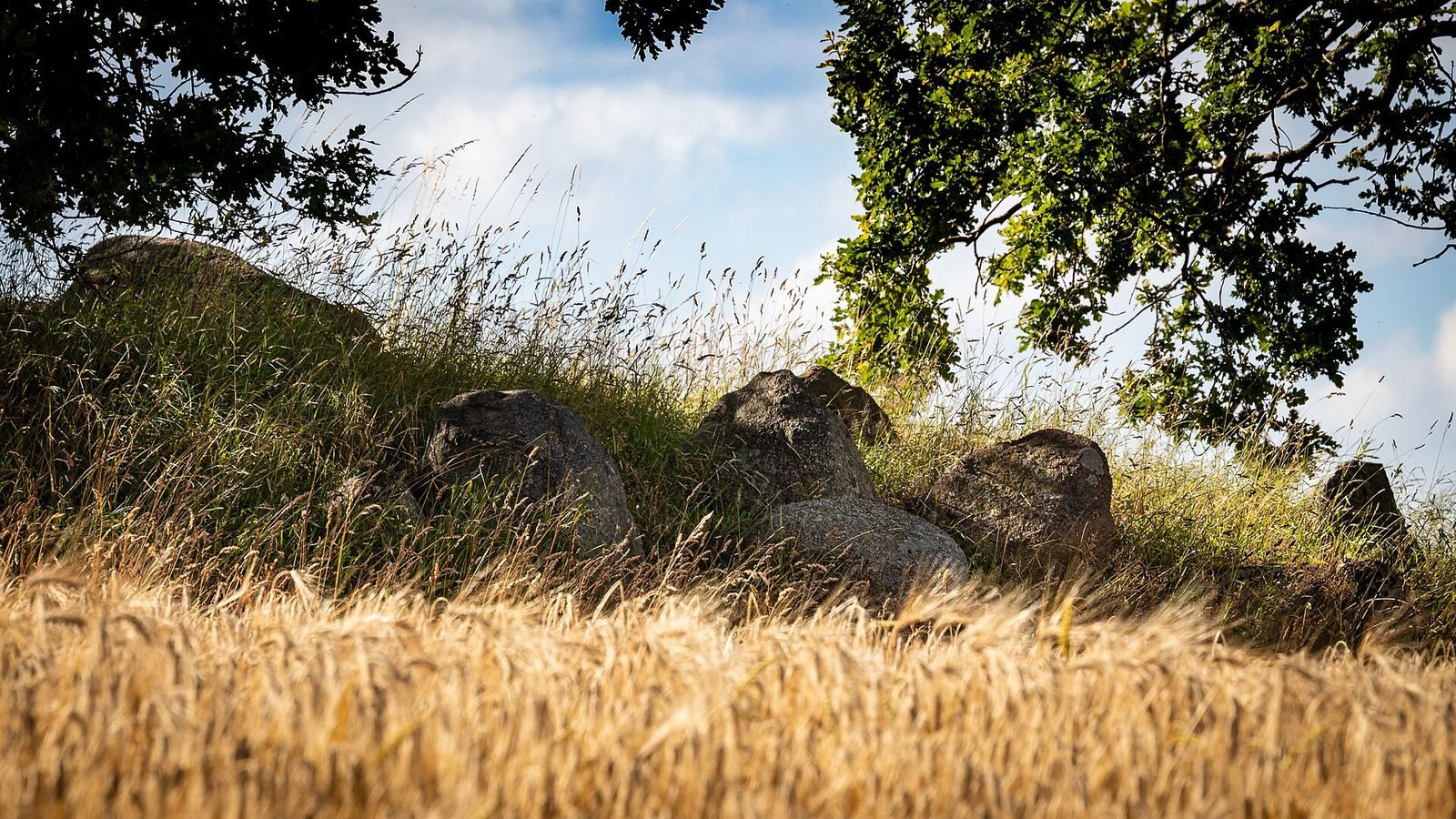
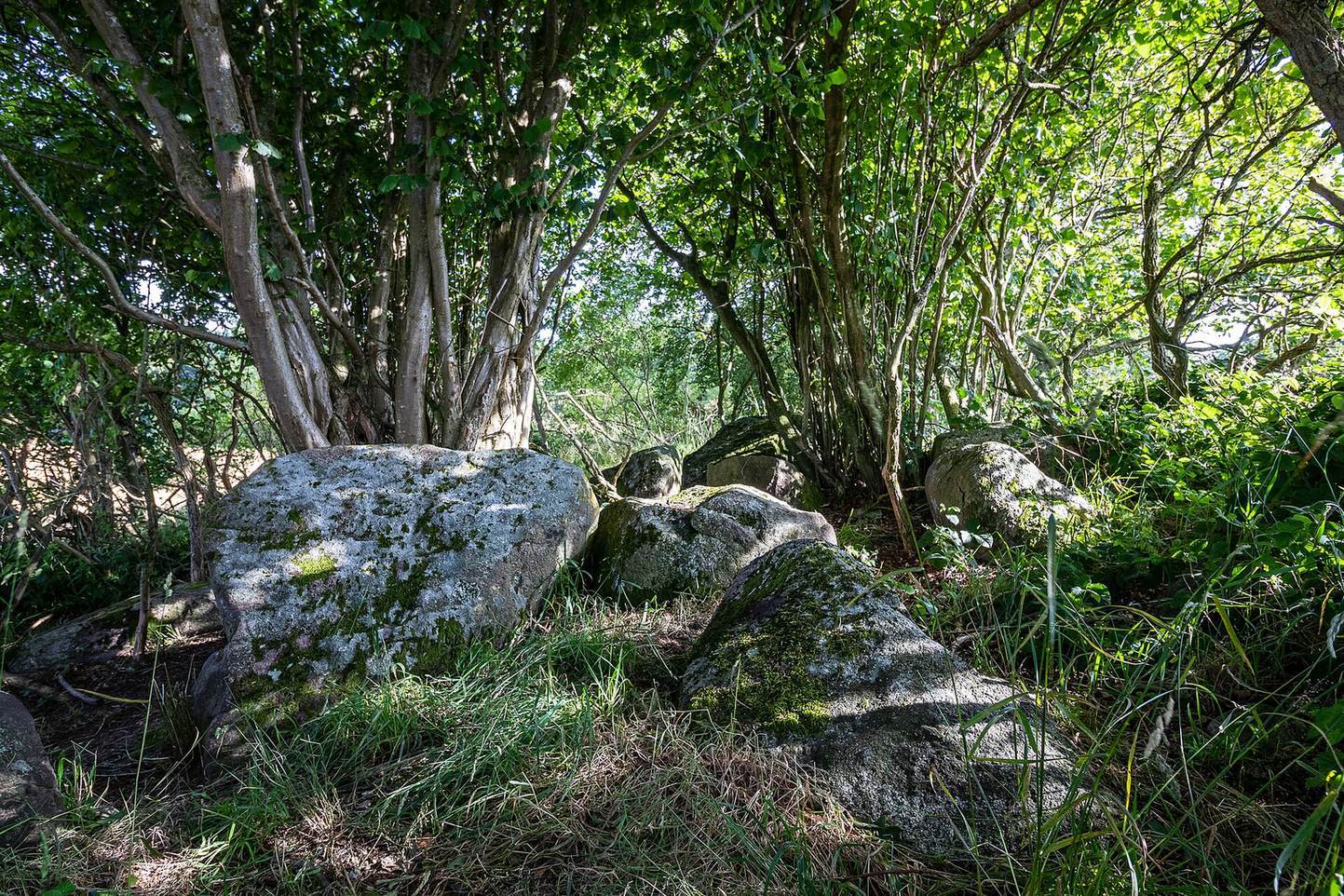
The two tombs stand on cultivated land east of the road to Hansühn, among patches of trees and shrubs. Tomb 1 is 80 m north of Tomb 2. Nearby monuments include Hansühn 1, about 400 m to the north; Testorf, 1.3 km to the northeast; and Hansühn 2, 1.9 km to the north-northeast. Each Neutestorf tomb combines an elongated burial mound, or long barrow, with a stone burial chamber reached by a passage, known as a passage grave.
Tomb 1
Long barrow
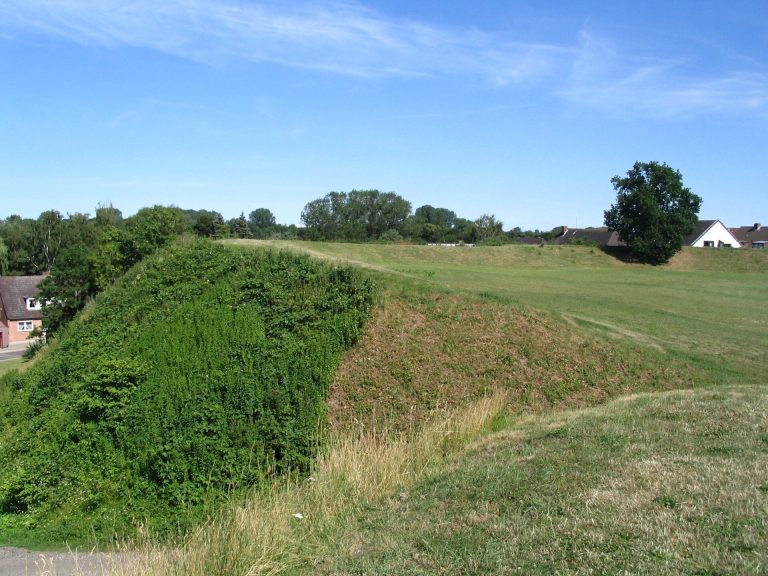
The mound is aligned northeast to southwest. It may originally have measured 16 m long by 7 m wide, but has spread to about 18 m by 10 m. Most of its perimeter stones appear to survive, although nearly all are toppled or displaced. Some may be stones moved there during modern field clearance.
Chamber and entrance
At the mound’s centre, a northeast-to-southwest passage grave measures about 4 m long and 1.5 m wide. It was probably once enclosed entirely by the mound. Two wall stones on the northwest side, four on the southeast side, and two end stones at each short end remain in their original positions. Of probably four original roof stones, one survives, fallen into the chamber. The entrance lies midway along the southeast side. A passage in front of it is 0.5 m wide, with a pair of wall stones and a displaced roof stone.
Tomb 2
Long barrow
The mound was originally about 18–20 m long and ran approximately north to south. Severe modern disturbance has spread it into an irregular shape measuring 26 m by 17 m. Numerous perimeter stones remain, but they are displaced from their original positions.
Chamber and passage
The chamber is aligned northwest to southeast and measures about 6 m long and at least 1.5 m wide. Its outline appears slightly trapezoidal, widening toward the southeast. It is a passage grave of the Holstein-chamber type, a regional form associated with Schleswig-Holstein. Several chamber stones survive in displaced positions and cannot be assigned precisely. Three stones still in place form part of the northeast wall, and another remains on the southwest side. The entrance lay between the northern and middle stones of the northeast side, with a passage formed by a pair of wall stones in front of it.
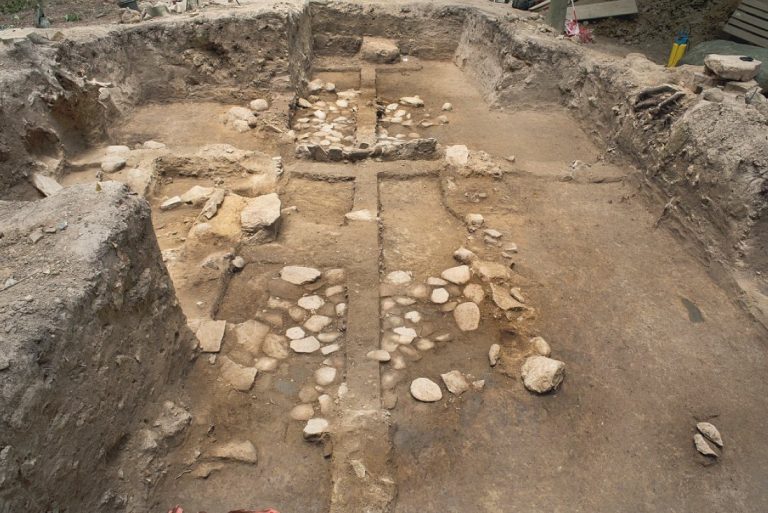
The chamber fill yielded pottery fragments with deeply incised decoration, two narrow flint chisels, and a thick-butted flint axe. Four globular amphorae had been placed together in a nest-like group in one corner of the chamber.