Tjølling Church: A Medieval Parish Church in Norway
Site at a Glance
- Popularity
- Low
- Country
- Norway
- Primary era
- Early Modern
- Eras represented
- Medieval, Early Modern, Modern
- Civilizations
- Denmark–Norway, Norwegian
- Site type
- Religious
- Remains
- Church
On this page11 sections
History
Foundation and medieval setting
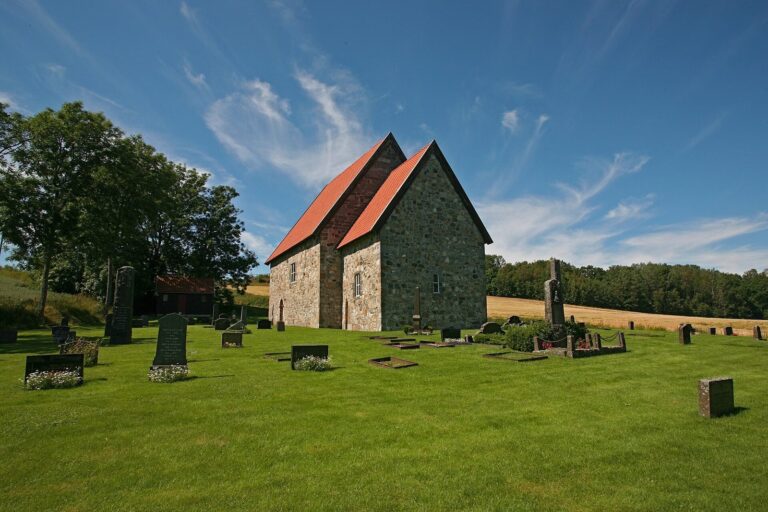
Tjølling Church is a medieval parish church in Tjodalyng, Norway, built and consecrated in the 12th century, around 1150. It was probably commissioned by King Sigurd the Crusader, also known as Sigurd Jorsalfare.
The church stands in an area that was a medieval center of local power in southern Vestfold. The wider district included Kaupang, an early medieval trading settlement and marketplace in historical Skiringssal, as well as an ancient place of worship. Nearby Huseby farm is thought to have been connected with Kaupang. Tjølling Church is dedicated to the Virgin Mary, regarded in Christianity as the mother of Jesus, and Saint Michael, an archangel venerated in Christian tradition.
Decline, restoration, and public role
The rectory burned in 1364, and a fire damaged the church during the 1360s, after which it was rebuilt. The church’s condition worsened following the Black Death, the plague pandemic that spread through Europe in the 14th century. A major fire in the 15th century nearly destroyed the building, which remained in poor condition for a prolonged period.
An earthquake in 1759 damaged the church, and storms in 1760–61 added to the destruction. The earthquake was more likely to have occurred in the Kattegat, the sea between Denmark and Sweden, than to have been the Lisbon earthquake of 1755. A major rebuilding followed in 1762–64. Further restorations took place in 1860 and 1975.
In 1814, the church was a polling place in Norway’s first national elections. Each parish elected representatives, who met at county level to select members of the Constituent Assembly that drafted Norway’s constitution. Tjølling Church is now an active Evangelical Lutheran church in the Church of Norway. It serves Tjølling parish, a local church district, within the Larvik deanery and Diocese of Tunsberg. The church’s earlier affiliation was Catholic, and it is automatically protected as a Norwegian cultural heritage site.
Remains
Medieval form and rebuilding
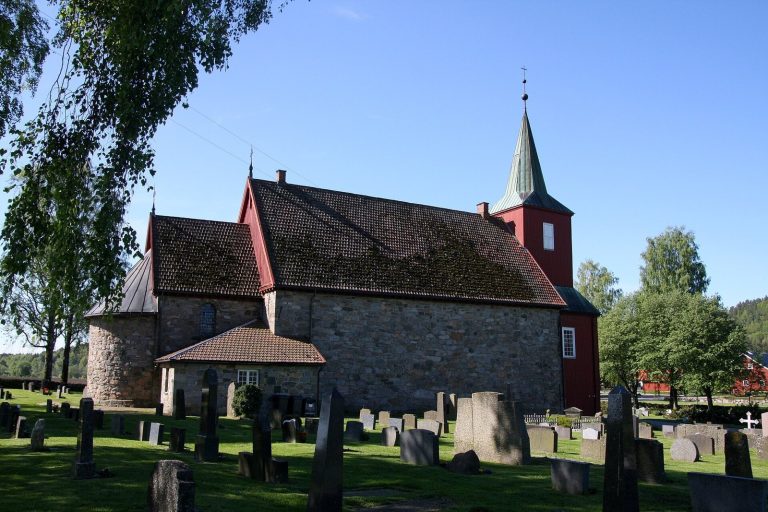
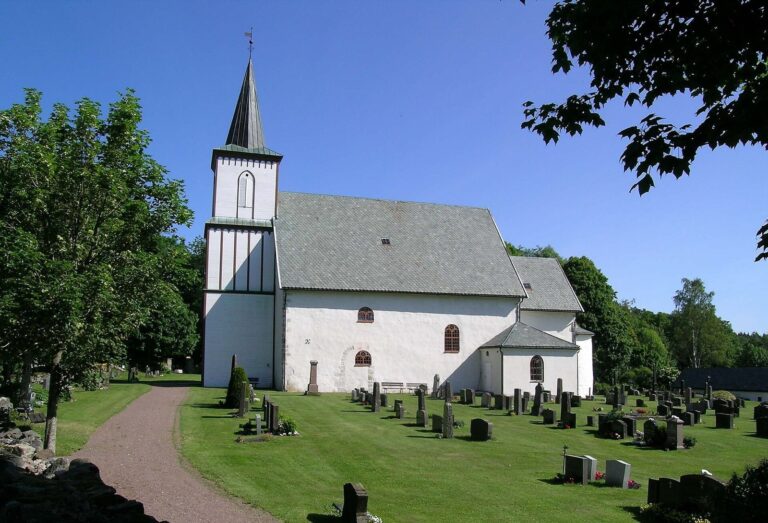
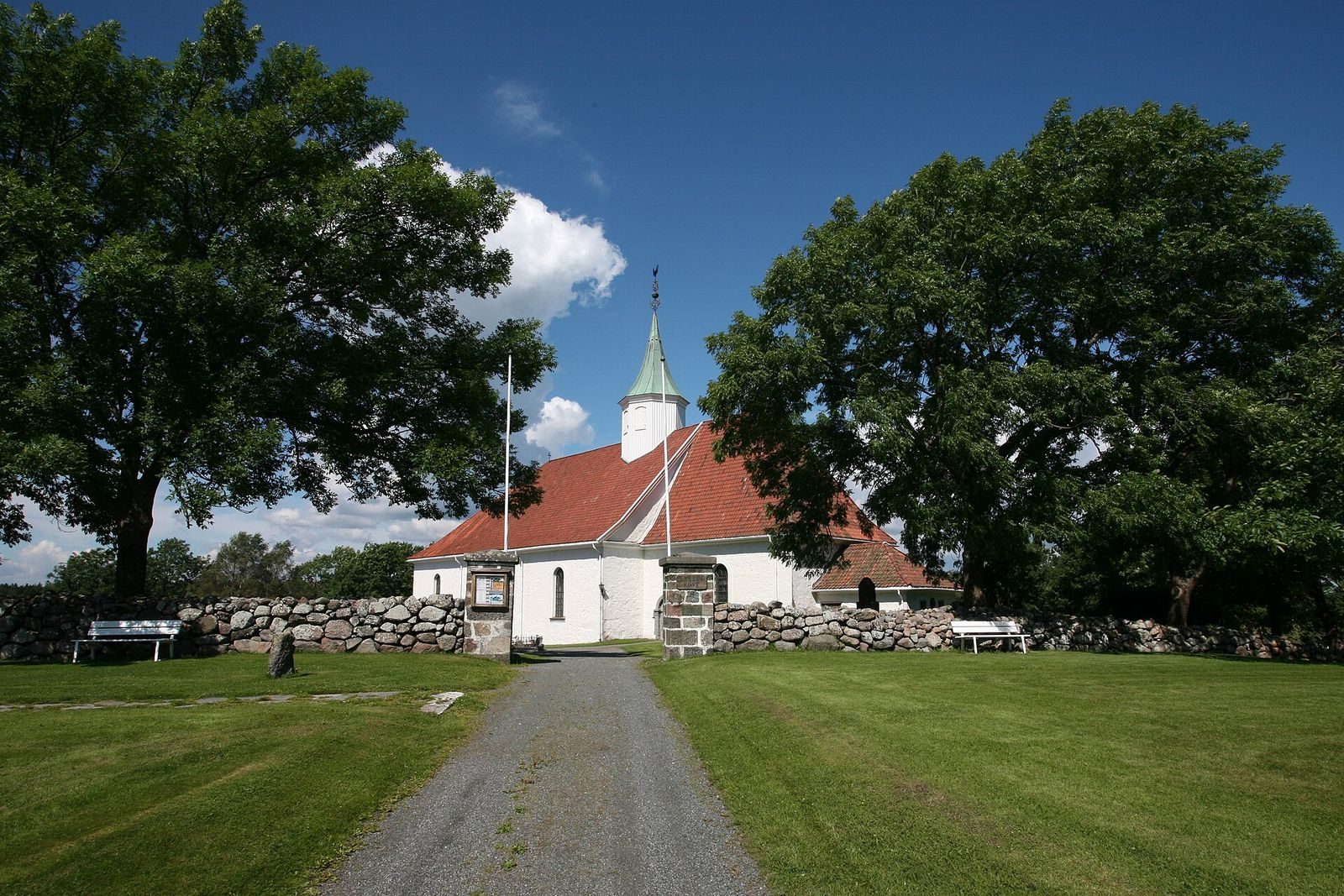
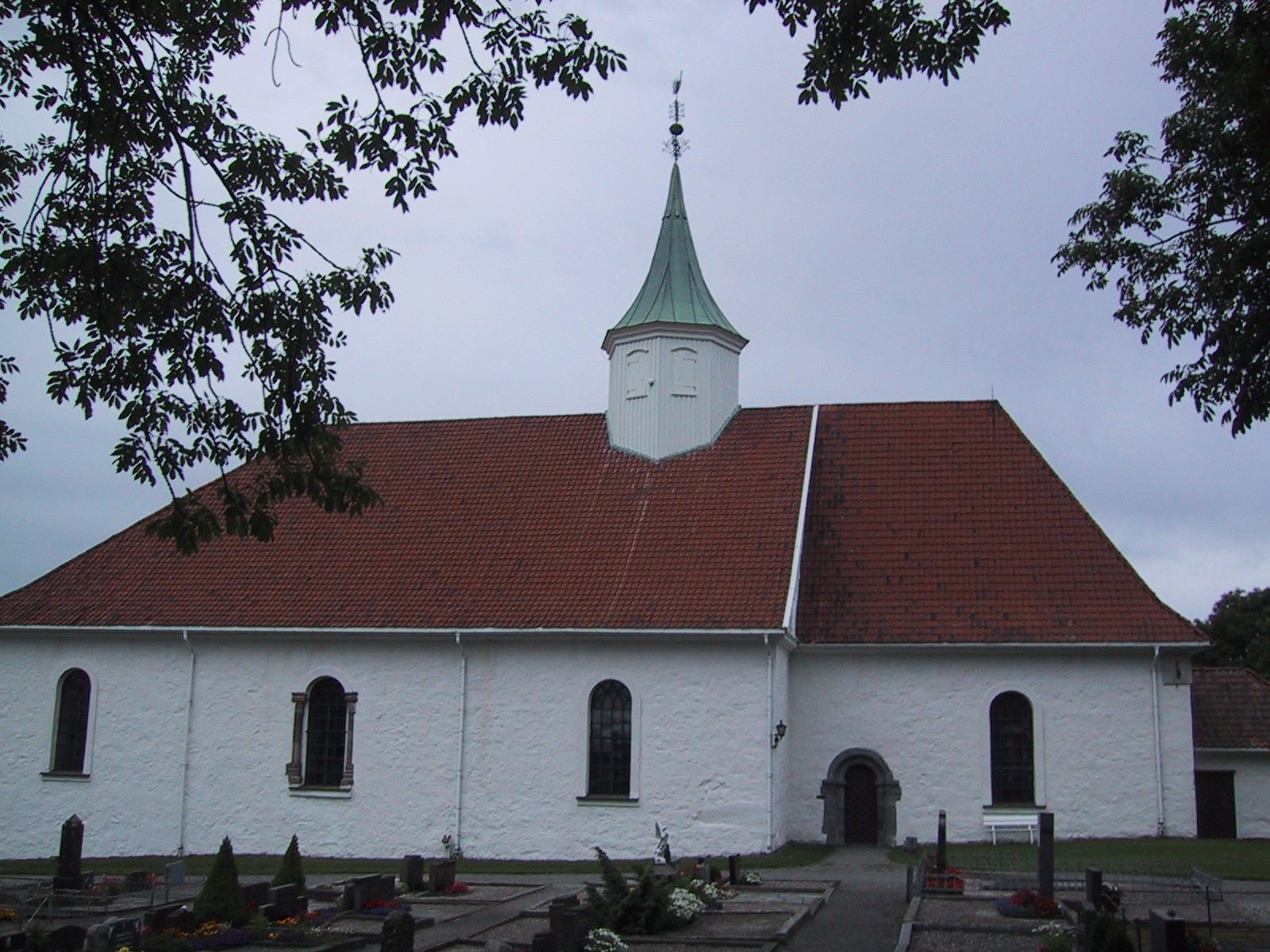
The white-stone church has an elongated plan and stands beside its churchyard; the rectory is southeast of the churchyard. Its 12th-century design was Romanesque, with a basilican layout: a central nave flanked by lower side aisles. It may have been the largest rural church in Northern Europe in its time, and it was the only church of this type in Vestfold apart from one in Tønsberg. Three richly decorated portals resemble examples at churches in Telemark from the late 12th century. In the 13th century, the building was remodeled toward the Gothic style.
The rebuilding of 1762–64 removed the basilican plan. Builders demolished the central nave and placed the interior beneath a single roof, reusing the foundations and small parts of the walls so that the church retained its earlier footprint. The roof’s weight was transferred from interior columns to the walls. The building gained a hipped roof and Rococo features, an 18th-century European style, inside and out. Before the work, some walls were said to lean as much as 140 centimeters from the vertical.
Tower and exterior features
A tower dating to 1698 was set on the rebuilt roof. Lightning caused fires in the old tower in 1783, 1800, and 1833. A replacement tower and spire were built in 1842; they occupy the central part of the roof and form a roof turret, a small tower rising from a roof. In 1864, masons blocked the south portal and inserted a window in its place. A stone cross is set into the church wall.
Interior furnishings and fittings
Altarpiece and pulpit
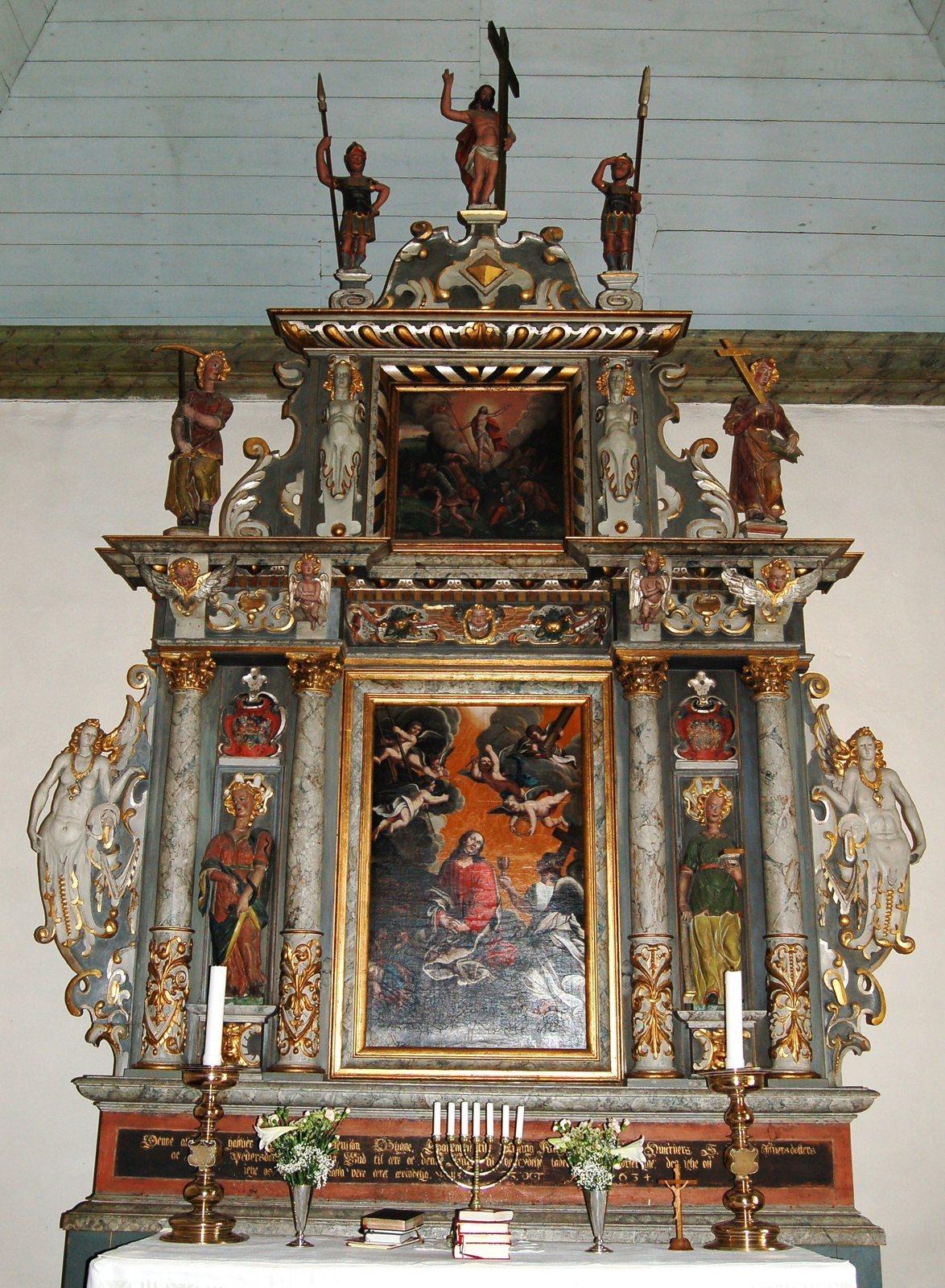
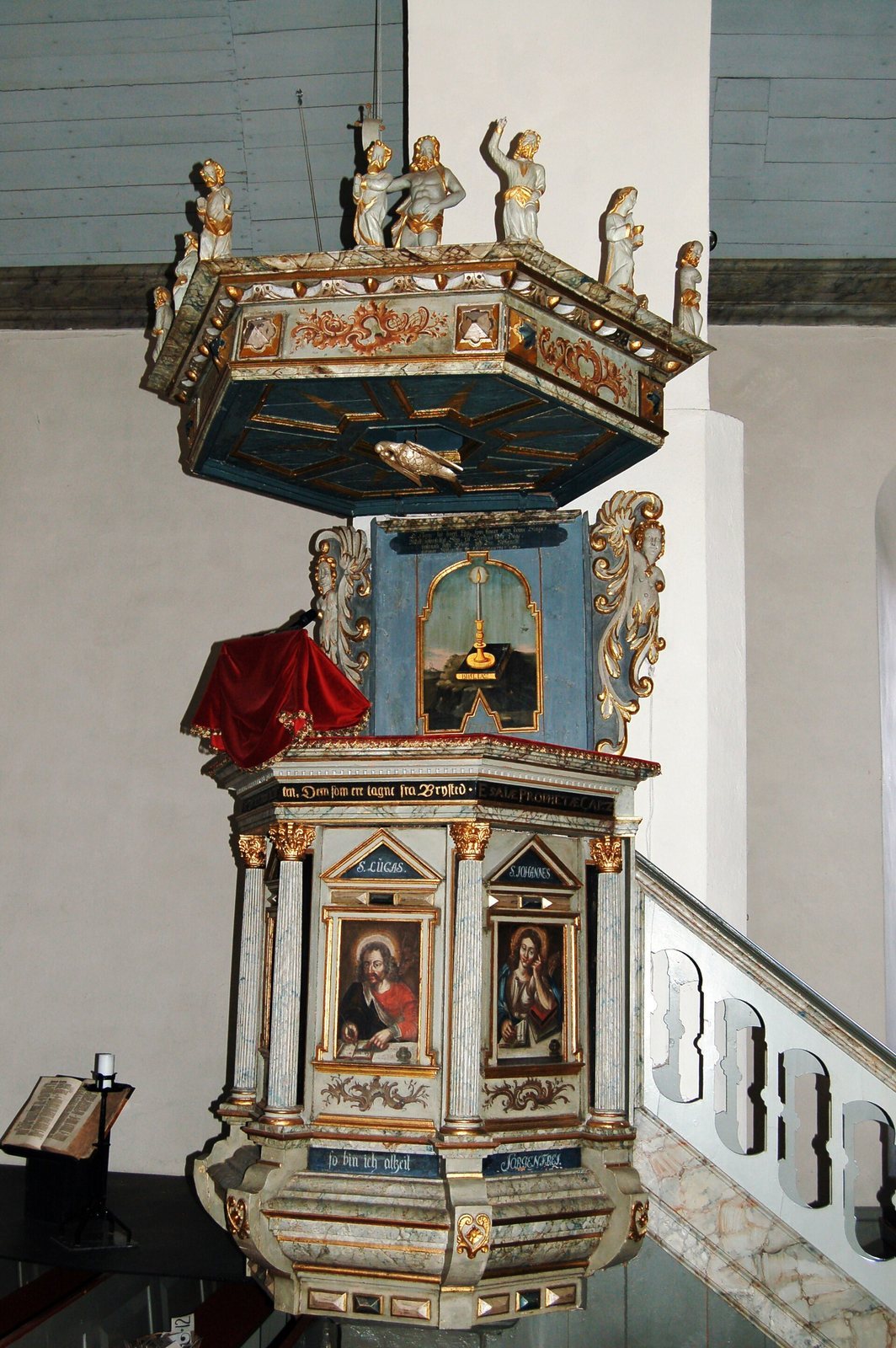
The Baroque altarpiece dates to 1632 and was given by Ove Gjedde, a Danish-Norwegian nobleman and naval officer. The pulpit was made in 1598 and includes later additions, among them a detail by Wilhelm Broager dated 1767 and an hourglass.
Baptismal furnishings
The baptismal enclosure dates to the 1760s. Its font, which holds water for baptism, was made around 1700, and the basin is attributed to Abraham Bøckman.
Bells and sundial
The church’s two bells date to 1725 and 1757. A sundial dated 1696 is attributed to Johan Orse.
Stained glass and organ
The stained glass was made in 1952 to designs by Borgar Hauglid and executed by Finn Hansen. A Stockmann organ was installed in 2010.