Schloss Oberellen: A Renaissance Castle and Manor House in Germany
Site at a Glance
- Popularity
- Very Low
- Country
- Germany
- Primary era
- Early Modern
- Eras represented
- Early Modern
- Civilizations
- Holy Roman Empire
- Site type
- Domestic
- Remains
- Castle
On this page5 sections
History
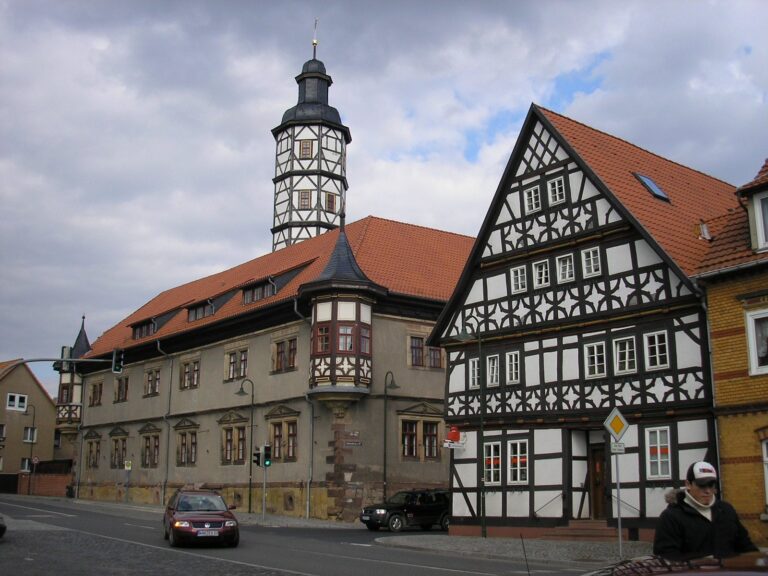
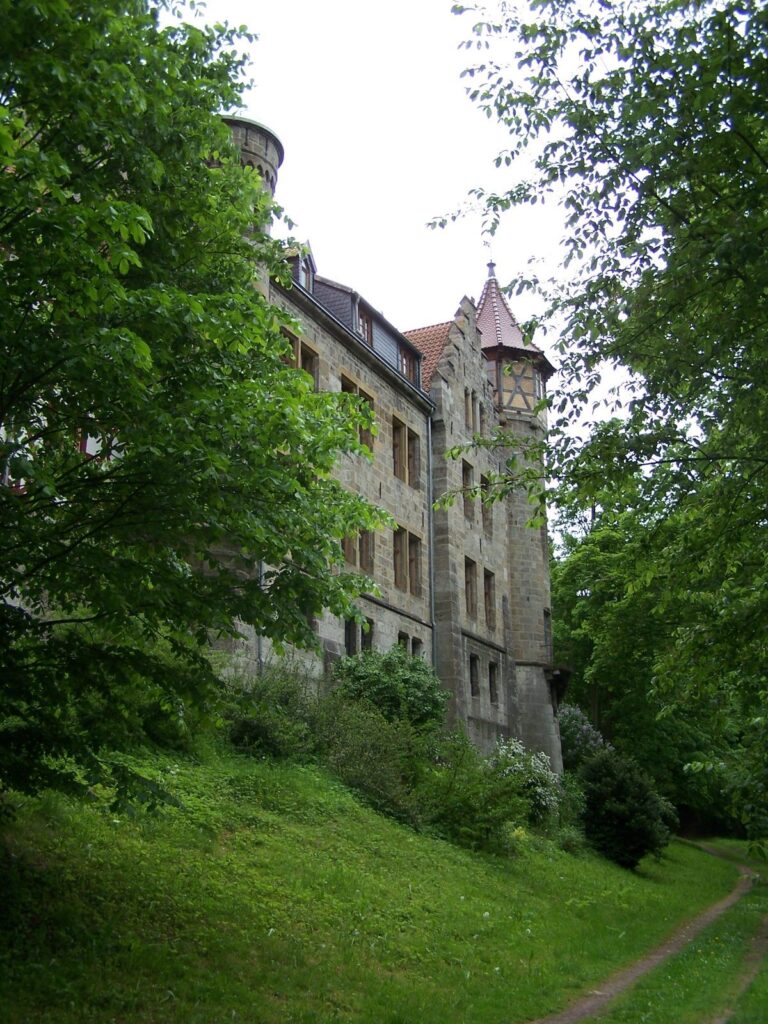
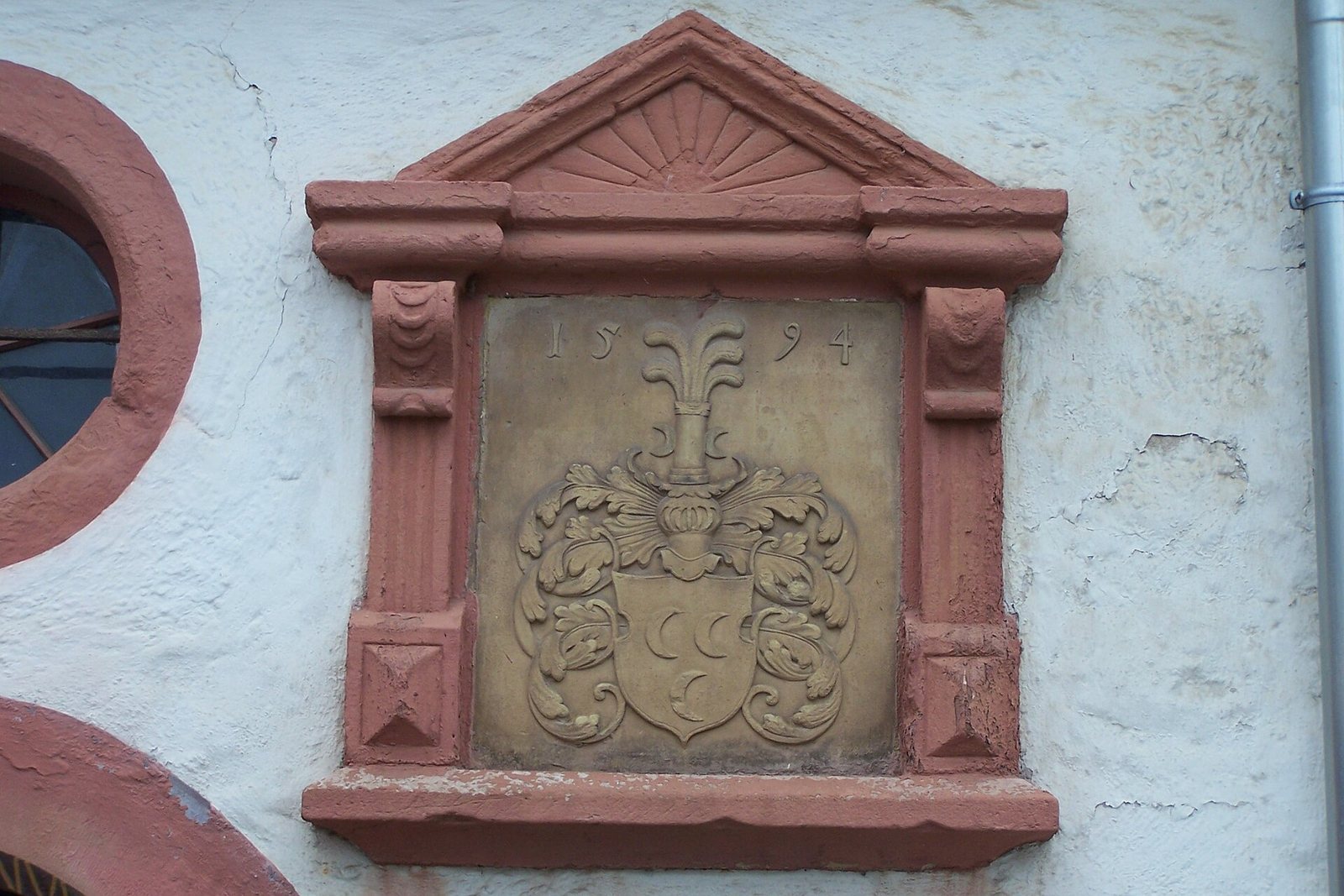
Schloss Oberellen is a castle and manor house in Oberellen, Germany, built in the Renaissance style, a European revival of forms and principles associated with classical antiquity. Construction began in 1594 on the foundations of a monastery farm.
Monastic origins
Oberellen came into the possession of the Knights of Goldbach in the twelfth century. In 1121, the estate at Elnde was ceded to Reinhardsbrunn, a monastery in Thuringia. An abbot made the village’s long-established chapel a provostry, a monastic administrative center, and the existing holdings were combined into a monastery farm that managed agricultural lands.
The Hanstein family residence
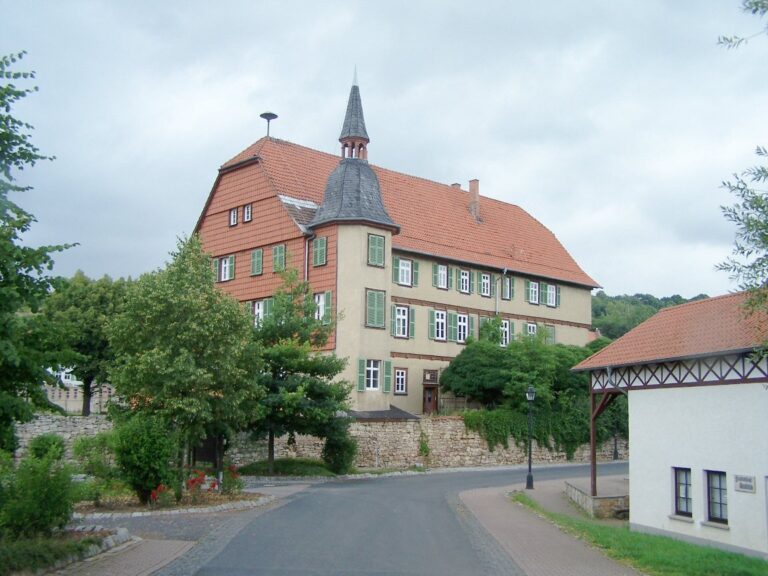
After monastic property in Thuringia was transferred into secular ownership, Oberellen passed in 1543 to Conrad von Hanstein, an imperial officer. The Hansteins, an aristocratic family from the historic Eichsfeld region, held the estate as its judicial and feudal lords. Lippold von Hanstein lived in the castle from 1604. A separate Hanstein branch later established a residence known as the White Castle, a development interpreted as a possible sign of disputes within the family.
Succession and later use
When the Oberellen branch of the Hansteins died out in 1722, the property passed to the family lines of Henfstädt and Rothenbach. Theodor von Hanstein eventually sold it to a settlement company. The painter A. Paul Weber lived in the castle from September 1923 to 1928, and painter Karl Meusel lived and worked there from 1966 to 1986. The premises now accommodate local government administration, a library, and an inn.
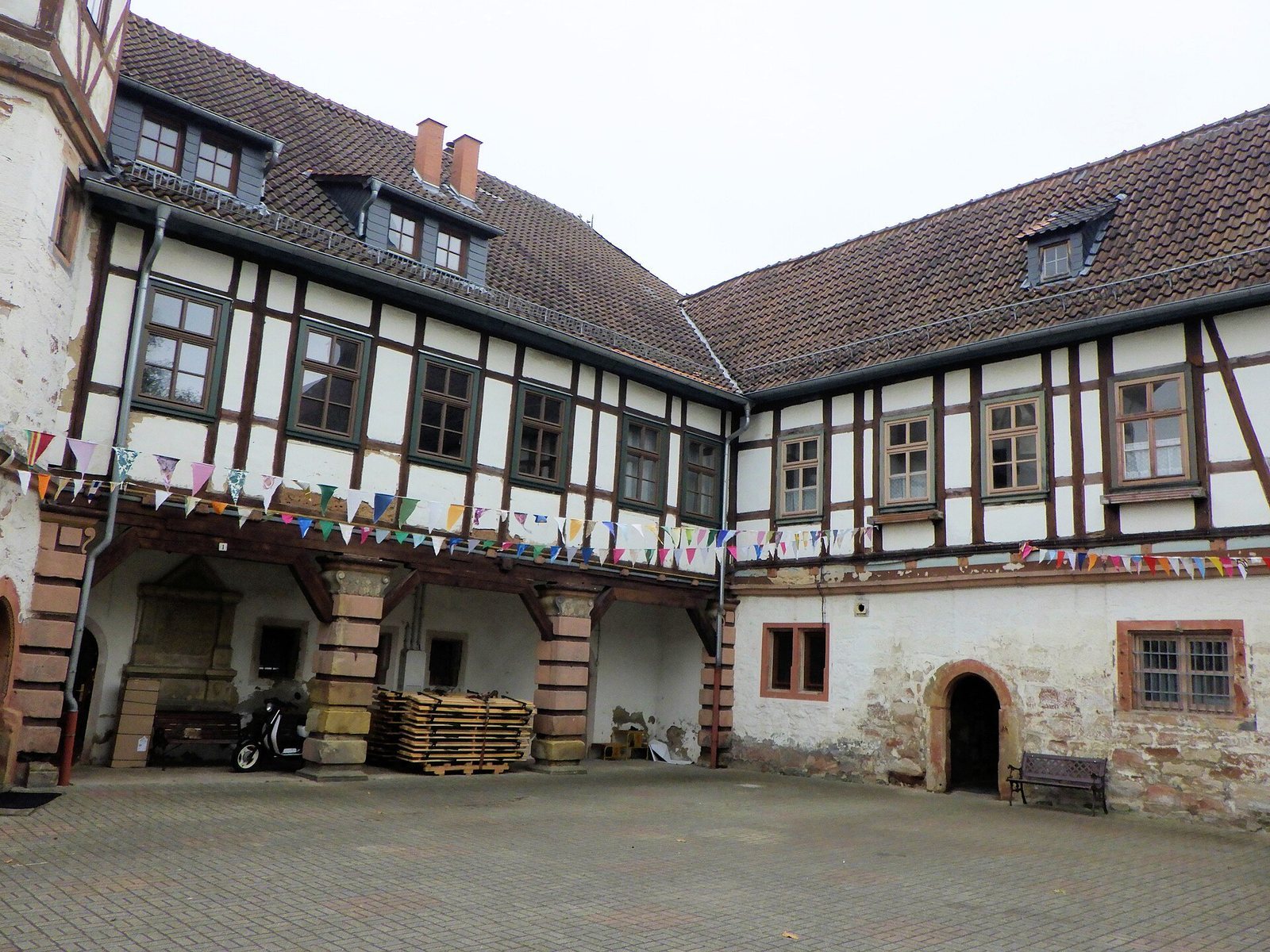
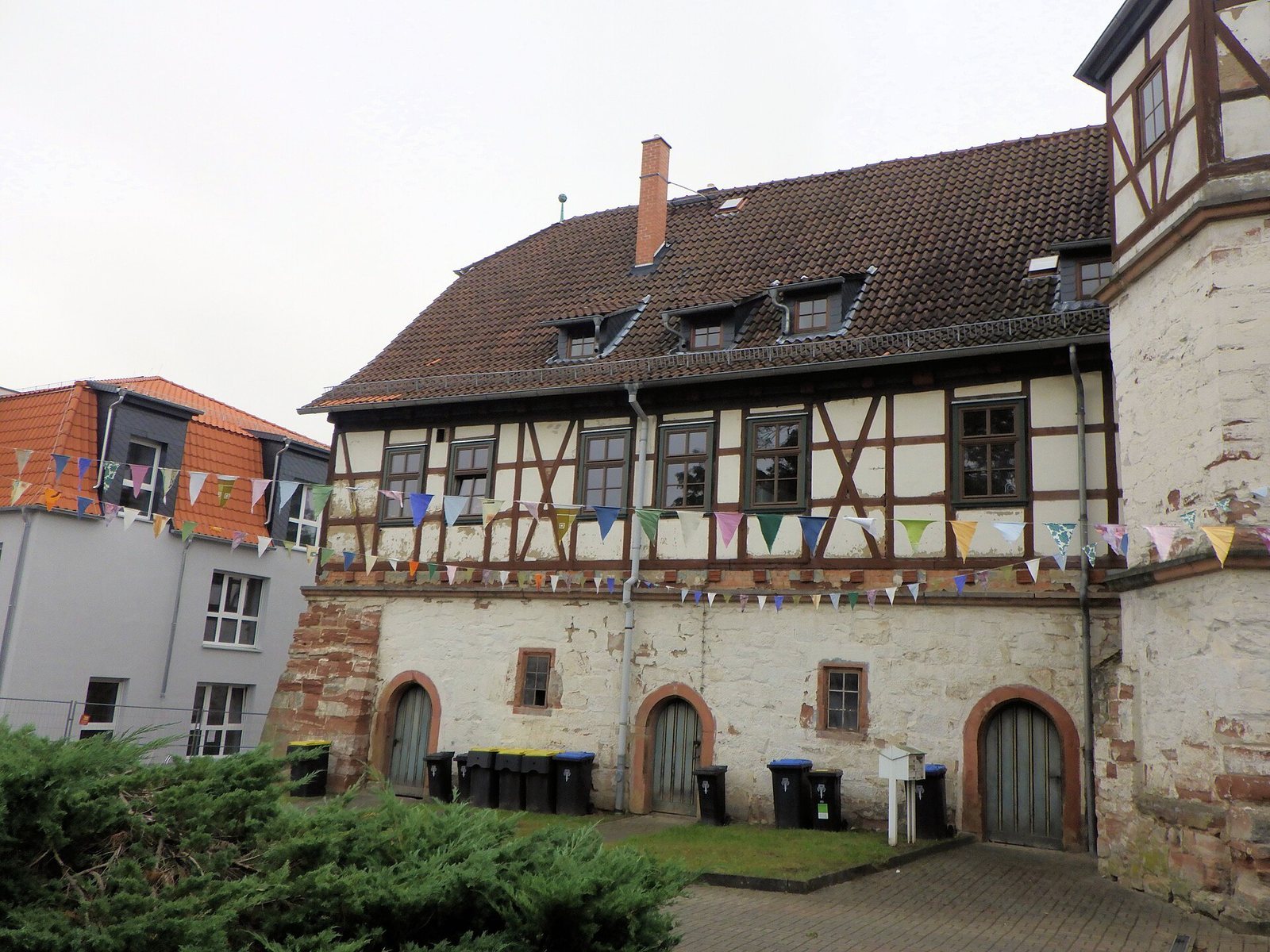
Remains
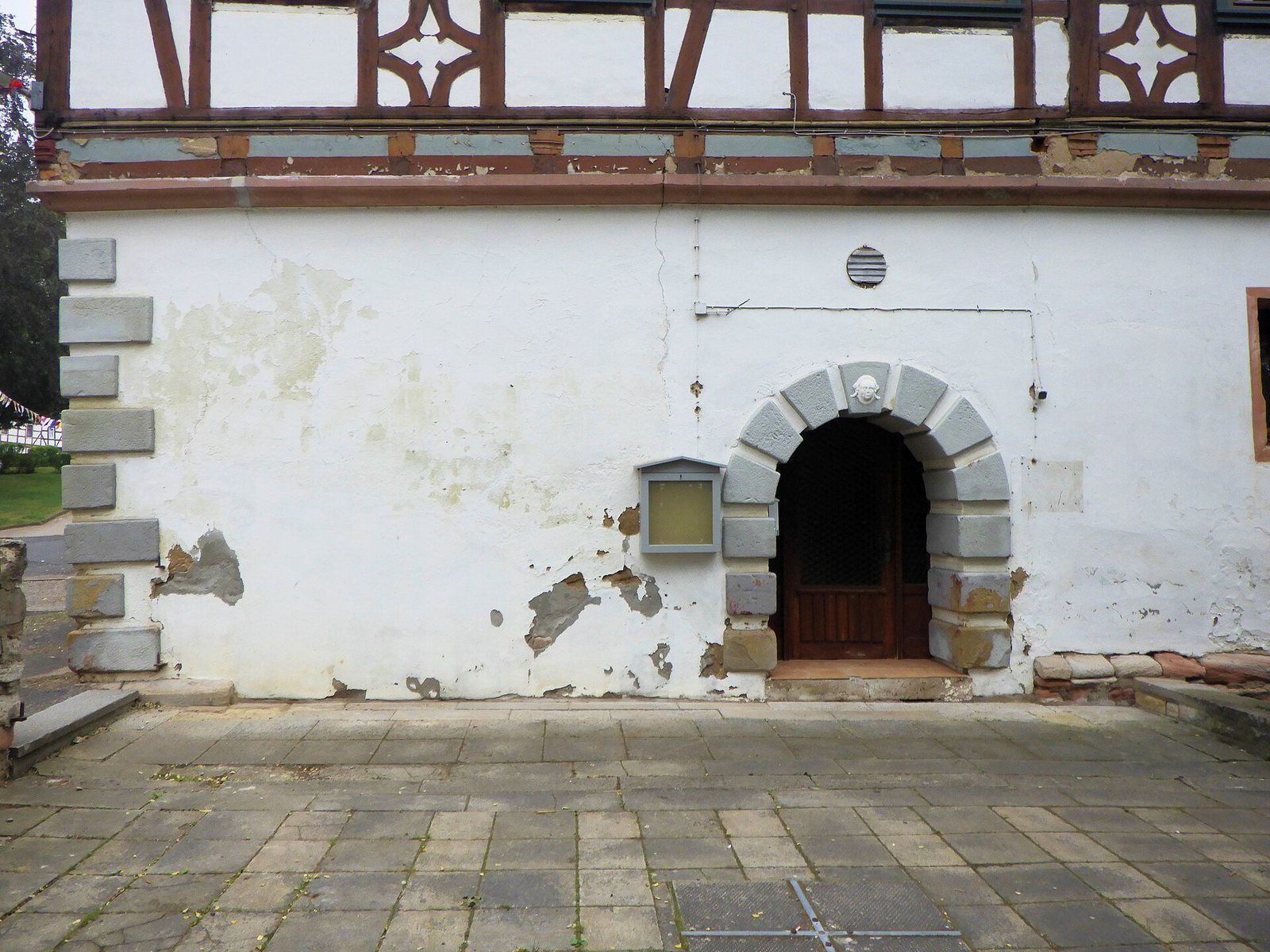
The partly preserved complex was built as four wings over massive lower storeys. Its main building occupies the east side, while the church forms the southern boundary; barns, stables, and other farm buildings once on the west and north sides have been replaced by modern buildings. Panels bearing family emblems, dating to the early seventeenth century, are set at the main building’s portals and commemorate members of the Oberellen branch of the Hansteins. South of the church stands the White Castle, a later residential building.