Village Church Drasdo: A Fifteenth-Century Gothic Church in Germany
Site at a Glance
- Popularity
- Very Low
- Country
- Germany
- Primary era
- Medieval
- Eras represented
- Medieval, Early Modern, Modern
- Civilizations
- Electorate of Saxony, German, Holy Roman Empire, Kingdom of Prussia
- Site type
- Religious
- Remains
- Church
On this page9 sections
History
Medieval origins and postwar rebuilding
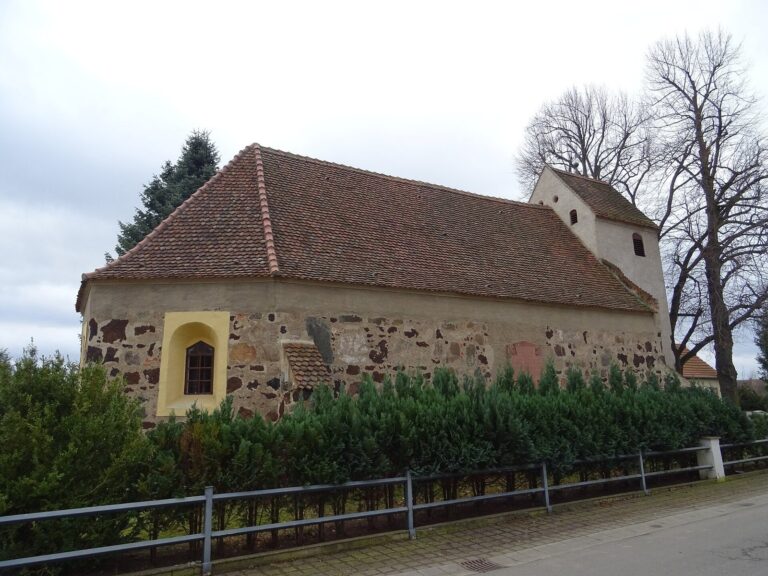
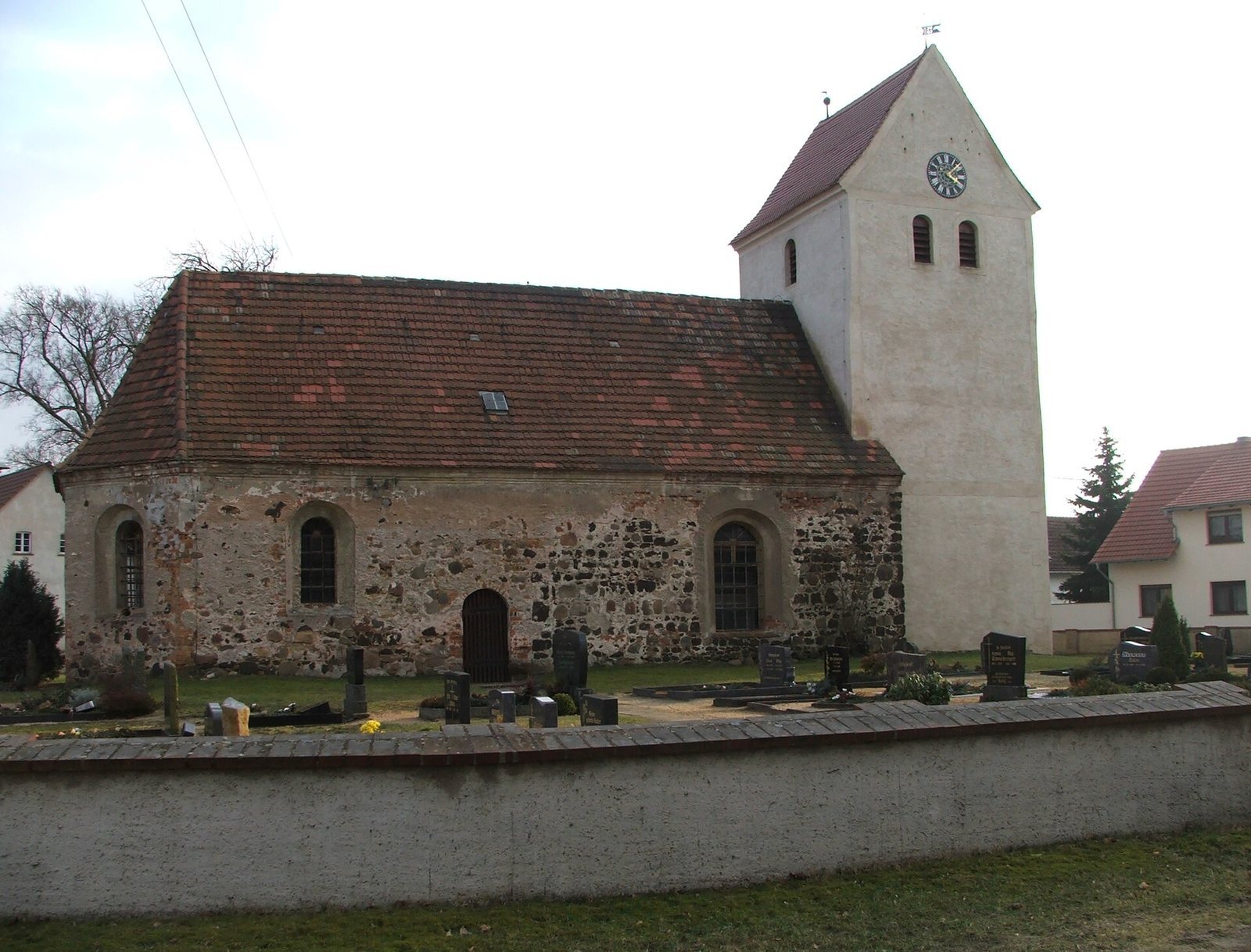
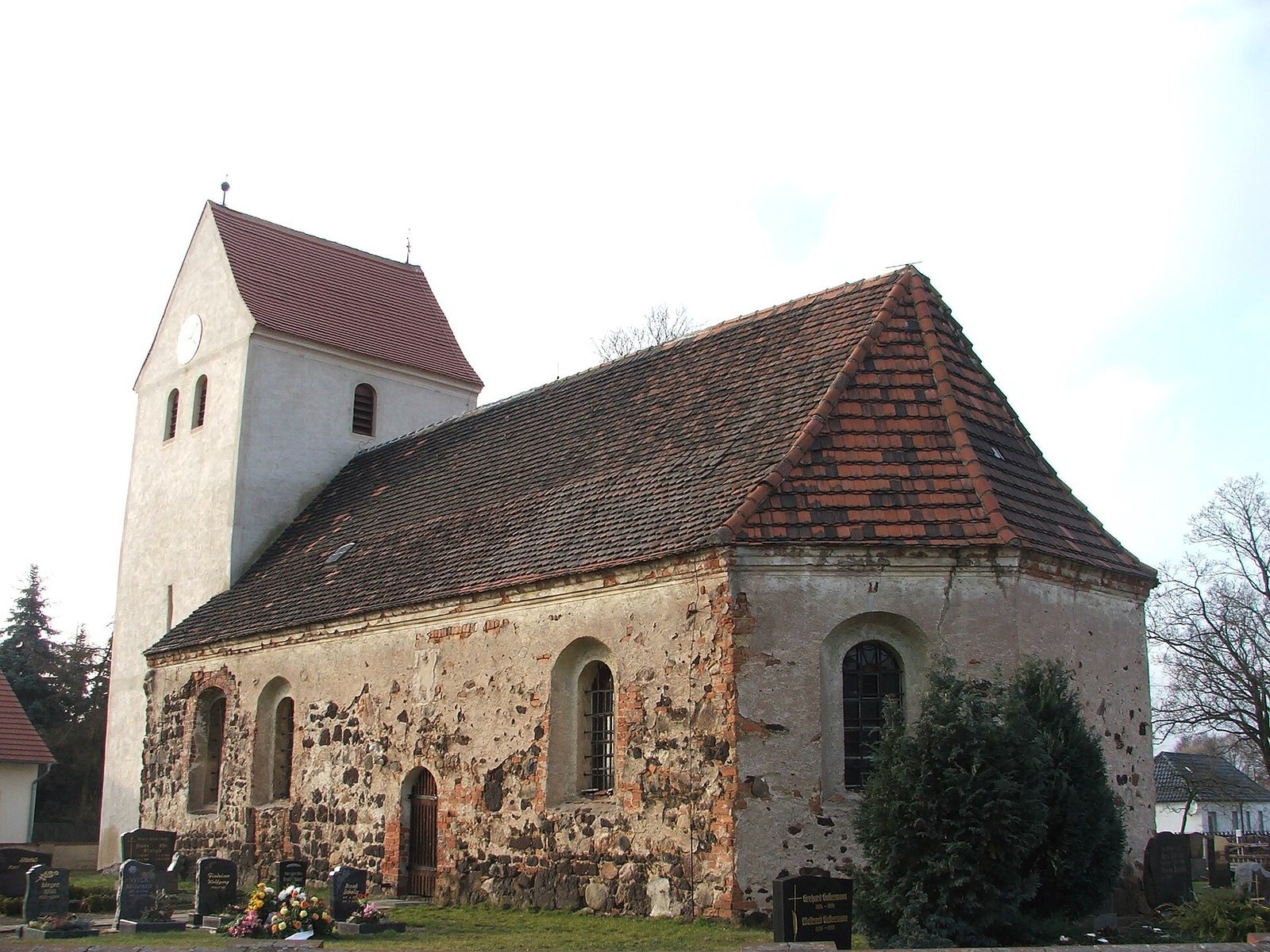
The Village Church Drasdo is a low Gothic, fifteenth-century church in Germany, with one main worship space and no side aisles. Worship took place here before the Reformation, the sixteenth-century movement that led to the formation of Protestant churches.
The church was badly damaged during the Thirty Years’ War, a major European conflict fought from 1618 to 1648. A broad renewal followed between 1662 and 1695, including larger window openings and new exterior plaster. An inscription above the south entrance, dated 1695, names master mason Christian Krengel of Kirchhain and carpenter Hanns Fratzen of Liebenwerda.
Parish and later restoration
Drasdo’s church is a branch church of Wiederau. It belongs to the Uebigau parish area, an administrative grouping of congregations, and the Bad Liebenwerda church district, which groups parishes within the Evangelical Church in Central Germany, a Protestant regional church body. The organ was restored from 1985 to 1987 by Mitteldeutscher Orgelbau A. Voigt of Bad Liebenwerda.
Remains
Setting and exterior
The church stands on Drasdo’s oval village green, enclosed by the village cemetery. Its low roofline rises only a little above nearby farm buildings. Irregular fieldstone walls, containing a high proportion of bog ironstone, form the fifteenth-century building. Three differently sized windows are unevenly spaced along the south wall, with one on the north side and three in the choir. At the west end, a tower with a separate entrance has a timber-framed upper storey clad in brick. Its beams bear the date 1695.
Interior and furnishings
Nave and galleries
A flat plaster ceiling covers the nave. Plain wooden doors on the north and south sides date to 1842. The north gallery projects slightly into the space and rests on round supports topped by bulbous capitals, or enlarged column tops. A second, slightly projecting gallery runs along the south side.
Altar and baptismal furnishings
The altar crucifix, made of gilded cast iron, dates to about the middle of the nineteenth century. A medieval church chest bound with iron also survives inside. The sandstone baptismal font was made in 1594. Its cylindrical foot has roll-and-strap decoration, while its six-sided bowl carries three inscriptions and three reliefs. A pewter baptismal dish from the same year bears the inscription 15 Hans Henick 94
.
Organ and bell
Carl Friedrich Wilhelm Loewe of Delitzsch built the organ in 1842. It has seven stops, each controlling a set of pipes, played through a manual operated by hand and a pedal operated by foot. The church also has a bronze bell cast in 1930 by Friedrich Schiller und Söhne of Apolda.