Fort Louis: A French Colonial Coastal Fort in Guadeloupe
Site at a Glance
- Popularity
- Low
- Country
- Guadeloupe
- Primary era
- Early Modern
- Eras represented
- Early Modern, Modern
- Civilizations
- French
- Site type
- Military
- Remains
- Fort
On this page8 sections
History
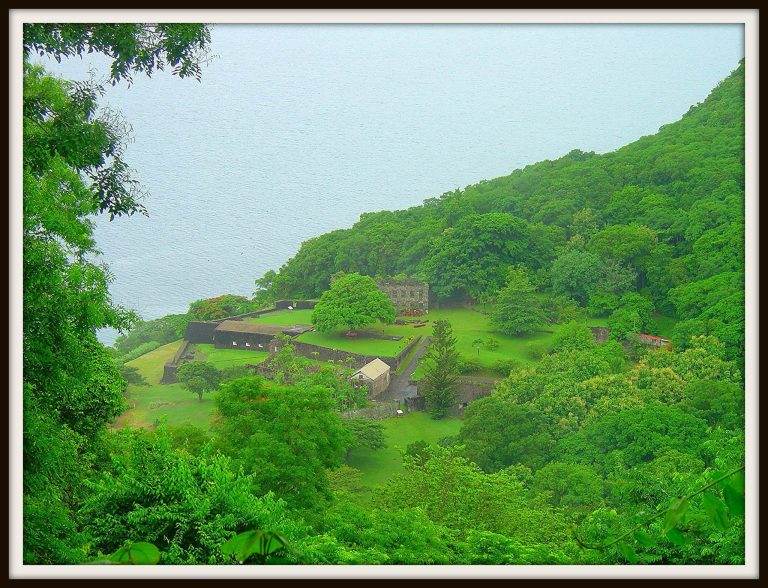
Fort Louis, also known as Fort L’Union, is a French colonial fort on Morne L’Union in Gosier, Guadeloupe. Construction began in 1692 to defend access to Petit Cul-de-sac marin, and the fort’s defenses later developed into a bastioned plan influenced by Vauban, the French military engineer.
Foundation and redesign
In 1686, Guadeloupe’s governor and the governor-general jointly decided to build the fort. Work began six years later. From 1734, engineers remodelled the defenses, but financial difficulties and hurricanes in 1738, 1740, and 1742 hindered further improvements.
Expansion and conflict
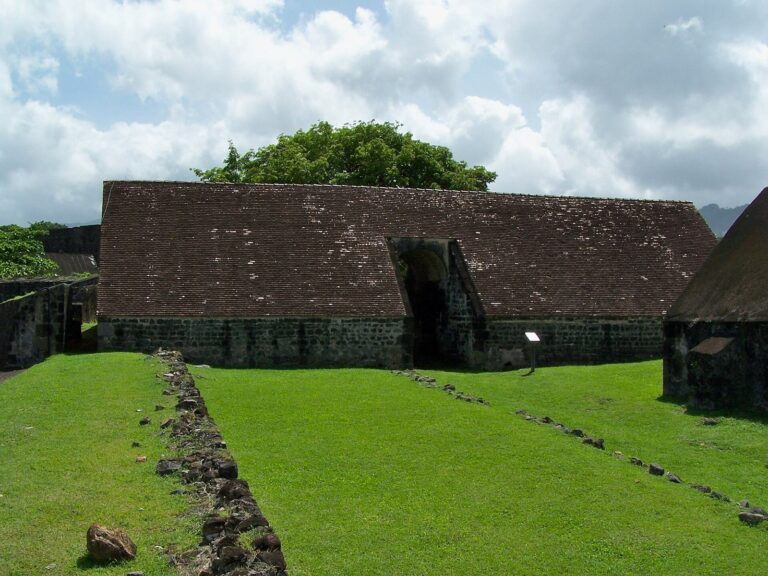
Between 1743 and 1758, the fort gained a barracks, a guardhouse, and a powder magazine. It fell to an English attack in 1759 during the Seven Years’ War, an international conflict fought from 1756 to 1763. France regained it under the Treaty of Paris in 1763, which ended the war and settled territorial disputes. The fort was then partly dismantled. French authorities planned two external batteries and small enclosed defensive works called redoubts. After the war, a new barracks, cistern, and bakery were added.
Abandonment and heritage protection
Fort Louis was eventually abandoned in favor of Fort Fleur d’Épée, 4.5 km to the east in Gosier, which offered better defense of the bay. Twentieth-century proposals to restore Fort Louis were set aside because of their cost. The fort was listed as a historic monument in 1992 and classified in 1997, a form of legal heritage protection in France.
Remains
Plan and buildings
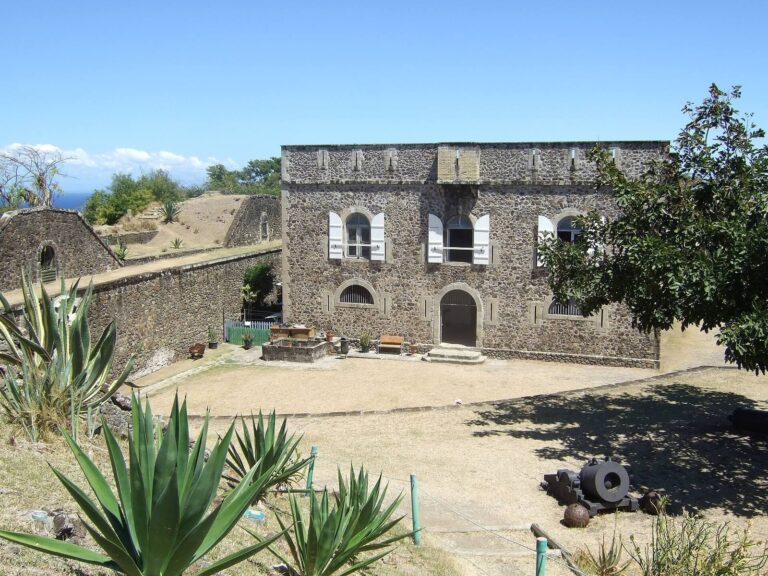
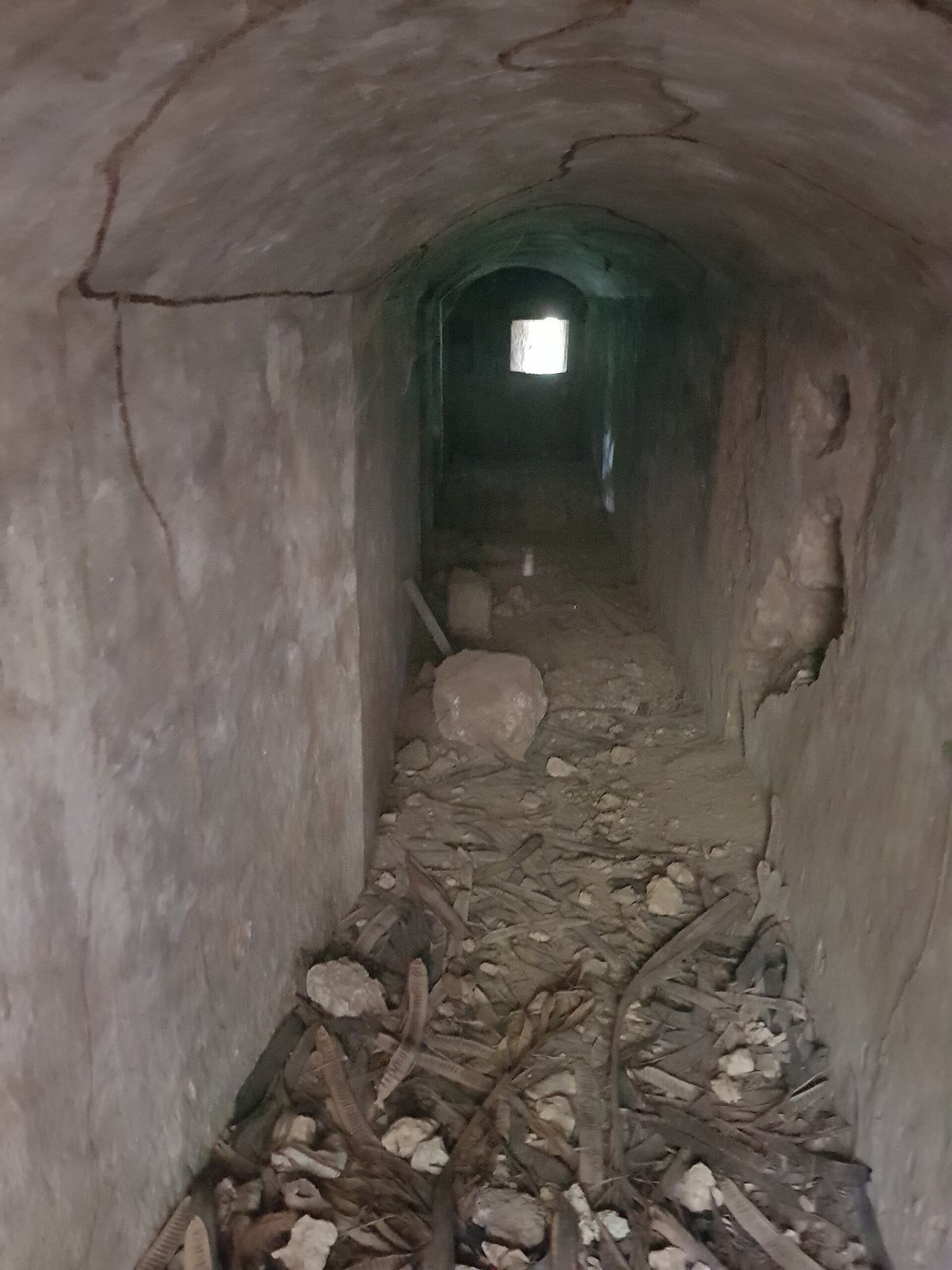
The fort developed from an enclosure of two rows of wooden stakes, with earth packed between them, into a masonry work with a star-shaped plan. Its bastions, projecting defensive platforms, formed part of a design influenced by Vauban’s principles. The rampart’s scarp, the face directed toward the ditch, was rebuilt in masonry. Inside stood barracks, storehouses, a powder magazine, and a guardhouse; later additions included another barracks, a cistern, and a bakery.
Surviving fortifications
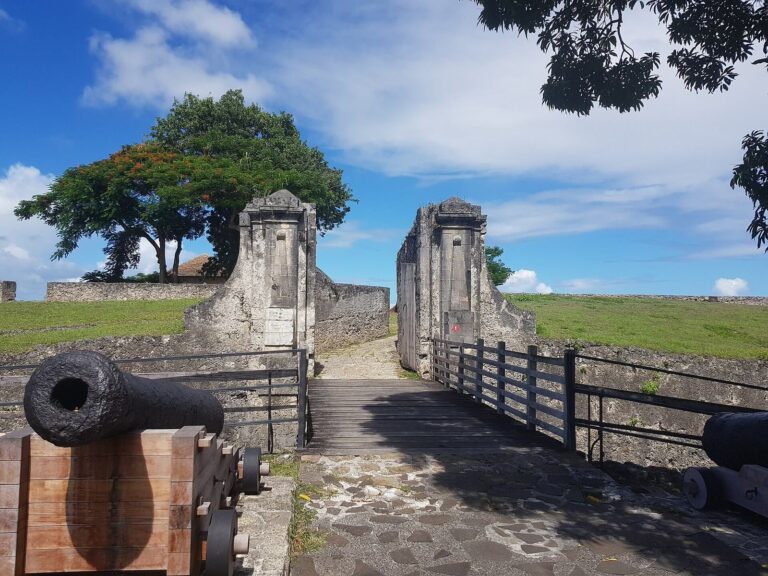
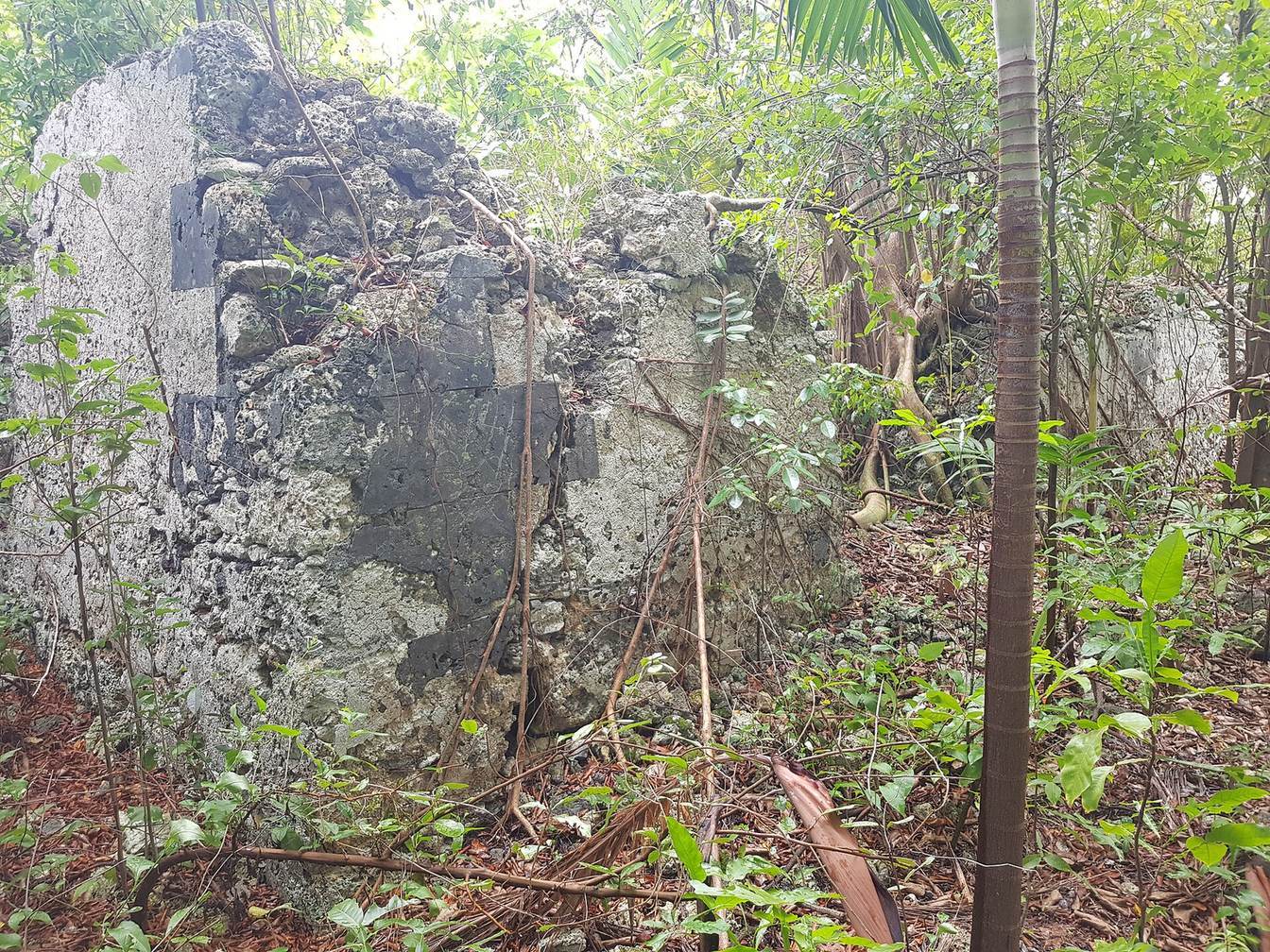
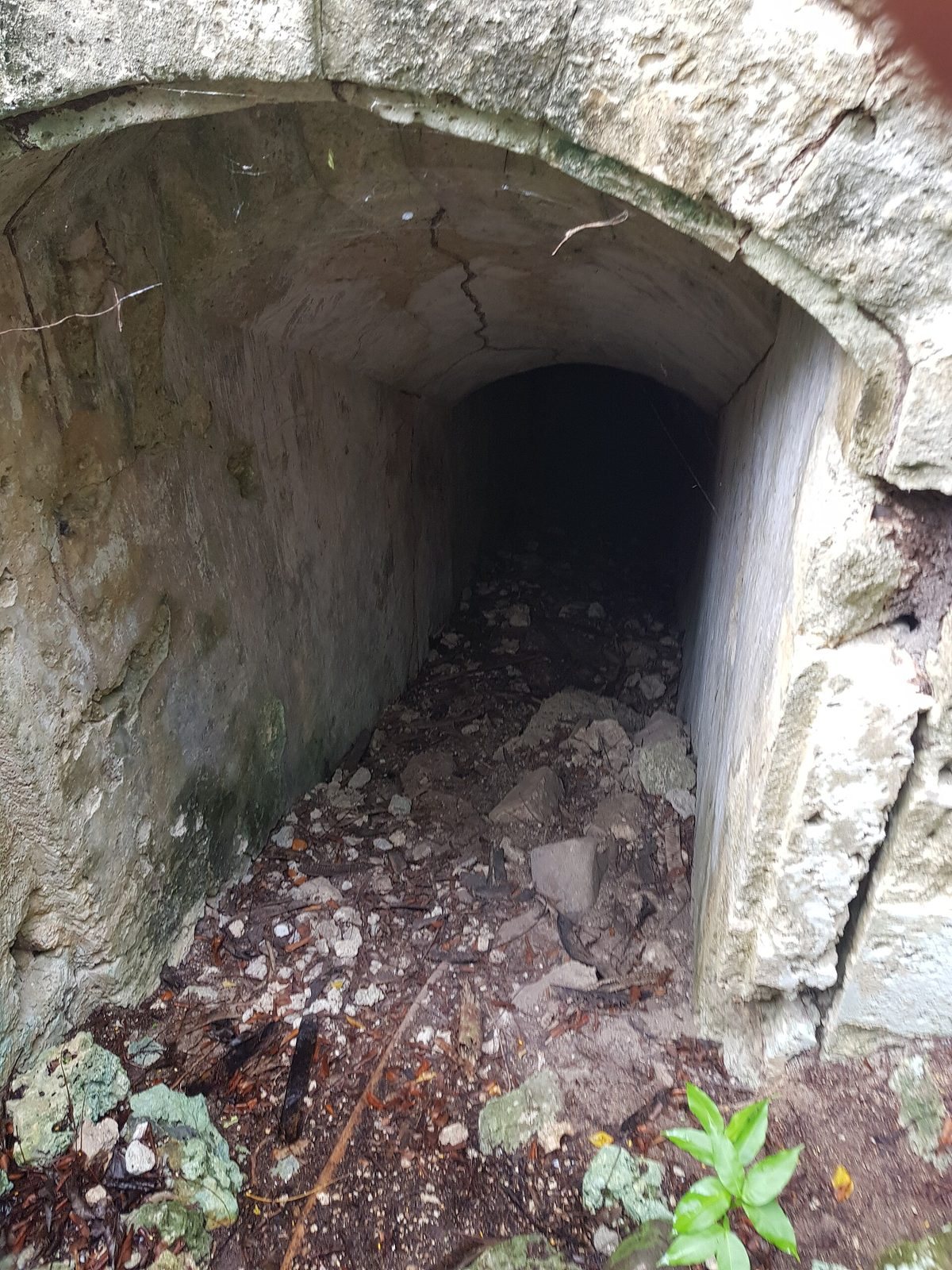
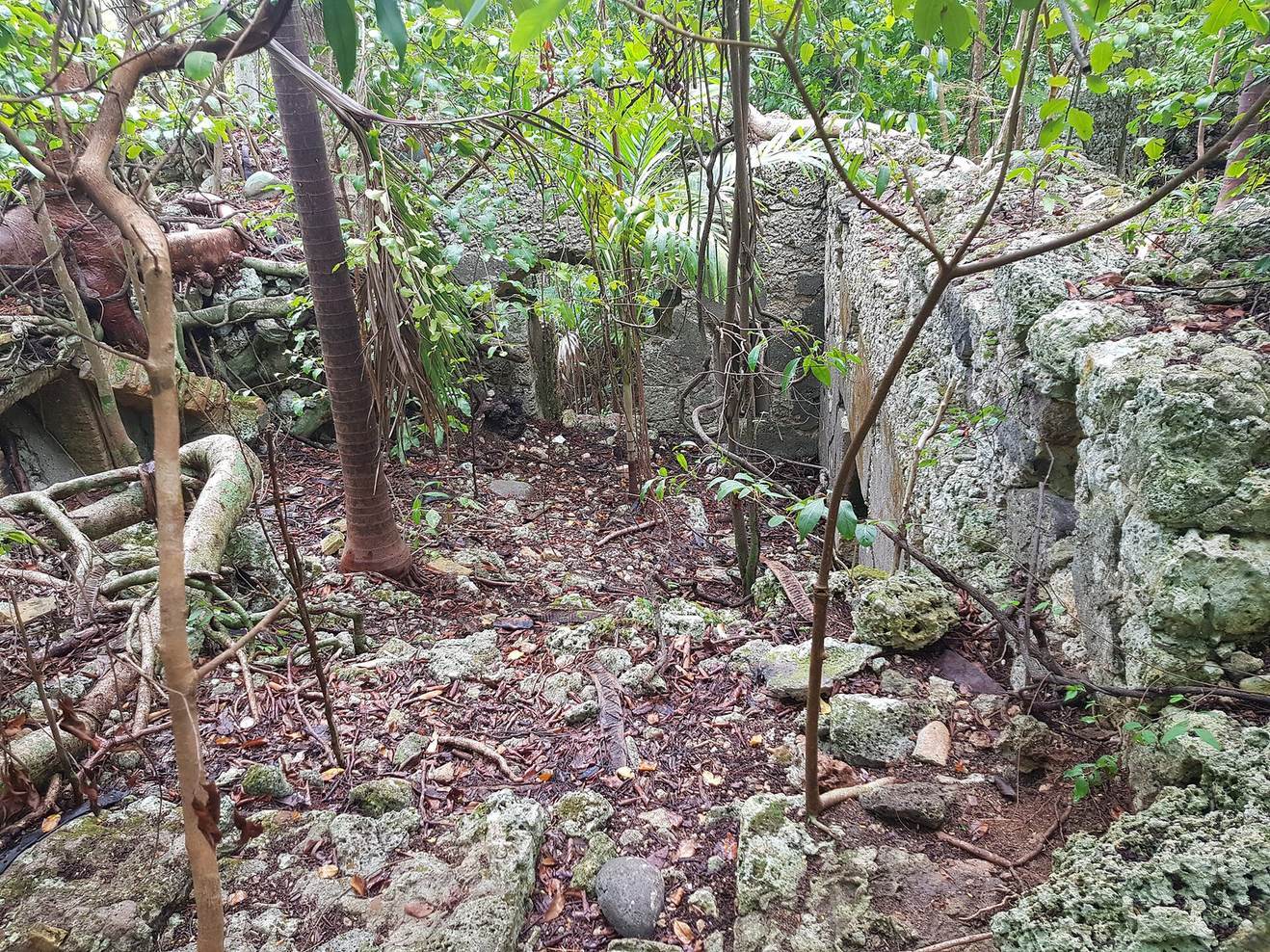
Parts of the south flank and bastioned scarp wall remain, along with a section of the entrance. A half-moon outwork, a crescent-shaped defensive work, stands in front of the entrance.
Nineteenth-century battery
Between 1865 and 1870, a battery armed with 12 guns was installed 1,100 m east of Îlet à Cochons. Its surviving inner defensive work is a crenellated guardhouse, meaning it has notched openings for defense. The structure is identified as No. 1, Model 1846.