Bijača Necropolis: A Medieval Burial Ground in Bosnia and Herzegovina
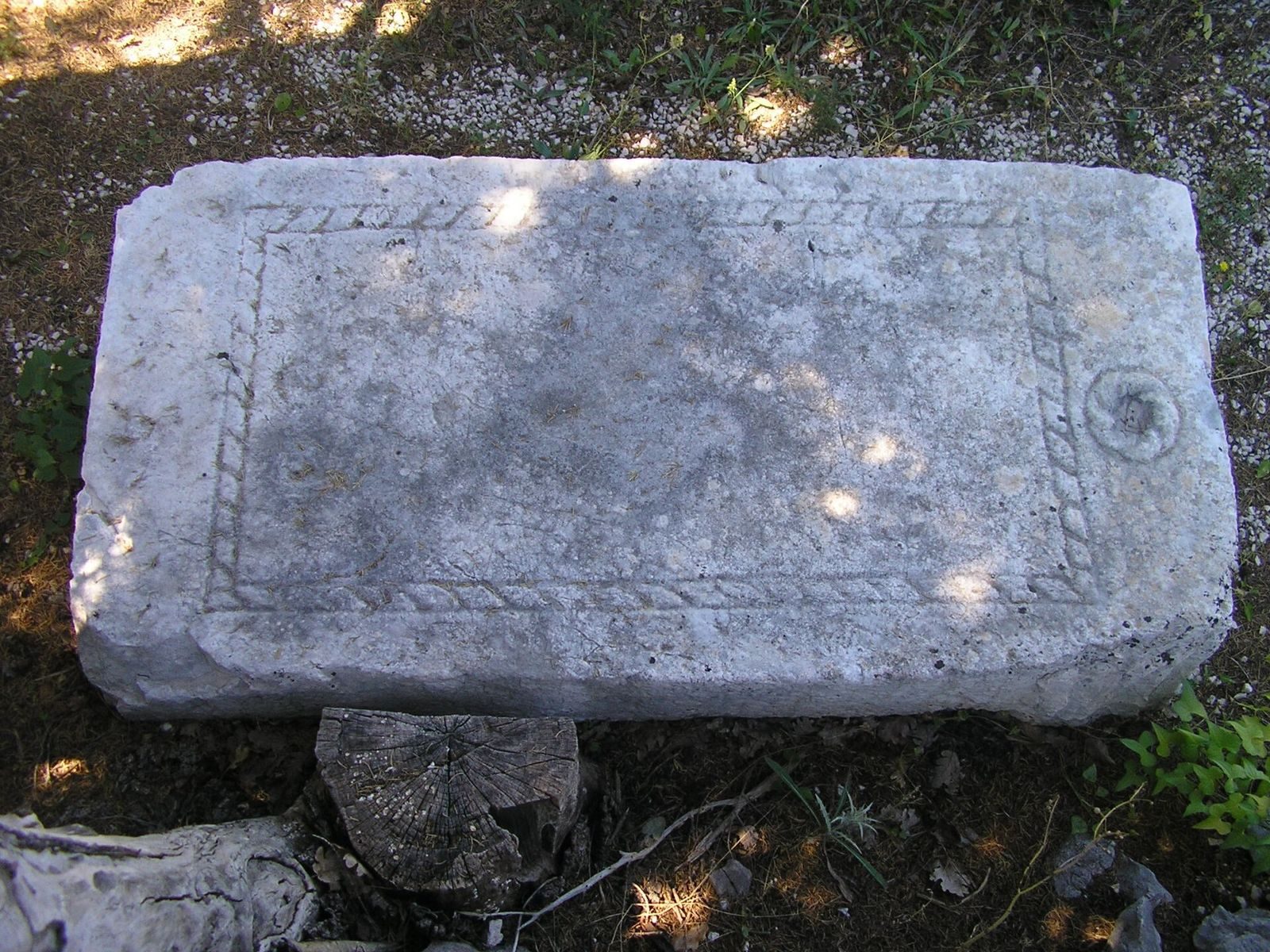
Site at a Glance
- Popularity
- Very Low
- Country
- Bosnia and Herzegovina
- Primary era
- Medieval
- Eras represented
- Medieval
- Civilizations
- Unclassified
- Site type
- Burial
- Remains
- Necropolis
On this page8 sections
History
Medieval cemetery
The Bijača necropolis is a medieval burial ground near Bijača and Donja Bijača in Bosnia and Herzegovina, about seven kilometres south of Ljubuški in a straight line. Its stećci, monumental medieval tombstones characteristic of the western Balkans, mostly date to the fourteenth and fifteenth centuries. Some may be considerably older, perhaps dating as early as the twelfth century.
The tombstones are attributed to the Rupčić princes, members of a medieval noble family whose title indicated regional rank rather than necessarily sovereign rule. Several stone-carving workshops worked in the area. The workshop responsible for monuments at the Gračine necropolises in Bijača, Zvirići, and Pržine was distinct from the one that made monuments at Gornji Studenci.
Modern changes and protection
The cemetery once held more tombstones from the fourteenth and fifteenth centuries. Some were incorporated into a nearby road built in 1931, while one is now in the archaeological collection of the Franciscan monastery at Humac.
After a period of neglect, work began in 2010 under the Ljubuški branch of Matica hrvatska, a Croatian cultural society. The effort included marking the necropolis and improving roadside access. Cleaning, improvement, restoration, and conservation followed in 2013. On October 26, 2010, the Commission to Preserve National Monuments of Bosnia and Herzegovina, the state body responsible for identifying and protecting national monuments, designated the site a national monument and added it to the country’s endangered-monuments list. Its proximity to the road remains a reason for concern. In 2016, the necropolis became part of a UNESCO World Heritage property comprising 28 medieval necropolises in Bosnia and Herzegovina, Croatia, Montenegro, and Serbia.
Remains
Cemetery layout and inventory
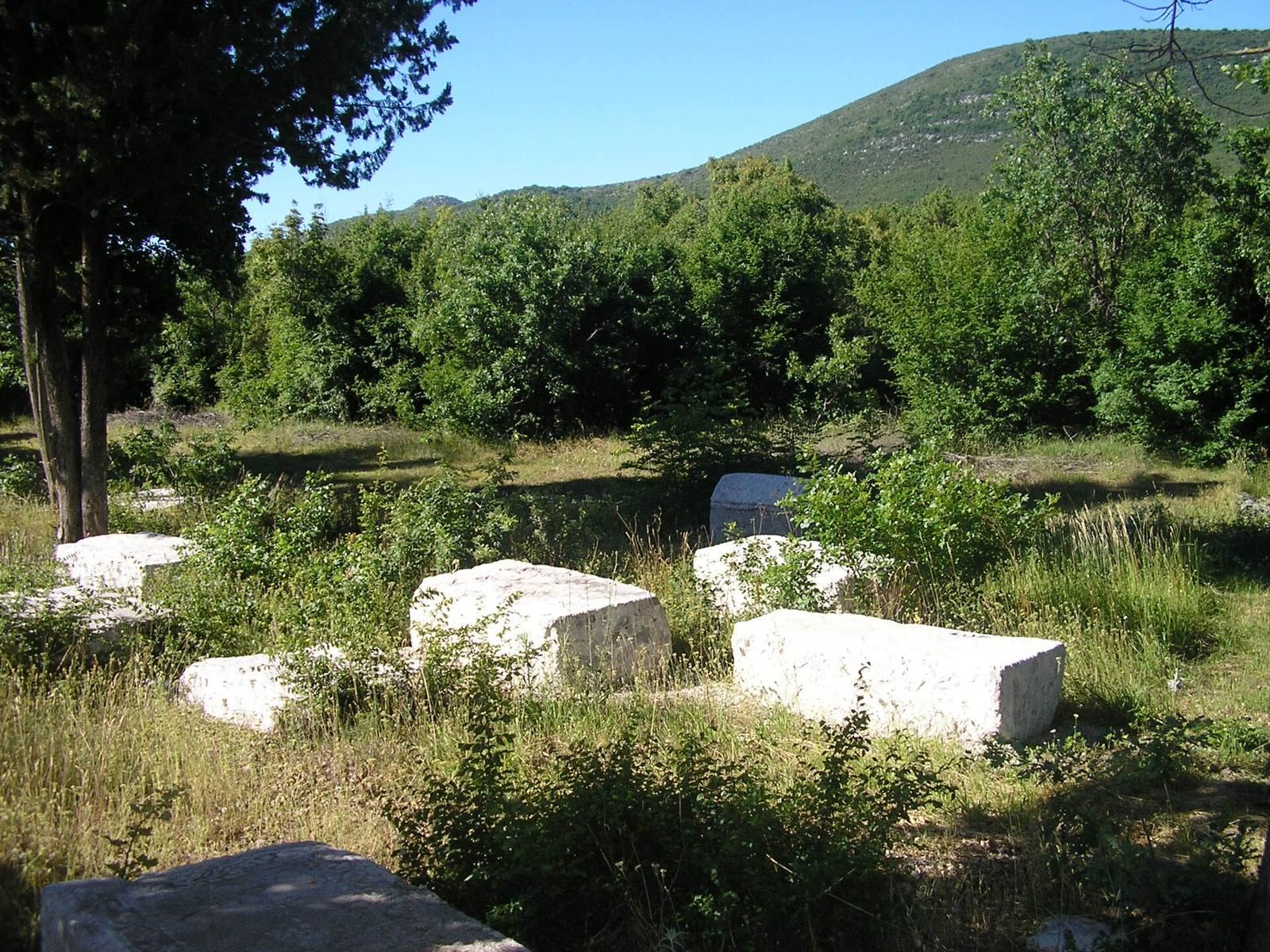
The cemetery’s tombstones are aligned northwest to southeast. It contains about three dozen stones; a detailed count lists 34, comprising 19 chest-shaped monuments, 14 slabs, and one with a pitched, roof-like top. Seventeen are decorated. The monuments are described as carefully worked and well preserved.
Carved tombstones
Decorative motifs
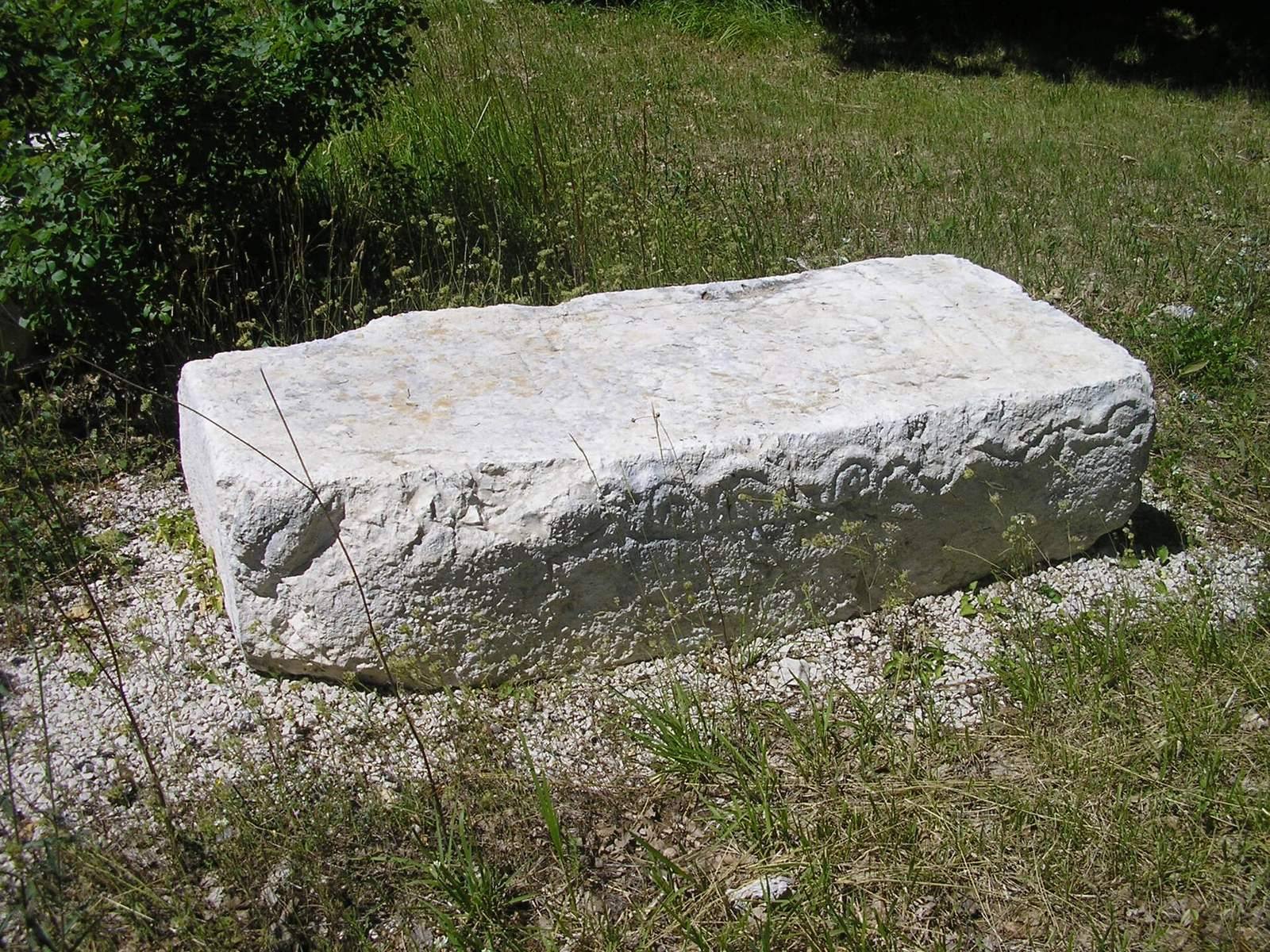
Common carvings include curling vine tendrils with trefoils, crosses, and shields bearing swords. Other designs include bands, arcades, individual human figures, circle dances, and hunting scenes. The carved work gives the necropolis notable artistic value.
Gabled monument 16
Monument 16 is a tall, gabled tombstone set on a base and measuring 115 × 90 × 105 cm. Its pitched top is undecorated, with a twisted band running around the stone just below it. On one short side, a shield bears a sword whose hilt is held by a helmeted warrior. A branch with a trefoil appears on the shield’s lower part, and a small cross sits above its arcaded ornament.
One long side depicts a mounted hunter with a long spear pursuing a running deer; a dog runs ahead of the deer on the opposite side. The other long side shows four women holding hands in a circle dance. The two outer figures each rest one hand on a hip, and all four are carved in relief. On the remaining short side, an anchor and a crescent lie between two five-petalled rosettes.