Poncetsches Herrenhaus: A Vineyard Residence in Dresden-Loschwitz
Site at a Glance
- Popularity
- Very Low
- Country
- Germany
- Primary era
- Early Modern
- Eras represented
- Early Modern, Modern
- Civilizations
- Electorate of Saxony, Holy Roman Empire, Kingdom of Saxony
- Site type
- Domestic
- Remains
- Elite Residence
On this page6 sections
History
From vineyard property to Poncet residence
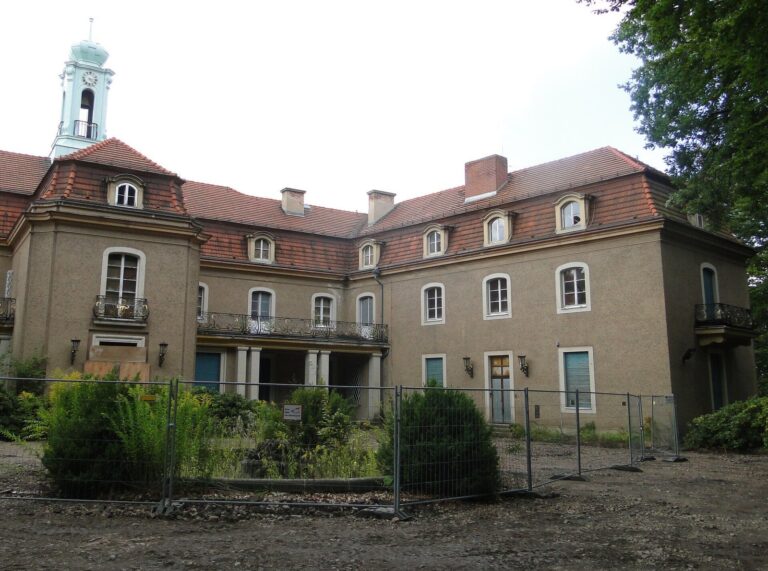
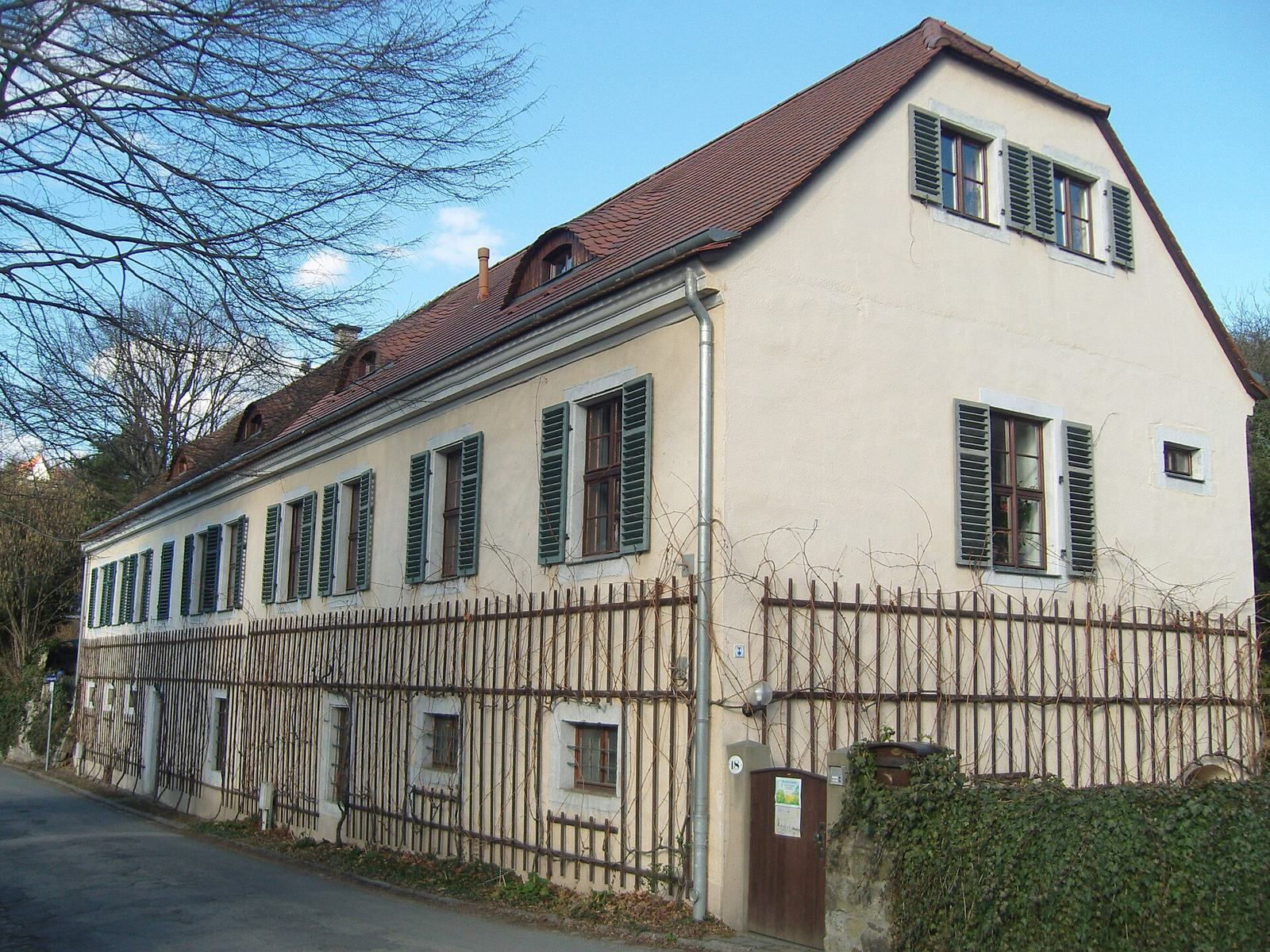
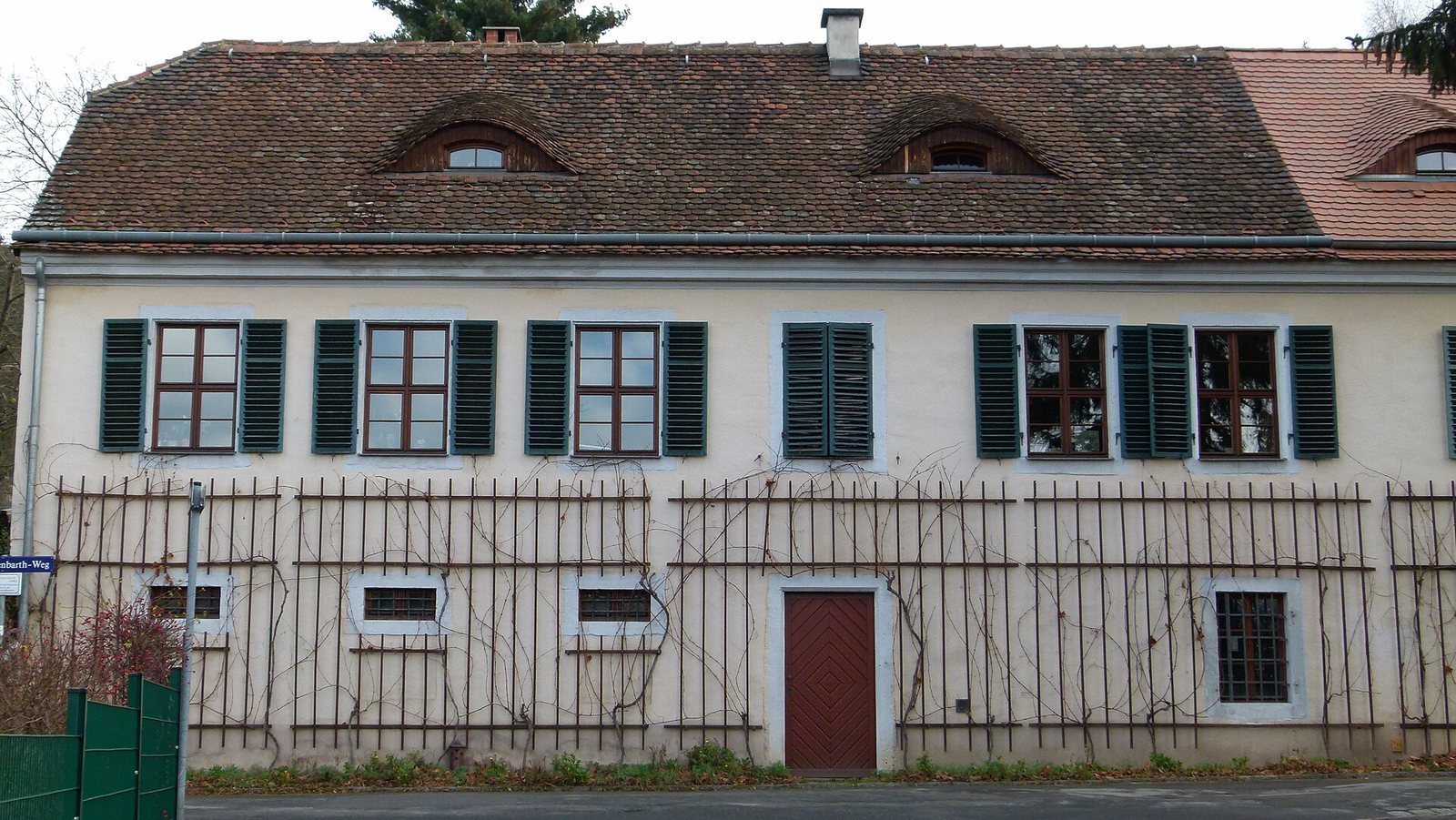
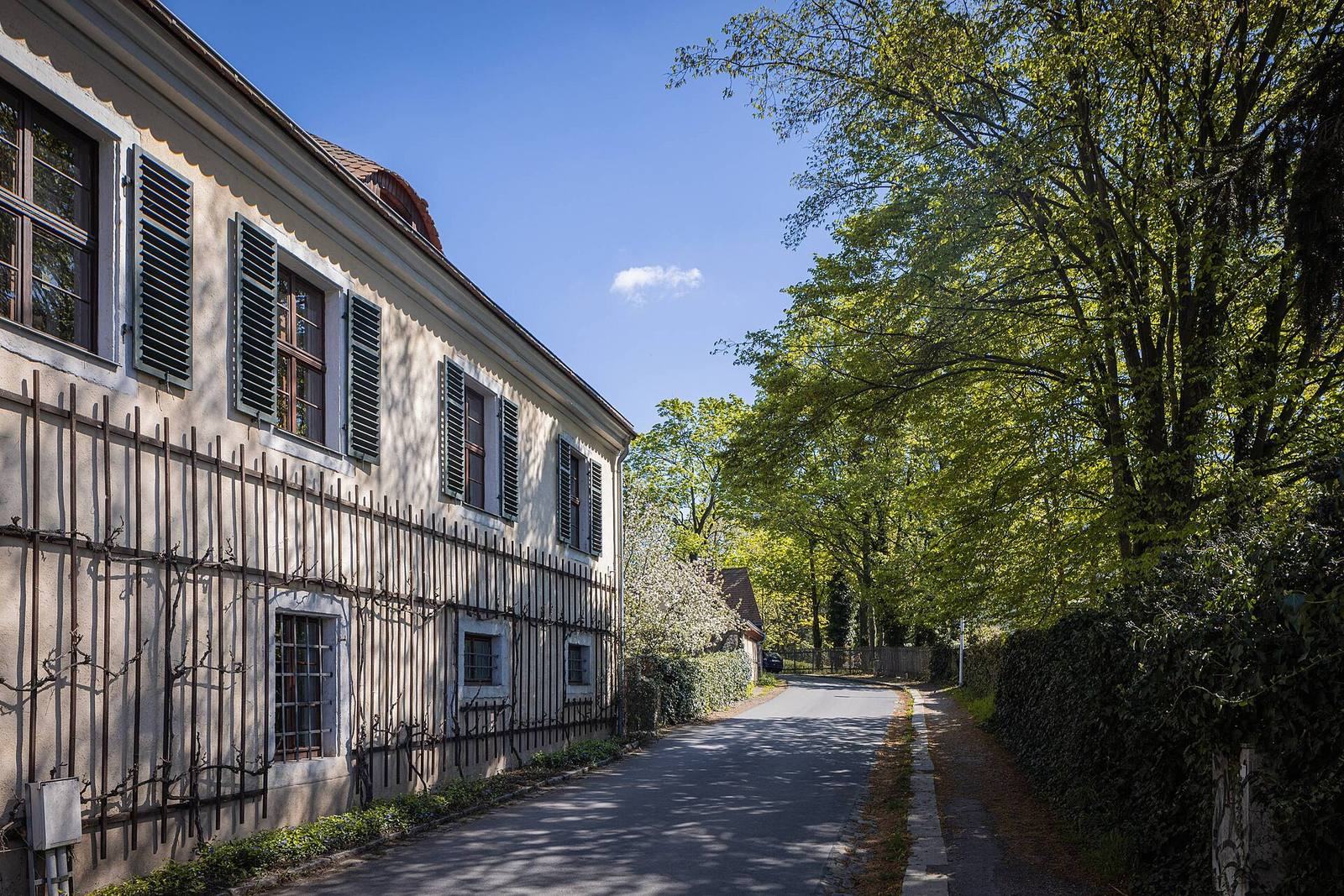
Poncetsches Herrenhaus is a former vineyard residence and winery ensemble in Loschwitz, Dresden, Germany. The property was acquired in 1626 by Matthias Hoe von Hoenegg, chief court preacher, and later passed through the hands of Catharina Margaretha von Carlowitz, Maria Sophia von Starschedel, and other owners.
In 1755, Sophie Charlotte Poncet, née Kauderbach, acquired the property and its vineyard. Her husband, Jean François Poncet, had a house built there, and the family retained the estate until 1831. Poncet had come to Dresden around 1735 and, from 1739, served August III, King of Poland and Elector of Saxony, as court clockmaker. He later became a Privy Councillor, a senior adviser to a ruler or government, and director of the Green Vault, Dresden’s collection of treasures and decorative arts. He was ennobled in 1782, and the Herrenhaus takes its name from him. Their daughters, Fritze and Lore, lived in the house until their deaths.
Tradition places a meeting at the house between 1770 and 1772 involving Karl Heinrich von Heyking, a diplomat from Courland, and Genowefa Brzostowska, a Polish diplomat.
Later owners and changes
Later owners included Consul Gottwald Hesse, Carl August Reichel, who acquired the property in 1852, and Gustav Moritz Calberla. Reichel, a physician and art collector, altered and extended the house. The separate Beger garden house was rented to summer guests.
Municipal ownership and the twentieth century
The property passed to the municipality of Loschwitz in 1919 and to the city of Dresden in 1921. The sculptor Max Körbach lived there from 1906 until his death in 1947. Bombing in February 1945 destroyed the Beger garden house, which was demolished soon afterward.
The former winery is protected as a historic monument. Its near-original preservation and local historical importance are associated with its status as one of the few vineyard complexes from the seventeenth and eighteenth centuries in the Elbe landscape. Privately owned since 1996, the house was renovated in keeping with heritage-preservation requirements and is now used as a residence and holiday home.
Remains
The former winery ensemble
The ensemble comprises the residence, a side building, an enclosing wall, and part of the former vineyard. The residence was built as a vineyard house. Together, these surviving elements form the physical remains of the former winery property.