The Priest House: A Fifteenth-Century Estate Office in West Hoathly
Site at a Glance
- Popularity
- Medium
- Country
- United Kingdom
- Primary era
- Medieval
- Eras represented
- Medieval, Early Modern
- Civilizations
- English
- Site type
- Domestic
- Remains
- Manor House
On this page11 sections
History
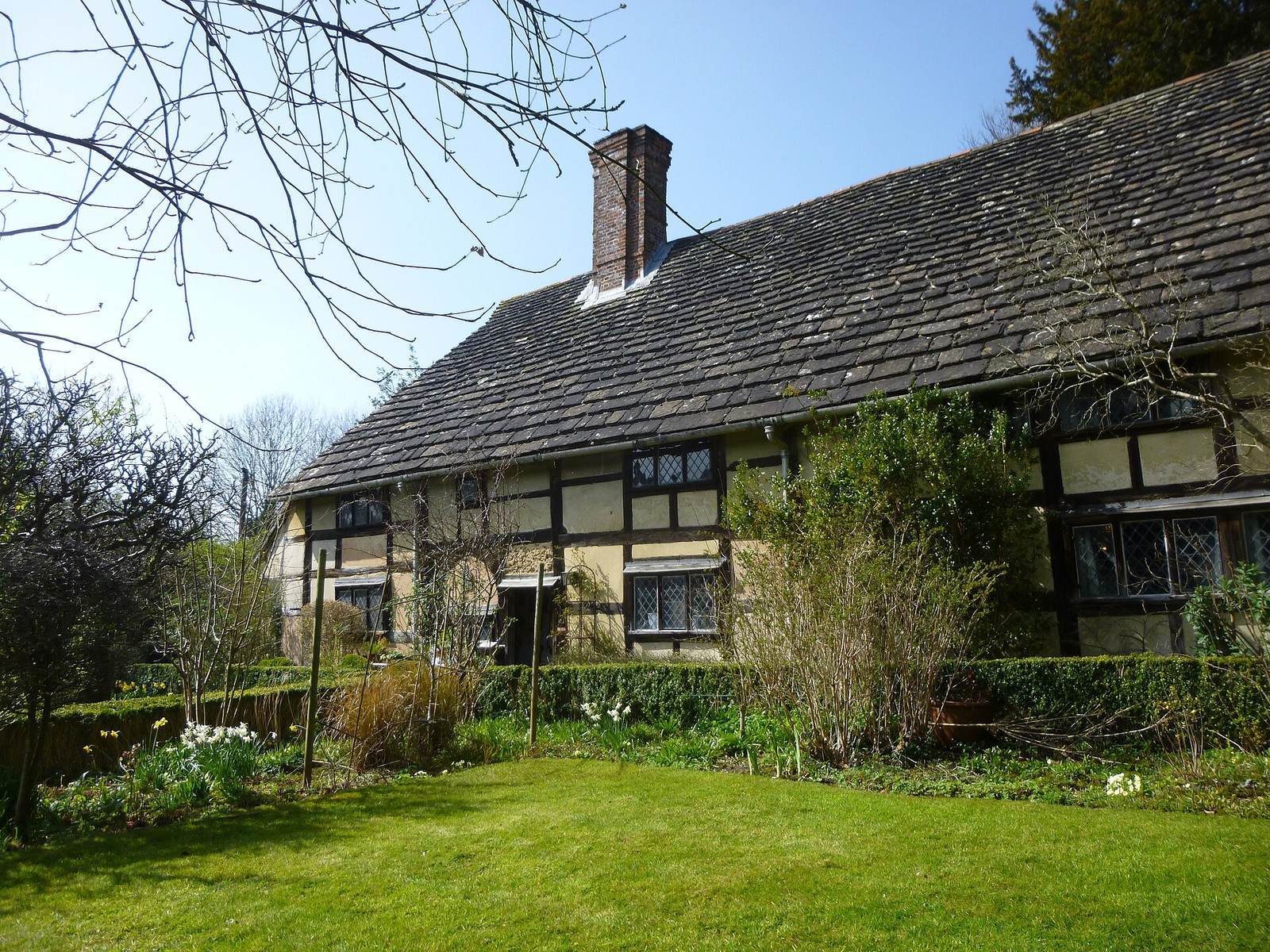
The Priest House is a fifteenth-century timber-framed house in West Hoathly, England. It was built for the Priory of St Pancras in Lewes, a religious community governed by a prior, and served as an office for managing the priory’s land around the village.
Priory origins and royal seizure
After Henry VIII’s dissolution of the monasteries, the Crown seized the property. It later belonged to Anne of Cleves, royal minister Thomas Cromwell, and queens Mary I and Elizabeth I.
In 1560, the house passed into private ownership. The Browne family, yeoman farmers, held it until 1695. For roughly the next two centuries, absentee landlords owned the property, and it fell into disrepair.
Restoration and museum
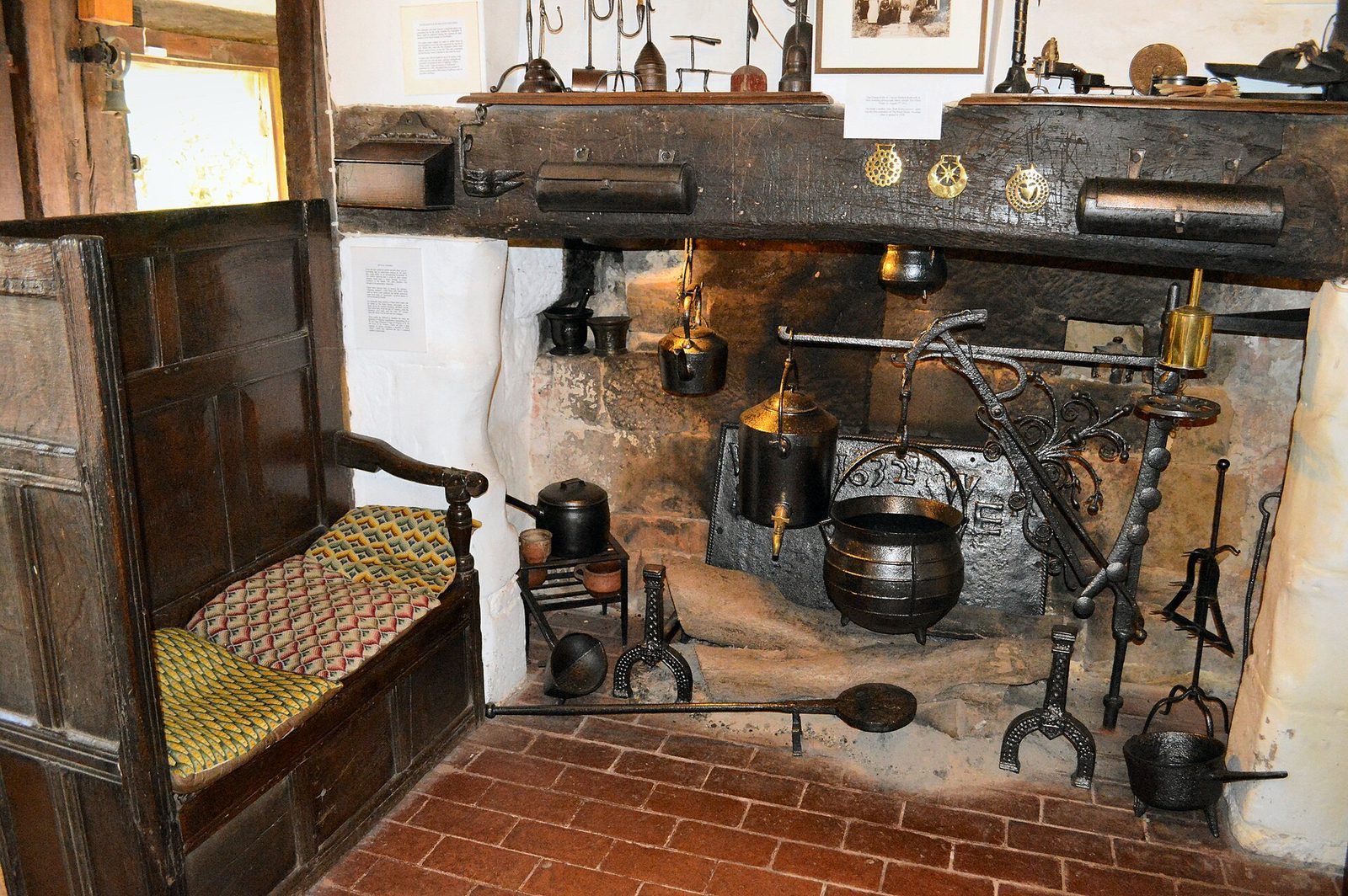
John Godwin King bought the house in 1908 and commissioned its restoration by Maurice Pocock. In 1935, King presented it to the Sussex Archaeological Society, a learned society concerned with the history and archaeology of Sussex. The house now operates as a museum of local life, displaying country furniture, ironwork and local-history material, as well as temporary exhibitions. It was listed at Grade II* on 28 October 1957, an English category for particularly important buildings of more than special interest.
Remains
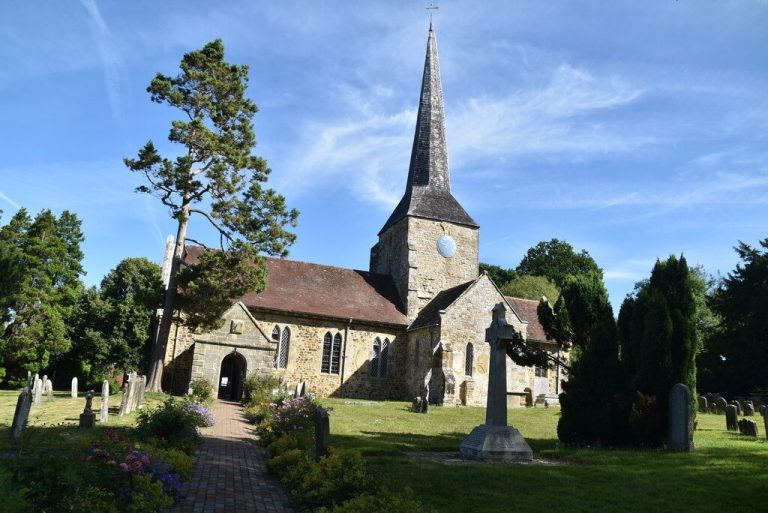
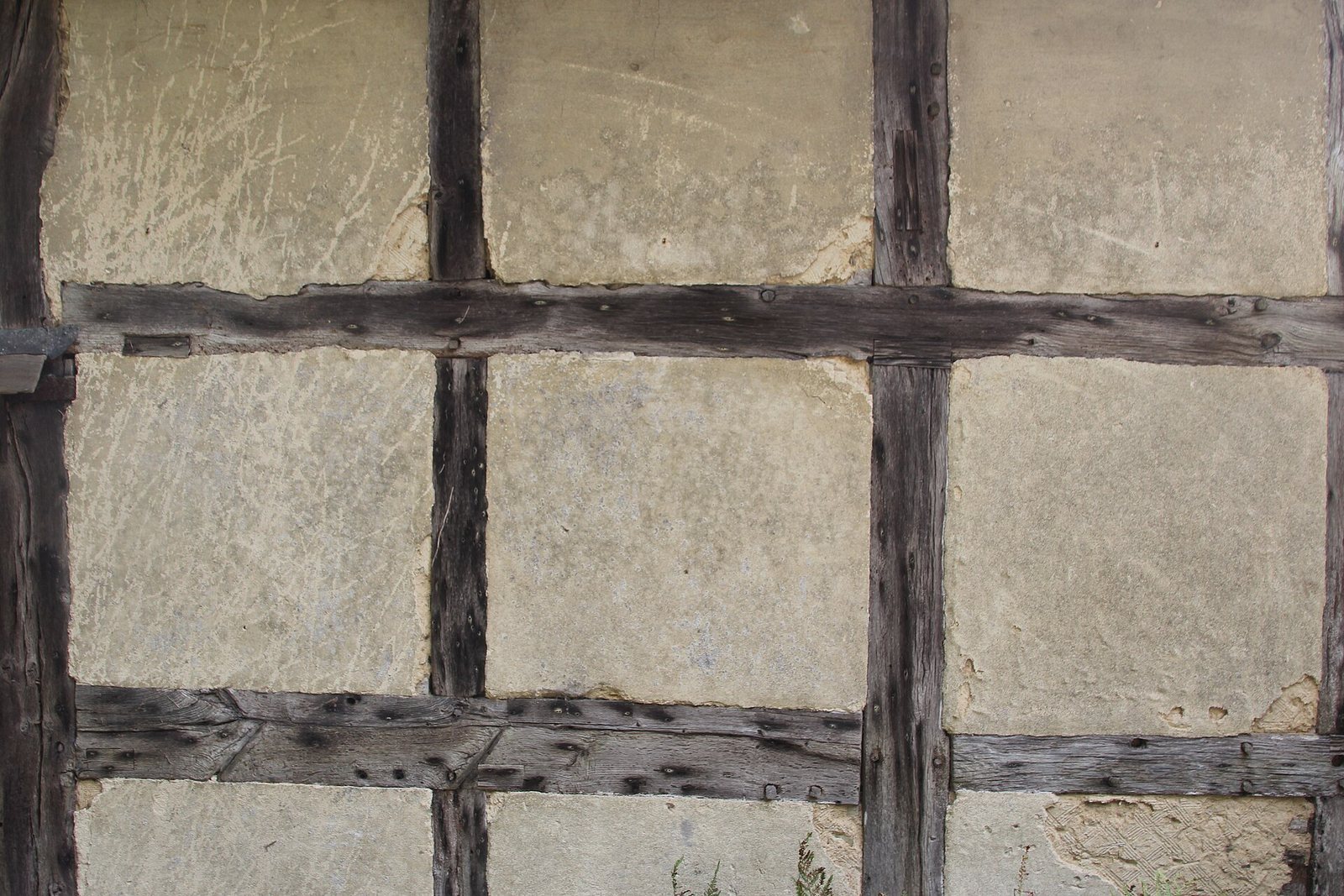
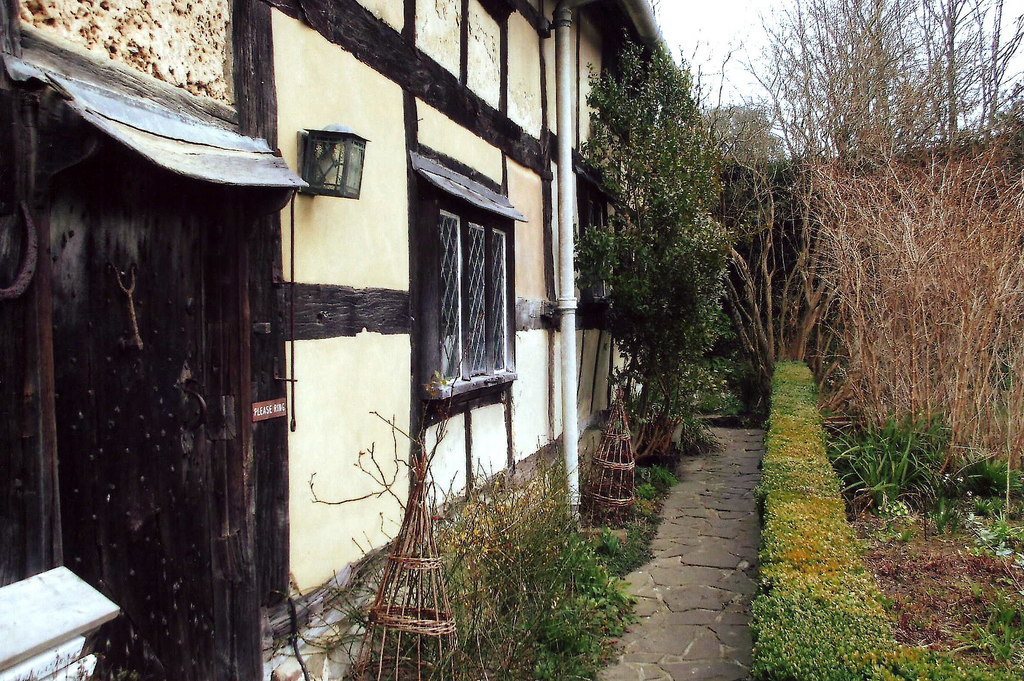
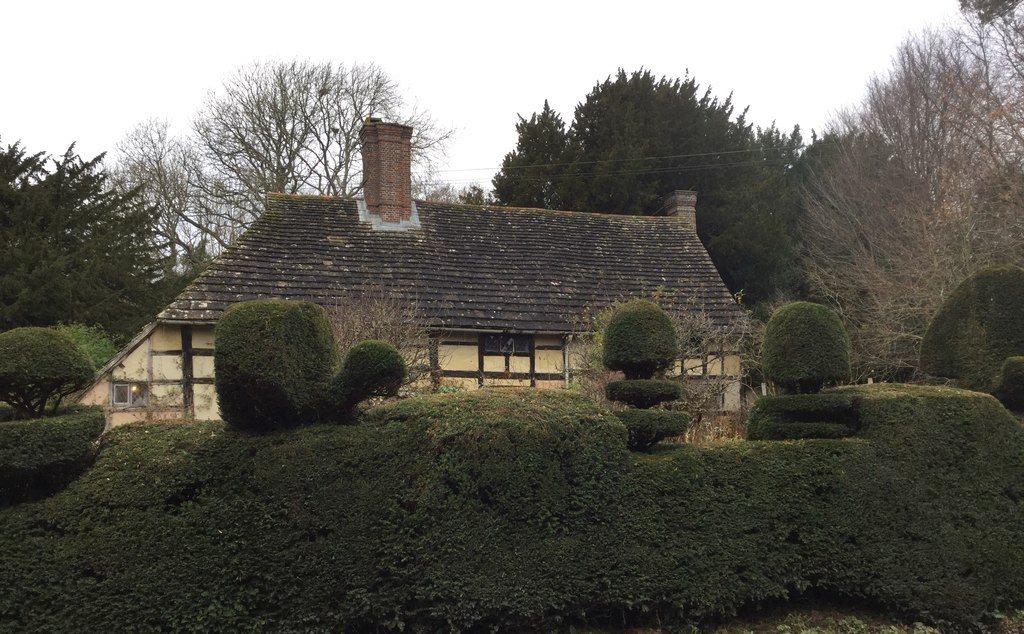
At the centre of West Hoathly, near The Cat Inn and St Margaret’s Church, the house is an oak-framed building with wattle-and-daub wall infill. Its surviving fabric reflects both its original hall-house arrangement, organized around a central hall, and later changes to the interior and roof.
House and grounds
Original plan
The original five-bay house was divided by function. A private room called a solar occupied the two northern bays, while the central two formed the hall. The southern bay was the service end, with a buttery for drink and related provisions and a pantry for food. A central hearth warmed the hall, which was probably thatched and lit by a large unglazed window. Rushes and sweet-smelling herbs covered its earthen floor. Oak pegs join the frame, and exposed wattle-and-daub panels can be seen in the south bedroom.
Roof frame
Three original roof frames remain beneath an unbroken ridge. The roof uses crown posts, upright supports rising from tie beams to carry a collar purlin, the horizontal beam supporting the roof structure. Paired rafters are cut together at their upper ends and linked by horizontal collars; curved braces help steady the frame. The middle frame over the hall had arched braces below its tie beam, one of which survives. The next frame to the north closes the end of the hall bays and has a visible king post, an upright roof member rising from the tie beam.
Later alterations
Around 1580, builders inserted a central chimney, added an upper floor across the two central bays and replaced the earlier roof with Horsham slab stone. The stone roof weighs approximately 16 tons. At the southern end, a sloping catslide roof, which continues down over a lower part of the building, is also covered in Horsham slab. Local-stone fireplaces have recessed hearths with curved sides, where knife-sharpening marks can be seen. The original pointed doorway was blocked, and a replacement was made in the adjacent wall.
Protective marks
Scratched protective signs, commonly called witch marks, appear on wooden parts of the house, including the front door and the beam above the main fireplace. They are thought to date from the seventeenth century and were intended to keep witches out. A rough iron slab, waste from a local furnace, is set into the ground outside the front door. It too was regarded as protection, reflecting the belief that witches feared iron.
Herb garden
The cottage garden has large herbaceous borders containing more than 170 herbs and perennial plants.
Suffragette handkerchief
A handkerchief displayed on the first floor carries 66 embroidered signatures and two sets of initials. Most are associated with women imprisoned at Holloway Prison after taking part in the Women’s Social and Political Union’s window-smashing demonstrations in March 1912. The organization campaigned for women’s suffrage. Dora Arnold, the house’s custodian in the 1960s, found the handkerchief at a local jumble sale, but its connection to West Hoathly is uncertain. John Godwin King’s daughter Ursula belonged to the National Union of Women’s Suffrage Societies, another British organization campaigning for women’s suffrage.