Ed Church: A Medieval Parish Church in Upplands Väsby
Site at a Glance
- Popularity
- Low
- Country
- Sweden
- Primary era
- Medieval
- Eras represented
- Medieval, Early Modern, Modern
- Civilizations
- Swedish
- Site type
- Religious
- Remains
- Church
On this page11 sections
History
Medieval origins and parish use
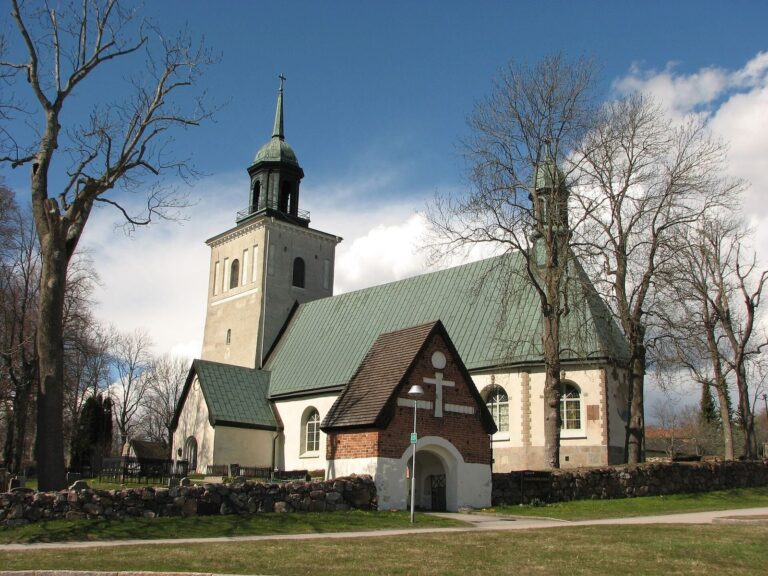
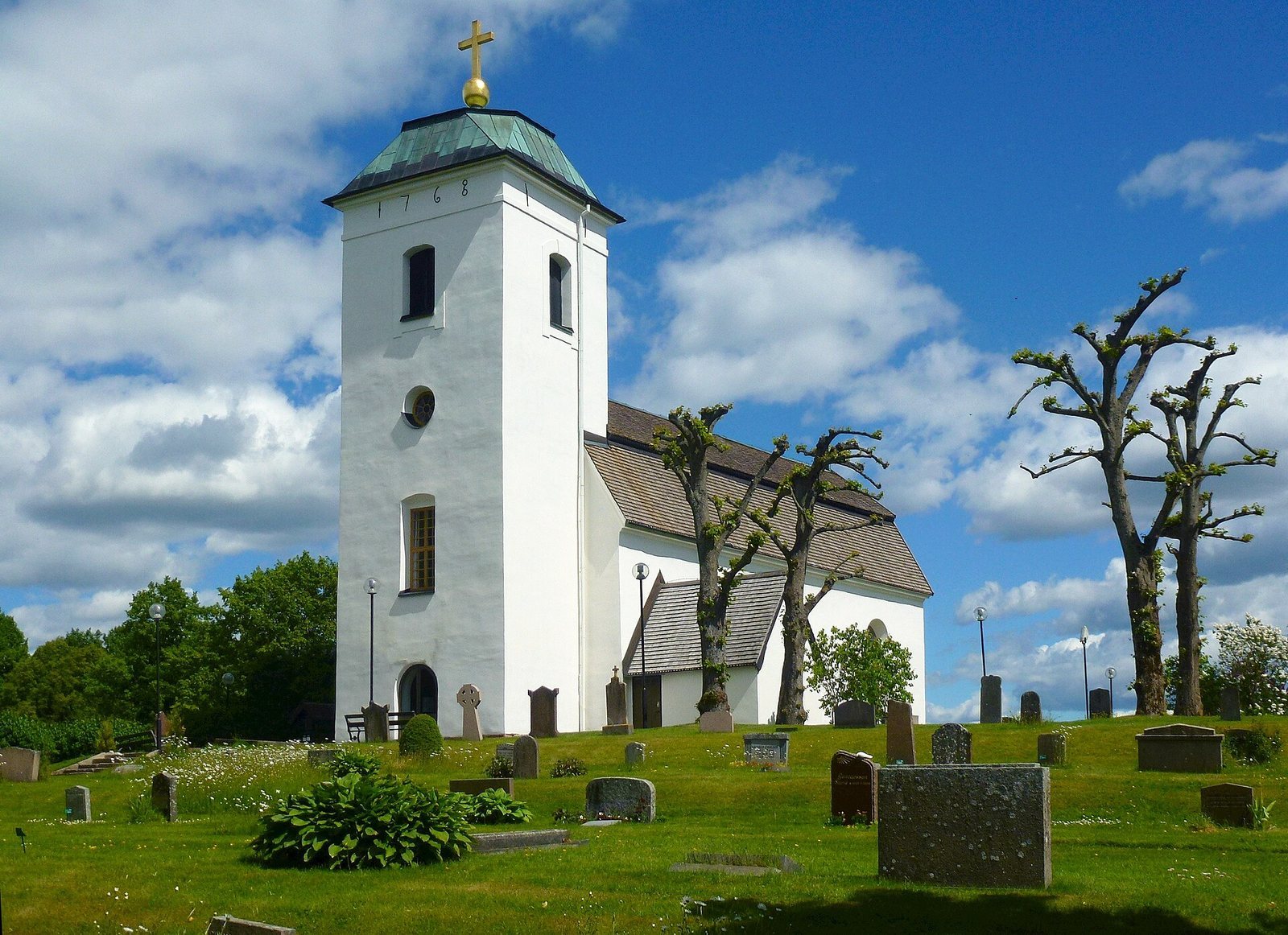
Ed Church is a medieval church in Upplands Väsby, Sweden, built in the late 12th century and formally dedicated for worship during the 12th century. It is the oldest church in Upplands Väsby and has served as Ed’s parish church since medieval times. Local residents could not complete the building on their own, so monks from Sigtuna helped with its construction.
At least seven runestones, stones bearing runic inscriptions, are associated with the surrounding district. Their presence indicates that the promontory beside the lake was important before the church was built. During its Catholic period, the church was dedicated to Saint Olaf, or Olaf II of Norway, a medieval king later venerated as a Christian saint.
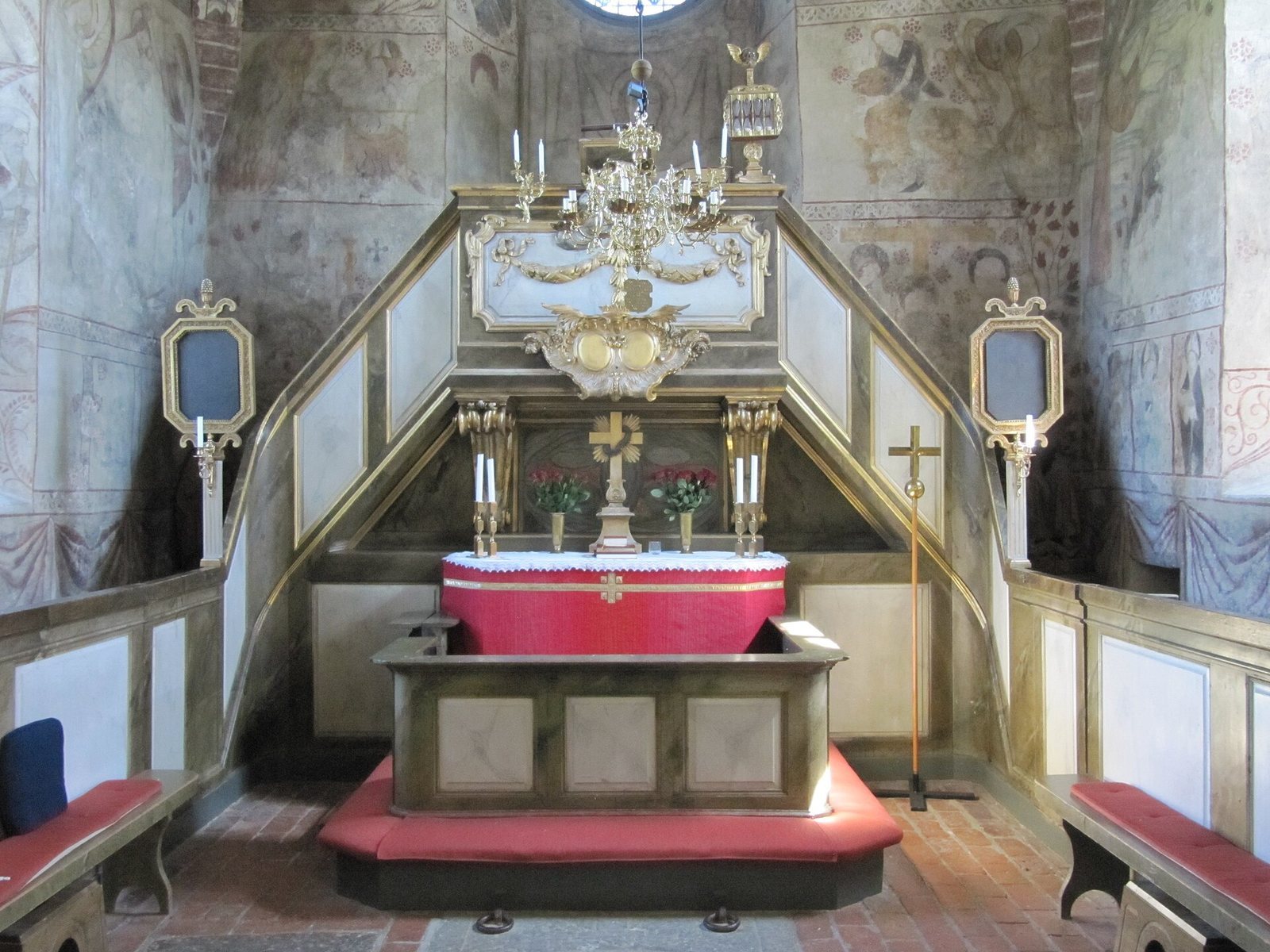
The church was extended eastward in the 14th century, when its present straight-ended chancel, the area around the altar, was added. A porch was built on the southwest side in the 15th century.
Reconstruction and restoration
A major rebuilding in 1768, supported by Swedish industrialist and patron Charles De Geer, raised the tower and enlarged the windows. The work removed the porch and other medieval elements, and the chancel’s vaulted ceiling was demolished and rebuilt, destroying its medieval paintings. Wall paintings survived beneath whitewash.
Architect and heritage specialist Sigurd Curman directed a restoration in 1917–18 that uncovered the wall paintings. A new porch was built on the earlier porch’s site in 1955–56. Ed Church is now a Lutheran church in the Church of Sweden, within Ed parish and the Diocese of Stockholm. It is protected by law as a listed building and is one stage on Ingegerdsleden, a Swedish pilgrimage trail.
Remains
Building and plan
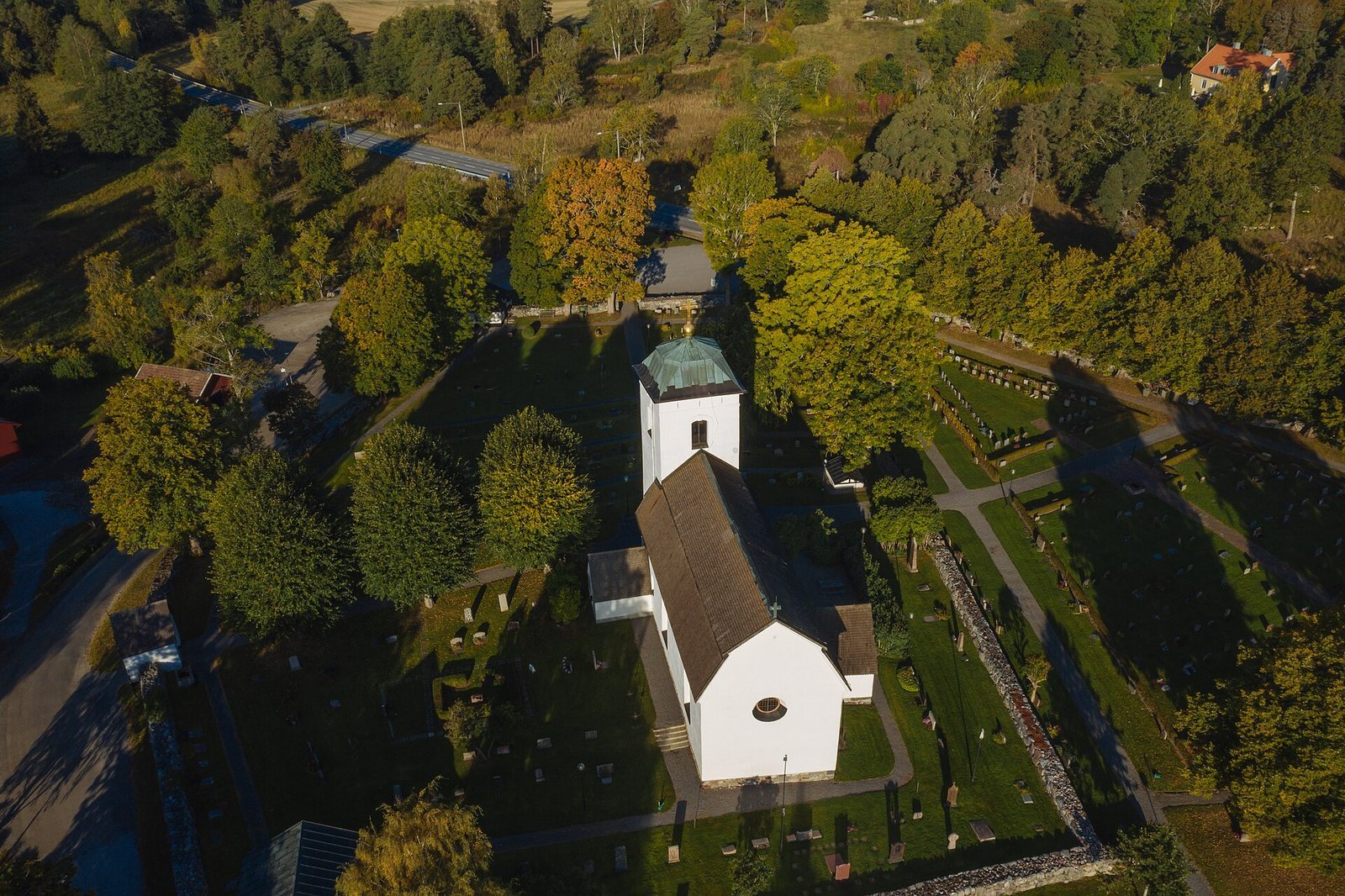
Ed Church stands on a promontory at the northern end of Edssjön. Built of gray stone, it has exterior walls plastered with mortar and painted white. The plan pairs a rectangular main worship space with an eastern chancel of the same width and a straight end. A narrower tower at the west end contains the main entrance. A sacristy, a room for preparing church services, is attached to the northeast side, while the present porch is on the southwest.
Interior and furnishings
Paintings and windows
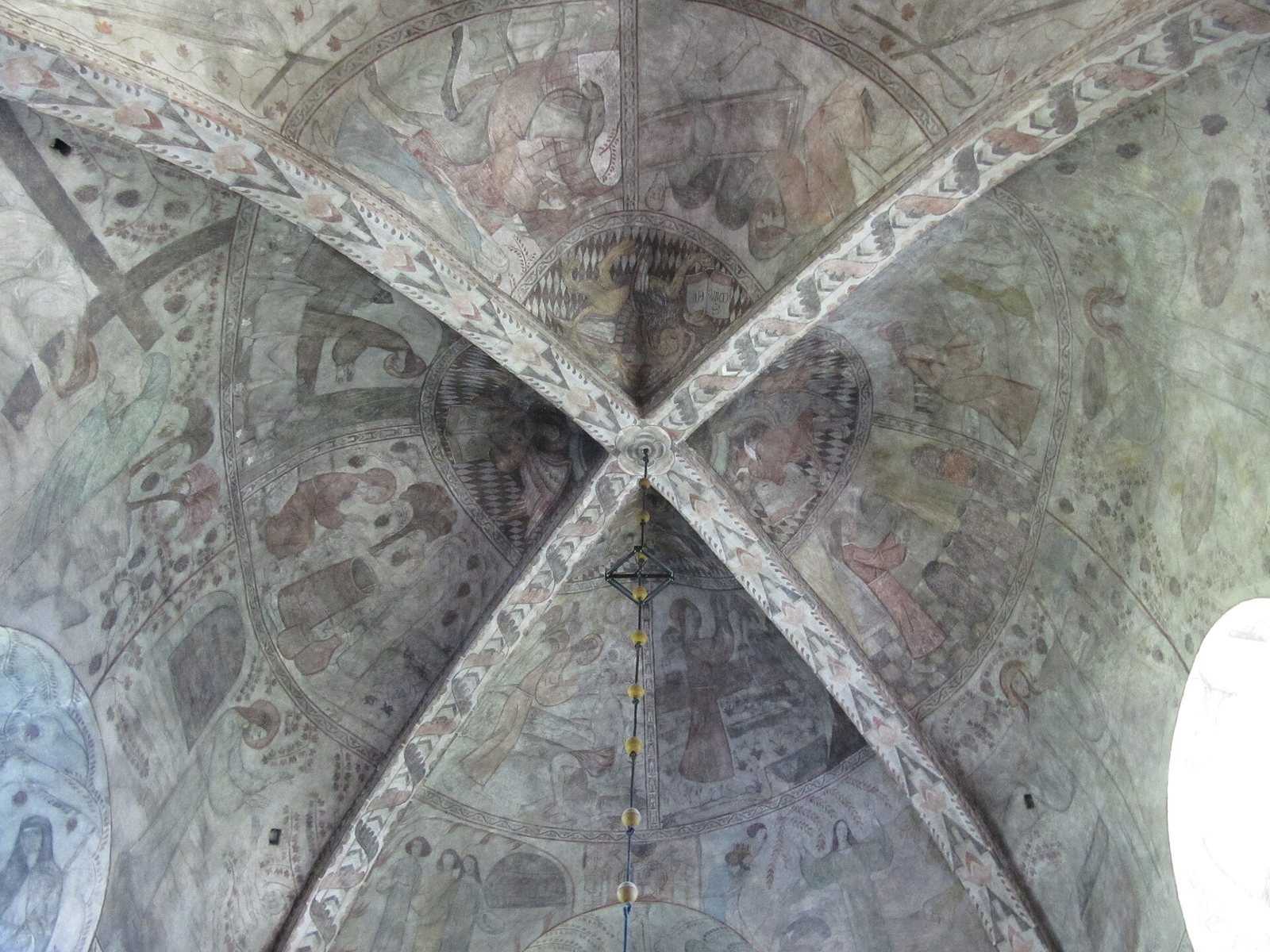
Albertus Pictor, a late-medieval Swedish church painter, painted the church’s vaulted ceilings in 1487. The present 18th-century ceilings include paintings by Olle Hjortzberg, a Swedish painter and stained-glass artist. He also designed stained-glass windows for the church. Medieval wall paintings remain on the walls, where they had been covered by whitewash.
Baptismal font and altar pulpit
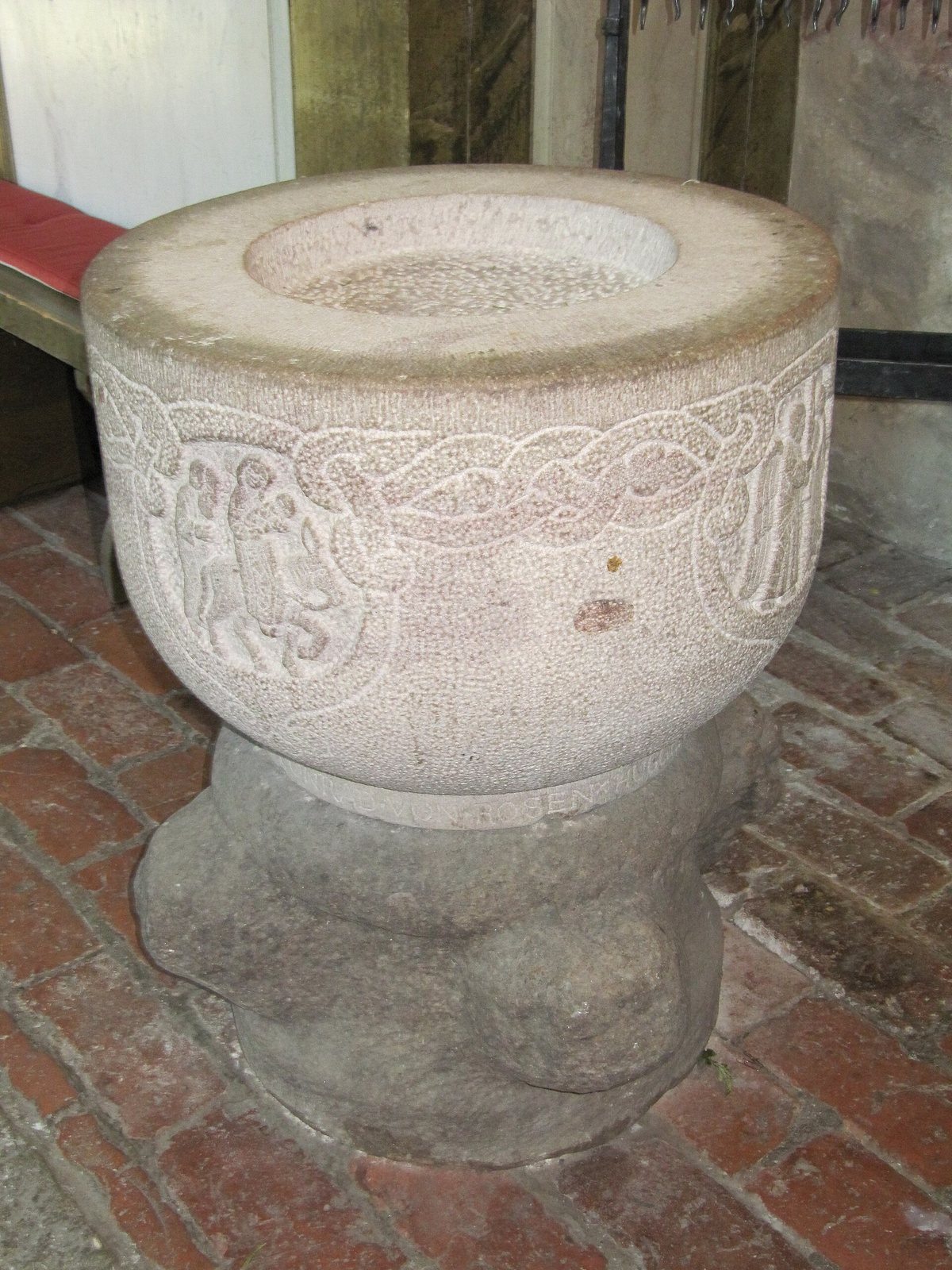
The baptismal font has a sandstone base dating to the 12th century and a basin made in 1918 by sculptor Anton Lundberg. An altar pulpit, a pulpit integrated with an altar, stands in the chancel. It dates to 1769 and was made to designs by Jean Eric Rehn, an 18th-century Swedish architect and designer.
Bells
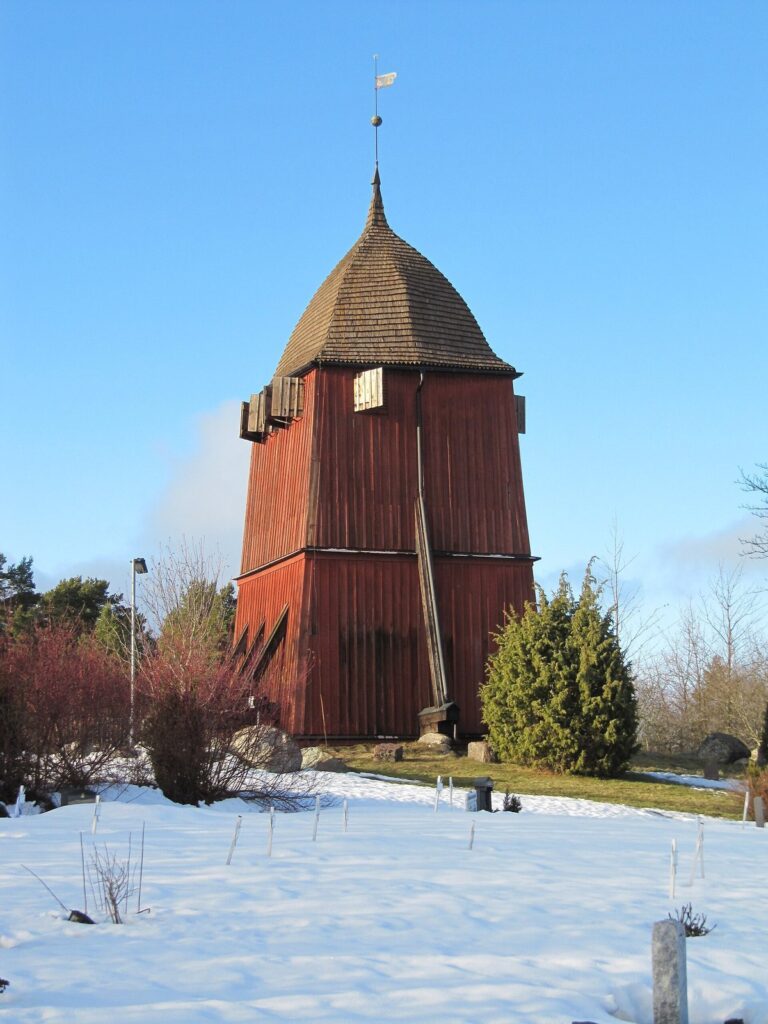
Two bells hang in the tower. The larger was cast in 1541 and recast in 1742 by Johan Fahlsten after it cracked during commemorative ringing for Ulrika Eleonora the Younger, queen of Sweden from 1718 to 1720. C. Apelquist cast the smaller bell, given to the church in 1681. Fahlsten recast it in 1742 and again in 1801.
Organs
The church has had several organs. Pehr Strand built one in 1817 with 11 stops, controls that change the sound, and two manuals, or keyboards. Åkerman & Lund made a six-stop organ with one manual in 1918, and Hans Schuster built an instrument with 17 stops, two manuals, and a pedal played with the feet in 1945. The present mechanically operated organ was built by Åkerman & Lund in 1964, and its case comes from Strand’s 1817 instrument.
Churchyard stone
The Oxford Stone, a runestone originally from Ed Church, is now in England. A replica is set into a gateway in the churchyard wall.