Cuyacabras Necropolis: A Medieval Cemetery in Spain
Site at a Glance
- Popularity
- Medium
- Country
- Spain
- Primary era
- Medieval
- Eras represented
- Medieval
- Civilizations
- Unclassified
- Site type
- Burial
- Remains
- Necropolis
On this page7 sections
History
Medieval origins
The Cuyacabras Necropolis is a medieval cemetery near Quintanar de la Sierra in Burgos, Spain, with a burial core dating from the ninth century to the first half of the eleventh. It belongs to the wider ninth-to-thirteenth-century repopulation of Iberian territories as Christian kingdoms expanded. The cemetery served a nearby settlement and was associated with a church.
Documents suggest, but do not establish, that the settlement was the earlier village of Villa Godomar. Farming was difficult in this area, so inhabitants relied on raising livestock and using forest resources. Later phases of activity may have included further burials.
Excavation and heritage status
Between 1969 and 1971, Spanish archaeologist Alberto del Castillo y Yurrita, a pioneer of medieval archaeology in Spain, excavated the site. Cuyacabras is regarded as one of the most informative examples of medieval archaeology in Spain. On 25 August 2011, Spain designated it an Asset of Cultural Interest as an archaeological zone, a category for protected archaeological sites.
Remains
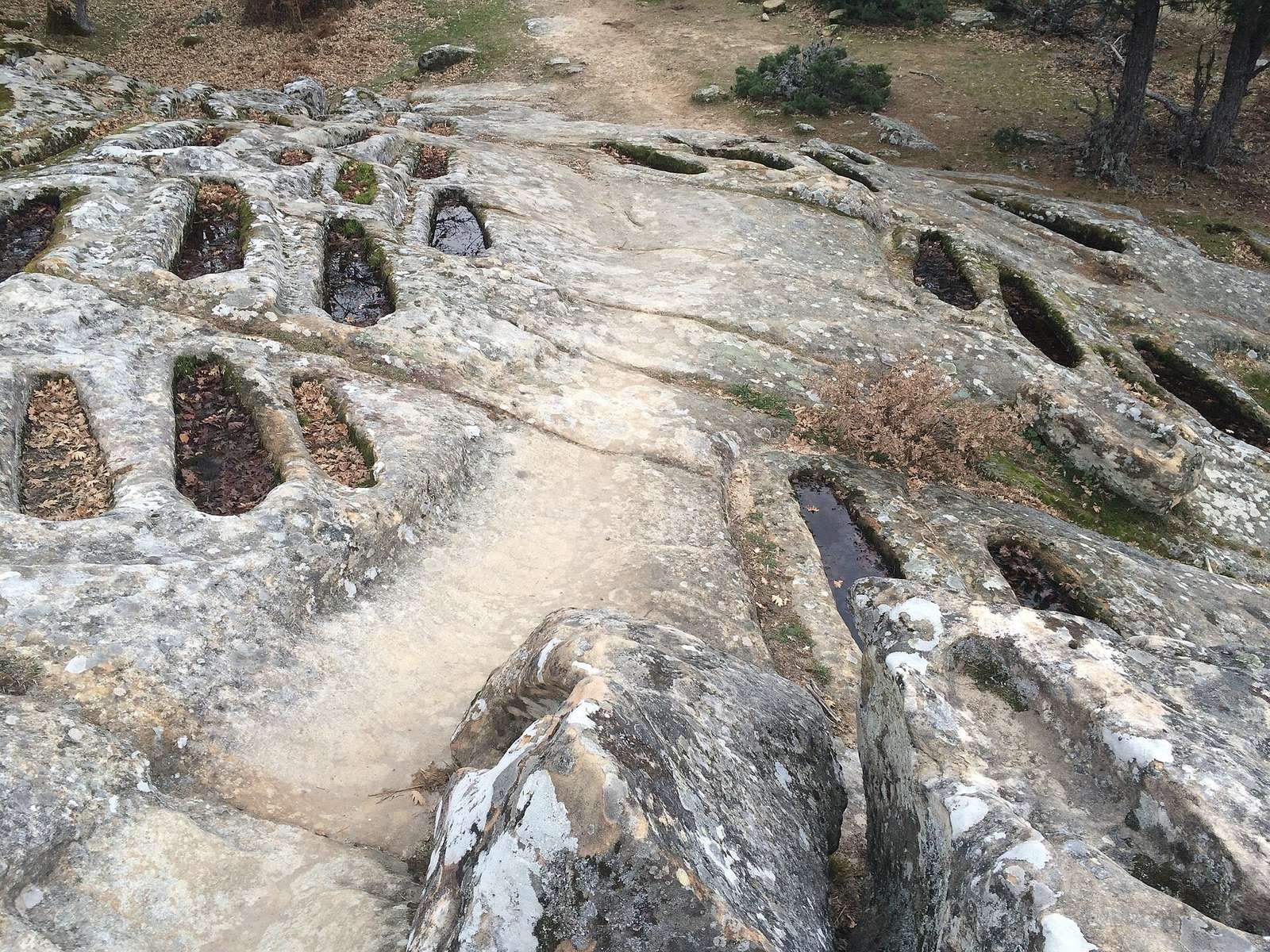
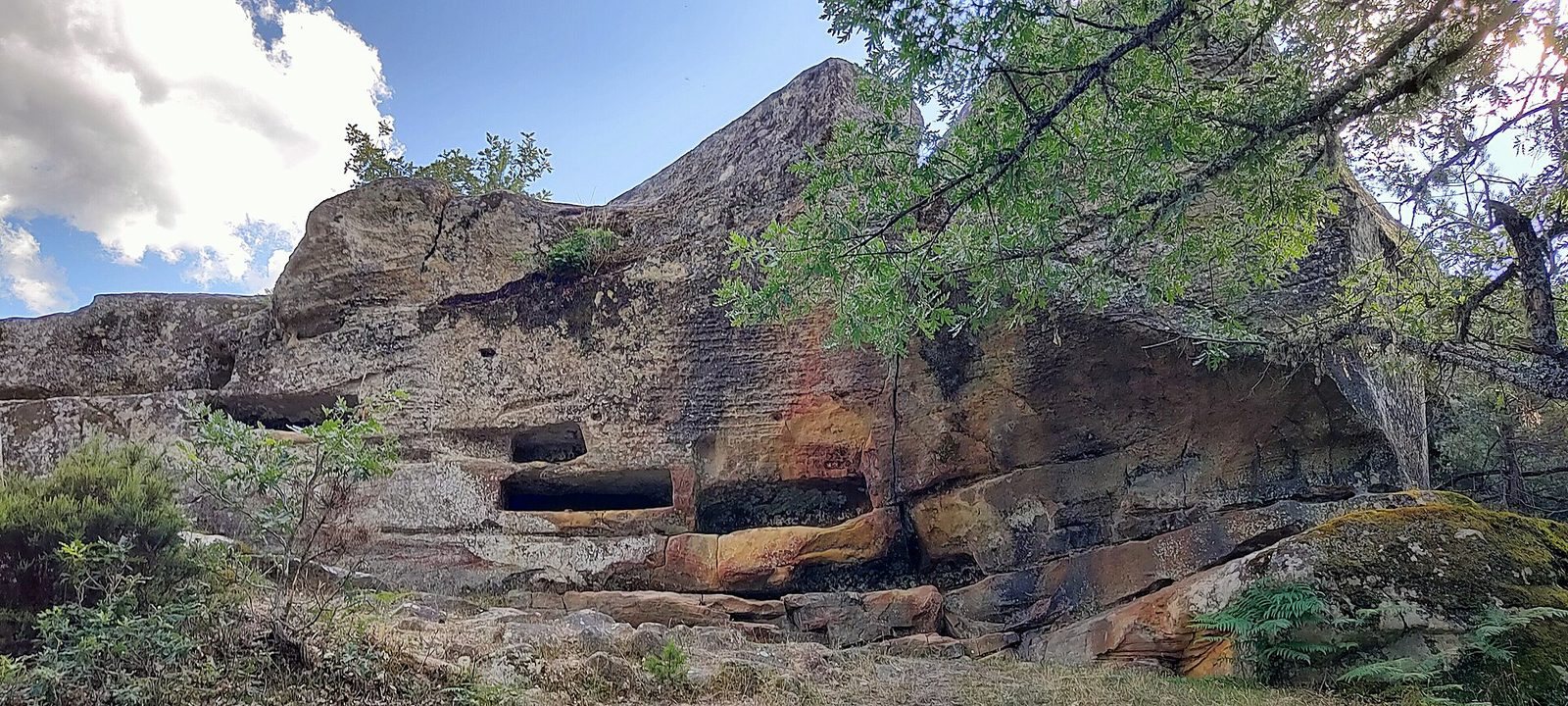
In the Sierra de la Demanda, about five kilometres east of Quintanar de la Sierra, the cemetery covers approximately 65 by 35 metres. It is arranged around the church site, with burials extending into nearby and more prominent sectors. At least 183 graves have been identified, making Cuyacabras the largest documented necropolis of this type in the Upper Arlanza. Most were cut into natural rock.
Graves
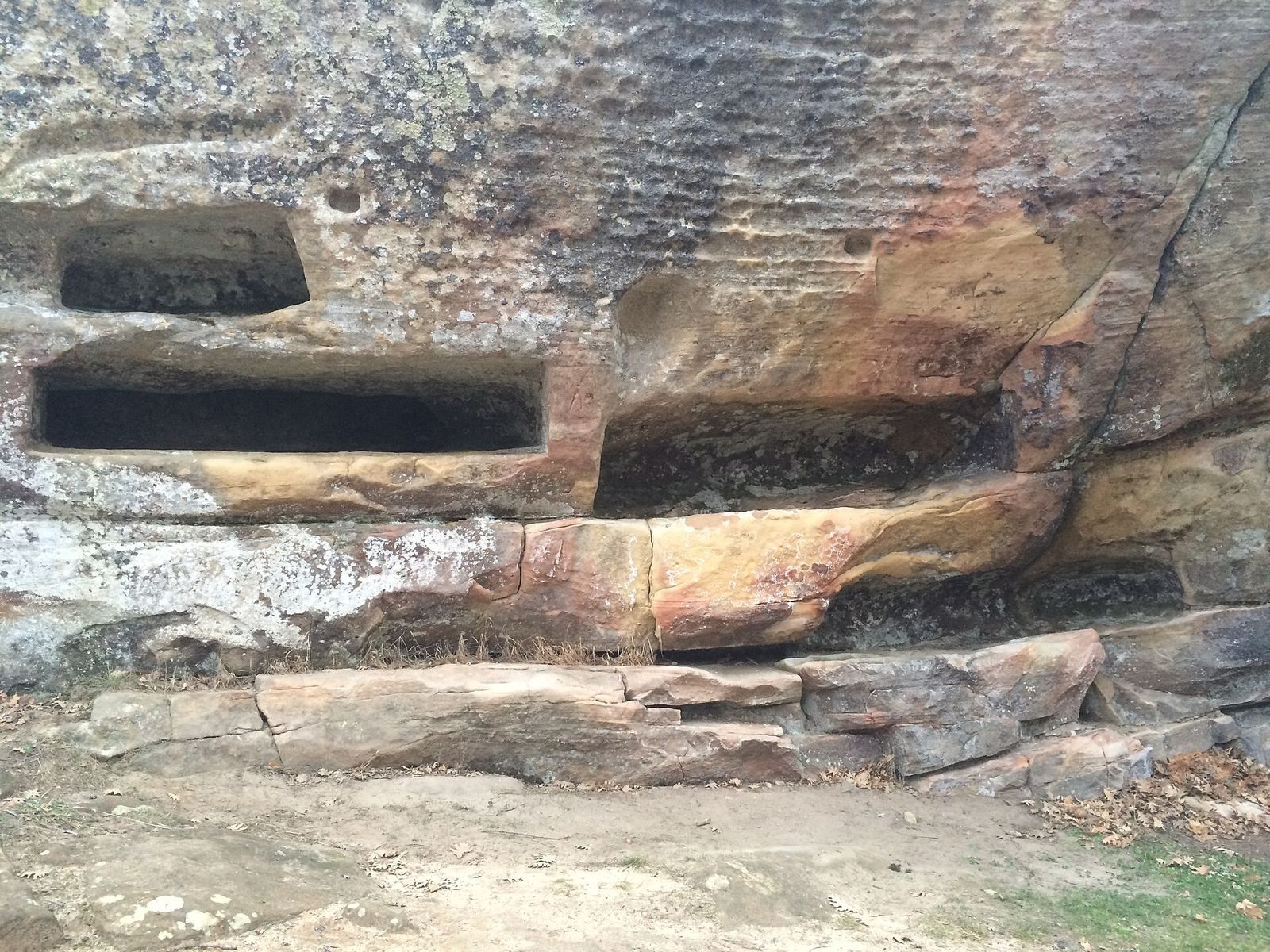
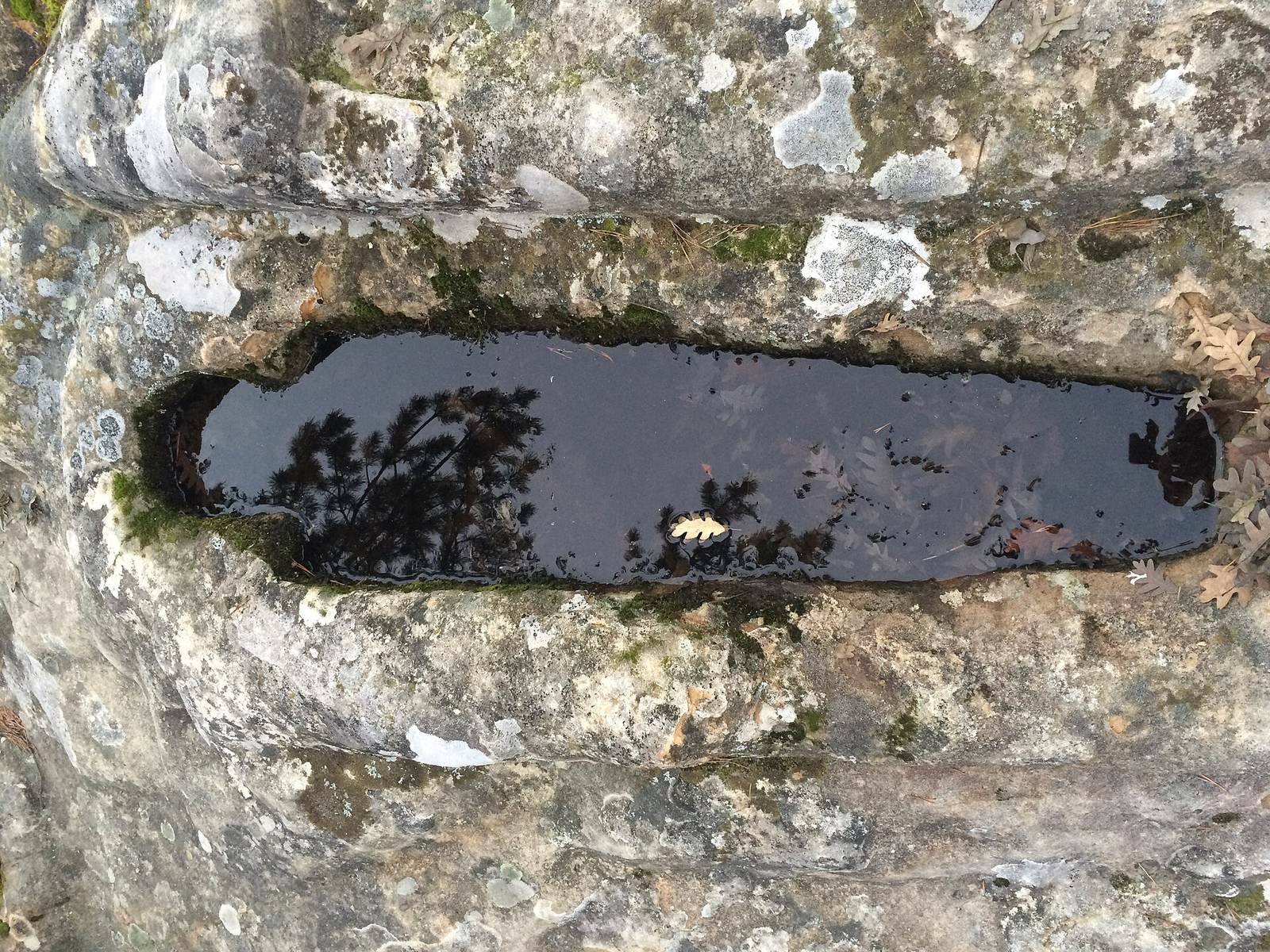
The graves include bathtub-shaped forms and variants, which account for 54 percent, human-shaped graves at 37 percent, and side-niche graves at 7 percent. Slab-built graves also occur. Bathtub-shaped graves are mostly oval, while human-shaped examples often have rounded or horseshoe-shaped head ends. Among adults, the first two forms appear in relatively similar proportions. Oval bathtub-shaped graves were favored for infants, and children’s graves tended to be near the church, though this was not a fixed rule. Most graves were closed with single-stone covers and, with few exceptions, aligned west. This orientation reflects Christian belief that the dead would rise for the Last Judgment, expected to be announced by a trumpet and revealed from the east.
Church and settlement
The church itself is indicated by impressions in the rock, which reveal a simple rectangular plan. An eight-step staircase cut into the natural rock provided access. The settlement’s buildings were made of wood and earth.
Hermitage of San Andrés
Remains of the nearby Hermitage of San Andrés include an altar stone bearing a horseshoe arch and a cross. These features have been identified as examples of Mozarabic art, an artistic tradition associated with Christians living in Muslim-ruled parts of medieval Iberia.