IdeMaruyama Kofun: A Sixth-Century Japanese Burial Mound
Site at a Glance
- Popularity
- Low
- Country
- Japan
- Primary era
- Medieval
- Eras represented
- Medieval
- Civilizations
- Yamato
- Site type
- Burial
- Remains
- Burial Mound
On this page11 sections
History
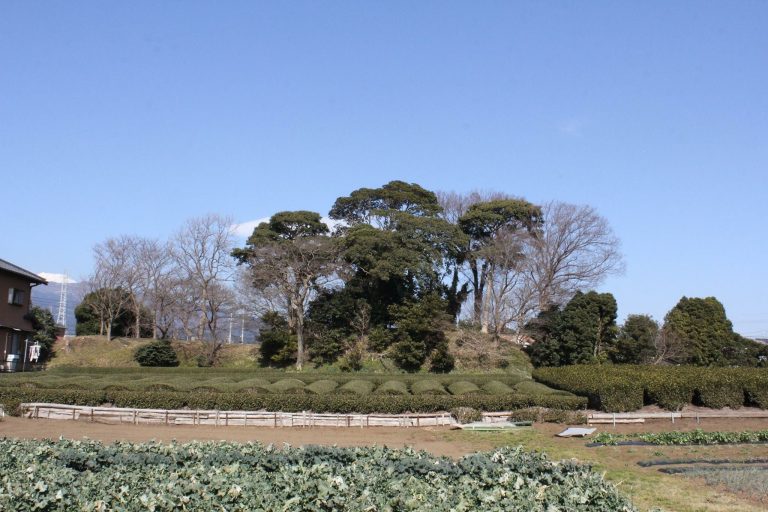
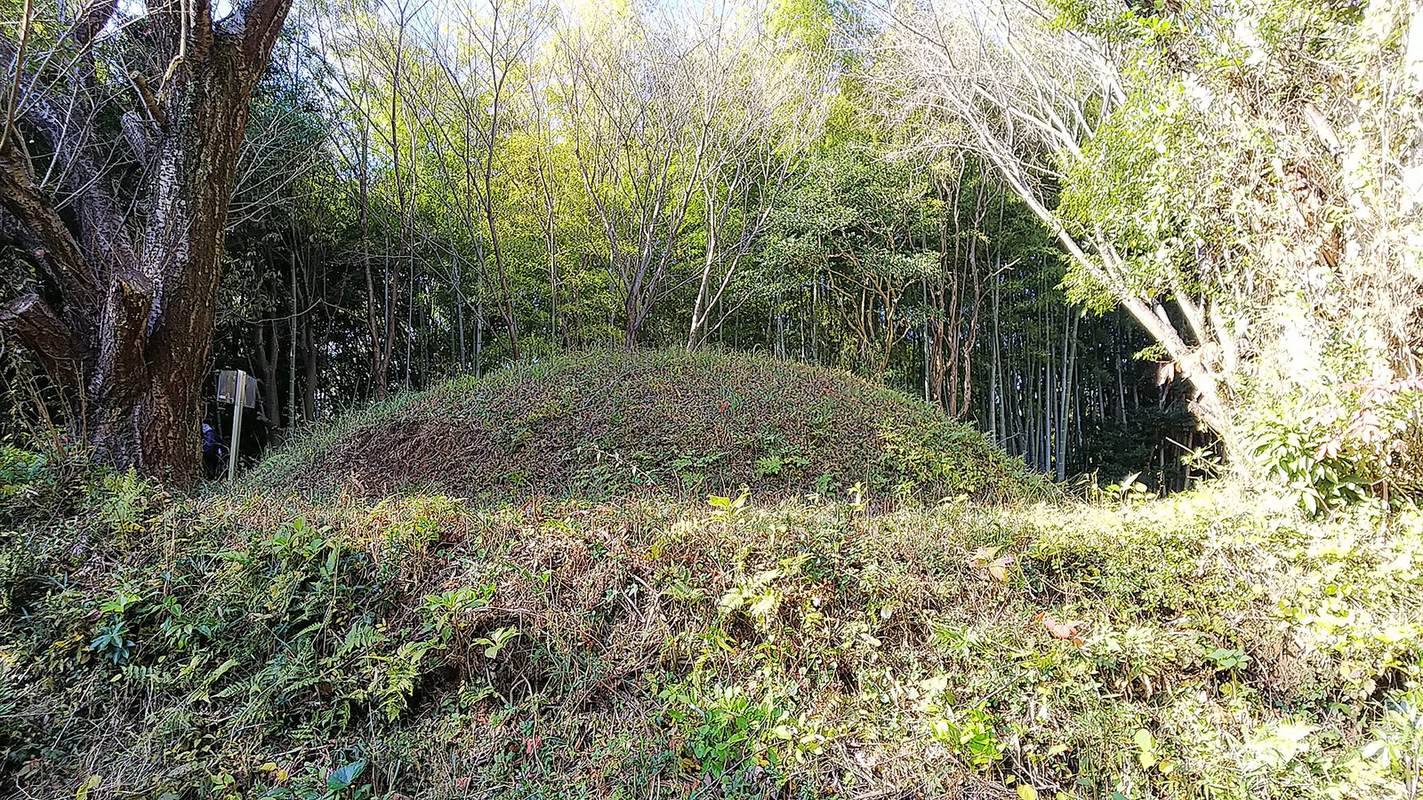
IdeMaruyama Kofun is a circular Japanese burial mound in Ide, Numazu, Shizuoka Prefecture, Japan, broadly dated to the latter sixth century.
Discovery and excavation
The landowner knew of the mound before planning improvements to the property’s tea plantation. Around 1965, the landowner’s younger brother investigated the area. In March 1992, the landowner consulted the Numazu City Board of Education about the planned work. A trial excavation followed and confirmed that the site contained one burial mound.
Burials and dating
The earrings from the burial chamber suggest that at least three people were buried there. One or two further interments have been proposed, but their occurrence is uncertain. If they took place, the mound dates to the mid-sixth century; if they did not, it dates to the end of that century. Its date is therefore also described broadly as the latter sixth century.
Remains
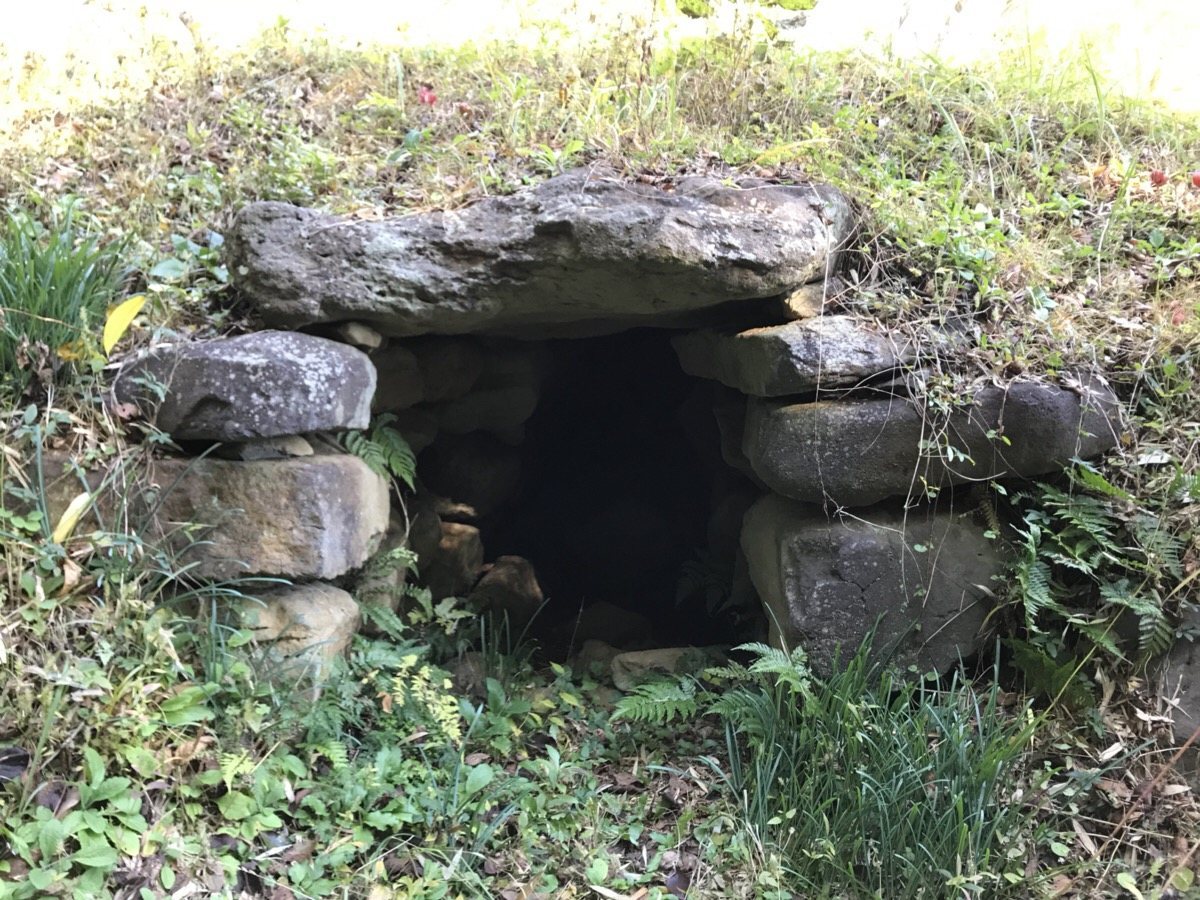
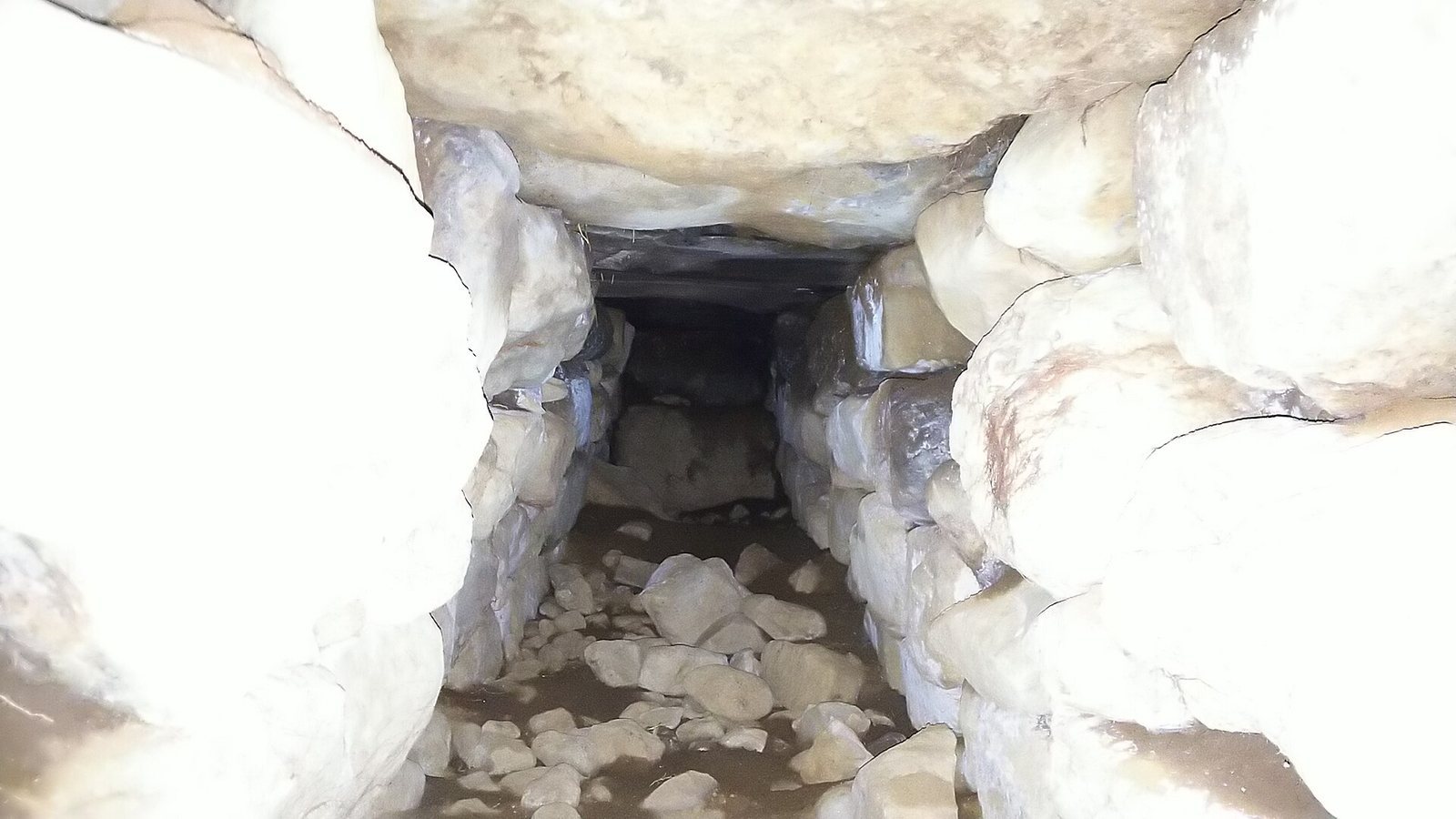
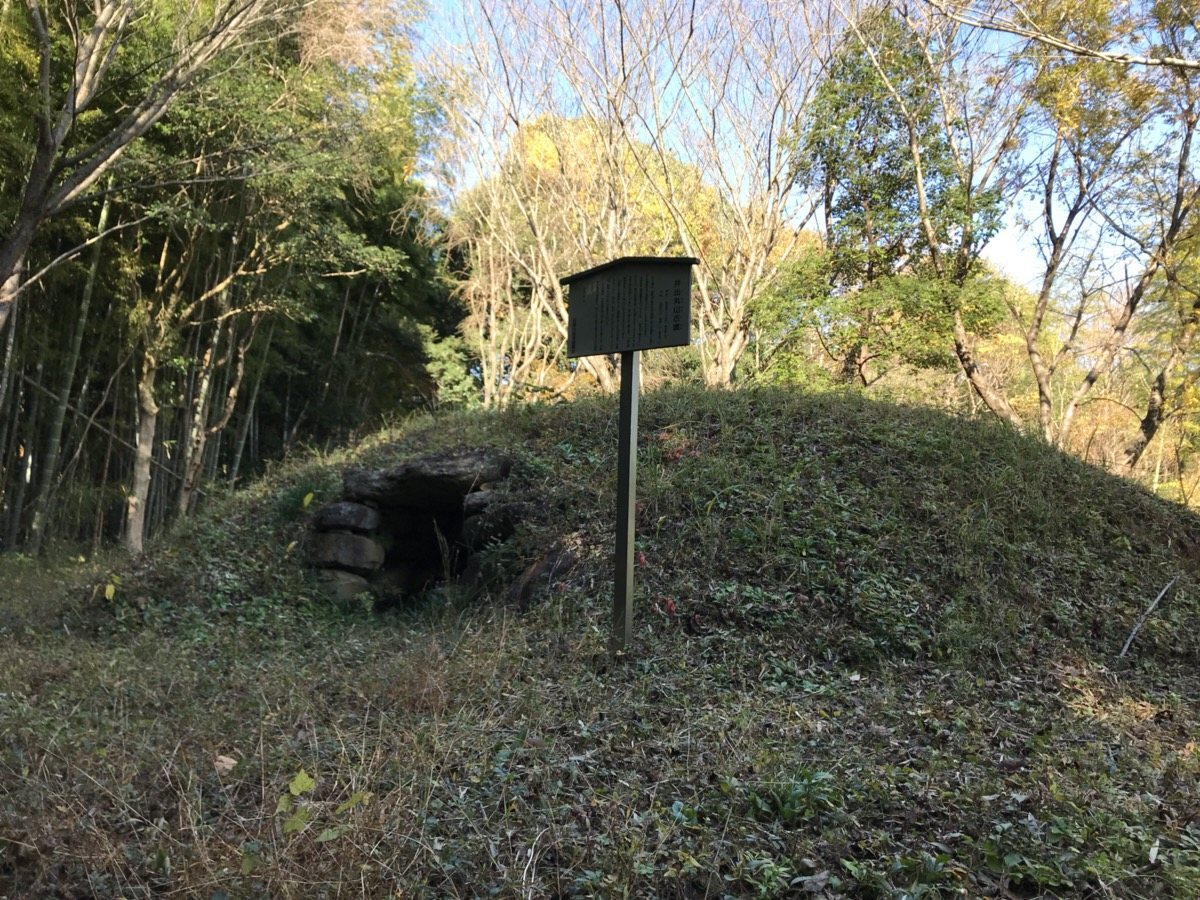
The excavated remains comprise a circular mound, a side-entry stone burial chamber, and a short approach in front of its entrance. The mound was left in its excavated condition rather than rebuilt.
Mound and burial chamber
The chamber’s position suggests that the mound was about 15 metres in diameter, although its original size is uncertain. Before excavation, the landowner had lowered the ground by about one metre. The chamber’s rear wall consists of two stones stacked with their ends aligned, while its side walls have three or four courses of stone. It is somewhat wider on the west. Stones sealed the entrance. Nearby stones, some still partly over the chamber, are thought to have served as roof slabs; river stones in the vicinity may have been used for packing. In front of the entrance is a burial approach about 4 metres long and 1 metre wide. It lies nearly level with the entrance closure, does not continue from the chamber’s floor stones, and is now difficult to distinguish.
Finds
Surface and earlier finds
Fragments of Early Jomon pottery, from a prehistoric period in Japan, were found on the chamber surface. One has a mountain-shaped stamped pattern. The same surface yielded a Sue ware sherd, from high-fired stoneware made in ancient Japan, and flakes of obsidian. Pottery, an axe, and stone arrowheads were also considered possible Jomon-period finds.
Earrings
Six copper-core earrings were recovered in three sets. The smallest group measures about 2.7 by 2.4 centimetres, has a core about 0.5 centimetres thick, and weighs about 10 grams. The other groups measure about 3.3 by 2.9 centimetres and 3.5 by 3.1 centimetres; their cores are about 0.8 and 0.9 centimetres thick, and they weigh about 26 and 33 grams respectively.
Beads
Two tubular jasper beads measure about 2.49 and 2.37 centimetres long, with diameters of about 0.91 and 0.75 centimetres. They weigh about 3.93 and 2.34 grams, and their one-sided perforations measure about 0.22 and 0.28 centimetres across. Four faceted crystal beads range from 1.18 to 2.43 centimetres long and 1.16 to 1.49 centimetres in diameter. They weigh about 2 to 6.14 grams and have one-sided perforations about 0.35 to 0.39 centimetres across. Thirteen blue or green glass beads comprise seven small beads, including one crushed example, four disc-shaped beads, and two round beads.
Ceramic and stone objects
A pale yellow-white perforated stone object resembling a whetstone measures about 5.97 centimetres long, 2.22 centimetres wide, and 1.16 centimetres thick. It weighs about 24 grams, and its perforation is about 0.38 centimetres across. Two Sue ware vessels were also recovered. The yellowish-gray cup lid, found inside the chamber, is about 4.3 centimetres high and has a rim diameter of about 14.2 centimetres; it was incompletely fired. The light-gray cup body has a rim diameter of about 12.9 centimetres, a maximum diameter of 15.2 centimetres, and a height of 3.8 centimetres. Its base was scraped while rotating to produce a flat bottom.
Iron weapons
An iron sword and an iron arrowhead were confirmed during excavation. Both were lost after the investigation ended.