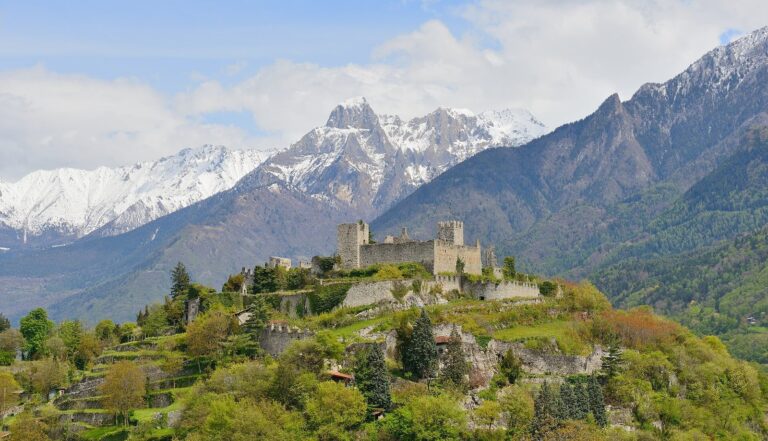
National Park of Rock Engravings of Naquane: An Open-Air Rock-Art Park in Italy
Site at a Glance
- Popularity
- Medium
- Country
- Italy
- Primary era
- Iron Age
- Eras represented
- Stone Age, Iron Age
- Civilizations
- Unclassified
- Site type
- Civic
- Remains
- Rock Art
On this page9 sections
History
The National Park of Rock Engravings of Naquane is an open-air archaeological park in Capo di Ponte, Italy. Established in 1955 at the initiative of Lombardy’s archaeological superintendency, it preserves one of Val Camonica’s major collections of rock art.
Some engravings have been dated to the Neolithic, the later part of the Stone Age, in research by Italian archaeologist Emmanuel Anati. Most of the images are associated with the Iron Age, a later period characterized by the use of iron. The name Naquane has been in use since at least the nineteenth century and also appeared as Nacquane.
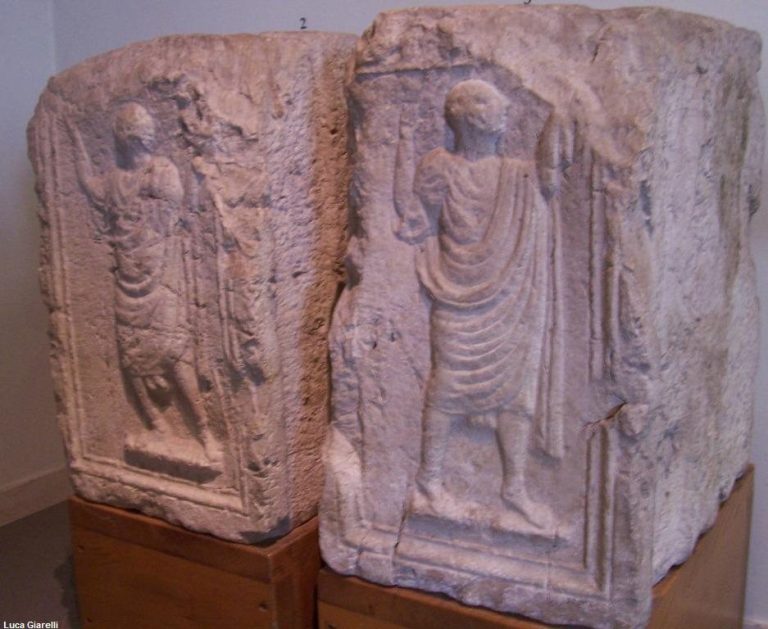
Until 2014, a rural house in the center of the park held an Antiquarium, a small archaeological exhibition, as well as a display of standing stones, or menhirs, from Borno and Ossimo. The archaeological material and stones are now held at the National Museum of Prehistory in Capo di Ponte. From December 2014, the Ministry of Cultural Heritage and Activities managed the park through the Lombardy Museum Centre, which became the Regional Directorate of Museums in December 2019.
Remains
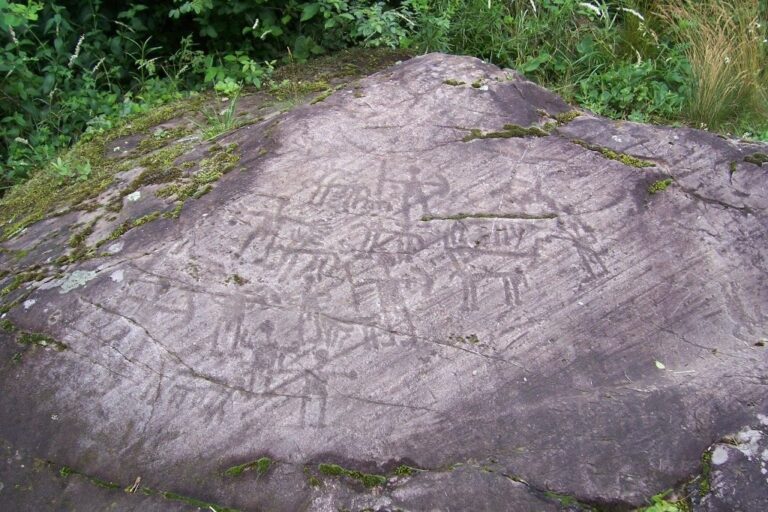
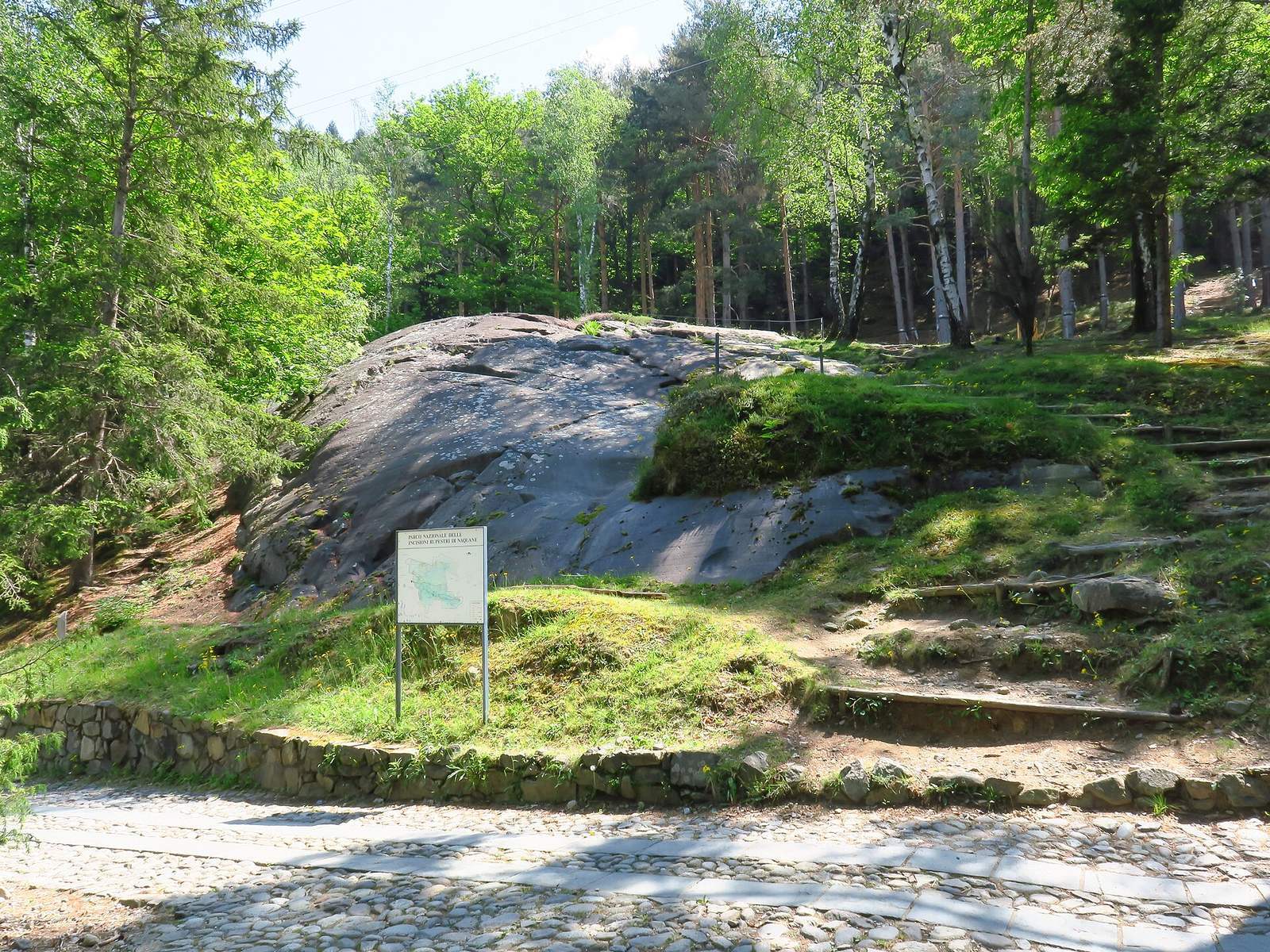
The park covers about 30 hectares on the eastern side of Val Camonica, extending along a large hillside beneath Pizzo Badile Camuno. Its 104 engraved rocks are made of Permian sandstone. Birches, ash trees, chestnuts, and larches grow across the park, with firs found less often.
Engraved rocks
Rock 1
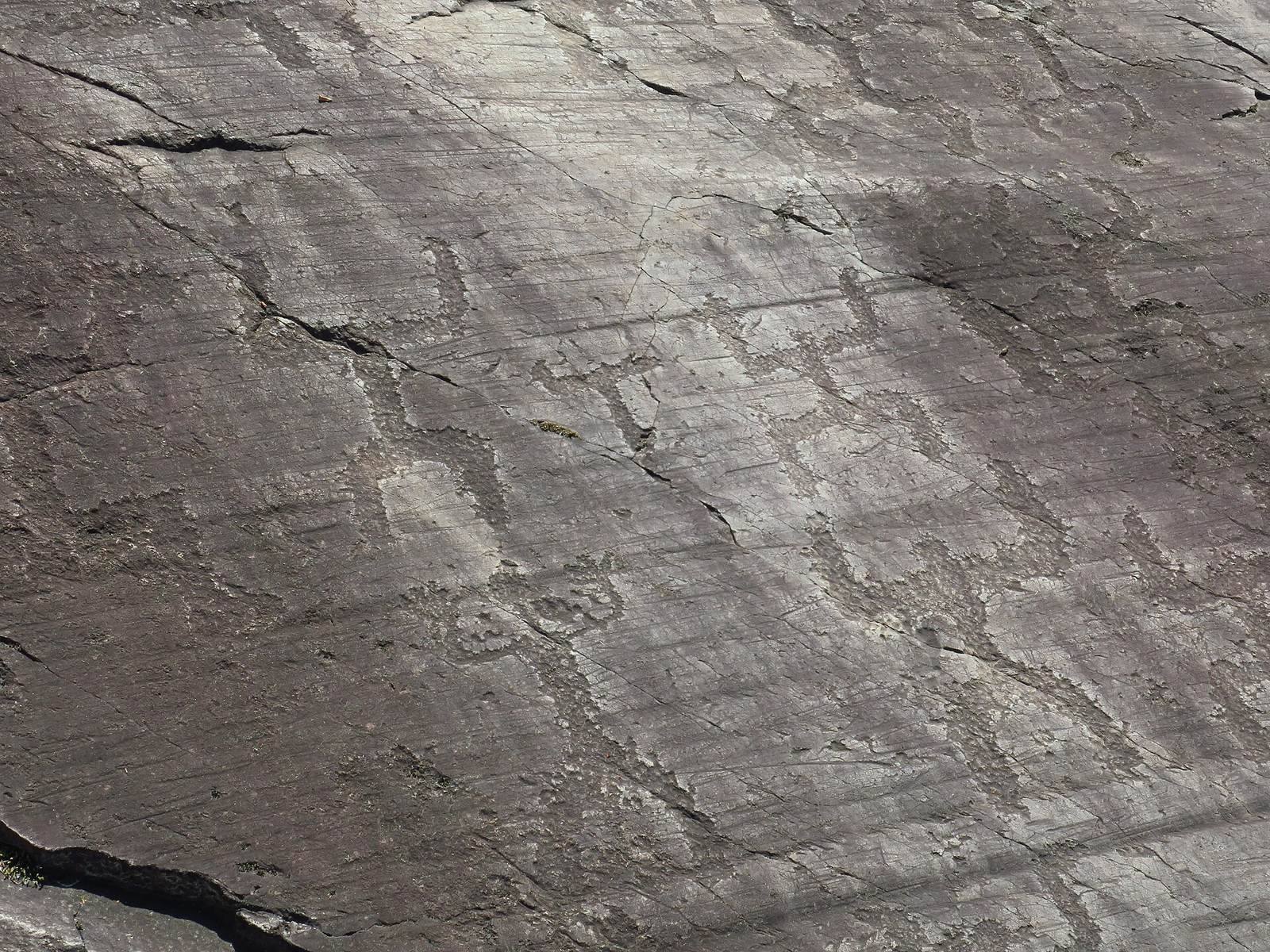
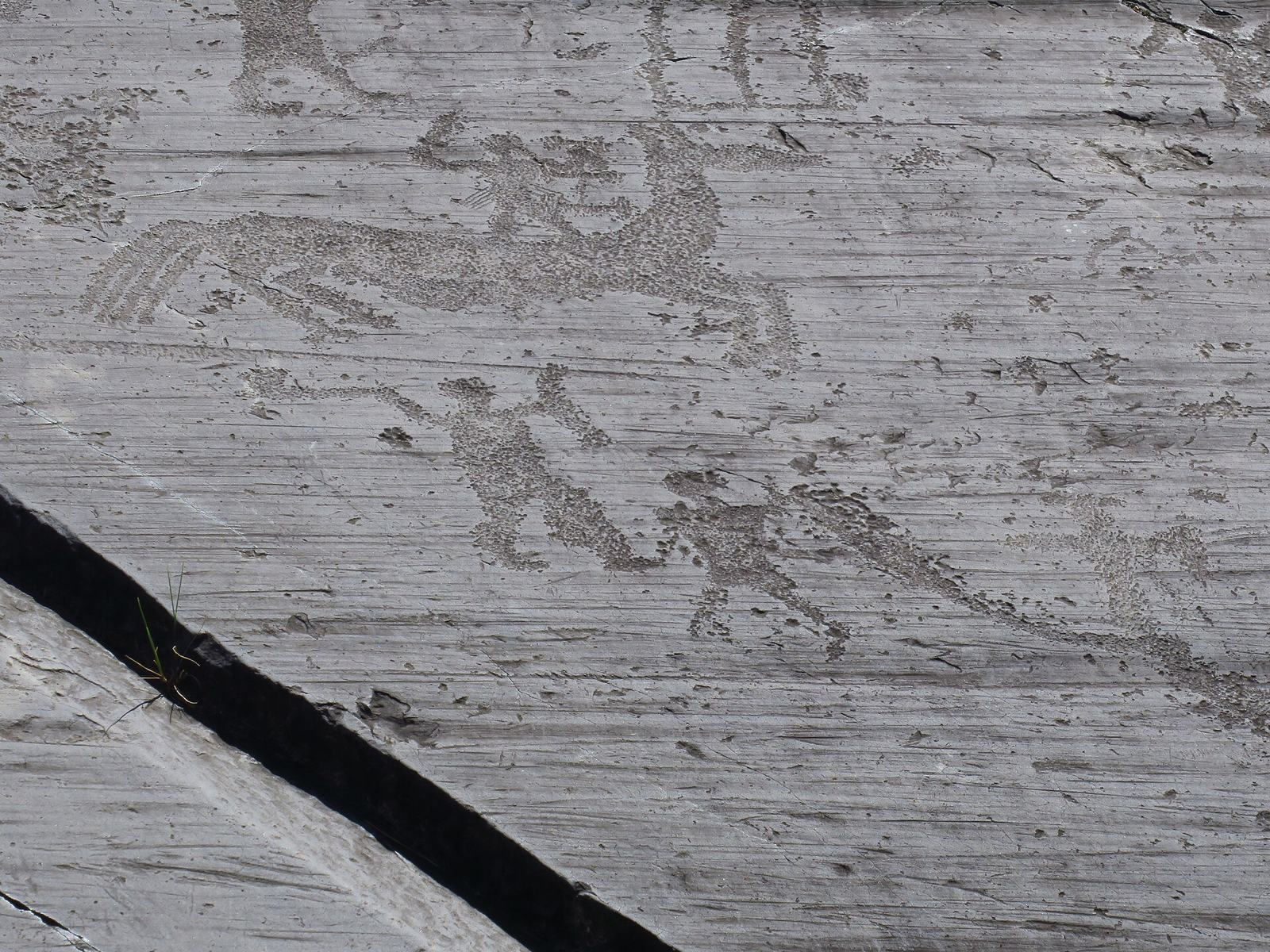
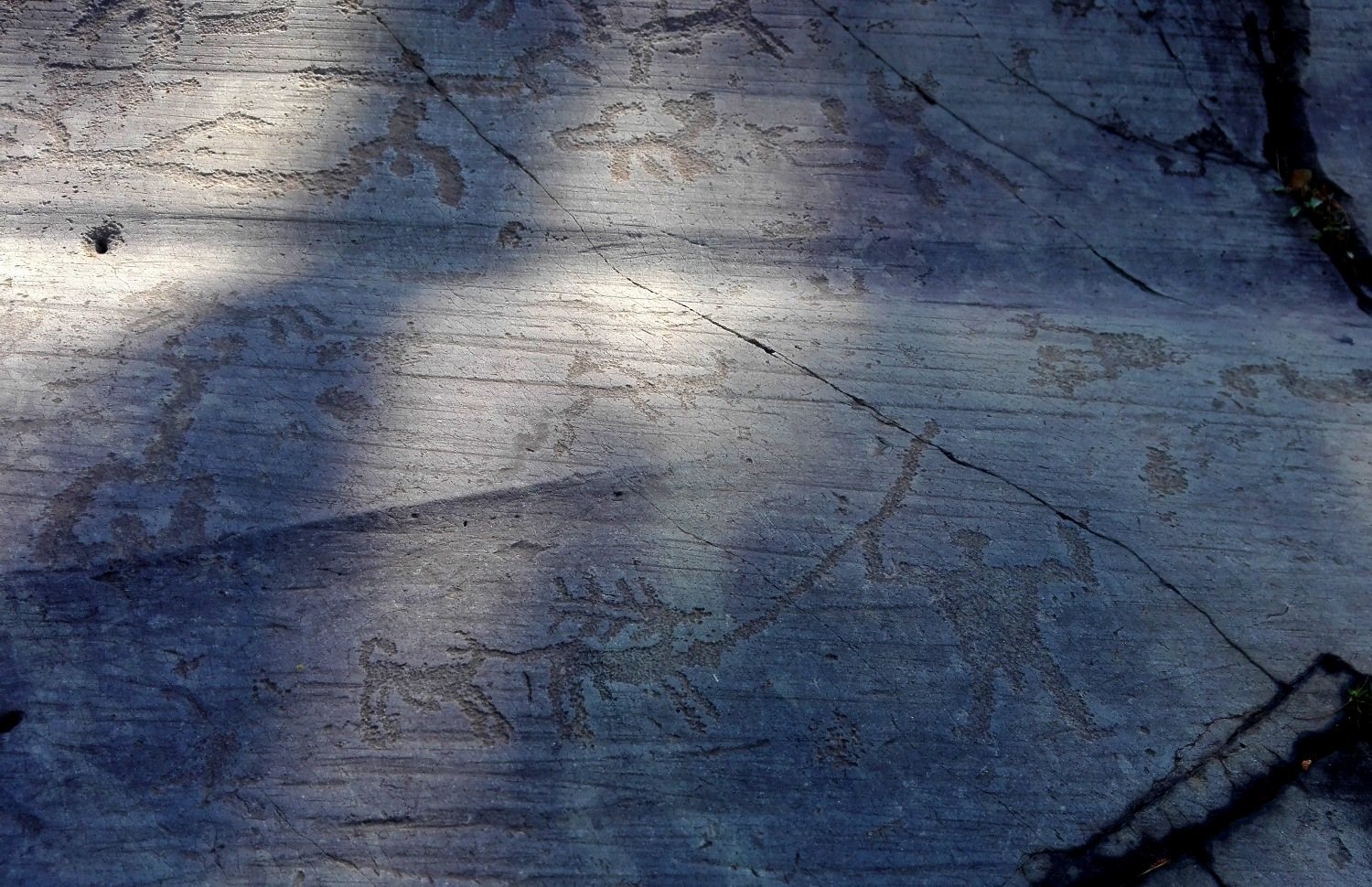
Discovered first among the park’s engraved rocks, Rock 1 has a broad, smoothed surface bearing hundreds of images. Deer are especially numerous; other motifs include armed people, bird-like figures, a palette-shaped figure, and a labyrinth.
Rock 35
Rock 35 bears two named scenes, the “Running Priest” and the “Blacksmith Scene.”
Rock 50
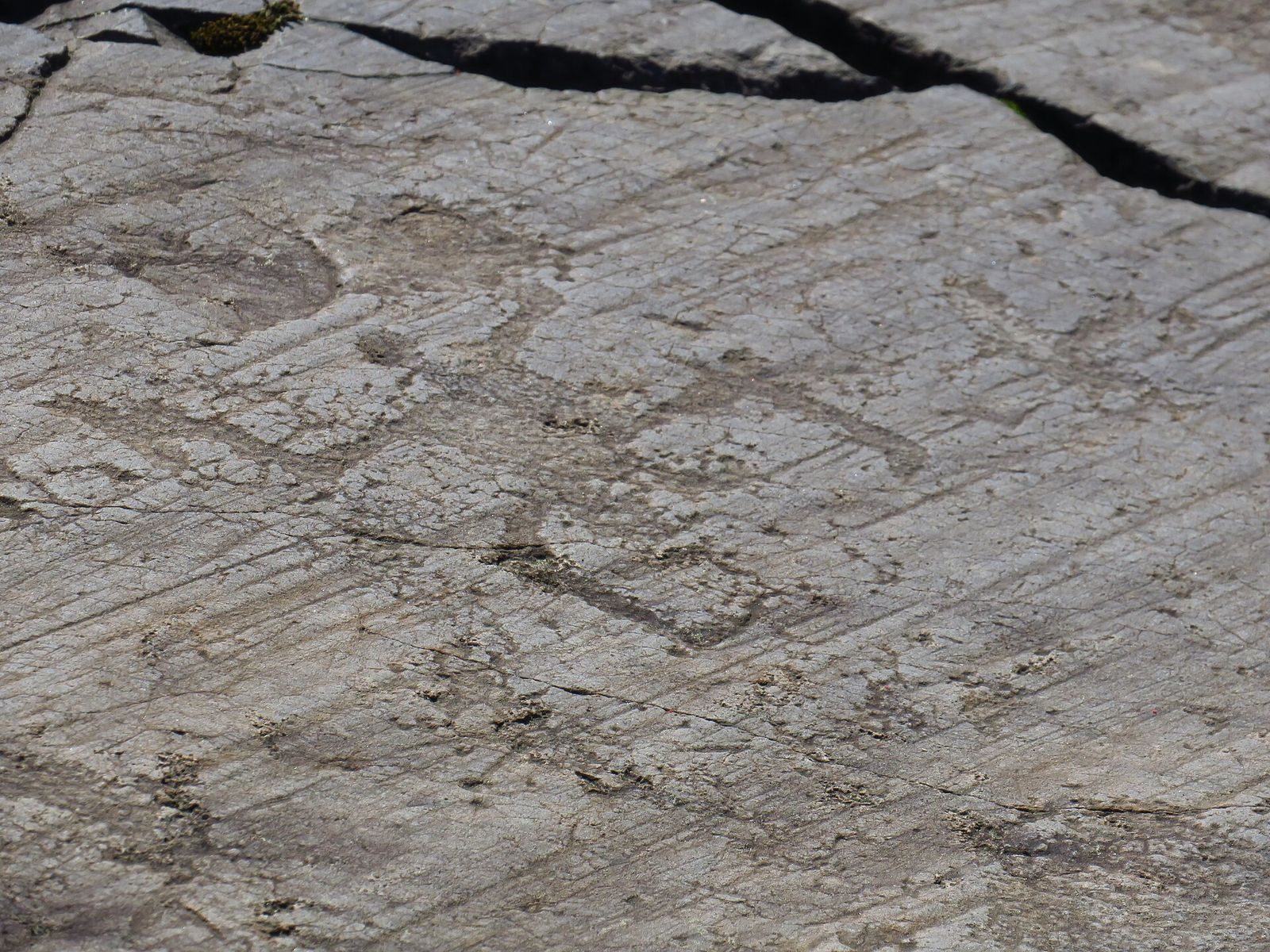
Footprints and figures in prayerful poses appear on Rock 50, alongside an inscription in Camunian, the language represented in inscriptions from Val Camonica.
Rock 60
A horse on Rock 60 is described as Greek-Etruscan and is regarded as one of the important Greek-influenced images in the park and the valley.
Rock 70
Rock 70 carries an image that some scholars consider the earliest depiction of Cernunnos, a deity known from ancient Celtic religious imagery.
Rocks 73 and 23
Rock 73 shows a hut, while Rock 23 bears an image of a chariot drawn by horses.